
What most homeowners do instinctively can make a dangerous situation worse.
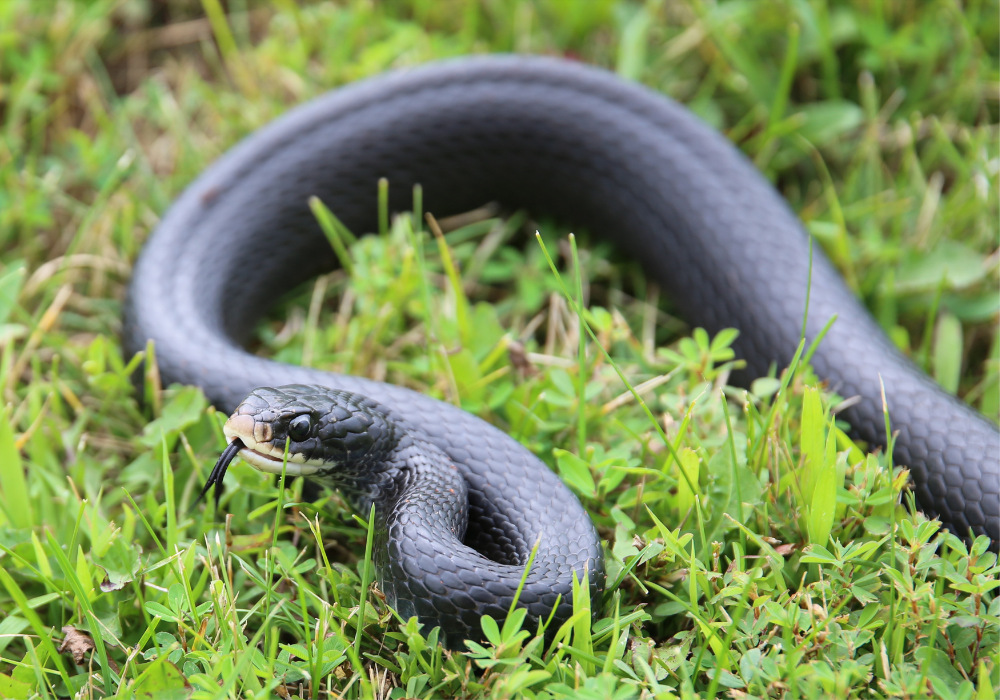
You step into your yard, coffee in hand, and there it is — a snake across the path. Your brain says run, scream, or grab something. That instinct is exactly what wildlife experts warn against, because the first few seconds matter more than you think.
Snakes usually don’t want a fight, but they react fast to sudden movement and vibration. Many bites happen not because a snake attacks, but because someone panics and makes a move that feels threatening.
Knowing what not to do can dramatically lower the risk of getting hurt. One simple decision can slow things down, keep distance on your side, and turn a scary moment into one that ends calmly.
1. The moment you realize it is not just a stick
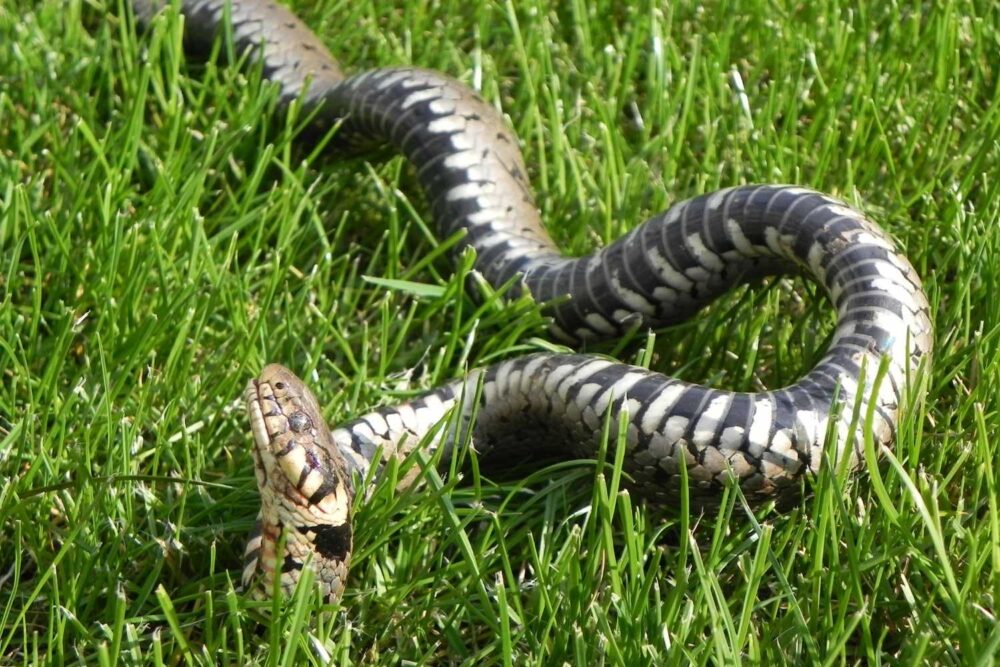
At first, your brain tries to downplay what you are seeing. Maybe it is a hose or a branch, and you hesitate for a second. That hesitation is actually helpful, because it gives you time to stop moving and assess what is really in front of you.
Snakes rely heavily on sensing vibration and motion. When you freeze instead of reacting fast, you reduce the chance of triggering a defensive strike. That pause buys you safety and clarity before anything else happens.
2. Why sudden movement makes everything worse

Once people realize it is a snake, the instinct is usually to jump back or run. That quick movement can feel aggressive to a snake, especially at close range. What feels like escape to you can look like a threat to it.
Many snake bites happen during these split seconds of panic. A fast reaction sends vibrations through the ground and forces the snake to respond defensively. Staying controlled keeps the encounter from escalating.
3. The mistake people make trying to scare it away

Yelling, stomping, or throwing objects seems logical when adrenaline kicks in. Unfortunately, those actions often do the opposite of what people want. They confuse the snake and increase its stress instead of pushing it to leave.
Snakes do not understand intimidation. They understand proximity and vibration. When you try to scare one away, you often shorten the distance or increase movement, both of which raise the risk of a bite.
4. How close is too close in a backyard encounter

People often underestimate how fast a snake can strike. Even small snakes can cover more distance than expected when they feel cornered. That is why experts recommend giving far more space than feels necessary.
Backing away slowly while keeping the snake in view helps maintain a safe buffer. Distance is your best protection, and there is no benefit to staying nearby out of curiosity or trying to get a better look.
5. Why trying to identify the snake can backfire

Many people pause to figure out whether the snake is venomous. They lean in, squint, or pull out a phone for a closer look. That curiosity puts them closer than they should ever be.
Identification does not change what you should do in the moment. Venomous or not, every snake can bite. Treating all snakes with the same caution keeps you safer than guessing under pressure.
6. The one choice experts say lowers risk the most
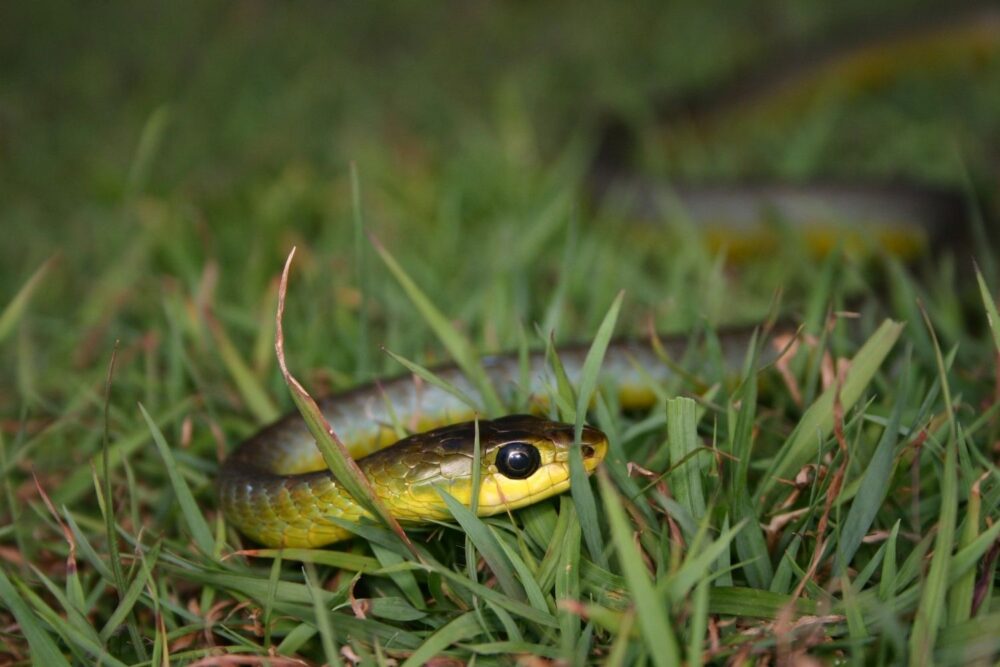
Wildlife specialists consistently point to one decision that makes the biggest difference. Choose to slow everything down instead of reacting fast. That means no running, no shouting, and no sudden gestures.
By staying still and increasing distance gradually, you give the snake space to retreat on its own. Most snakes will leave once they no longer feel threatened.
This choice works because it removes urgency from the situation. When both you and the snake are calm, the encounter usually ends without anyone getting hurt.
7. What to do if the snake does not move right away

Sometimes the snake will stay in place, especially if it feels exposed or cold. This can feel unsettling, but it does not mean it is preparing to attack. It often means it is waiting for things to feel safe again.
Keep your distance and avoid hovering nearby. Give it time and a clear exit path. Patience is safer than forcing the situation or trying to make it leave on your timeline.
8. Why tools and sticks are a bad idea

People often grab a broom, rake, or shovel thinking it gives them control. In reality, tools bring you closer and encourage the snake to defend itself. Many bites happen when people try to intervene this way.
Using objects can also injure the snake, which increases stress and unpredictability. Experts recommend never trying to move or pin a snake yourself, even if it looks small or slow.
9. When it is time to call for help

If the snake is near your home entrance, trapped, or refusing to leave, outside help is the safest option. Animal control or wildlife professionals have training and equipment designed for these situations.
Calling for help is not overreacting. It is choosing safety over pride. Professionals can relocate the snake without harming it or putting anyone at unnecessary risk.
10. How to reduce the chances of it happening again
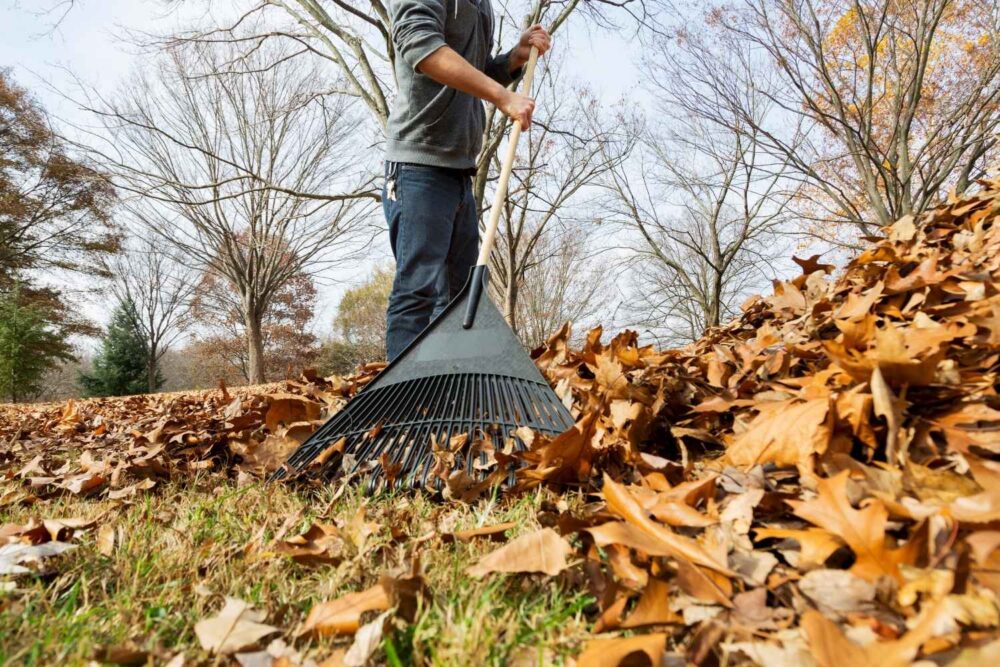
After the encounter ends, it is worth looking at why the snake showed up. Tall grass, clutter, water sources, and rodents all make yards more appealing to snakes. Small changes can lower future risk.
Keeping your yard trimmed, sealing gaps, and removing hiding spots helps discourage repeat visits. Prevention turns a scary moment into a lesson that keeps your space safer going forward.