
Helping a turtle cross the road safely starts with staying calm and knowing what to do
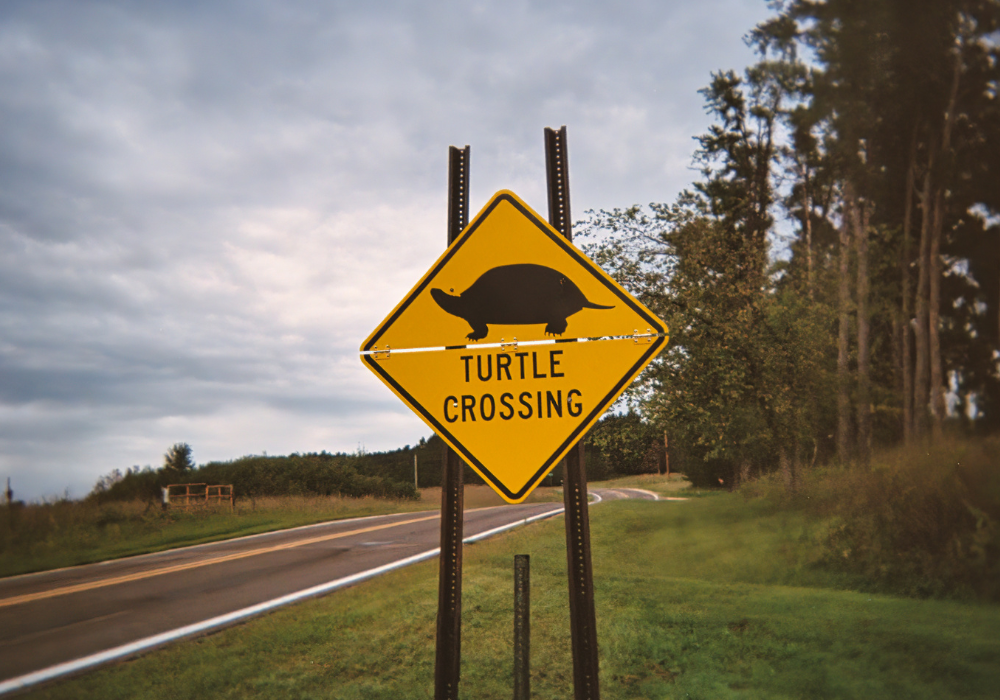
When turtles wander across roadways, a well-meaning rescue can sometimes cause more harm than good. Knowing how to step in safely protects both the animal and you. From the way you approach to how you lift and where you place them next, each step matters. With a few simple precautions, you can confidently assist a turtle without disrupting its journey, injuring it, or putting yourself at risk on the road.
1. Pull over safely and turn on your hazard lights.

Hazard lights signal your presence to other drivers and help prevent sudden swerves. Once parked on stable ground, shift into park and stay alert—turtles blend in with the pavement, especially mottled box turtles that vanish against asphalt like damp leaves.
Tugging over or swinging open your door without checking mirrors can startle nearby traffic or risk collision. A two-second scan of your surroundings buys real-time awareness, especially on two-lane roads where cars may round curves fast.
2. Check traffic in all directions before approaching the turtle.

Highways, residential streets, and even quiet country roads carry sudden risks. Before stepping onto pavement, scan for approaching cars from both directions—not just the one you came from—and glance behind in case a vehicle is coming up fast.
That quick check avoids letting rescue turn into hazard. Even well-meant action can become dangerous if you rush toward a spotted shell without noticing a passing cyclist or pickup veering wide around a blind turn.
3. Pick up the turtle gently using two hands near its shell.

Turtles carry weight low to the ground, and their shell distributes pressure evenly. Slide both hands underneath the sides of the shell, just ahead of the hind legs, avoiding the tail and limbs—they tuck in and may surprise you with a kick or scratch.
Grasp gently but firmly, holding low to avoid dropping it. A dry, dirt-coated box turtle shell may feel cool and gritty to the touch, steady in the palm like a smooth stone from a streambed.
4. Always move the turtle in the direction it was heading.

Turtles travel with purpose, often to reach food, water, or nesting spaces. Turning them around wastes energy and heightens confusion. They’ll simply attempt to cross again, creating repeat encounters with the road—and cars don’t always slow a second time.
Even if the opposite roadside looks more inviting, redirecting the animal may disrupt familiar paths or separate it from its home range. A painted turtle near wet ditches, for instance, may cross only to reach a specific shallows.
5. Never pick up a turtle by the tail or limbs.

The tail connects directly to a turtle’s spine and lifting it by that spot causes spinal damage. Likewise, grabbing the legs can injure joints and tear skin. Their limbs aren’t designed for suspension—they bear weight briefly, not while dangling.
A frightened box turtle may flail or urinate in response to pain. Handling it incorrectly risks serious harm to both species and self, especially if it squirms mid-lift and slips from your grip onto the hard road.
6. Keep your distance from snapping turtles and use a blunt object if needed.
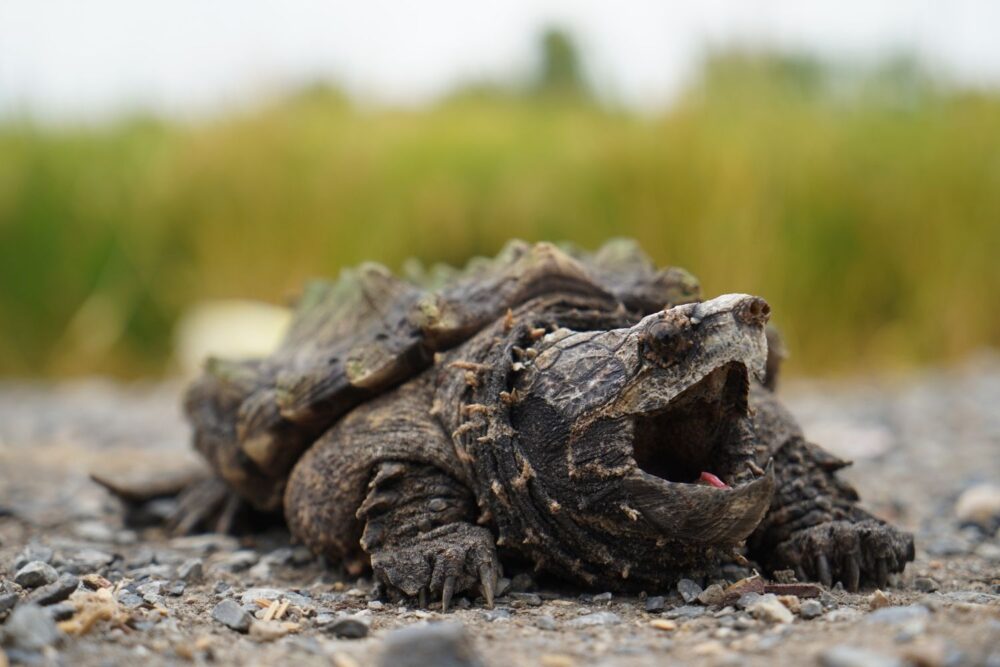
Snapping turtles carry sharp beaks, long necks, and strong reactions when cornered. Unlike box turtles, they don’t retreat into their shell but may hiss, lunge, or lash with their tails. A grown one often outweighs a bowling ball.
If contact is required, approach from behind and use a blunt object like a broom or sturdy branch to guide it forward. They’ll often walk away on their own if they don’t feel boxed in or grabbed.
7. Place the turtle well off the road before stepping away.

Once across, set the turtle gently on solid ground with space away from tire paths. Grass, gravel, or even packed dirt edges give them footing to keep going independently. Avoid placing it in tall weeds where it might become disoriented.
Step back calmly and wait a moment to ensure it resumes movement. A summer-warmed road can confuse or exhaust a turtle, so the quieter environment of a shaded embankment or leafy roadside may help it recover direction.
8. Wash your hands thoroughly after handling any wild animal.
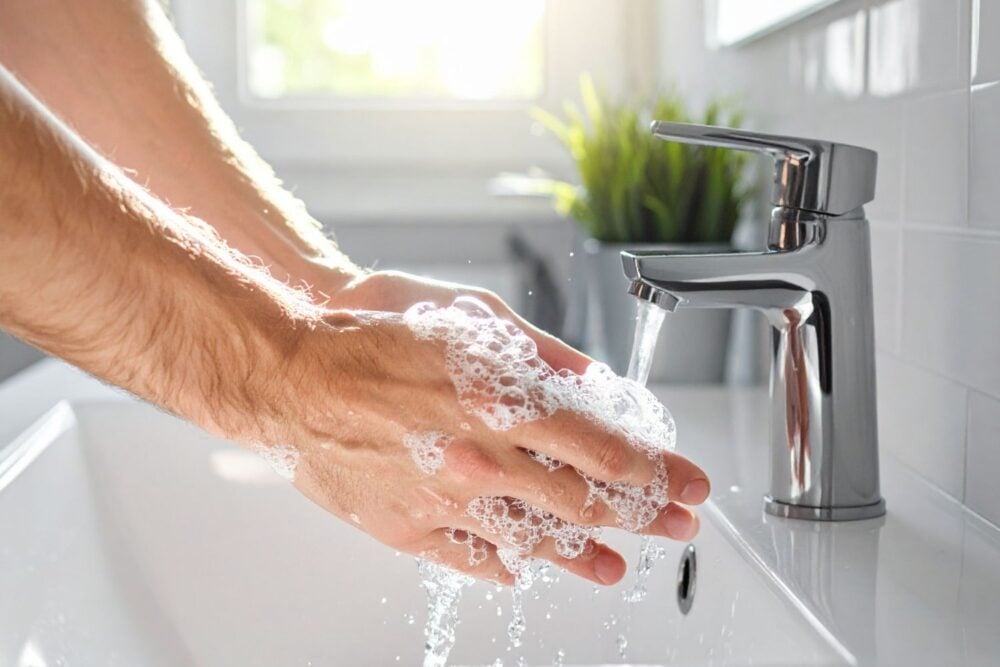
Some turtles, particularly snapping species or water-dwelling types, can carry bacteria like salmonella on their shells and skin. Even healthy wild turtles may pick up debris or parasites that aren’t visible during a brief rescue moment.
Avoid touching your face or eating right after interaction. Once done helping, wash hands with soap and running water—warm if available—or use sanitizer as a backup until a more thorough clean is possible.
9. Avoid relocating turtles far from where you found them.

Long-distance relocation disrupts turtles’ internal maps. Most species stay within a few acres, returning to the same upland spots or quiet creeks season after season. Moving them far from that range weakens survival and unravels years of known routes.
A box turtle removed from its forest edge might wander long stretches seeking its original territory. That search can lead to dehydration, stress, or renewed road danger while navigating unfamiliar terrain with unfamiliar threats.
10. Do not take turtles home as pets or move them to water.
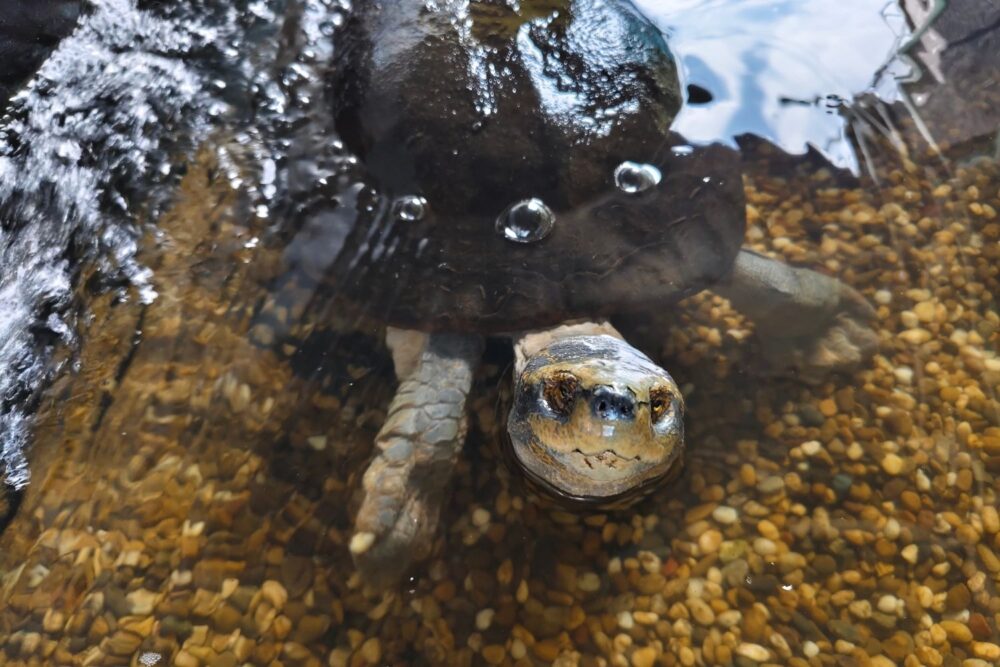
Wild turtles evolved with specific environments over time—sunlight angles, food types, shelter materials. Taking one home removes it from that balance and breaks laws in some regions. Pet turtles also need different care than most people assume.
A pond turtle released into a lake or home tank might stop eating or carry disease to other species. From the outside, they appear hardy, but even a short captivity may damage shell growth or behavior permanently.
11. Report injured turtles to a local wildlife rehabilitation center.
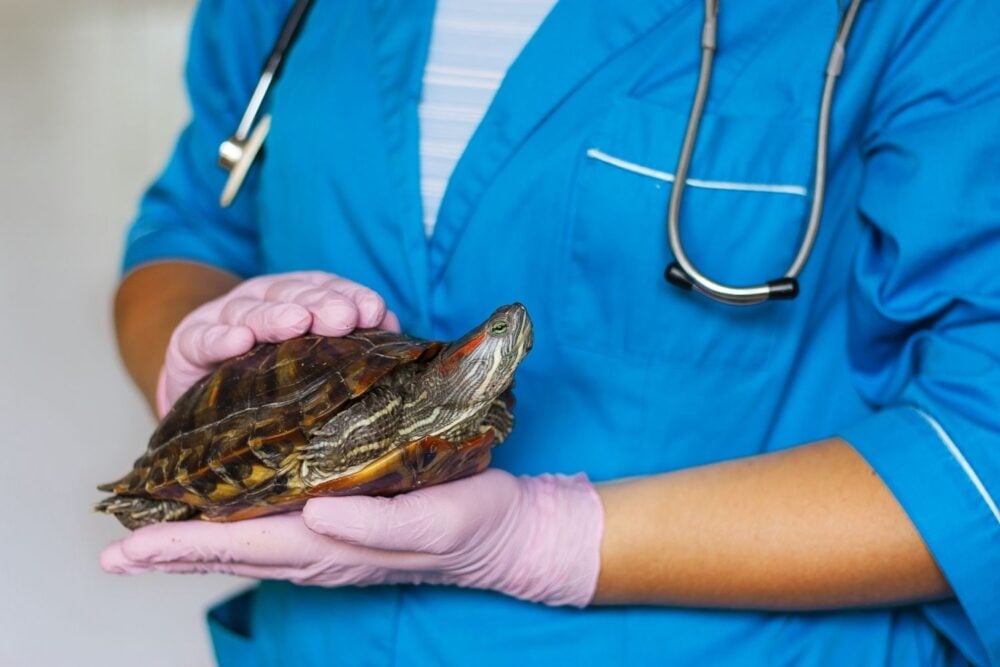
A turtle hit by a car may have cracks beneath its shell or hidden trauma. Rather than try first aid without training, call a local wildlife rehab center with experience in reptile care. Many accept drop-offs by appointment without requiring capture.
Include simple details like location, species if known, and signs of injury. A dented shell or bleeding limb may not be fatal if treated early, especially by professionals who know how to stabilize calcium damage or prevent infection.