
Scientists say fungi’s hidden underground networks could hold the key to healthier soils and stronger forests.
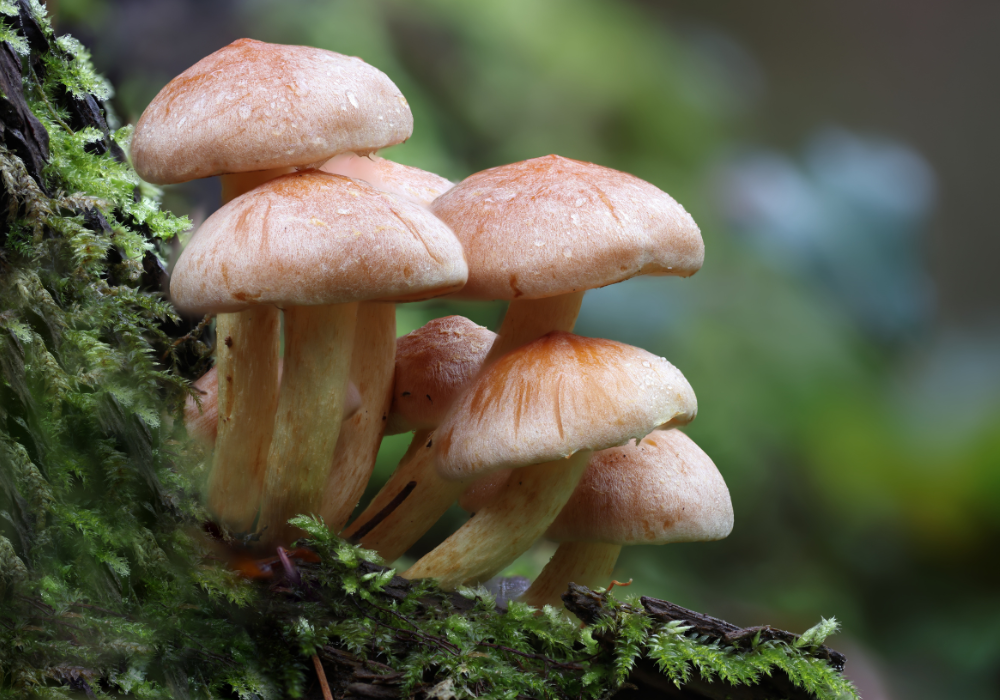
Deep beneath our feet, an ancient partnership between fungi and plants is showing new promise in the fight against climate change. Known as mycorrhizal fungi, these microscopic networks help trees share nutrients, build healthier soil, and lock away carbon. Scientists are now exploring how these hidden systems can be harnessed to restore damaged forests and boost ecosystem resilience. The findings suggest that one of the planet’s oldest life forms may offer vital solutions for its future.
1. The Ancient Alliance Beneath Our Feet
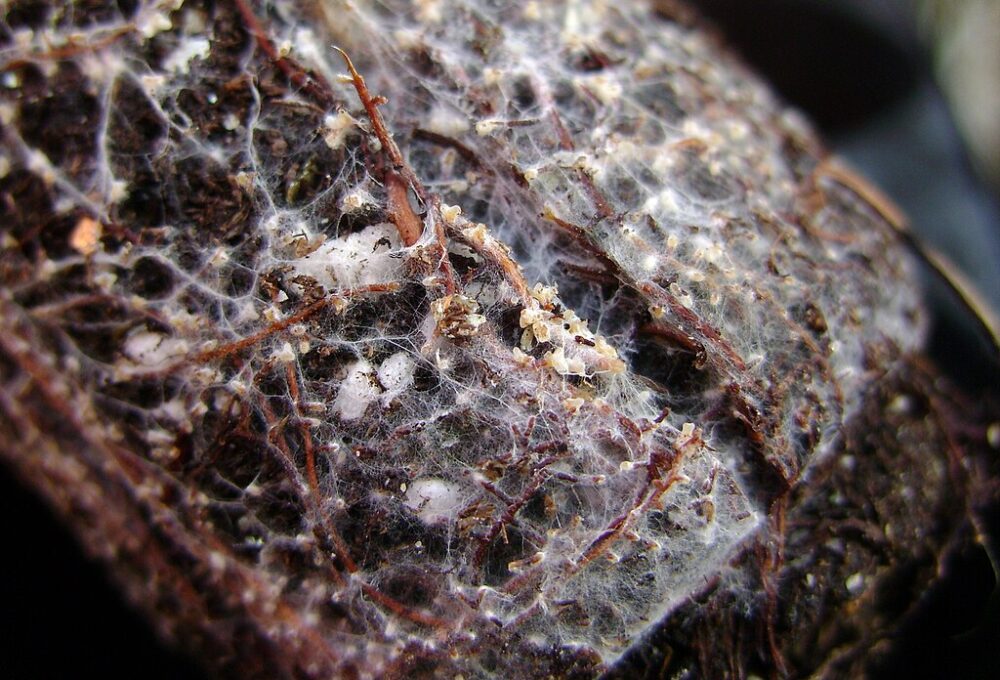
For over 400 million years, fungi and plants have lived in partnership. Known as mycorrhizal fungi, these organisms form networks of microscopic threads that connect plant roots to the soil. In exchange for sugars from plants, fungi supply vital nutrients like nitrogen and phosphorus.
This ancient alliance has shaped Earth’s ecosystems and continues to underpin modern forests. Without these fungal partnerships, many plants could not thrive, making fungi one of the most important—yet often overlooked—players in global ecology and climate stability.
2. Fungi Help Trees Share and Survive
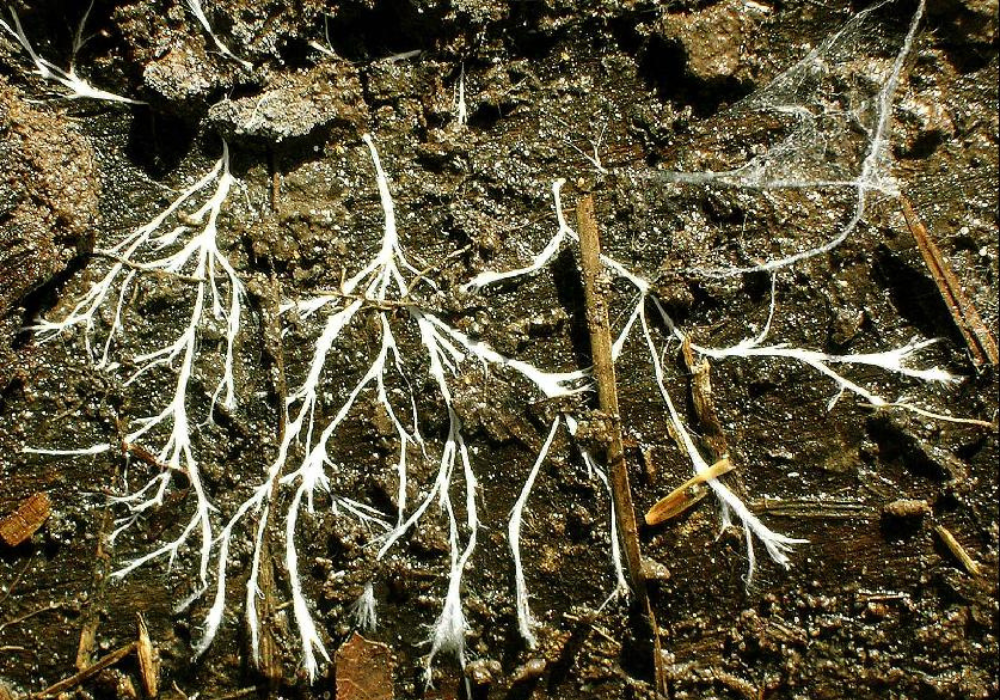
Research shows that fungi connect trees through underground “networks” that allow them to exchange nutrients and even chemical signals. Healthy trees can share resources with weaker ones, creating a kind of support system beneath the forest floor.
This cooperation helps entire forests withstand stress from droughts, pests, and poor soils. Instead of competing alone, trees linked through fungi often grow stronger together. Scientists believe this “wood-wide web” could be critical in restoring damaged forests and maintaining biodiversity.
3. Soil Health Is Central to Climate
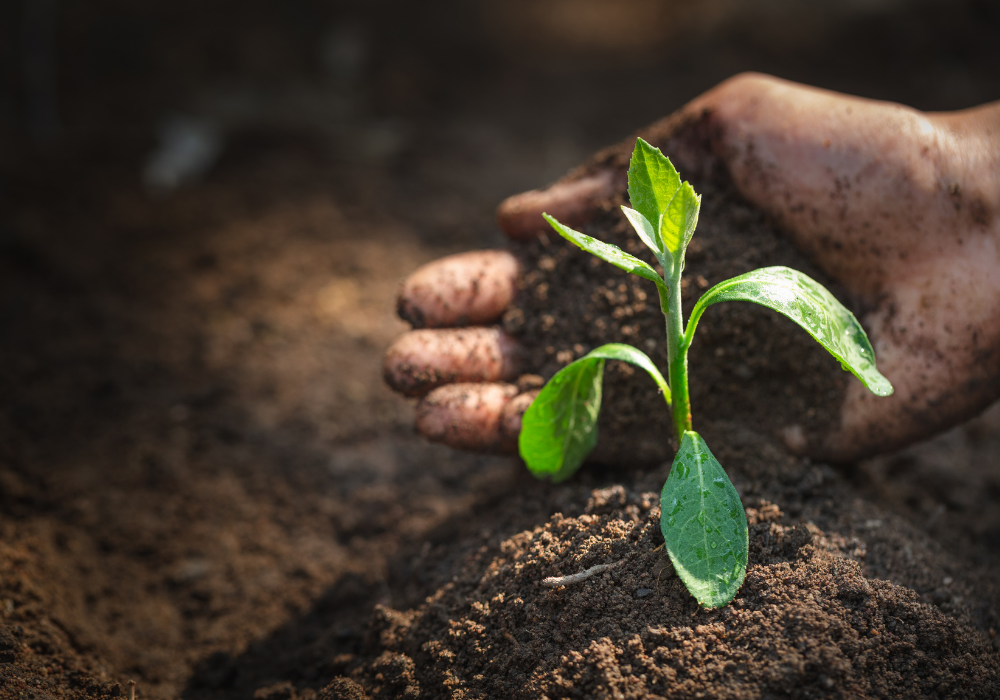
Healthy soils are essential for storing carbon, cycling nutrients, and supporting plant growth. When soils degrade, ecosystems lose their ability to regulate water, capture carbon, and sustain life.
Fungi play a crucial role by breaking down organic matter and enriching soils with nutrients plants need. Their underground networks help stabilize ecosystems from the ground up. Restoring soil health with fungi could therefore be a powerful tool for combating climate change and safeguarding food and forest systems.
4. Mycorrhizal Fungi Boost Carbon Storage
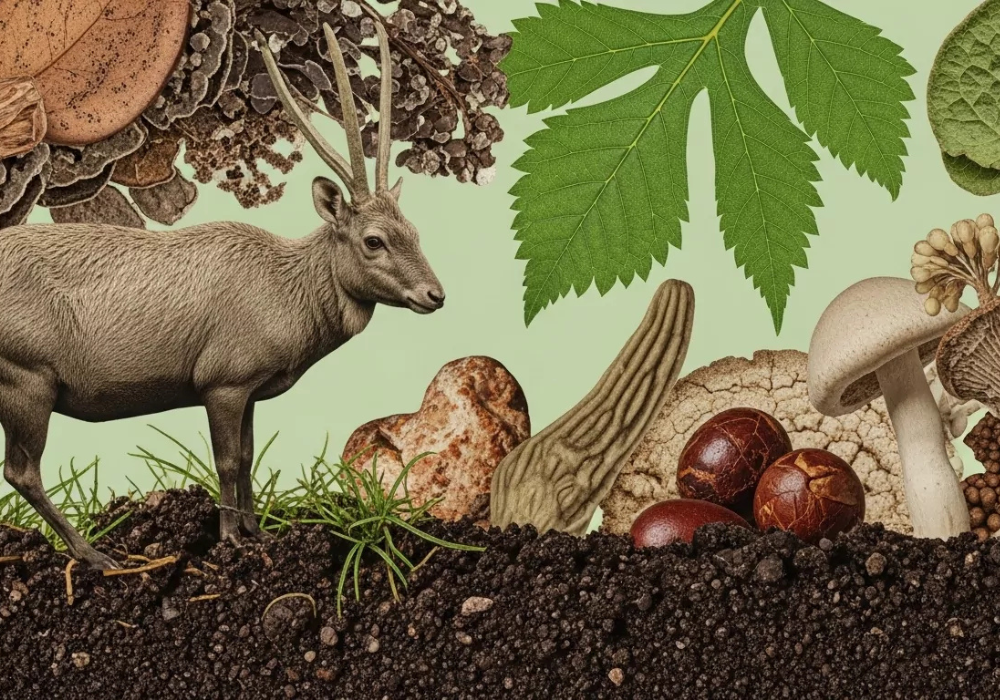
One of the most exciting discoveries is fungi’s role in carbon sequestration. By feeding on sugars from plants, fungi transport and store carbon in soils for long periods of time. This hidden process helps reduce the amount of carbon dioxide in the atmosphere.
Studies suggest that ecosystems with thriving fungal networks store far more carbon than degraded ones. Protecting and restoring these underground systems could therefore make a meaningful difference in global climate strategies, adding a natural solution alongside technological innovations.
5. Forest Restoration Gets a Fungal Boost
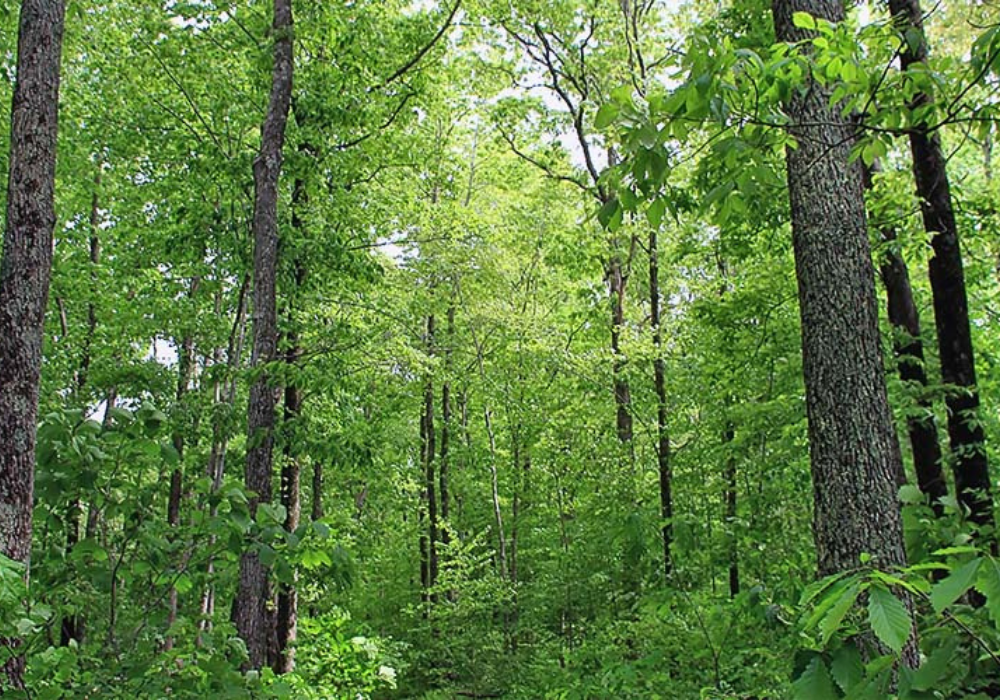
When restoring damaged forests, planting trees is not always enough. Without healthy fungal networks, many young trees fail to thrive because they lack critical nutrients. Scientists are now reintroducing mycorrhizal fungi alongside saplings to improve survival rates.
This approach mirrors the way natural forests regenerate. By rebuilding fungal partnerships, restoration projects can accelerate growth, stabilize soils, and create ecosystems that are more resilient. It highlights how even the smallest organisms can shape the success of large-scale environmental efforts.
6. Agriculture Can Benefit Too
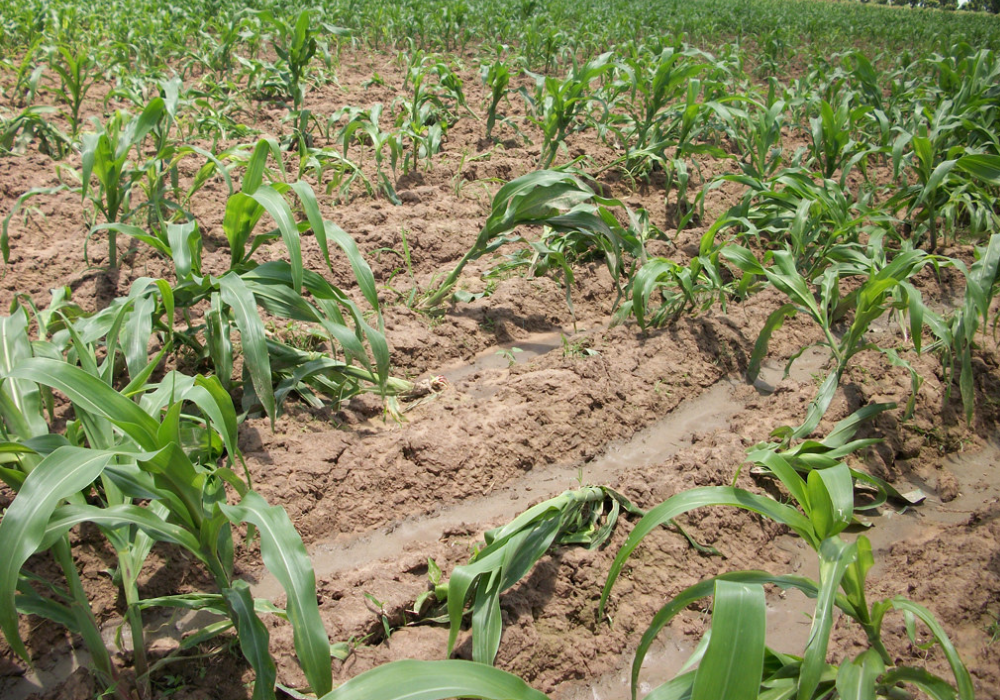
The benefits of fungi extend beyond forests. In agriculture, fungal partnerships improve crop yields, reduce the need for chemical fertilizers, and help soils retain water. This makes them especially valuable in regions facing drought or poor soil conditions.
By integrating fungal networks into farming, scientists hope to build food systems that are both productive and sustainable. Encouraging these underground alliances could cut costs for farmers, reduce pollution, and strengthen resilience against climate change impacts on global agriculture.
7. Fungi Offer Hope for Dry Regions

In arid areas, fungi can make the difference between life and death for plants. By extending root systems, they help plants absorb water and nutrients that would otherwise be out of reach.
This ability makes fungi vital for restoration in deserts or degraded lands. As climate change intensifies droughts, fungal partnerships could help stabilize fragile ecosystems. By reintroducing these hidden allies, scientists hope to restore not just forests but also grasslands and other vulnerable landscapes.
8. A Hidden Biodiversity Crisis Underground
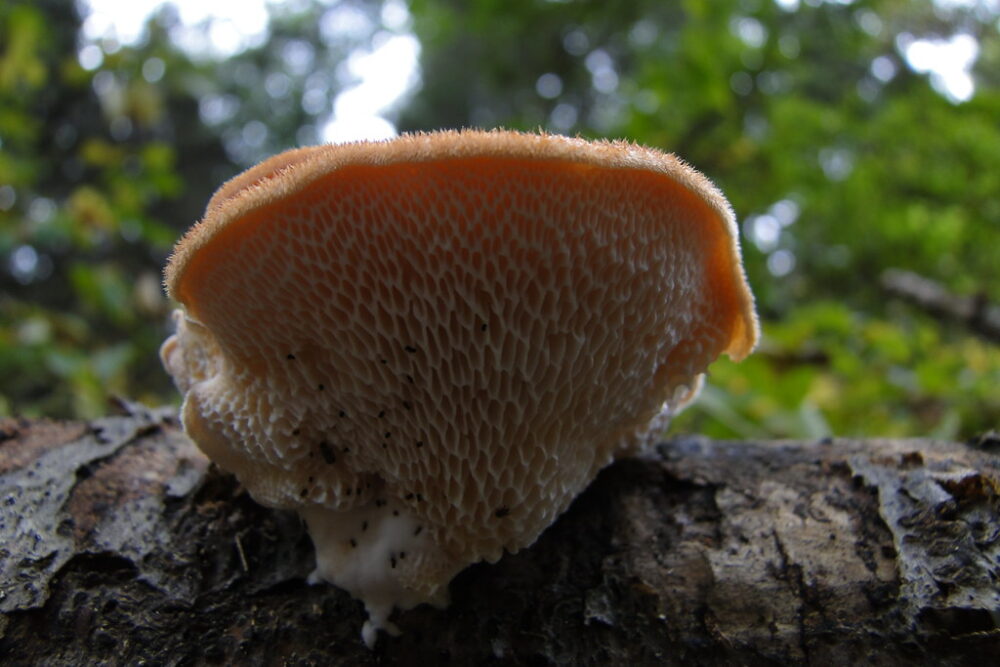
While much attention focuses on saving animals and trees, fungal biodiversity is also under threat. Land clearing, pollution, and climate change are degrading soils and reducing fungal diversity. This loss weakens entire ecosystems by cutting the connections between plants and soil.
Protecting fungi is therefore as important as protecting visible wildlife. Conservationists are calling for greater awareness of fungal biodiversity, emphasizing that these organisms are the foundation for many ecosystems and could be key to tackling the climate crisis.
9. Scientists Are Mapping Global Fungal Networks

To better understand their role, researchers are now mapping mycorrhizal networks worldwide. Using soil samples, genetic testing, and modeling, they are uncovering the scale and variety of fungal life.
These projects aim to identify regions where fungi are most at risk and where restoration could have the greatest impact. By creating a global picture, scientists hope to make fungi part of mainstream climate solutions, elevating them from an overlooked force to a recognized ally in ecological recovery.
10. Nature’s Oldest Partnership Holds Future Promise
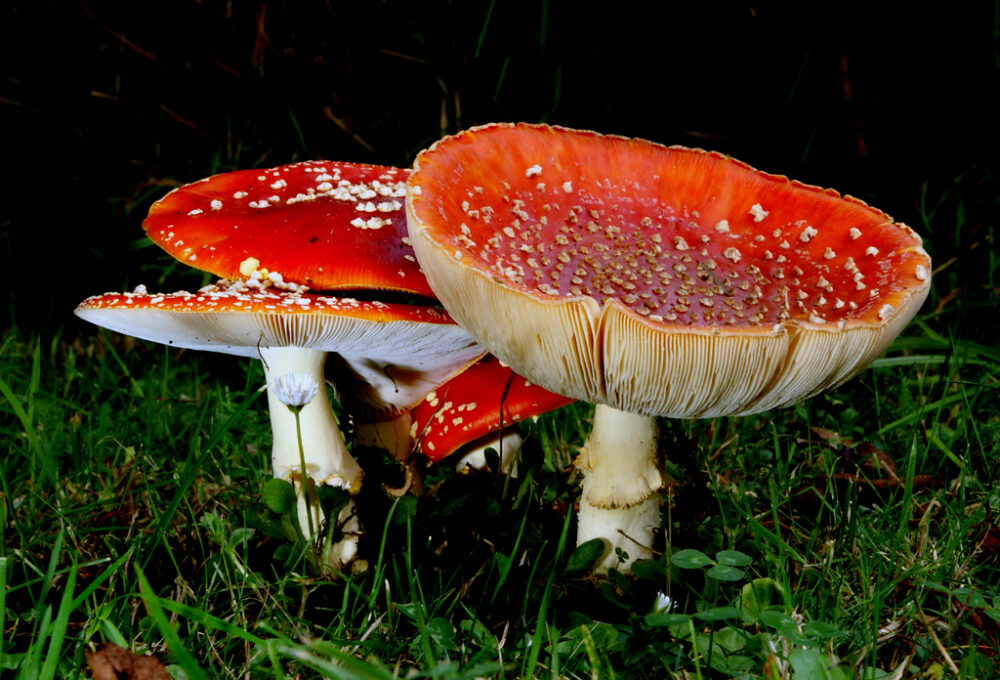
The partnership between fungi and plants is one of the oldest in Earth’s history, and it remains essential to the planet’s survival. From feeding forests to capturing carbon, fungi offer natural tools for solving today’s environmental challenges.
By restoring these hidden networks, humanity could accelerate forest recovery, stabilize soils, and strengthen resilience against climate change. The message from scientists is clear: if we want to protect the future, we must also look underground, where fungi quietly sustain life.