
Scientists used a tiny fragment of Sitting Bull’s hair to authenticate a living descendant, solving a 100-year family mystery.
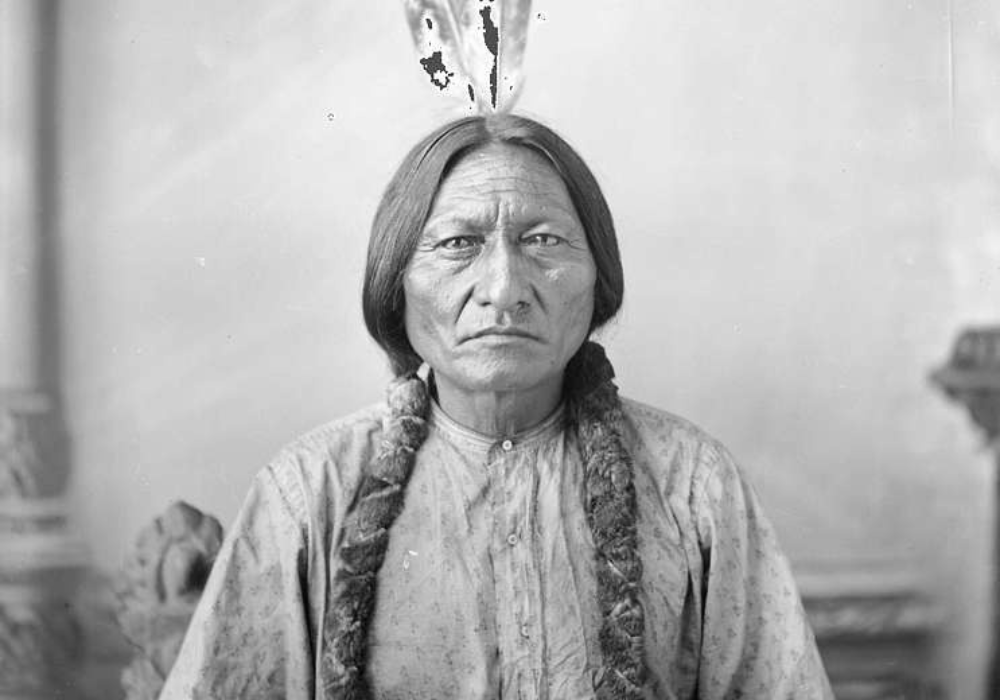
A groundbreaking DNA analysis has finally confirmed a modern-day descendant of Sitting Bull more than a century after the Lakota leader’s death. Scientists were able to authenticate the family connection using a small fragment of Sitting Bull’s hair that had been preserved for decades. By applying new genetic techniques designed for severely degraded samples, researchers successfully matched Sitting Bull’s DNA to that of Ernie LaPointe, who has long said he was the chief’s great-grandson. The finding not only validates family history but also marks a historic moment for Indigenous genealogy and scientific innovation.
1. A Hair Sample Made This DNA Breakthrough Possible
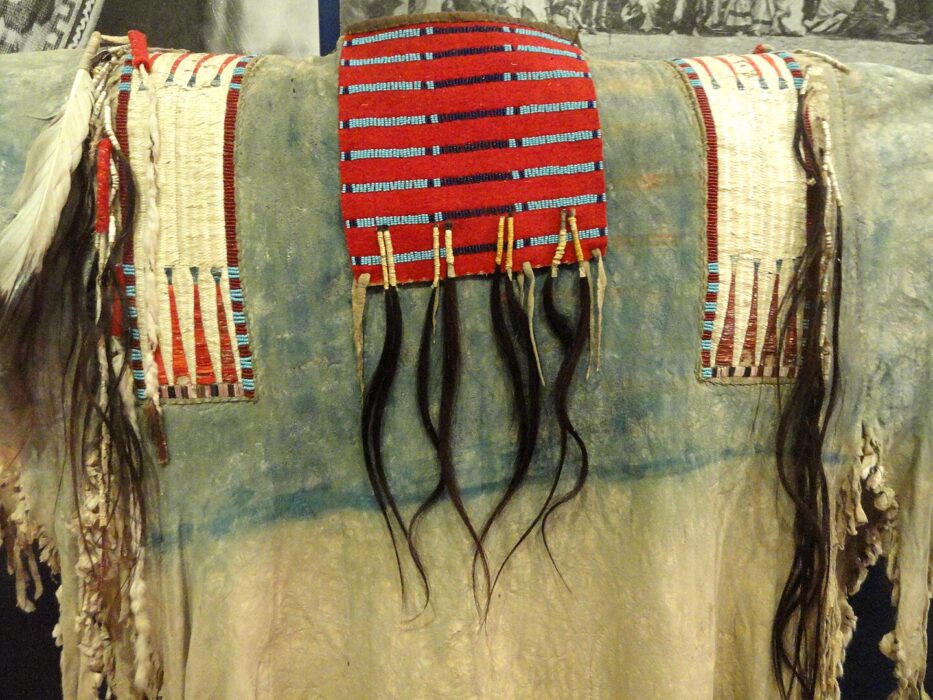
Researchers worked with a preserved lock of Sitting Bull’s hair that had been held in a museum collection for many years. The hair had deteriorated over time, which made traditional DNA methods nearly impossible to use. Scientists turned to newer techniques that can extract usable genetic material from highly fragmented samples.
Because the hair was one of the few remaining physical links to Sitting Bull, it offered a rare opportunity. The successful extraction of DNA proved that even severely damaged samples can still reveal genetic information when advanced methods are applied.
2. Scientists Developed a New Method to Analyze Ancient and Damaged DNA

To make the comparison possible, researchers created a technique that focuses on small, surviving segments of DNA rather than full genomic sequences. This approach works well for historic samples that have broken down over time. It allowed scientists to isolate enough genetic markers to compare Sitting Bull’s DNA with living relatives.
This method represents a major step forward for forensic science and anthropology. It opens the door to identifying historical individuals whose remains or personal belongings contain only tiny traces of genetic material that could not previously be tested.
3. The Study Confirmed Sitting Bull’s Relationship to Ernie LaPointe
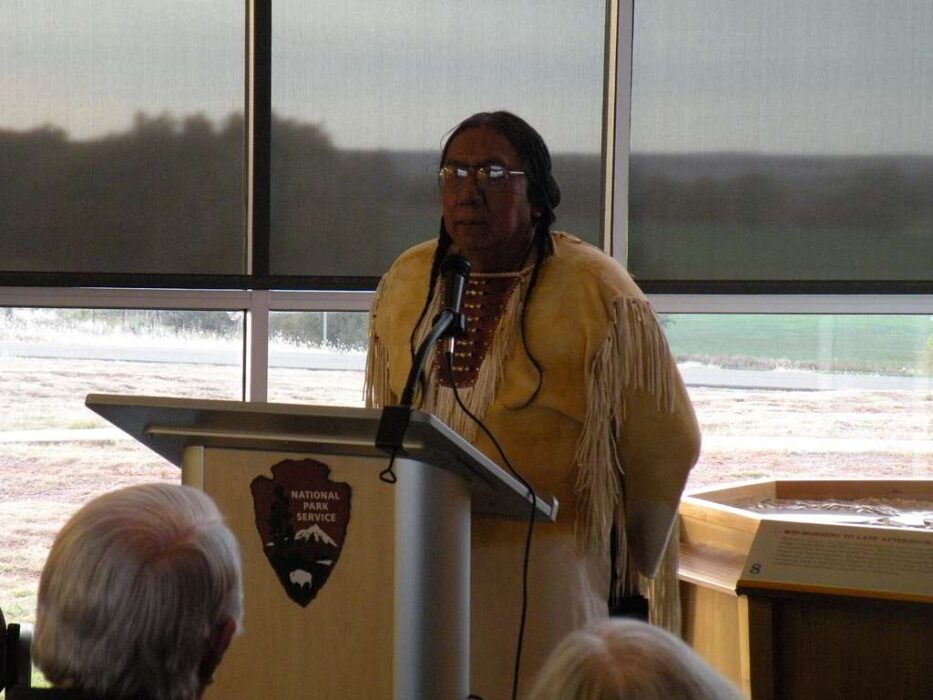
For years, Ernie LaPointe and his family said they were direct descendants of Sitting Bull based on oral history and documented lineage. The new DNA analysis formally verified this connection. Researchers found enough shared genetic markers to show that LaPointe is indeed Sitting Bull’s great-grandson.
The confirmation carries important cultural weight. It validates the family’s long-standing claims and supports their role as caretakers of Sitting Bull’s legacy. The result also highlights how modern science can complement Indigenous knowledge and historical records.
4. This Is the First Time DNA Has Authenticated a Historical Native American Lineage
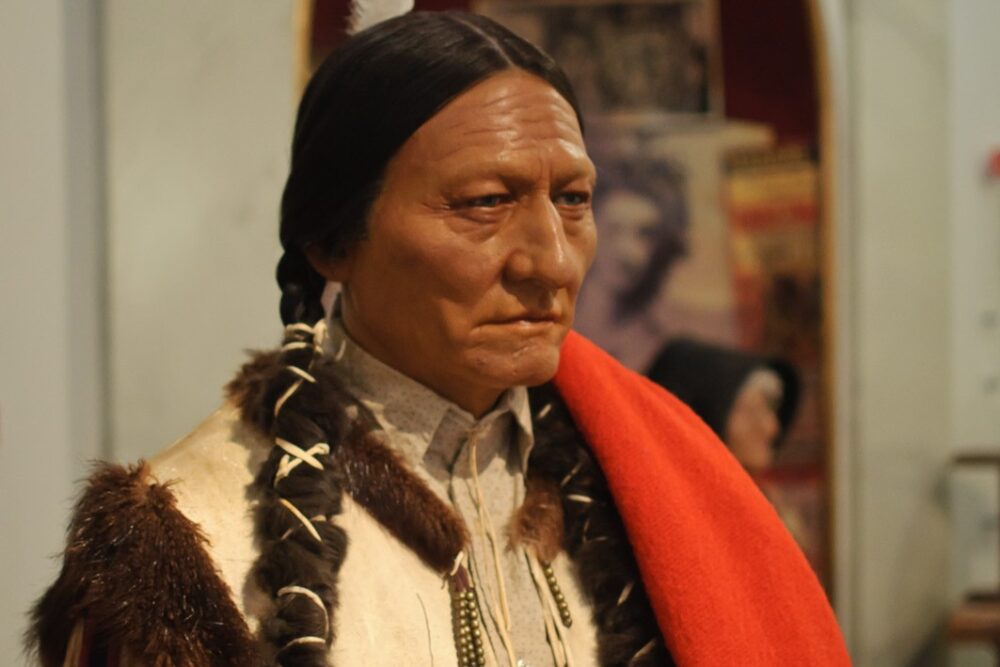
While DNA techniques have been used to study ancient remains, this case is the first example of genetic testing confirming a line of descent to a well-known Native American historical figure. It marks a significant achievement in both scientific capability and cultural collaboration.
Because many Indigenous artifacts and remains have been disturbed or removed, accurate identification is often difficult. This successful analysis demonstrates that respectful scientific partnerships can help reconnect families with their heritage in ways that were not previously possible.
5. The Findings Help Restore Sitting Bull’s Story Through His Family
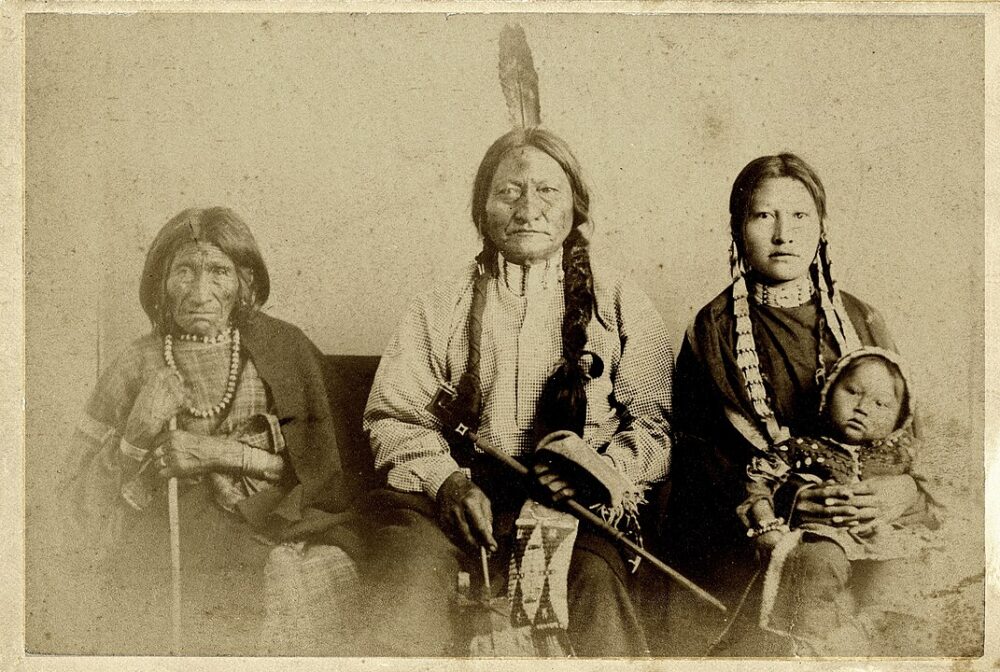
By establishing a confirmed descendant, researchers have strengthened the connection between Sitting Bull’s historical legacy and the present-day Lakota community. Ernie LaPointe and his family have worked for years to share Sitting Bull’s story, emphasizing his values, leadership, and resistance during a period of profound upheaval.
With DNA confirmation, their role as custodians of his memory gains added legitimacy. It ensures that future discussions about Sitting Bull’s life and burial will include the voices of those who are directly connected to him.
6. The DNA Match May Influence Decisions About Sitting Bull’s Final Resting Place
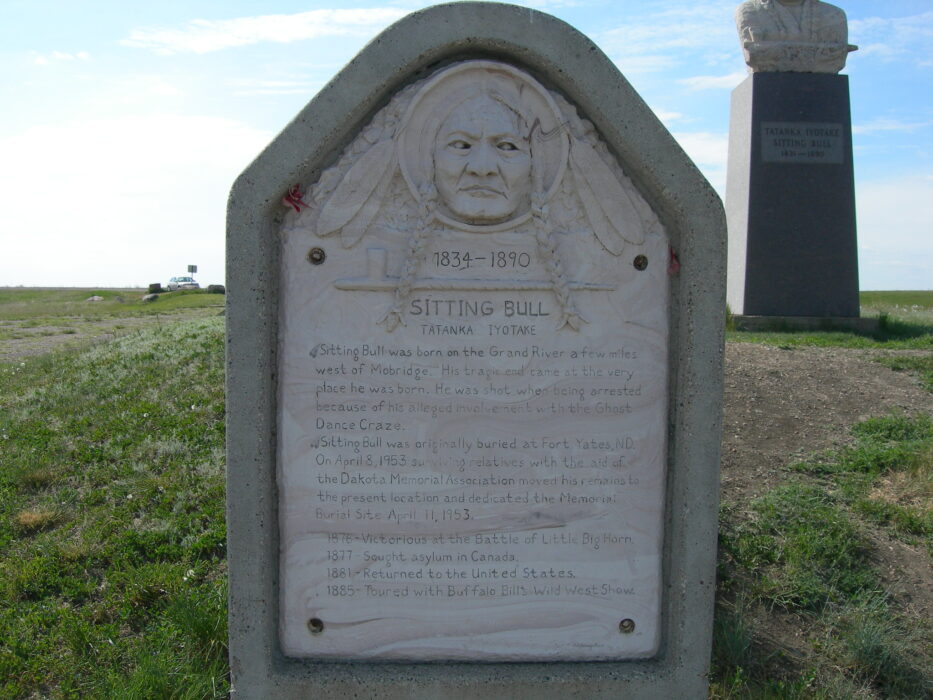
There has been long-standing debate about Sitting Bull’s burial site, with multiple locations claiming to be the true resting place. LaPointe has advocated for reburial in a location aligned with Lakota tradition and Sitting Bull’s wishes.
The genetic confirmation strengthens the family’s authority in any future decisions about repatriation or relocation. It gives them formal recognition as his closest living relatives, which may be important if legal or cultural questions arise concerning his remains or commemorations.
7. The Research Required Collaboration Between Scientists and Tribal Communities
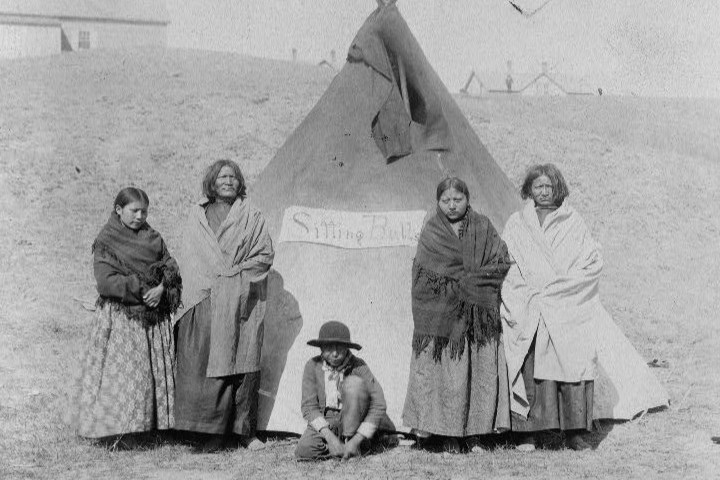
The study was completed with the involvement and consent of Sitting Bull’s family, a crucial factor given the sensitive nature of genetic research involving Indigenous individuals. The project emphasized ethical standards, respect for cultural traditions, and transparency throughout the process.
Such collaboration is essential for building trust in scientific research. It demonstrates that meaningful partnerships can honor both cultural values and scientific objectives, especially when dealing with historically significant figures like Sitting Bull.
8. The Successful Analysis Shows the Power of Modern Genetic Technology
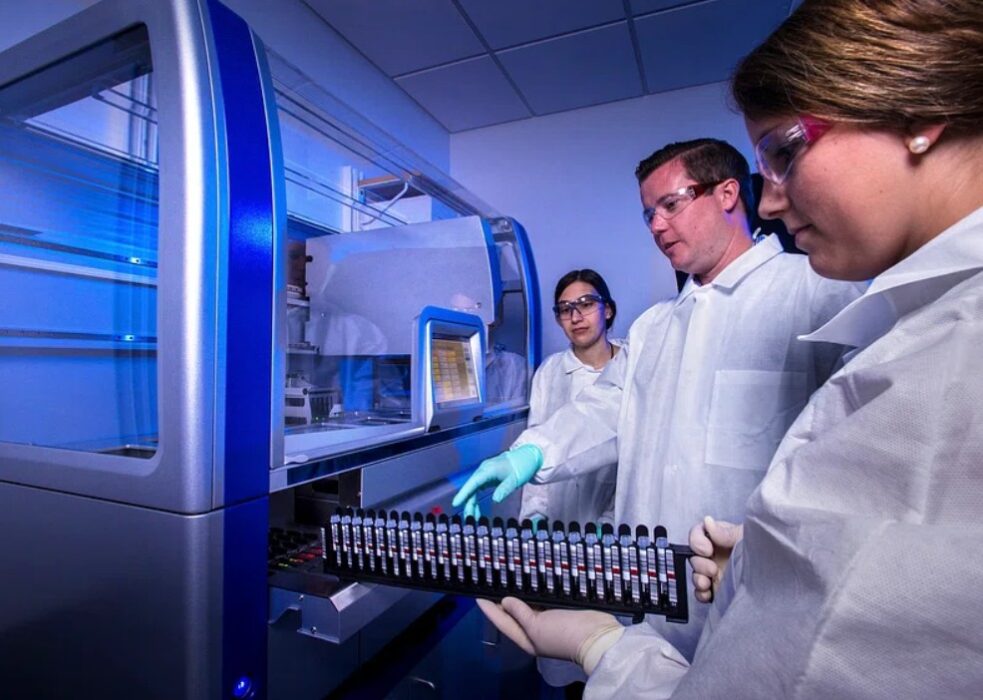
Extracting workable DNA from a century-old hair sample would have been impossible only a few decades ago. The technique used in this study highlights how far genetic science has advanced, particularly in reconstructing identity from minimal biological material.
These advancements open up possibilities for studying other historic individuals or resolving long-standing genealogical questions. The success of this project may inspire similar research efforts involving historical remains, museum artifacts, or family heirlooms.
9. The Project Demonstrates the Value of Oral History in Scientific Research
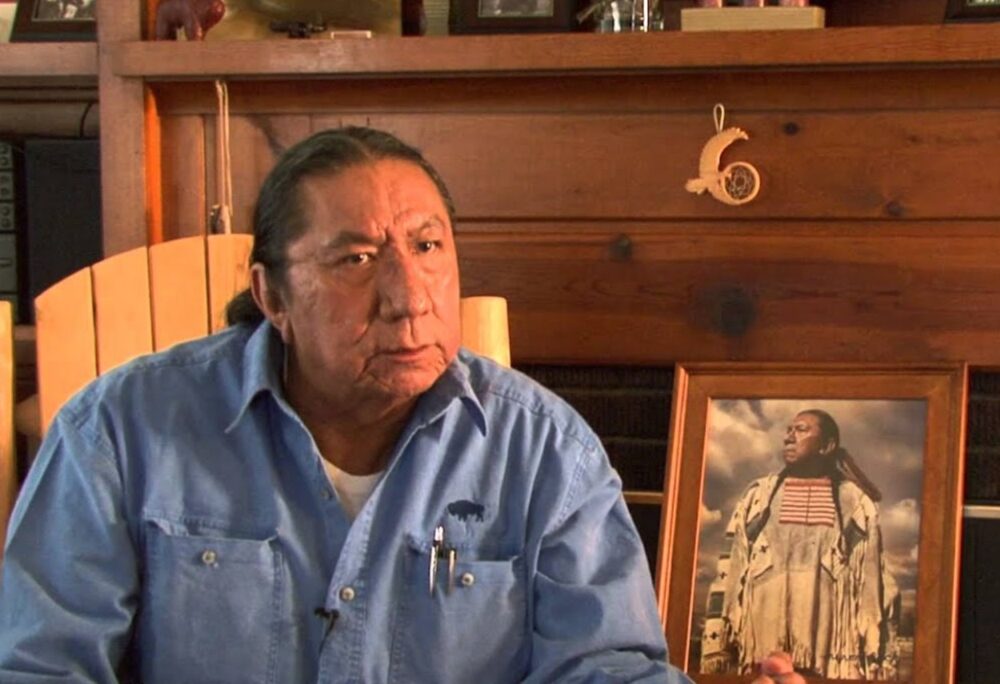
LaPointe’s family preserved the story of their link to Sitting Bull through generations. The DNA confirmation reinforces the accuracy and importance of oral tradition, especially in Indigenous communities where written records are limited or were disrupted by colonization.
Scientific evidence in this case did not replace oral history but validated it. This outcome highlights how traditional knowledge and modern science can work together to preserve heritage and bring clarity to historical narratives.
10. The Discovery Strengthens Understanding of Sitting Bull as a Historical Figure
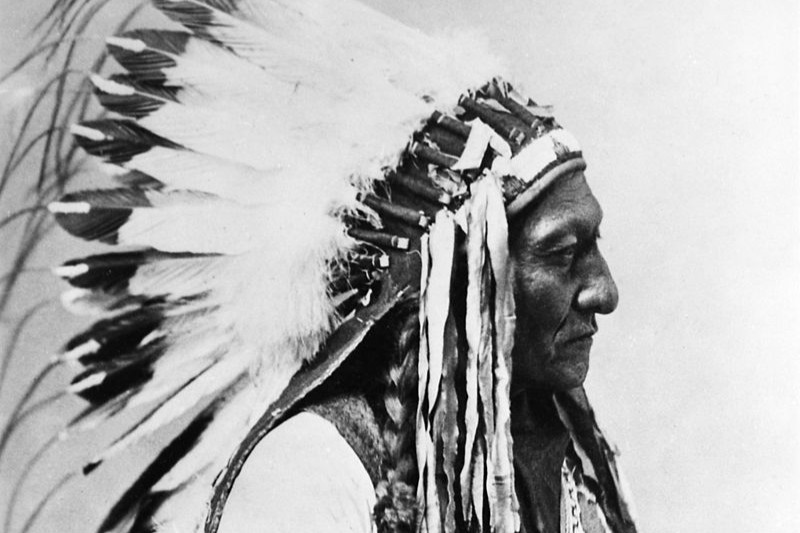
Sitting Bull was one of the most influential Native American leaders of the 19th century, known for his spiritual leadership and role in resistance movements during westward expansion. Confirming his family line helps personalize his legacy and connect it to living descendants.
This genealogical link provides a human dimension to historical accounts and ensures that his story continues to be told by those who have a direct stake in preserving it. It brings renewed attention to his life, values, and leadership.
11. The Breakthrough May Shape Future Studies of Ancestry and Heritage

Researchers believe the method used in this study could be applied to many other cases, including historical figures whose remains are poorly preserved. By identifying genetic relationships from tiny or degraded samples, scientists can answer questions that were previously unsolvable.
This could transform genealogy, archaeology, and cultural heritage research. The success of this project shows that even after more than a century, it is possible to reconnect people with their ancestors and honor their histories through science.