
These next-generation materials promise to make life stronger, smarter, and more sustainable.

From buildings that repair their own cracks to plastics that biodegrade like leaves, scientists are developing materials that sound straight out of science fiction. Advances in material science are driving innovations that could change how we live, build, and even heal. These new substances are lighter, stronger, and smarter — designed to solve some of the planet’s toughest challenges, from climate change to waste. As these futuristic materials move from the lab to the real world, daily life may never look the same.
1. Graphene offers exceptional strength and conductivity for innovative applications.

Graphene, a single layer of carbon atoms bonded in a hexagonal lattice, exhibits remarkable physical properties like exceptional electrical conductivity and tensile strength. Found in pencils as graphite, its two-dimensional form offers innovative solutions for electronics and energy storage.
Lightweight yet immensely strong, this material can potentially revolutionize industries from semiconductor manufacturing to aerospace. Researchers focus on scalability and economic production to unlock its full potential, hinting at a future where graphene-based technologies enhance everything from flexible smartphones to efficient solar panels.
2. Aerogels provide lightweight insulation with remarkable thermal resistance properties.

Aerogels, known for their ghostly appearance, are some of the lightest solid materials available. Composed of a gel where the liquid component is replaced with gas, they provide outstanding thermal insulation with minimal weight, resembling a fragile cloud.
Ideal for insulating buildings or aerospace systems, these materials can endure extreme temperatures without adding significant mass. Although they offer promising solutions, their brittleness challenges broader applications, prompting ongoing research to improve structural integrity without compromising their unique insulating capabilities.
3. Carbon nanotubes enhance durability and flexibility in modern composite materials.

Carbon nanotubes, composed of rolled graphene sheets, offer both strength and flexibility as advanced composite materials. Their molecular structure allows them to withstand heavy stress while maintaining their shape, making them useful in a wide range of applications from sports equipment to aerospace.
Despite their promise, large-scale production remains a hurdle due to the complexity and cost of manufacturing. As advancements in synthesis continue, these nanotubes may redefine the durability and performance of materials used in construction and electronics, ushering in lighter, stronger products.
4. Shape-memory alloys enable materials to return to original forms after deformation.
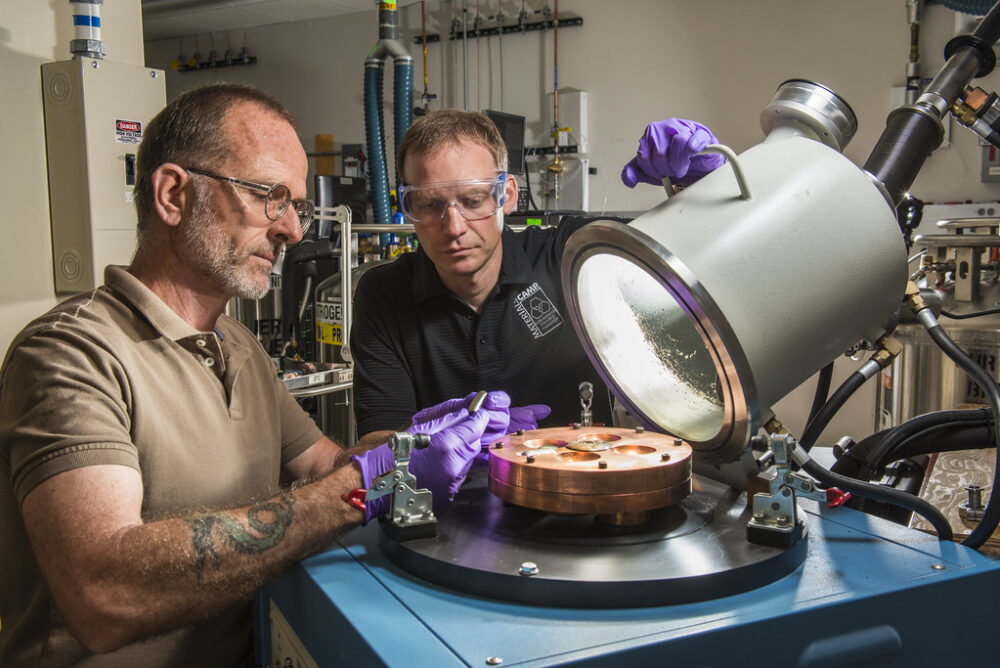
Shape-memory alloys, like nickel-titanium, can return to their original configuration when exposed to specific temperatures. This fascinating property helps create products that adapt to environmental changes, such as eyeglass frames that straighten when warmed.
Integrating these alloys into robotics and medical devices offers remarkable potential for responsive and adaptive designs. While promising, considerations such as cost and fatigue limit more widespread use, pushing engineers to experiment with new formulations for practical applications worldwide.
5. Biodegradable polymers reduce environmental impact while maintaining useful properties.

Biodegradable polymers break down naturally after use, reducing environmental impact without sacrificing functionality. Derived from renewable resources like corn starch or sugarcane, these polymers help preserve ecosystems by decomposing faster than traditional plastics.
Despite their eco-friendly appeal, the decomposition process varies significantly depending on environmental factors. Challenges in widespread adoption include balancing cost, performance, and degradation rate to ensure practicality. As technology advances, these polymers could replace conventional plastics in packaging and medical industries.
6. Metamaterials manipulate electromagnetic waves for advanced optical and communication uses.

Metamaterials possess engineered structures that manipulate electromagnetic waves, achieving effects not possible naturally. These include cloaking devices and advanced lenses. By designing materials with specific geometric patterns, scientists have unlocked new ways to control light and sound.
Applications extend to stealth technology and wireless communication improvements. However, creating efficient metamaterials involves intricate fabrication processes, which may limit immediate practical use. Continued research may soon yield breakthroughs, transforming both military and consumer tech landscapes.
7. Transparent aluminum combines clarity with extraordinary strength for versatile uses.

Transparent aluminum boasts a crystal-clear appearance coupled with impressive strength. Comprising a ceramic alloy of aluminum, oxygen, and nitrogen, it finds use in military and commercial applications as a durable alternative to conventional glass.
Ideal for protective armor and optical displays, its widespread adoption depends on resolving high production costs and processing challenges. As synesthetic techniques evolve, the material offers tempting alternatives in industries requiring both transparency and resilience, potentially altering architectural and engineering paradigms.
8. Hydrogels absorb and retain significant water amounts for medical and agricultural use.

Hydrogels, primarily composed of polymers, possess an uncanny ability to absorb and retain substantial amounts of water. This property is valuable in fields like medicine, where they aid wound healing, and agriculture, where they help manage soil moisture.
Beyond hydration, these versatile gels can deliver drugs or act as scaffolding for tissue engineering. While their benefits are vast, developing hydrogels tailored for specific tasks without compromising safety or efficacy continues to present intriguing challenges and opportunities for innovation.
9. Phase-change materials store and release thermal energy to improve energy efficiency.
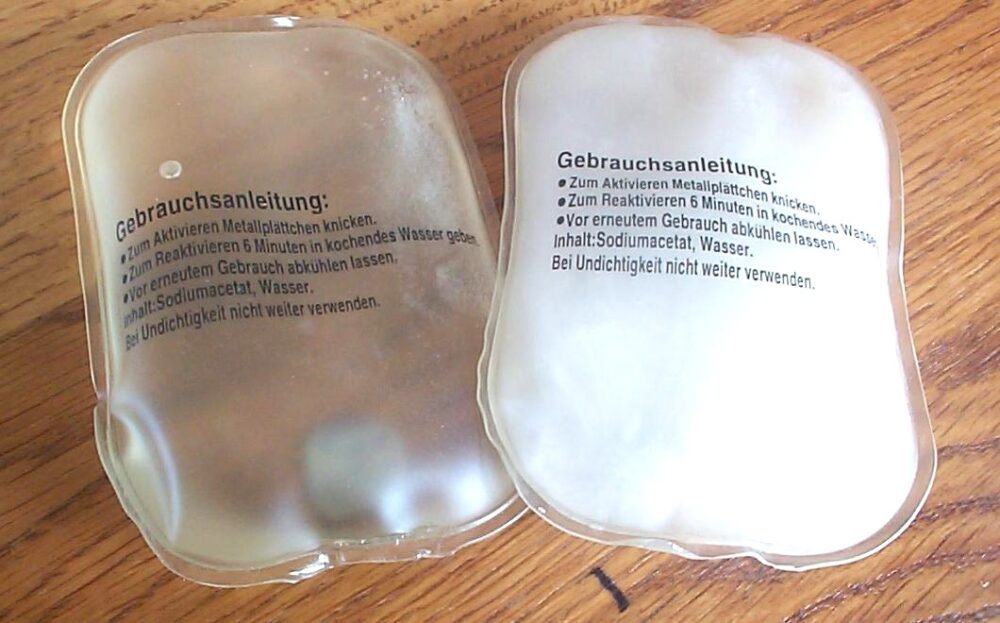
Phase-change materials absorb and release thermal energy, making them ideal for regulating temperature in building materials or textiles. These substances maintain a stable environment by storing heat upon melting and releasing it upon solidifying, enhancing energy efficiency.
Using these materials in windows or clothing helps create optimal conditions for comfort and sustainability. Notwithstanding their allure, optimizing their cycling durability and compatibility with existing systems requires further investigation, emphasizing the importance of a nuanced approach to widespread deployment.
10. Self-healing materials repair damage automatically, extending product lifespans naturally.

Self-healing materials autonomously repair damage, drawing inspiration from biological systems. Microcapsules or embedded networks containing healing agents activate upon stress, restoring structural integrity without external intervention, enhancing everything from electronics to concrete structures.
This regenerative capability drastically extends the lifespan of various products. Despite their promise, developing materials that address multiple types of damage while remaining cost-effective and adaptable to different environments remains a primary focus for researchers working toward broader adoption.