
A simple, unconventional production in 1965 unexpectedly turned into one of the most cherished holiday specials ever made.
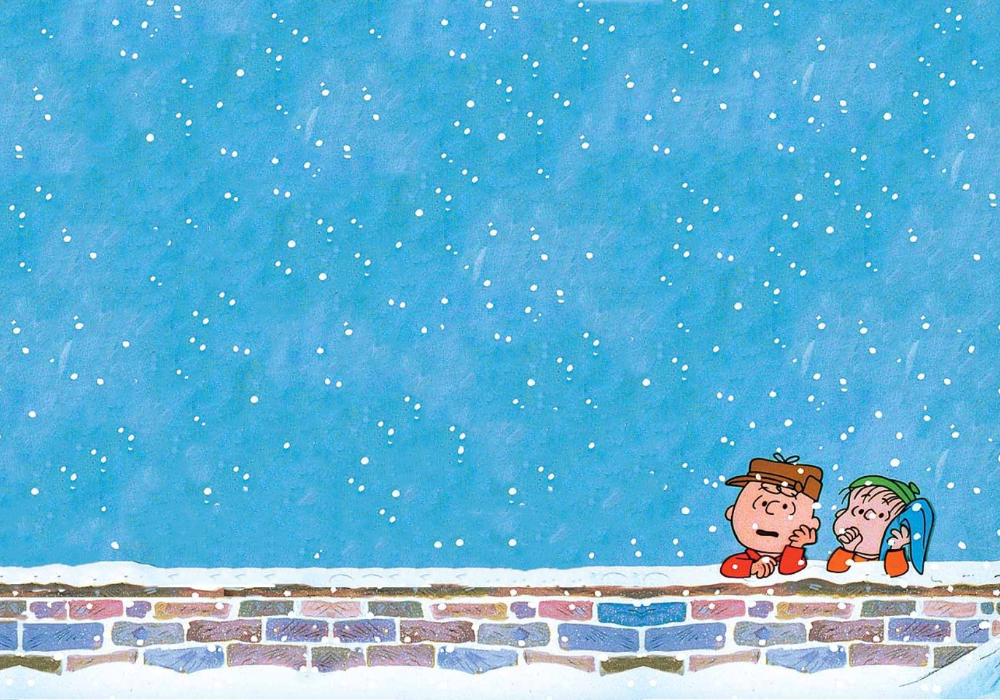
A Charlie Brown Christmas became a holiday legend, but almost everything about it broke the rules of television in 1965. From its jazz score to its child voice actors, the special went against industry advice at every step. Executives doubted it, producers worried audiences wouldn’t understand it, and even Charles Schulz knew it was a gamble. Yet the project pushed forward — helped by tight deadlines, creative instincts, and a remarkable amount of faith — and ultimately became one of the most beloved Christmas specials ever made.
1. The Special Was Rushed Into Production in Just Six Months

CBS approved the project in early 1965, leaving producers barely half a year to create a full animated holiday special. For a team that had never made a television cartoon before, the timeline was nearly impossible. Animators worked quickly, relying on simple drawings and minimal movement to meet the deadline.
Despite the rushed schedule, the team managed to finish the project on time, though they worried the final product looked too rough. Instead, the understated style became part of its lasting charm and helped distinguish it from flashier holiday programming.
2. Executives Hated the Idea of a Jazz Soundtrack

Vince Guaraldi’s jazz compositions are now one of the most recognizable parts of the special, but CBS executives were skeptical. Jazz wasn’t widely used in children’s shows, and executives feared it felt too sophisticated or somber for a Christmas program. They pushed for a more traditional soundtrack.
The creative team insisted that Guaraldi’s music captured the emotional tone of Schulz’s comic strip. The score was kept, and it ended up becoming one of the most celebrated holiday soundtracks of all time, influencing generations of seasonal music.
3. Using Real Children as Voice Actors Was Considered a Mistake

At the time, it was standard for adults to voice child characters in animation. CBS questioned the decision to cast actual children, some of whom were so young they couldn’t read their lines. Producers had to feed dialogue to them word by word, which slowed the process considerably.
In the end, the performances gave the special a natural, imperfect quality that matched Schulz’s vision. The slightly awkward delivery made the characters feel more authentic, helping audiences connect to them in a way traditional animation rarely achieved.
4. The Animation Style Looked Too Simple for Television
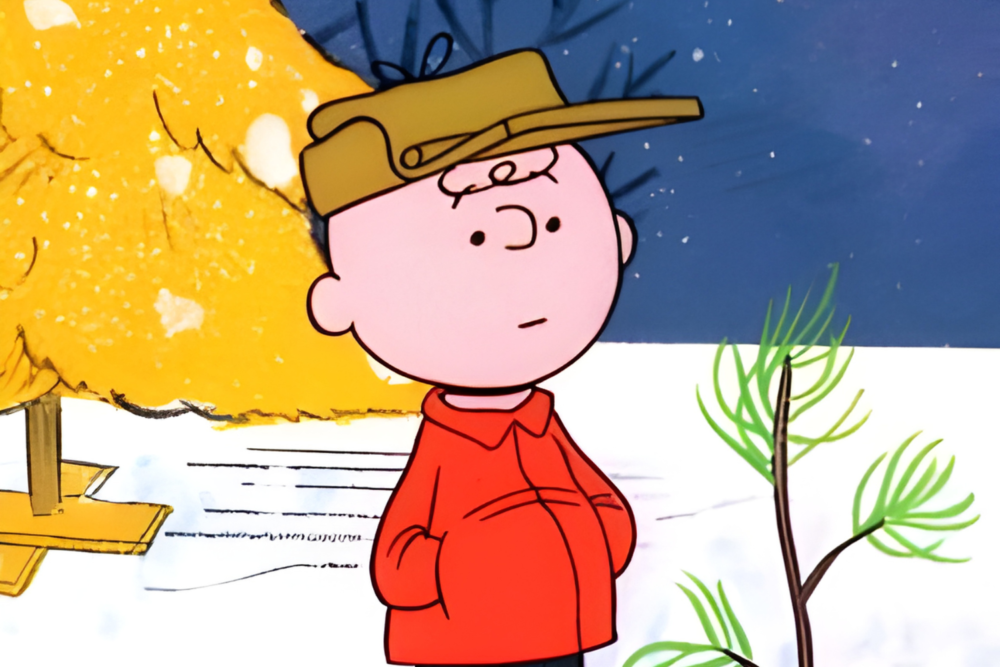
CBS was surprised by how plain the animation appeared. The backgrounds were sparse, and the movement was limited due to time and budget constraints. Executives feared viewers would see it as unfinished or low-quality compared to other animated specials.
But Schulz believed that simplicity was part of the Peanuts charm. The clean lines and quiet pacing created space for emotion and humor. Audiences embraced the minimalist style, proving that heartfelt storytelling mattered more than flashy visuals.
5. The Use of Linus’ Bible Passage Was Highly Controversial
Schulz insisted on including a passage from the Gospel of Luke, despite concerns from CBS that religious content might alienate viewers. Television networks rarely featured explicit scripture, especially in a primetime cartoon. Producers worried it could spark backlash.
Schulz refused to remove it, arguing it captured the true spirit of the holiday. When the special aired, the moment became one of its most iconic scenes, widely praised for its sincerity and emotional weight. It remains one of the most memorable lines in Christmas television history.
6. The Laugh Track Was Removed Against Industry Norms
Most animated shows in the 1960s used laugh tracks to guide audience reactions. CBS expected one to be included, but Schulz strongly opposed it. He felt artificial laughter would distract from the story’s quiet humor and emotional tone.
The absence of a laugh track gave the special a gentle, contemplative atmosphere that set it apart from typical children’s programming. Viewers appreciated the authenticity, and the decision influenced how future animated holiday specials approached storytelling.
7. The Network Predicted the Special Would Fail

After screening the completed program, CBS executives believed the special would likely flop. They found it too slow, too serious, and too unusual for mainstream audiences. Some even worried the meaning of the story might be too heavy for children.
However, they were already committed to a Coca-Cola sponsorship, so the special aired despite low expectations. To the network’s surprise, it drew nearly half of all U.S. television viewers that night and became an instant success, winning both critical praise and major awards.
8. The Anti-Commercialism Message Was Seen as Risky
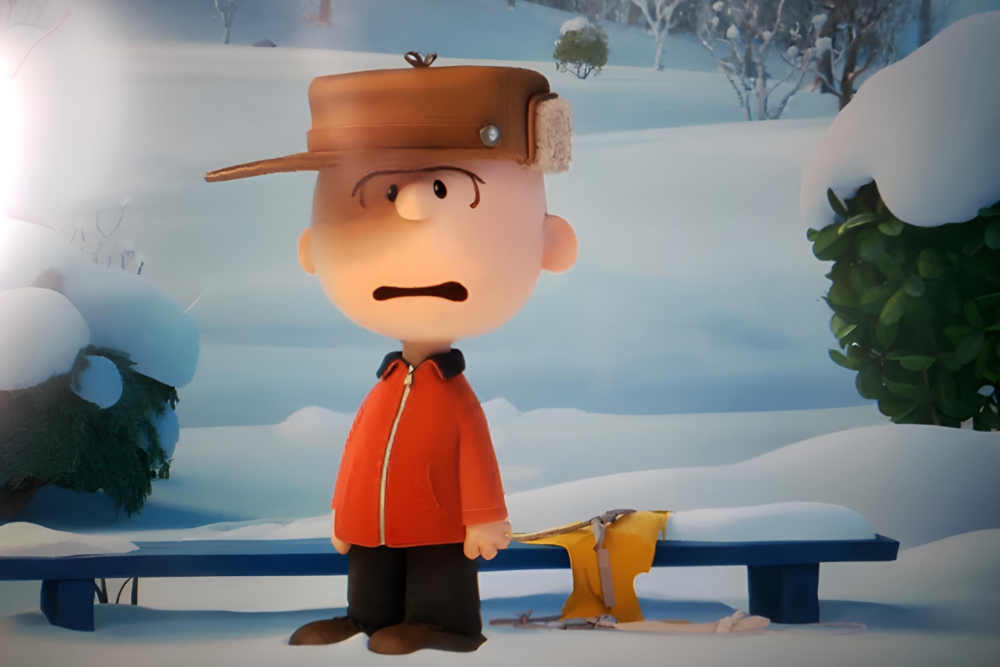
Schulz included themes criticizing holiday commercialization, a bold move for a program funded by a major sponsor. Some worried this might come across as hypocritical or be poorly received by viewers accustomed to festive, upbeat specials.
Instead, audiences connected deeply with Charlie Brown’s frustration and the story’s emotional honesty. The anti-commercialism theme became one of its defining features, reinforcing its place as a meaningful holiday tradition rather than just another seasonal cartoon.
9. Its Success Sparked an Entire Era of Animated Holiday Specials
The unexpected popularity of the program convinced networks and advertisers that animated holiday specials could succeed, even when they broke traditional rules. Its strong ratings encouraged the creation of more Peanuts specials and inspired other studios to experiment with seasonal programming.
Over time, A Charlie Brown Christmas became a benchmark for heartfelt, character-driven holiday storytelling. Its success helped shape the landscape of festive television for decades.
10. It Became a Cultural Staple Almost Immediately
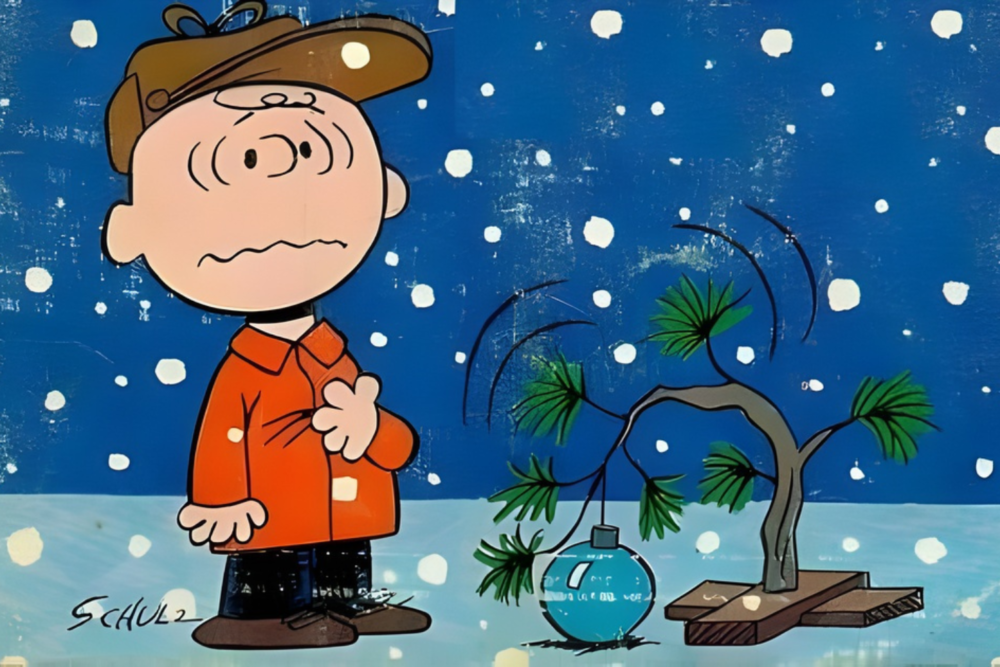
Despite initial doubts, the special won an Emmy and a Peabody Award soon after its release. Critics praised its sincerity, gentle humor, and willingness to address deeper themes. Families quickly made it an annual tradition.
Over the decades, its influence has only grown. The music, dialogue, and images have become iconic parts of American holiday culture. What began as a risky experiment is now considered one of the most important and enduring Christmas specials ever created.