
Space agencies are uncovering how alien worlds hold vital clues to Earth’s climate and evolution.
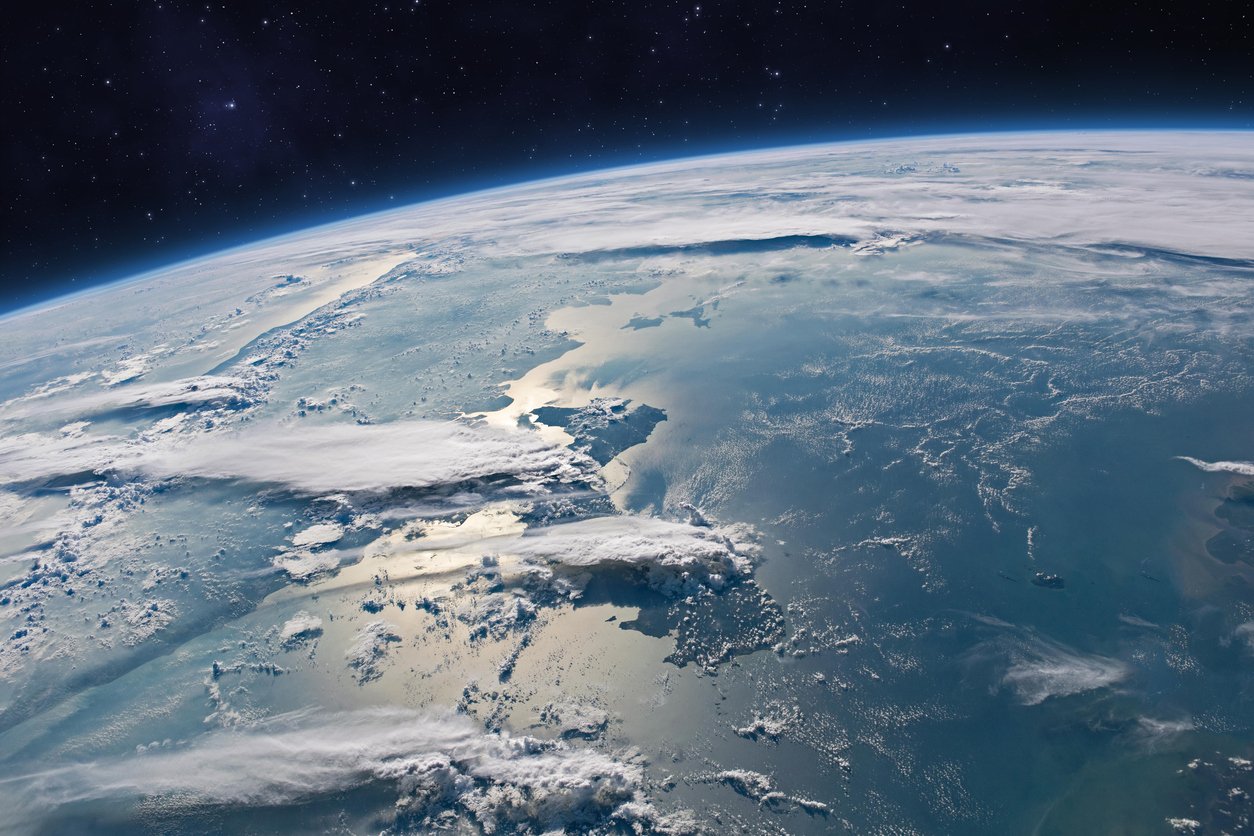
Studying other planets offers valuable insights into Earth’s environment and processes by highlighting both unique and shared phenomena. Through comparative planetology, space missions reveal how atmospheric conditions, magnetic fields, and geological activity operate across the solar system. This understanding helps scientists anticipate climate changes, geological events, and habitability factors on Earth. Leading organizations like NASA and the European Space Agency use these findings to enhance knowledge of our planet’s past, present, and future.
1. The delicate balance required to maintain planetary atmospheres.

Planetary atmospheres rely on a delicate balance of elements and conditions to sustain themselves. Space agencies study atmospheres on other planets to unravel how subtle changes can lead to significant shifts. A texture like Venus’s sulfuric clouds illustrates the complexity of atmospheric maintenance.
Tracing the atmospheric equilibrium on other planets uncovers crucial information about Earth’s own vulnerabilities. For example, the thin atmosphere of Mars shows what happens when protective layers are lost over time. Understanding these balances helps scientists predict Earth’s atmospheric changes and potential future challenges.
2. How climate cycles influence long-term environmental stability.

Climate cycles observed on distant planets offer insights into Earth’s historical and future climate patterns. For instance, Mars’s past climate shifts show how long-term stability can alter with environmental changes. Such planetary studies reveal the significance of resilient climate systems.
By examining other planets, scientists can evaluate how Earth’s climate cycles might ensure long-term stability. This knowledge assists in predicting possible shifts in environmental conditions, emphasizing the importance of understanding natural climate cycles in ensuring Earth’s environmental sustainability over time.
3. Geological processes that shape planetary surfaces over time.
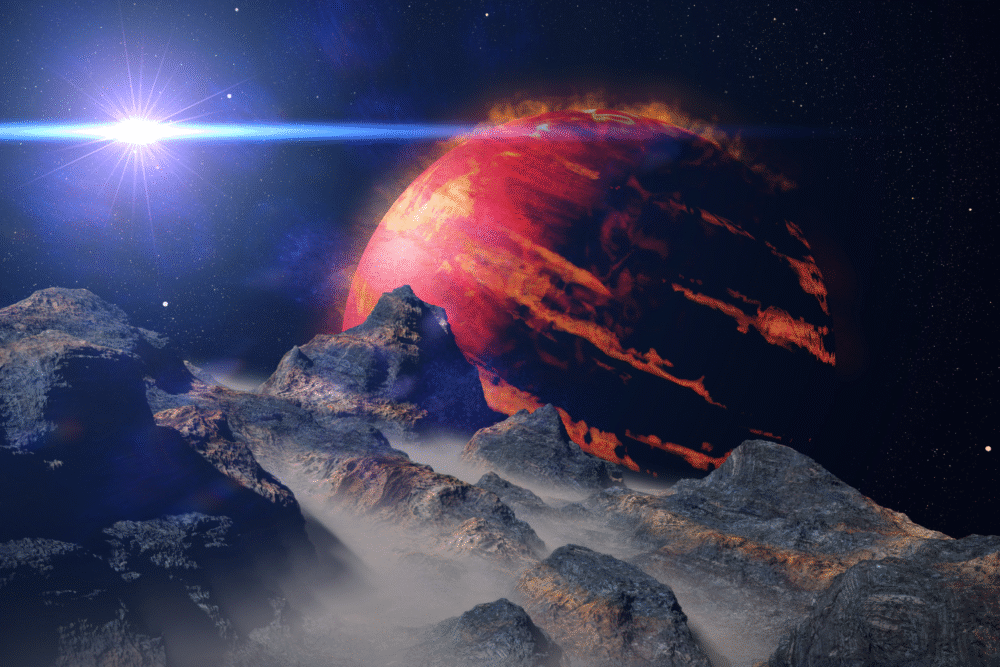
Geological processes shape the surfaces of planets through ongoing transformations. Space agencies analyze features like Mars’s vast canyons and Olympus Mons to understand geological activity. Such studies reveal a history of dynamic changes beneath planetary crusts that craft their landscapes.
Observations highlight how Earth’s own geological processes might evolve, driven by tectonic movements, erosion, and volcanic activity. Recognizing planetary surface changes helps refine theories about Earth’s geological history, predicting future shifts and understanding how similar processes might play out on our planet.
4. The impact of solar radiation on atmospheric conditions.
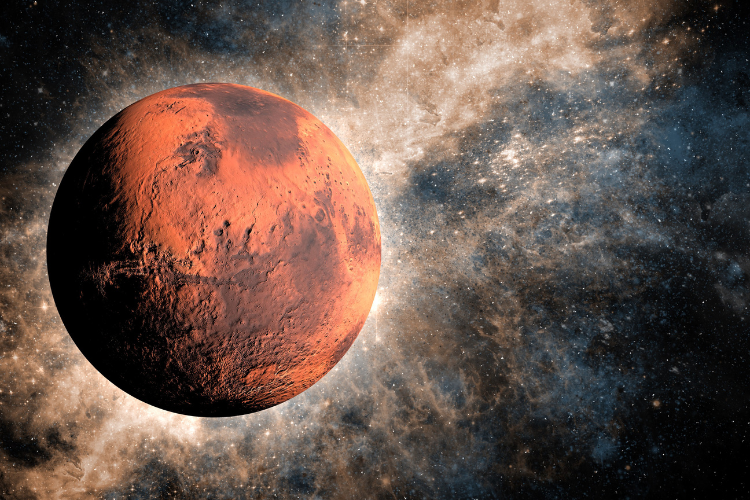
Solar radiation significantly influences planetary atmospheres, altering their conditions over time. On Mars, the lack of a thick atmosphere allows solar winds to strip away gases, providing analogous lessons on atmospheric protection. This illustrates the sun’s power in shaping an environment.
The study of solar impacts on other planets underscores the importance of understanding how radiation affects Earth’s atmosphere. Insights from such research aid in preparing for space weather events and cultivating strategies to protect our atmosphere from similar potential threats.
5. How magnetic fields protect planets from harmful space weather.
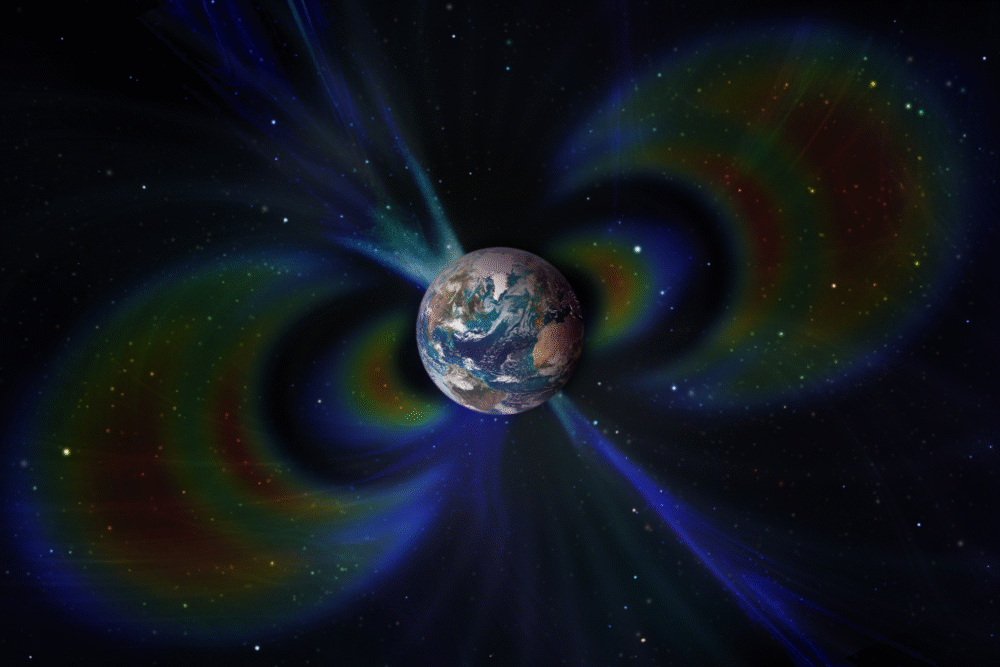
Magnetic fields are unseen shields guarding planets from harmful space weather. Mercury’s weak field contrasts with Earth’s robust magnetic layers, which deflect solar winds and cosmic radiation. This protective barrier plays a critical role in sustaining atmospheres and cooling planetary environments.
These contrastive studies emphasize the necessity of Earth’s magnetic field in preserving habitable conditions. Recognizing this protective function informs discussions about long-term habitability and emphasizes the need to monitor changes in our magnetic environment closely.
6. The ways volcanic activity affects air and soil composition.
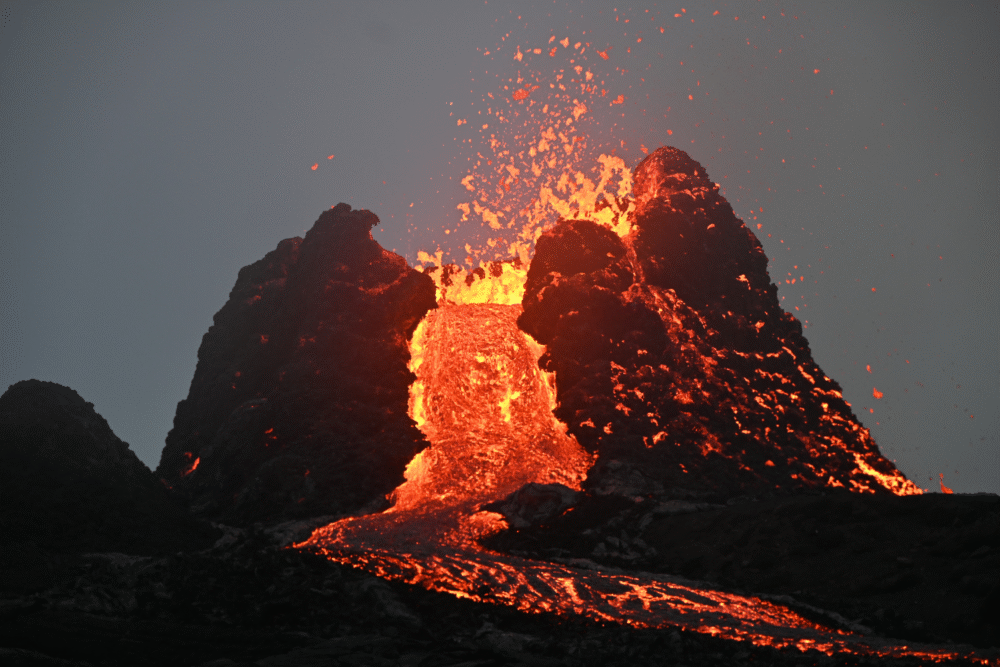
Volcanic activity on different planets illustrates powerful geological and atmospheric influences. Jupiter’s moon Io, with its persistent eruptions, demonstrates how volcanic gases and particles enter and shape environments. Such studies clarify the significant role of volcanism in atmospheric development.
Space agencies translate this understanding to Earth’s volcanic phenomena, observing how eruptions introduce gases and ash into atmospheres, altering climate and soil composition. These comparisons guide scientists in understanding Earth’s own volcanic-induced changes over time.
7. Signs of water presence to infer potential habitability factors.

Indicators of water presence on planetary bodies present clues about potential past habitability. Mars, with its polar ice caps and signs of ancient riverbeds, raises intriguing questions about water’s role in sustaining life. These signs offer a deeper investigation into habitability conditions.
Studying extraterrestrial water indicators helps frame our understanding of Earth’s own precious water systems. By examining these signs, scientists refine their understanding of necessary conditions for habitability, applying this knowledge to assess and protect Earth’s environmental resources.
8. Atmospheric gases to detect clues about biological activity.
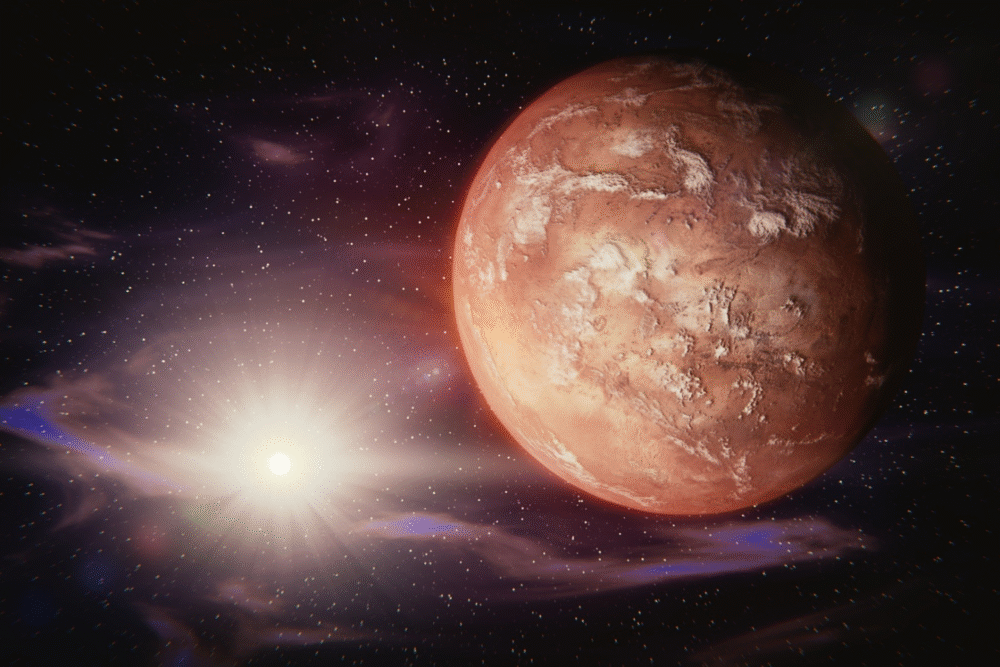
Atmospheric gases bear hints of biological activity and are meticulously studied across planets. The detection of methane on Mars sparks speculation about its origins, suggesting potential biological processes. Such observations compel exploration into the links between gas compositions and life.
This focus on atmospheric gases contributes to a broader understanding of how atmospheric changes might indicate biological activity on Earth. Discoveries assist in the search for life beyond Earth and offer fresh perspectives on identifying biosignatures in planetary atmospheres.
9. The role of planetary rotation in climate and weather patterns.
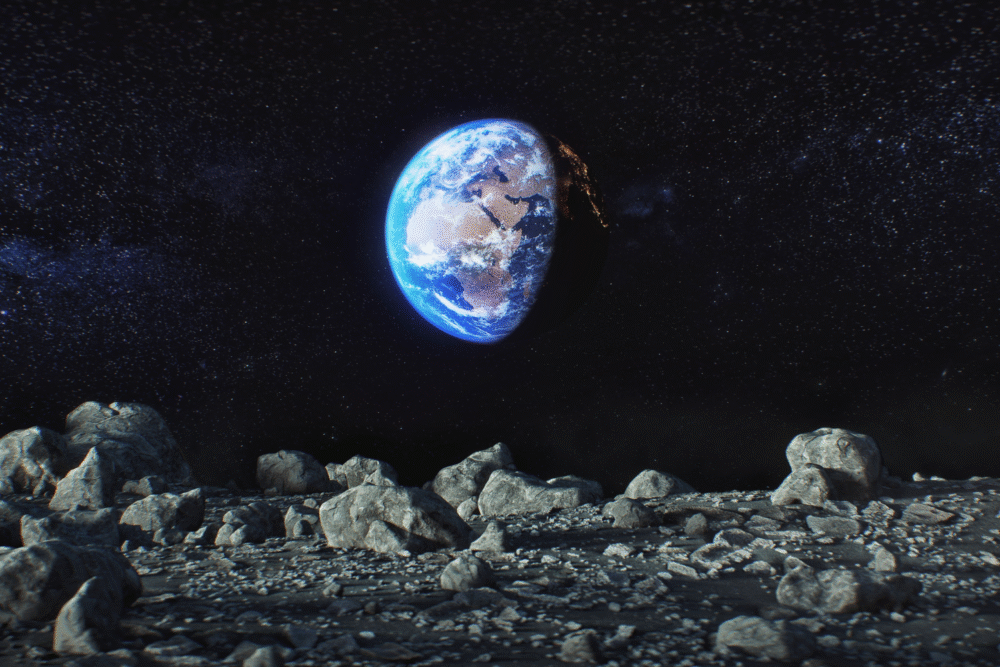
Planetary rotation influences everything from weather patterns to ecosystem maintenance. On Venus, slow rotation leads to extreme temperature variations, while Jupiter’s rapid spinning generates distinctive weather bands. These differences illustrate rotation’s impact on climate stability and atmospheric dynamics.
Understanding rotational dynamics aids scientists in deciphering Earth’s own atmospheric and climate patterns. By comparing celestial rotations, researchers gain insight into how Earth’s rotation contributes to climate regulation, affecting weather patterns and environmental stability.
10. Planetary temperature variations to grasp global warming risks.
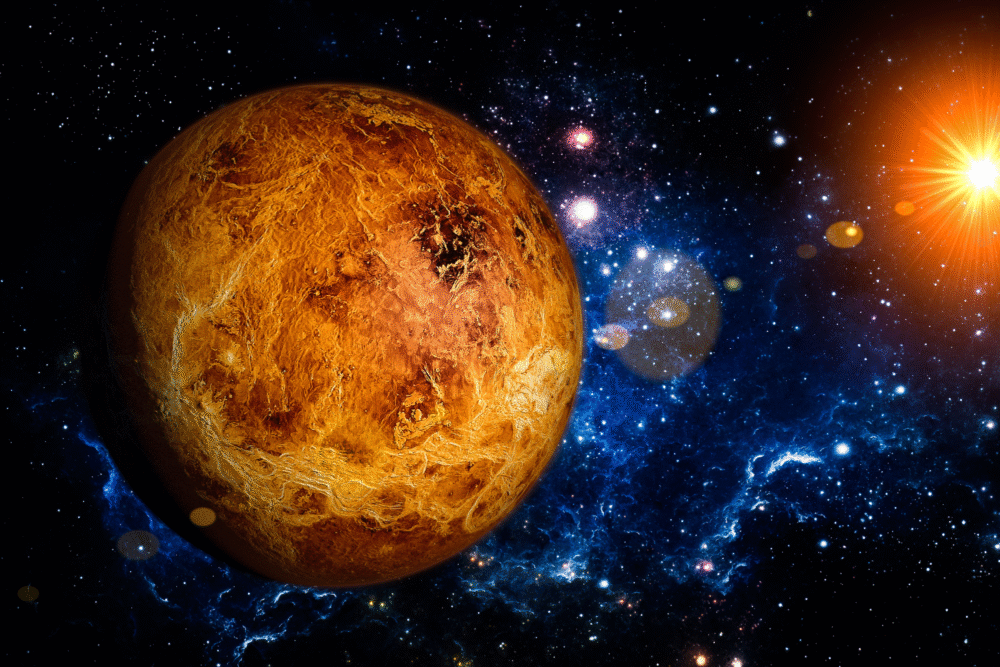
Planetary temperature variations offer perspectives on climate dynamics. Venus’s extreme heat contrasts with Mars’s frigid surface, emphasizing how environmental factors influence temperatures. These studies inform our grasp of global warming, illustrating the range of possible outcomes from climate shifts.
Understanding temperature variations across planets supports predictions about Earth’s future climate scenarios. By exploring these environments, scientists better comprehend global warming risks, strengthening models to anticipate potential changes and encouraging strategies to meet such challenges.
11. Dust storms and their effects on surface and atmospheric dynamics.
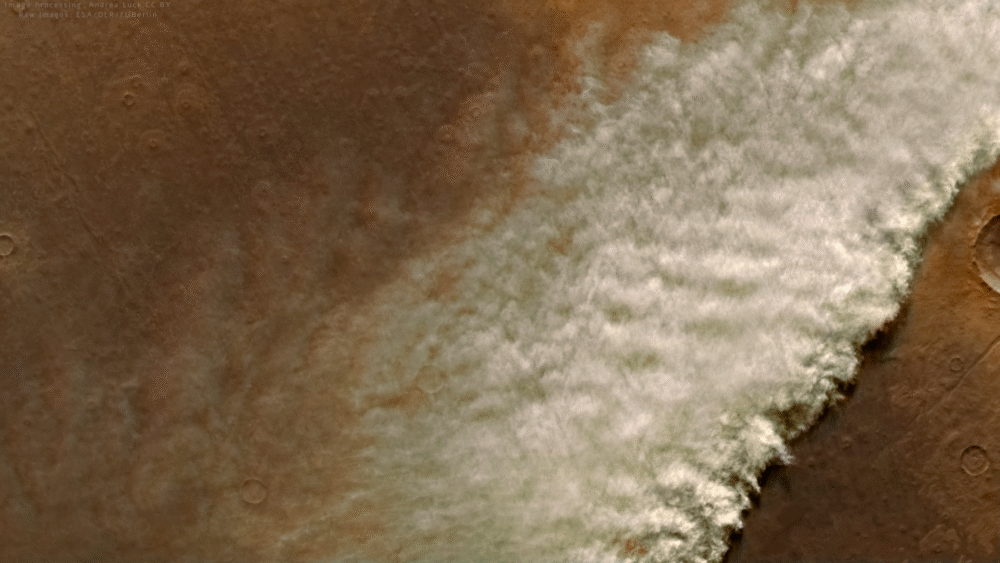
Dust storms on planets like Mars demonstrate dynamic changes in surface and atmospheric conditions. These storms, sprawling across continents, influence temperatures and define landscapes, providing stark examples of environmental interactions. Studying their ebb and flow reveals critical insights into atmospheric dynamics.
Observations of planetary dust storms offer parallels to Earth’s own atmospheric phenomena, such as desertification and windblown particulates. Understanding these Martian storms helps refine our comprehension of surface-atmosphere interactions and their potential long-term effects on Earth’s ecological systems.
12. Seasonal and climate changes of ice caps over time.

Planetary ice caps mirror Earth’s polar regions, storing vital clues about climate and geological history. NASA’s analysis of Martian ice caps, weathered by seasonal changes, highlights the importance of ice in gauging environmental shifts. These provide a barometer for understanding planetary climates.
Insights from studying these icy landscapes extend to assessing Earth’s seasonal and climate changes. Researchers build upon these findings to predict climate trends, driven by ice behaviors, applying lessons learned from other planets to ice monitoring techniques on Earth.
13. Extraterrestrial data to refine models predicting Earth’s environmental shifts.
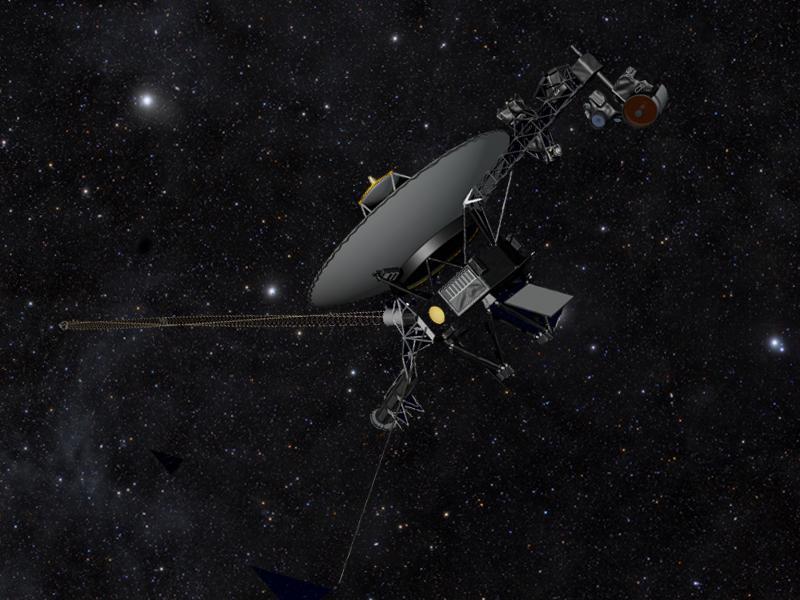
Space agencies draw on extraterrestrial data to refine models predicting environmental shifts on Earth. Studying solar and galactic influences helps anticipate future changes, improving Earth observation methods. This cross-planetary study reveals how external forces impact environments more broadly.
By merging extraterrestrial insights into Earth models, scientists enhance their capacity to forecast environmental changes. This comprehensive approach, grounded in planetary science, fosters a deeper understanding of Earth’s shifts, preparing for unforeseen challenges while strategically adapting to natural cycles.