
Why researchers say scent could reveal cancer long before symptoms.
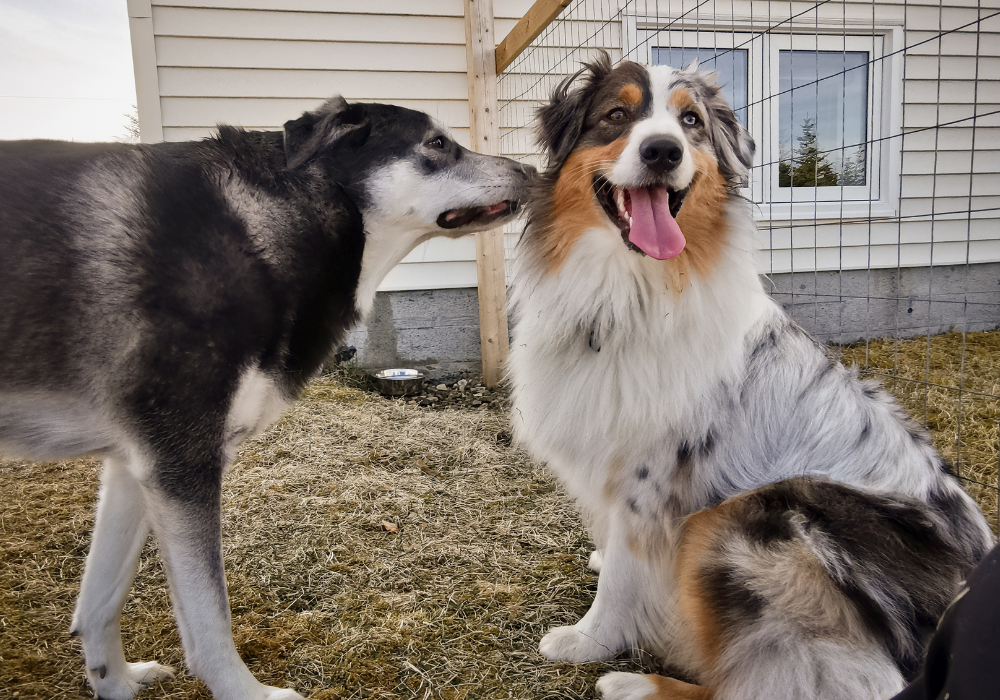
A deadly canine cancer can hide in plain sight until a sudden collapse sends families racing to the ER. That’s why researchers are excited about a new idea that sounds almost unbelievable: trained dogs may be able to smell the disease in a simple blood sample.
In recent work, detection dogs learned to pick out hemangiosarcoma, an aggressive cancer of blood-vessel cells, by recognizing the unique cocktail of volatile organic compounds it leaves behind.
It’s not a ready-to-buy test yet, but the findings point toward earlier warning systems that could one day flag high-risk dogs before symptoms appear and give vets a precious head start.
1. Why this cancer is so hard to catch early
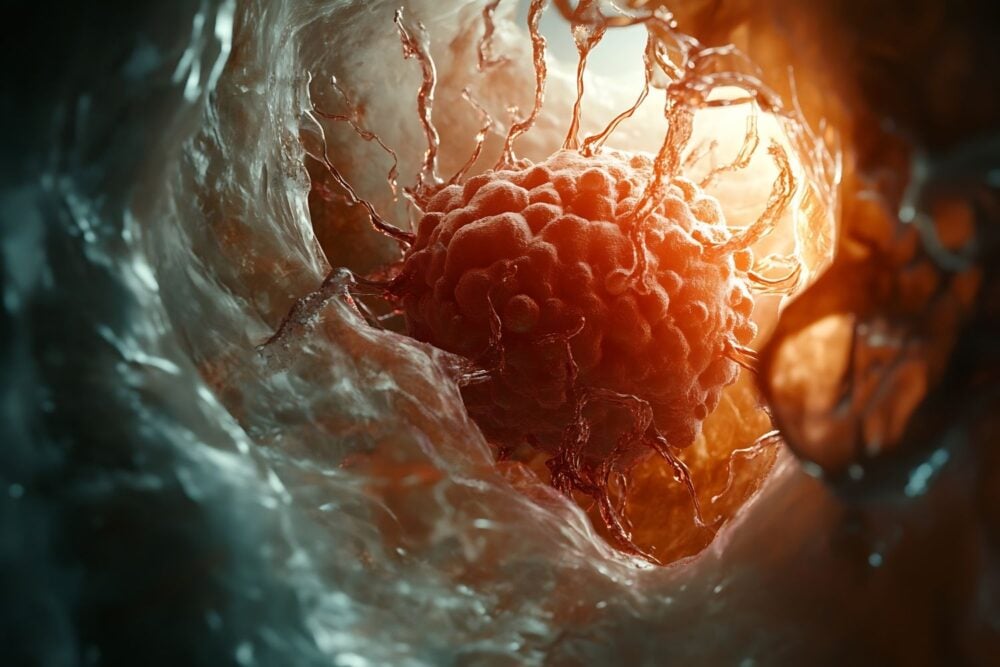
Aggressive cancers like hemangiosarcoma often grow silently, then cause a sudden internal bleed with little warning. By the time a dog shows obvious symptoms, the disease may already be advanced, which is why outcomes can be so poor. It can progress quietly for months.
Vets use imaging and bloodwork, but there is no simple routine screen that reliably flags it in apparently healthy dogs. That gap is what makes any early-detection breakthrough feel so urgent for families and clinicians. That sudden shift is why it feels shocking.
2. What the dogs are actually smelling
Dogs are not “smelling cancer” in a magical way. They detect tiny airborne chemicals called volatile organic compounds that come from metabolism and inflammation and can shift when disease is present. VOCs can change with disease chemistry.
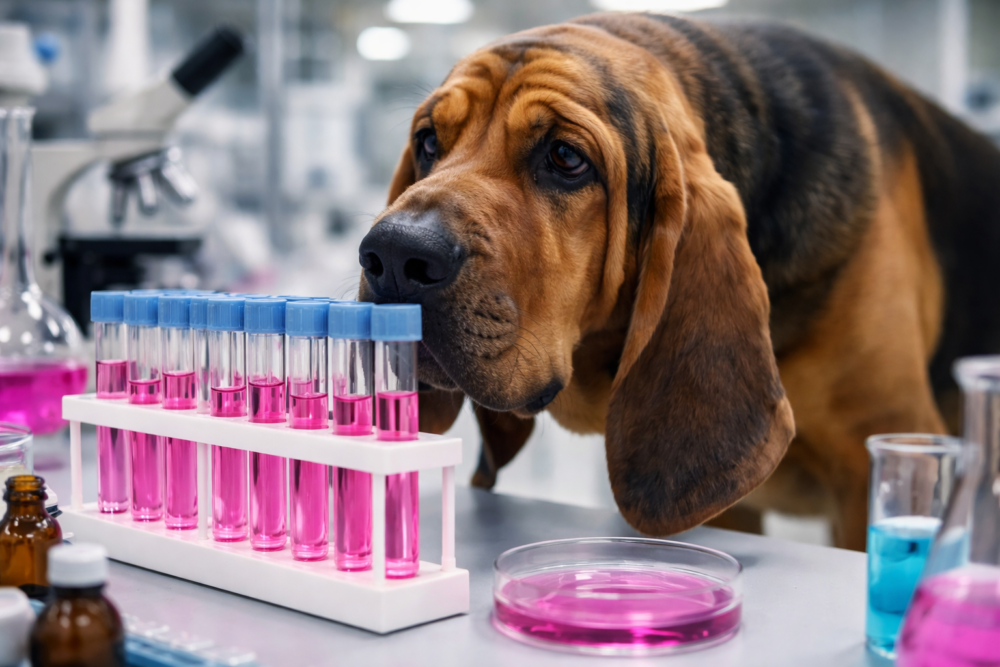
In hemangiosarcoma research, the scent signature appears to be present in blood samples. The dogs learn the pattern through training and reinforcement, then indicate when they recognize it, much like detection work for explosives or drugs. The signal is learned and repeatable in trials.
3. How the study trained detection dogs
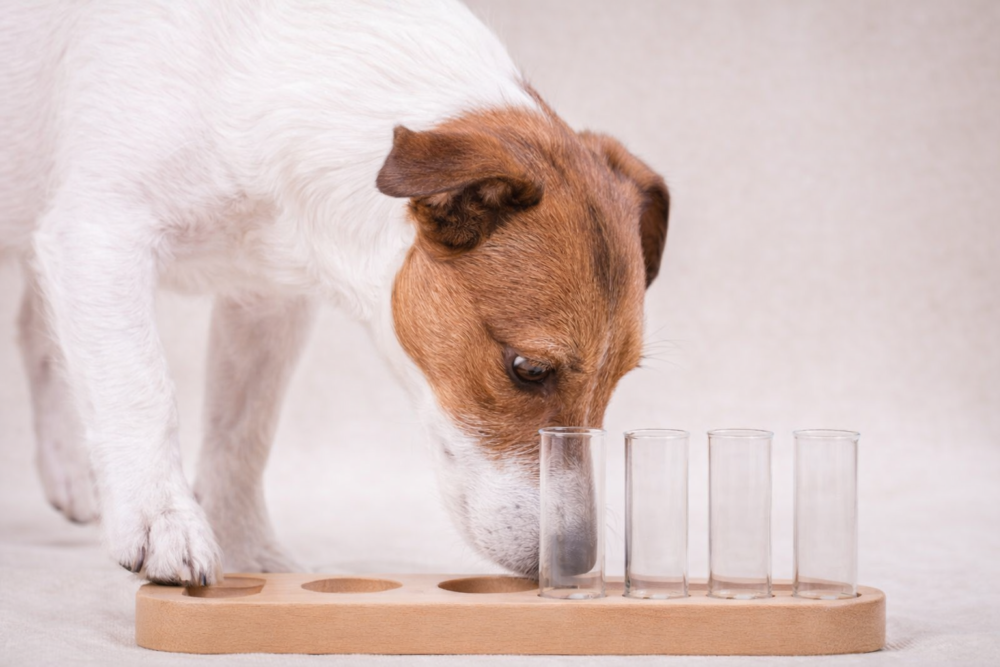
Researchers used trained detection dogs and presented them with blinded samples so handlers could not cue the answers. The goal was to see whether dogs could distinguish blood from dogs with hemangiosarcoma versus controls. Blinding reduces accidental human cues.
In controlled setups, dogs performed better than chance, suggesting a consistent odor signal. The biggest takeaway is feasibility: if dogs can detect it, scientists may be able to identify the chemical markers and build machine-based tests later. That setup helps measure true performance.
4. Why blood samples matter for real-world screening

Using blood is important because it fits existing veterinary routines. A scent signature in blood could, in theory, be checked during annual visits or monitoring for higher-risk dogs. Blood fits normal clinic workflows.
It also avoids the practical challenges of testing breath or sweat in animals. Blood draws are standardized, samples can be stored, and results can be compared across labs. That consistency is essential if the work is going to move from intriguing to clinically useful. Standard samples make validation much easier.
5. The accuracy question readers should ask first

Early studies are promising, but they are not the same as a finished diagnostic test. Sample sizes can be limited, dogs vary in performance, and results must be replicated across locations and populations. Early results must be replicated.
A key question is false positives and false negatives. A screening tool must be reliable enough that it does not flood clinics with panic or miss too many true cases. That is why researchers emphasize follow-up studies, not instant medical claims. Reliable screening needs clear next steps.
6. The “electronic nose” idea comes next
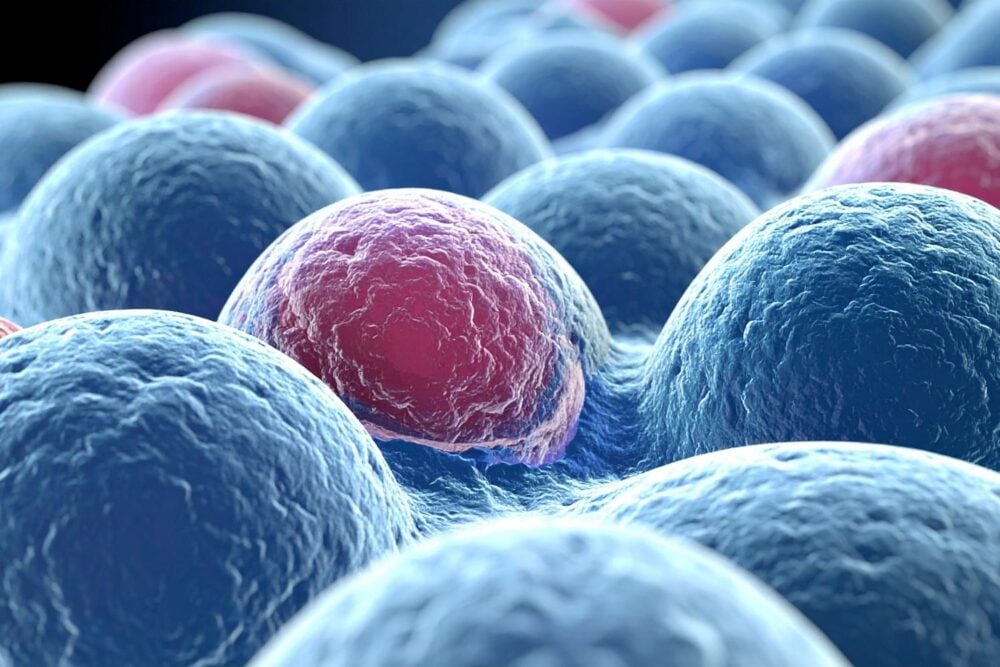
Even if dogs can detect the scent, the long-term goal is usually a device. If scientists can pinpoint which volatile compounds change with cancer, they can design sensors to look for the same pattern. The goal is a scalable device.
That could lead to an electronic nose test that is cheaper and more scalable than training large numbers of detection dogs. In practice, dogs often help researchers narrow the target, then technology turns that target into a repeatable clinical tool. Technology can copy patterns dogs detect.
7. Why some dogs may benefit sooner than others
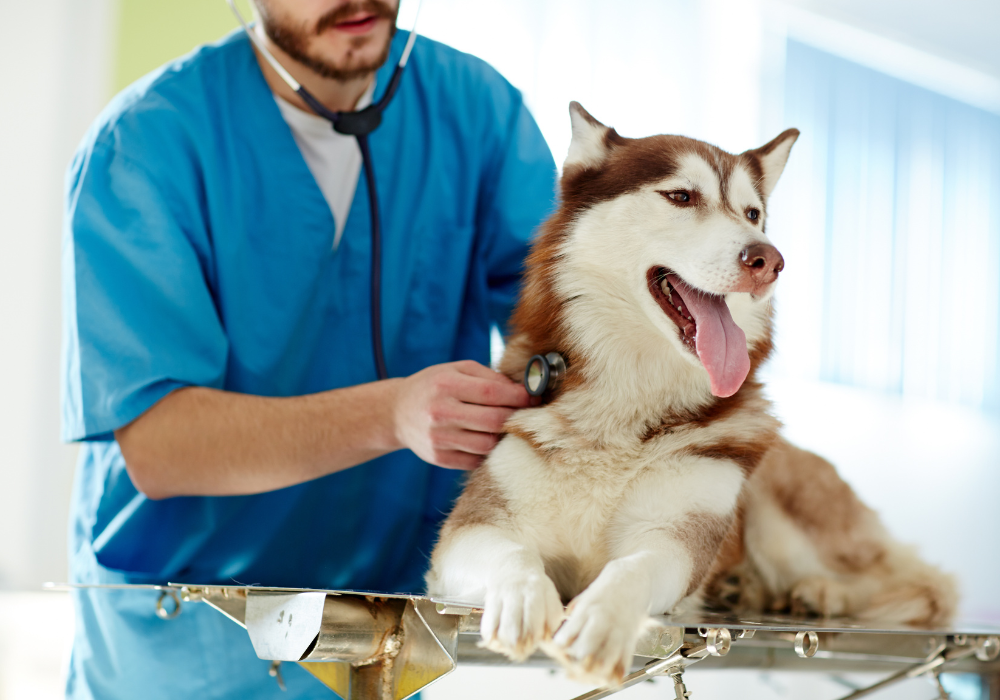
Hemangiosarcoma risk is not equal across all breeds. Certain breeds, including many large and deep-chested dogs, are often discussed as higher risk, which is why owners pay close attention to fainting, pale gums, or sudden weakness. Risk rises with age, too.
A future screening tool would likely start with those higher-risk groups, where the benefit of earlier detection could be greatest. It could also help vets decide when to image more aggressively instead of waiting for symptoms. Targeted screening could focus scarce resources.
8. What this does and does not mean for pet owners now
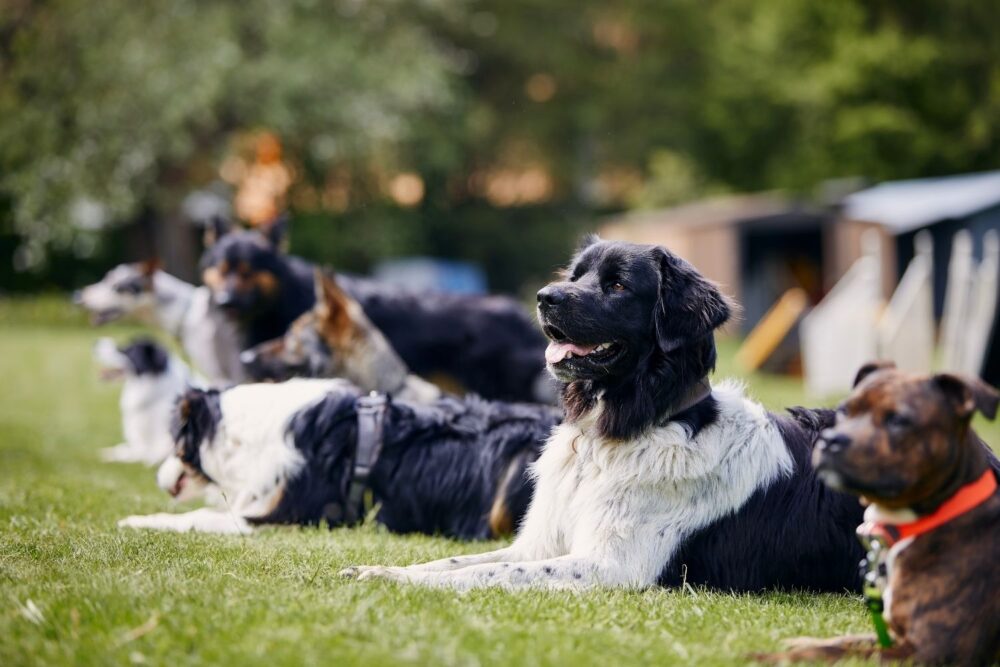
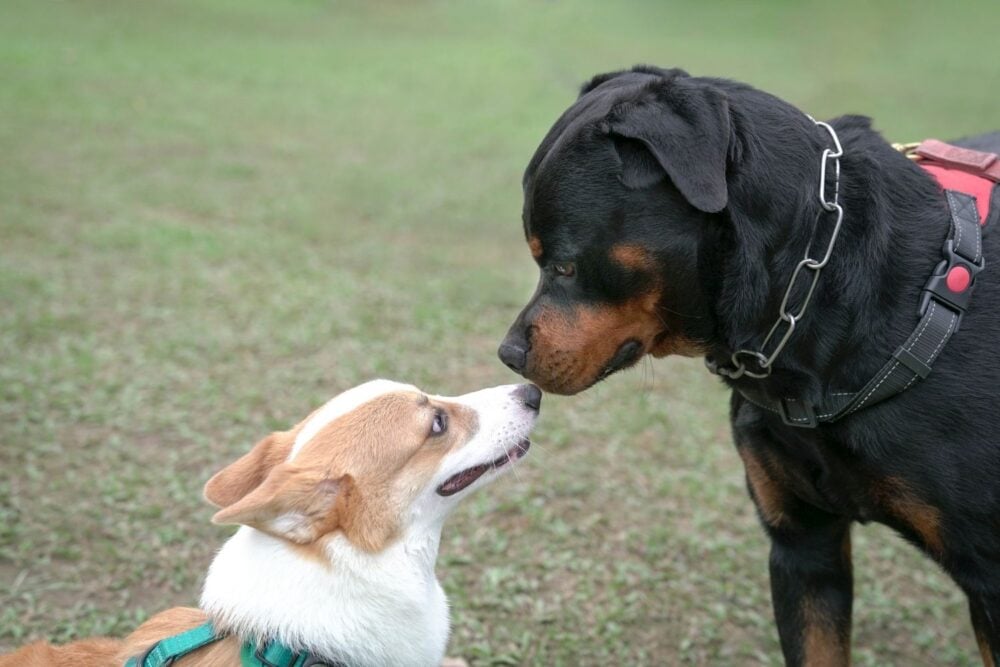
This research does not mean you can bring your dog to a park and have another dog sniff for cancer. Real detection work requires rigorous training, controlled samples, and careful handling to avoid bias. Untrained sniffing is not screening.
What it does suggest is that the biology may be detectable before a crisis. For owners, the practical move is regular vet visits, knowing warning signs, and asking about risk based on breed and age while science builds better screening tools. Trust your gut and call your vet.
9. The science connects to human cancer detection too
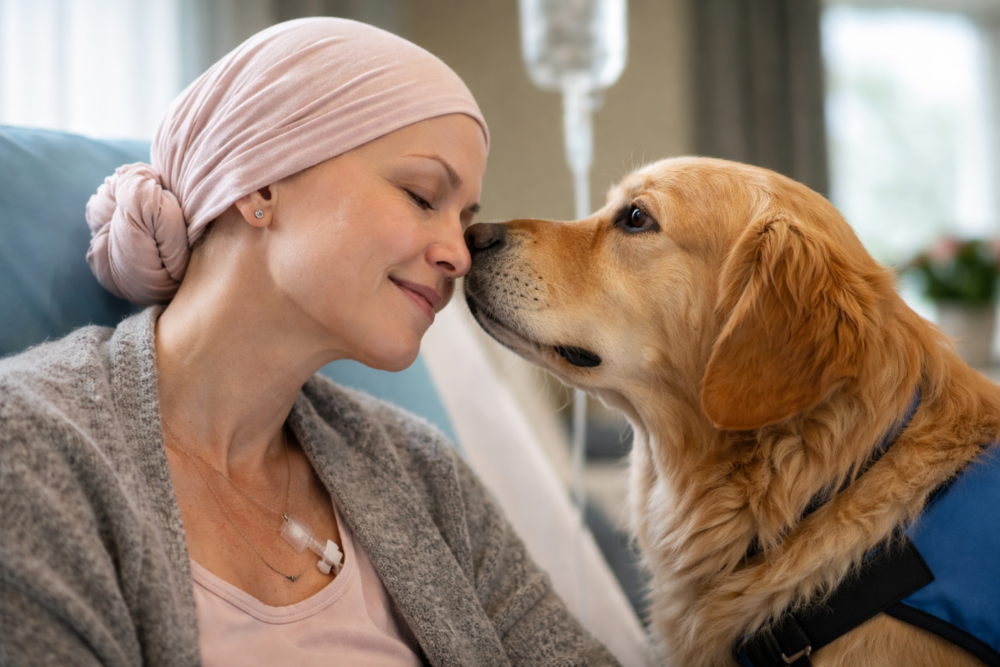
Dogs have been studied for detecting certain human cancers, often using breath, urine, or sweat. The common thread is volatile organic compounds, which can shift with disease in ways humans cannot perceive. Those VOC patterns can be measured.
Canine cancer detection adds another advantage: dogs develop cancers in shared environments and on shorter timelines. That makes them useful for studying early biomarkers, and it may inspire future sensors that mimic canine smell for both veterinary and human screening. It is biology, not a magic trick.
10. Ethical and practical limits of using dogs as detectors
Working detection dogs need strong welfare standards, consistent training, and limits on workload. Even in the best programs, dogs are individuals and performance can vary day to day. Welfare and rest must come first.
That is another reason researchers view dogs as a bridge, not the endpoint. Dogs can prove a scent exists and help scientists chase it down. Then a lab-based test can deliver consistent results at scale without relying on highly trained animals. A device could bring access to more clinics.
11. What happens next before this becomes routine

Next come larger trials, more diverse samples, and tests that compare hemangiosarcoma to other cancers and noncancer illnesses. Researchers also need to learn whether the scent appears early enough to change outcomes, not just confirm disease. Researchers need larger, diverse trials.
If the signal holds up, work can shift toward identifying the specific volatile compounds and building prototypes that mimic a dog’s nose. That is when a cool finding becomes a screening tool vets can actually use. They also need to confirm early timing