
New LiDAR scans reveal vast stone funnels once used by prehistoric Europeans to trap wild herds.

Archaeologists have uncovered massive stone megastructures hidden beneath the forests of the Karst Plateau along the Slovenia–Italy border, revealing Europe’s earliest large-scale hunting system. The funnel-shaped walls, stretching up to 3.5 kilometers, were designed to channel herds of red deer into pits or enclosures. Built before the Late Bronze Age, these structures show that prehistoric Europeans hunted cooperatively on an organized, landscape-wide scale—comparable to systems once thought unique to ancient communities in the Middle East and North Africa.
1. The Discovery Began with Advanced LiDAR Scanning
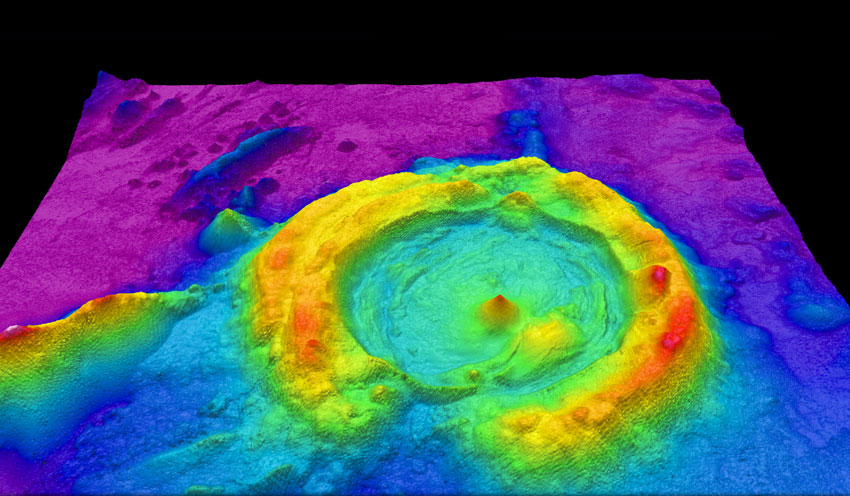
Researchers used airborne LiDAR technology—laser-based mapping that penetrates dense vegetation—to reveal massive stone alignments hidden beneath forests on the Karst Plateau along the Slovenia–Italy border. The 3D scans showed long, funnel-shaped patterns undetectable from the ground.
When archaeologists investigated the sites, they realized these formations were far older and larger than any known European hunting structure. The discovery marked one of the most significant breakthroughs in prehistoric landscape archaeology in recent decades.
2. Four Massive Megastructures Were Found on the Karst Plateau
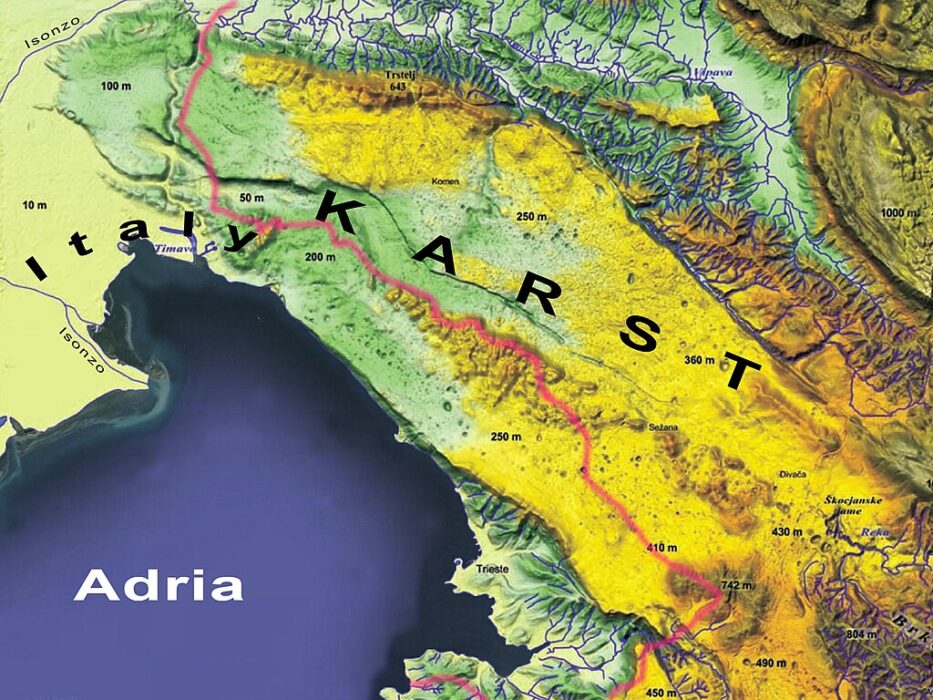
The team identified four distinct stone complexes, each stretching between 1.5 and 3.5 kilometers in length. They were built from local limestone blocks stacked into low walls, typically less than a meter high but extending across entire valleys.
These walls converge into narrow enclosures or pits, suggesting they were designed to funnel and trap animals. Their sheer scale indicates that hundreds of people likely worked together to construct and maintain them—evidence of organized communal activity far earlier than once believed.
3. They Were Designed as Giant Funnel Traps for Herd Animals
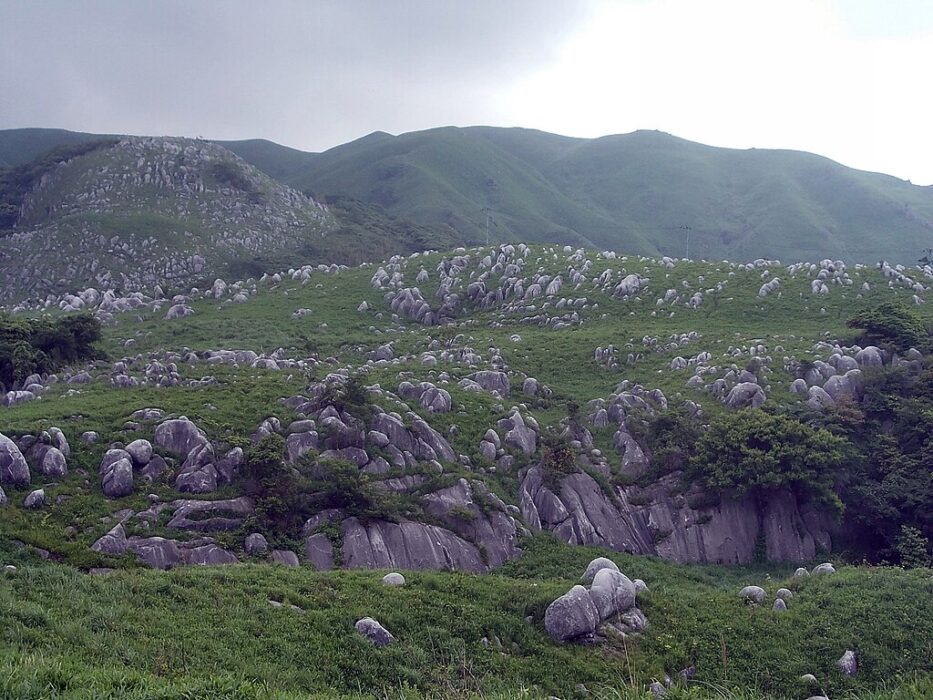
The funnel-like design would have been ideal for driving herds of large animals—especially red deer—toward a confined area for capture or slaughter. Hunters may have coordinated drives using sound or fire, guiding animals into narrowing corridors until escape became impossible.
Similar “desert kite” structures are known from the Middle East and North Africa, where ancient communities used them to trap gazelles. The Karst Plateau traps mark the first known example of such a system in prehistoric Europe.
4. Dating Shows the Structures Pre-Date the Bronze Age
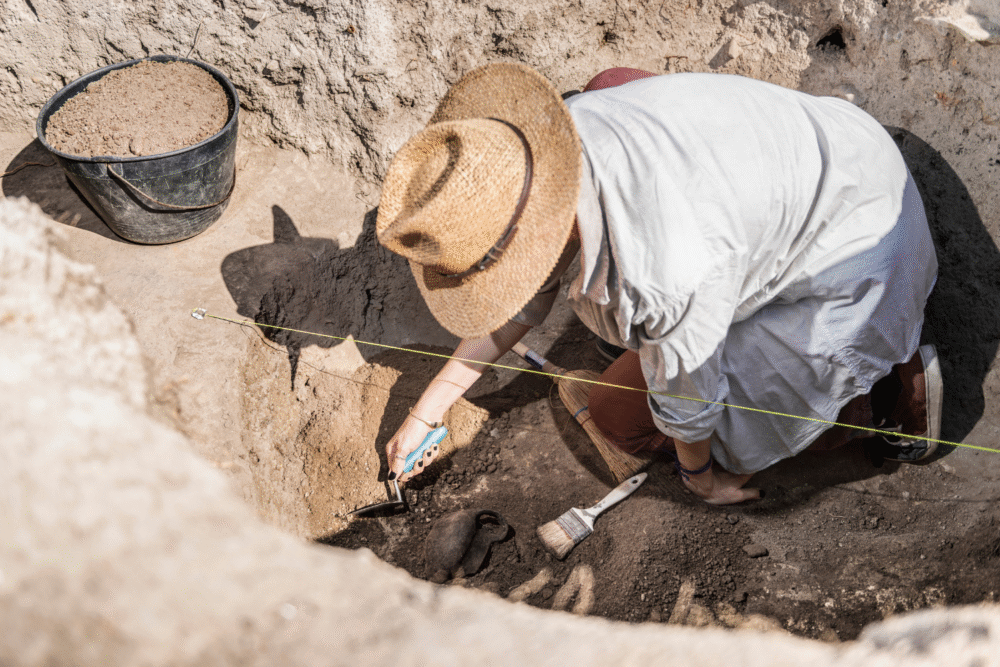
Radiocarbon dating of nearby artifacts and sediment layers suggests these structures were built before the Late Bronze Age, making them several thousand years old. Some features may even date back to the Neolithic period, when early farming and herding were spreading through Europe.
The absence of metal tools or pottery fragments associated with later settlements supports the idea that these traps were part of an early hunting system developed before complex urban societies emerged.
5. The Discovery Redefines Europe’s Prehistoric Engineering
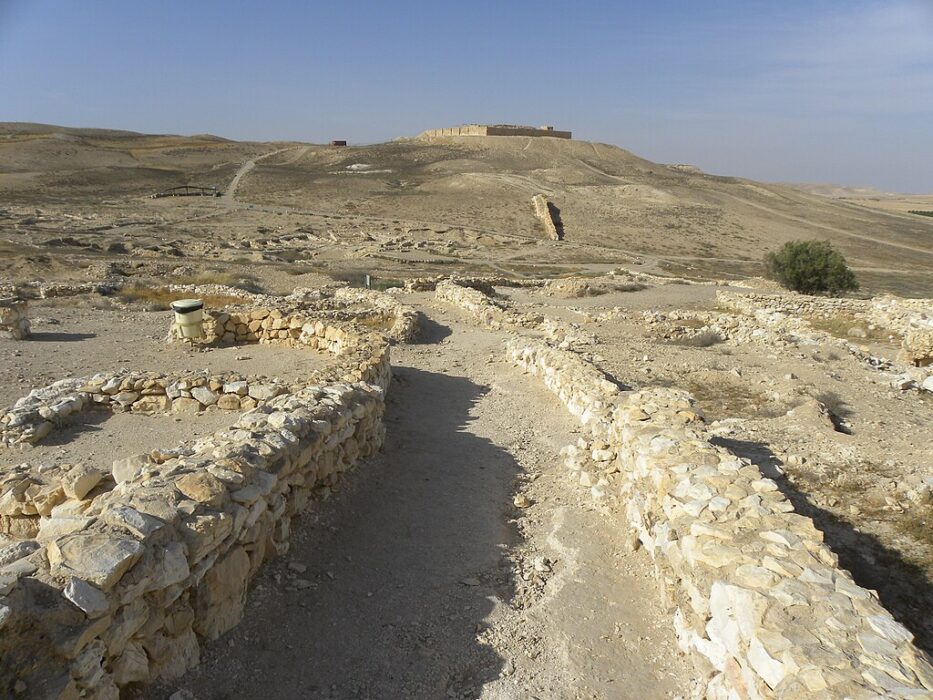
Before this find, large-scale communal hunting systems were thought to have developed mainly in the arid regions of Asia and Africa. The Karst Plateau megastructures challenge that assumption, showing that early Europeans were capable of organizing labor and engineering vast projects long before agriculture dominated.
The precision and coordination required to build multi-kilometer stone funnels suggest advanced knowledge of animal behavior and landscape planning—traits typically attributed to much later civilizations.
6. The Site Suggests a Complex, Cooperative Hunting Culture

Building and operating these traps would have required collaboration among large groups—trackers, drivers, builders, and butchers all working in unison. The effort implies not only technical skill but also social organization and shared resource management.
This cooperation would have helped prehistoric communities sustain themselves through difficult seasons, providing both food and materials such as hides, bones, and antlers from mass hunts. It’s a glimpse into the social fabric of Europe’s early hunter-gatherers.
7. The Karst Plateau Was Ideal for Large Game
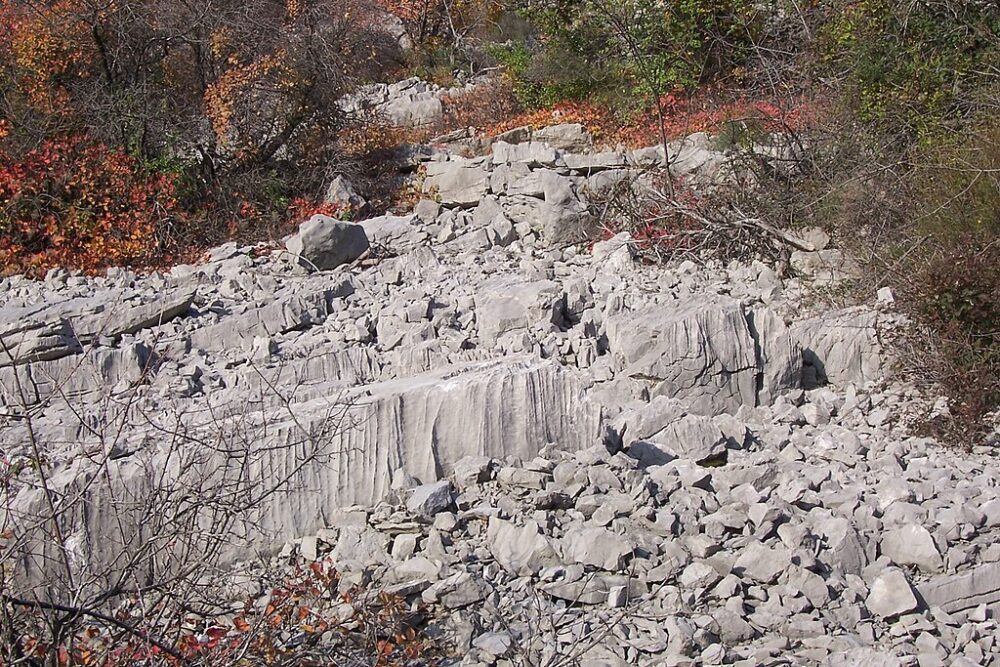
The region’s rugged limestone terrain features open plateaus, sinkholes, and natural corridors that would have guided animals like red deer and ibex. Archaeologists believe early hunters recognized these natural pathways and enhanced them with stone walls to maximize their effectiveness.
This integration of natural and human-made features shows a deep understanding of the local environment. It also demonstrates how prehistoric hunters manipulated the landscape to create a sustainable hunting strategy that lasted for generations.
8. The Structures Link Europe to Global Prehistoric Traditions
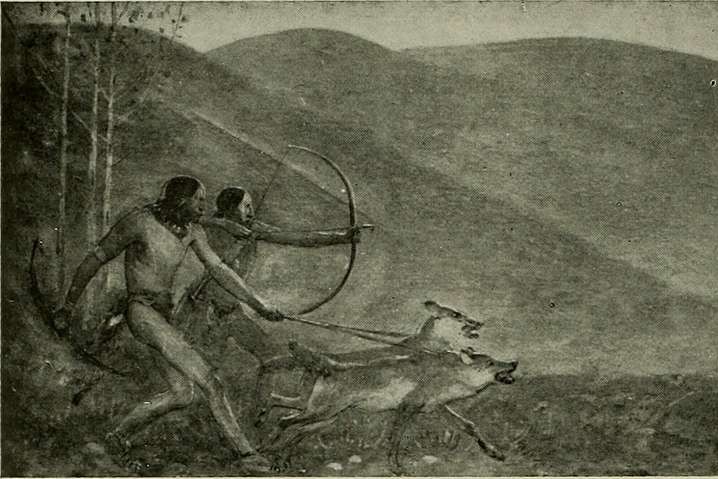
Until now, large-scale hunting traps were best known from desert environments—especially the “kites” of the Middle East, which date back nearly 9,000 years. The European examples show that similar ideas emerged independently across continents.
This convergence suggests that communal hunting systems may have been a universal response to population growth and the need to efficiently exploit migrating herds. It connects prehistoric Europe to a broader story of human ingenuity and adaptation.
9. Excavations Reveal No Permanent Settlements Nearby
Interestingly, archaeologists have found little evidence of permanent habitation near the trap complexes. This suggests the structures were used seasonally—likely during migration periods when herds moved through the area.
Hunters may have built temporary camps nearby to process meat and hides after large kills. The absence of domestic artifacts strengthens the interpretation that these were specialized hunting sites rather than permanent villages.
10. The Discovery Could Rewrite Early European History

The scale and sophistication of the Karst Plateau structures imply that organized group hunting—and possibly regional cooperation—emerged in Europe earlier than previously believed. It challenges the idea that complex coordination only arose after farming societies appeared.
By demonstrating that hunter-gatherers could plan, build, and manage large communal systems, the discovery reshapes how archaeologists view social evolution in prehistoric Europe. It suggests that intelligence, cooperation, and innovation were thriving long before agriculture.
11. Researchers Plan More Surveys Across Southern Europe
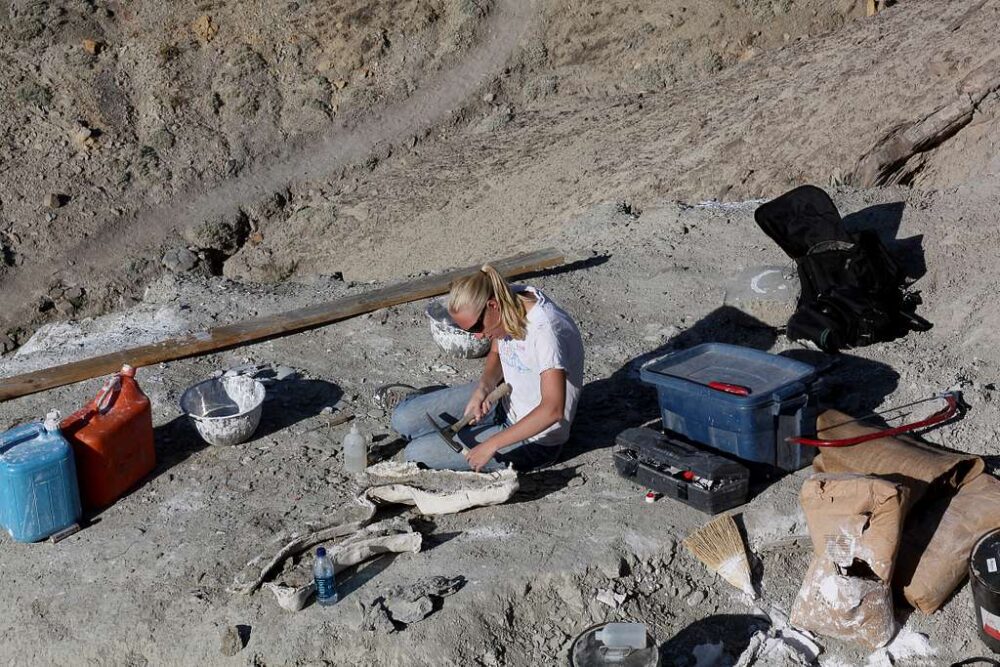
Following the success of the Karst Plateau project, scientists plan to expand LiDAR and field surveys into other parts of southern Europe, including Croatia, northern Italy, and the Balkans. These regions share similar terrain and could hide more ancient trap systems beneath their forests.
If additional sites are found, it could indicate a broader cultural tradition of organized hunting across prehistoric Europe—revealing that these early communities were far more interconnected and advanced than previously thought.