
Residents in one Oregon community fear local tech expansion is linked to alarming health problems.

Scientists and local officials are investigating whether a large data center complex in Oregon could be connected to a rise in rare illnesses reported by nearby residents. Families in the area have raised concerns about water contamination, industrial runoff, and the rapid expansion of high-demand tech infrastructure. While no official causal link has been proven, the situation has prompted state reviews and renewed scrutiny of how data centers interact with local environments. The unfolding story highlights the tension between technological growth and community health protections.
1. Residents Report a Troubling Pattern of Rare Illnesses

Families living near the data center began noticing unusual clusters of rare conditions, including certain cancers and neurological symptoms. Many of these cases appeared in households that had lived in the community for years without prior health issues, prompting neighbors to compare notes and raise concerns.
Their shared stories eventually caught the attention of local officials. While individual illnesses can be explained in many ways, the perceived pattern led residents to push for a closer look at whether environmental factors might be involved.
2. Concerns Point Toward Possible Water Contamination
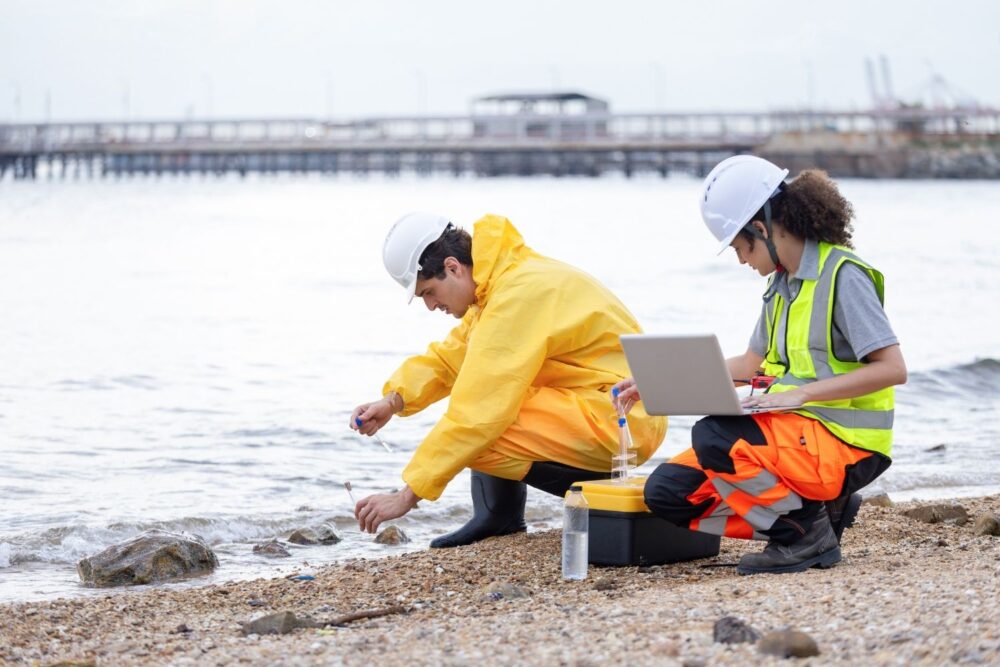
Several residents reported discolored tap water, strange odors, or irritation after bathing—symptoms commonly associated with water quality problems. Because data centers use large volumes of water for cooling, locals began to question whether industrial activity could be affecting groundwater.
Officials have not confirmed any link, but water testing has become a priority for concerned families. Many want more transparency about how industrial operations interact with local aquifers and whether heavy water use could be straining or altering the system.
3. The Data Center’s Scale Has Grown Rapidly

The Oregon facility has expanded significantly in recent years as demand for cloud computing and AI infrastructure soared. New buildings, increased power usage, and heavier industrial activity have reshaped the landscape around the site, increasing community scrutiny.
This rapid scaling has raised questions about whether environmental safeguards kept pace with development. Residents fear that the speed of expansion may have outstripped local oversight and infrastructure protections.
4. High Water Demand Became a Flashpoint
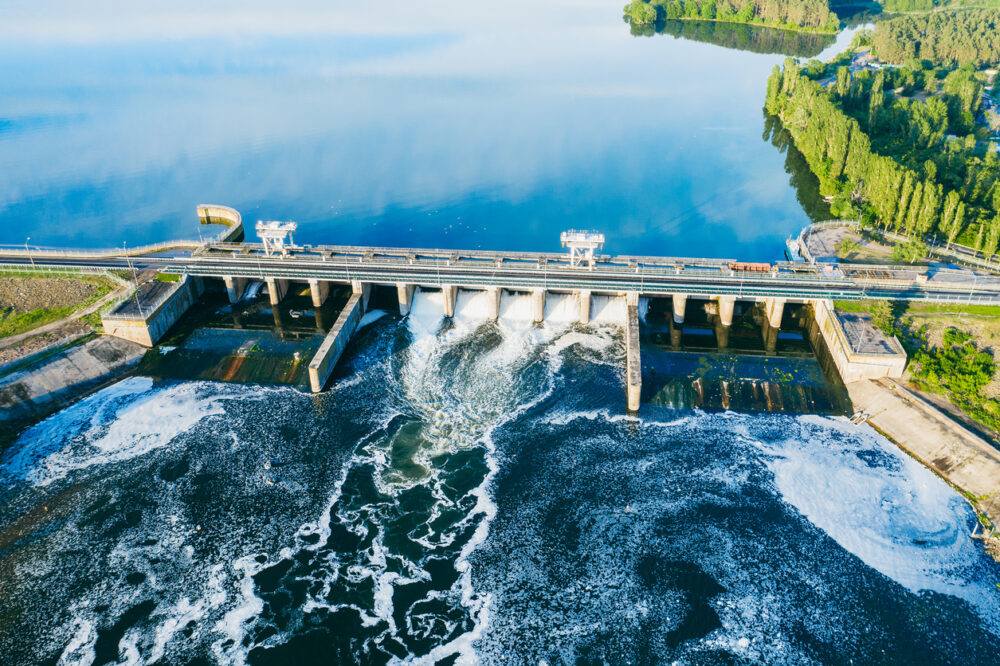
Modern data centers can use millions of gallons of water each day, especially during hot weather when cooling systems run at full capacity. Locals say they were unaware of the facility’s total water consumption until concerns about health impacts surfaced.
The revelation sparked frustration among some residents, who argue that such large-scale water use should have been communicated more clearly. Officials are now reviewing usage patterns to determine whether the demands may have contributed to changes in local water conditions.
5. State Agencies Are Reviewing Environmental Practices

Following public complaints, Oregon’s environmental and health agencies began gathering information on the data center’s operations. These reviews focus on water treatment, chemical storage, runoff management, and waste disposal procedures.
While no violations have been confirmed, the investigation aims to determine whether any aspect of the facility’s activity could plausibly affect the surrounding community. Residents hope the increased oversight will lead to more detailed and frequent monitoring.
6. No Direct Link Has Been Proven, but Questions Remain

Health experts emphasize that rare illnesses can occur without a shared environmental cause. However, when multiple cases appear in close proximity, it is common for families to seek answers. This uncertainty has fueled both fear and frustration in the community.
Officials stress that identifying environmental health links requires careful, methodical research. Until more evidence is collected, the connection between the data center and local illnesses remains unconfirmed.
7. Residents Say They Weren’t Informed About Risks

One of the most common complaints has been a lack of communication. Many locals say they did not know how large the facility would become or how its operations might affect local resources. This perceived information gap has deepened mistrust.
Community members argue that large tech companies should disclose more about environmental impacts before establishing major facilities. They hope current investigations will lead to stricter transparency rules moving forward.
8. Officials Are Testing for Industrial Contaminants

As part of the review, environmental teams are examining soil and water samples for potential pollutants associated with industrial cooling and power systems. These can include chemicals used in water treatment or metals released from pipes and infrastructure.
Testing is ongoing, and results are being communicated to residents as they become available. For many families, having clear data is the first step toward understanding whether their health concerns have a measurable environmental basis.
9. Data Centers Nationwide Face Similar Scrutiny

This Oregon case mirrors growing national unease about the environmental impact of tech infrastructure. Across the U.S., communities have raised concerns about water use, noise, energy consumption, and chemical storage associated with large data centers.
As AI demand grows, more facilities are being built at rapid speed. Experts say this trend underscores the need for stronger regulations to ensure that nearby communities are adequately protected during expansion.
10. Experts Call for Better Oversight of Industrial Water Use
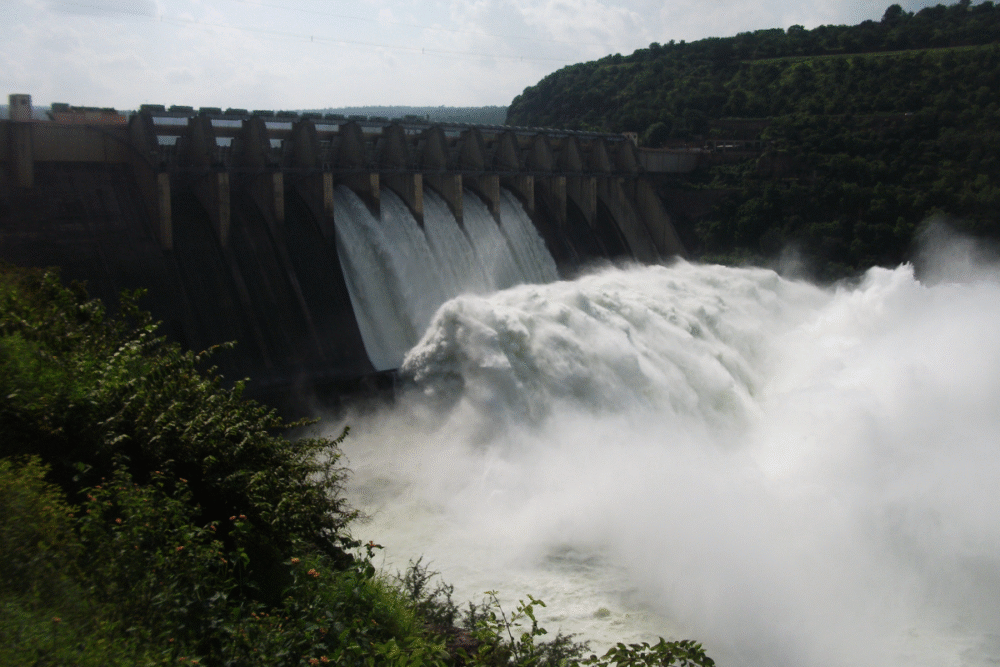
Environmental scientists note that data centers can operate safely, but only when strict monitoring and reporting systems are in place. They argue that water-intensive industries should be more transparent about consumption and discharge.
Improved oversight could help prevent misunderstandings and ensure that potential issues are caught early. In Oregon, experts say the current situation highlights why updated rules may be necessary.
11. The Community Wants Answers—and Long-Term Solutions

Residents say they’re not seeking to shut down the data center but want clarity about its environmental footprint. Many are asking for independent testing, regular reporting, and collaborative planning with local officials.
Their hope is to understand whether the illnesses are connected to environmental factors and to ensure future operations are safe. Whether or not a link is ultimately found, the situation has sparked an important conversation about balancing tech growth with community health.