
Experts reveal how climate stress, heat, and toxins are putting hidden pressure on human fertility.

Climate change isn’t just altering our environment—it may also pose a real threat to human fertility. A recent Nature Reviews Endocrinology article highlights how reproductive health is deteriorating, suggesting that exposure to climate-related pollution and endocrine-disrupting chemicals plays a significant role.
On top of that, a 2024 review in Current Opinion in Urology reports that heat stress and environmental toxins—including microplastics—may be contributing to declines in men’s seed quality. That means starting a family in a warming world may come with unexpected biological challenges—and a deeply personal one at that.
1. Heat waves can lower men’s fertility

Research shows that men’s seed production is highly sensitive to temperature. Prolonged exposure to extreme heat, whether from rising global temperatures or workplace environments, can decrease seed concentration and motility. This makes conception more difficult for couples trying to start a family.
Scientists warn that the trend isn’t limited to heatwaves alone. Warmer average temperatures are putting men’s reproductive health under constant stress. If global warming continues, seasonal fertility declines could become long-term challenges for millions worldwide.
2. Air pollution is disrupting fertility for men and women
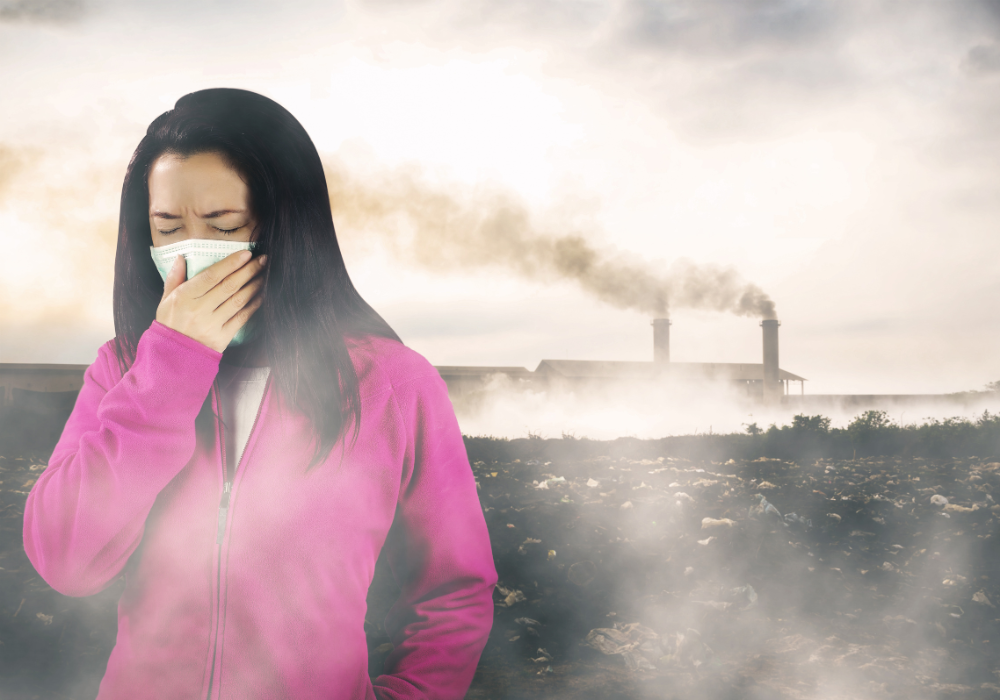
Polluted air is more than just a respiratory threat—it’s affecting reproduction. Studies link fine particulate matter and toxins in polluted cities to lower seed quality in men and increased miscarriage risk in women. The risks grow higher the longer people are exposed.
What makes this especially concerning is how widespread polluted air has become. Urban centers across the globe already exceed safe limits set by the World Health Organization. This means climate-driven air quality declines are silently impacting reproductive health on a massive scale.
3. Women’s reproductive cycles are under pressure

Rising stress from climate change and environmental toxins is disrupting menstrual health. Studies suggest exposure to endocrine-disrupting chemicals and higher stress hormones from climate anxiety can affect ovulation, fertility windows, and even pregnancy outcomes.
These changes aren’t always immediately visible, but they add hidden strain to reproductive systems. For women already facing fertility struggles, climate-related pressures can make starting a family even harder. Doctors emphasize the need for better research and targeted care as these risks grow.
4. Pregnancy is riskier in extreme heat

Pregnant women face heightened risks during heatwaves. Higher temperatures have been linked to complications such as premature births, low birth weights, and dehydration-related hospital visits. In areas with limited access to cooling, the risks are magnified.
Heat places immense stress on both mother and fetus. Without better protections, more pregnancies will face climate-related challenges in the coming decades. Scientists say pregnant women must be considered a priority group when governments plan climate adaptation strategies.
5. Miscarriage rates rise with climate stress

Emerging evidence links exposure to high temperatures and polluted air to increased miscarriage risk. Even short-term spikes in pollution during wildfire smoke events have been associated with higher rates of pregnancy loss. These risks highlight the fragility of reproductive health under climate stress.
For families hoping to conceive, this reality is devastating. Climate change isn’t just a distant threat to future generations—it’s interfering with family planning right now. Each extreme weather event or pollution spike carries more personal consequences than many realize.
6. Pollution-linked chemicals are harming fertility

Climate change amplifies exposure to endocrine-disrupting chemicals such as pesticides, plastics, and industrial pollutants. These substances interfere with hormones, making conception more difficult and pregnancies less stable. Scientists are increasingly alarmed at how pervasive these chemicals have become.
Once inside the body, these pollutants don’t simply disappear. They can affect men’s fertility, egg health, and even fetal development. As climate pressures increase the spread of pollutants, reproductive health is left vulnerable in ways society is only beginning to grasp.
7. Fertility treatments may become less effective

Assisted reproductive technologies like IVF already come with challenges, but climate factors may worsen outcomes. Heat stress, poor air quality, and chemical exposures can lower the effectiveness of treatments by weakening eggs or embryos.
This adds another financial and emotional burden to couples already struggling with infertility. As global conditions deteriorate, fertility clinics may need new strategies to counteract climate-linked biological risks, making treatments even more complex and costly.
8. Climate disasters delay family planning

Wildfires, hurricanes, and floods don’t just destroy homes—they disrupt lives. Families often postpone or abandon plans for children after losing homes, jobs, or financial stability in a disaster. The stress alone can affect fertility, even without direct biological impacts.
Communities hit hardest by repeated disasters see long-term declines in birth rates. Starting or expanding families becomes less of a priority when survival and recovery demand all available energy. Climate change is reshaping not just the environment, but also how and when people decide to bring children into the world.
9. Psychological stress is taking a toll on fertility

Eco-anxiety and climate grief aren’t just emotional burdens—they affect reproductive health. Stress hormones like cortisol can disrupt ovulation, men’s seed production, and libido, lowering the likelihood of conception. Chronic stress leaves couples struggling even when their bodies are otherwise healthy.
Mental health experts stress the importance of acknowledging this hidden effect. Without strategies to reduce anxiety, climate worries may silently erode reproductive health. For many, the path to parenthood now includes managing the mental strain of living in an unstable world.
10. The future of human fertility is at risk

Scientists agree that climate change is creating a new frontier for reproductive health. Rising heat, air pollution, chemical exposure, and stress are combining in ways that threaten the ability to conceive and carry healthy pregnancies. The issue is no longer hypothetical—it’s unfolding now.
Protecting fertility means protecting the environment. Addressing climate change isn’t just about saving ecosystems—it’s about safeguarding one of humanity’s most fundamental abilities: to create the next generation. The science makes clear that the health of the planet and the health of families are inseparable.