10 Ways Food Expiration Dates Quietly Create Massive Waste

Most people trust expiration dates blindly—and it’s costing us billions in food.

Woman reading label on can. ©Image license via Canva

We’ve all done it—pulled a yogurt from the fridge, spotted the expiration date, and tossed it without even a sniff. But those small printed dates, meant to offer peace of mind, are actually a major driver of food waste. In the U.S. alone, millions of tons of perfectly edible food end up in landfills every year, much of it tossed out due to confusing or overly cautious expiration labels. The truth? Most dates aren’t about safety—they’re about quality, branding, and liability. Here’s how these misleading labels quietly contribute to one of the biggest waste problems we face today.

Read more

12 Bathroom Products That Quietly Undermine Zero Waste Goals

Sustainability starts at home, but these items aren’t helping.

©Image license via Canva

The bathroom feels like a safe zone—your private little sanctuary full of soaps, scrubs, and soothing rituals. But behind the steamy mirror, a mountain of waste quietly builds up. Plastic bottles, single-use wipes, “recyclable” packaging that never actually gets recycled—your daily routine might be working against all those zero-waste intentions you post about.

It’s easy to think that the small things don’t add up, but they do. Tiny plastic caps, disposable razors, microbead face scrubs—they slip under the radar because they feel necessary or harmless. But if you zoom out, these habits multiply into billions of pieces of trash that stick around long after you’ve rinsed off. You can’t compost your way out of a bathroom overflowing with throwaway items. Once you see which products undermine your efforts most, you might never look at your shower caddy the same way again.

Read more

The Trash Can Isn’t a Magic Portal—12 Things That Come Back to Haunt You

Your trash might vanish from sight, but not from the planet.

©Image license via Canva

It’s comforting to think that once something hits the bin, it’s gone. Out of sight, out of mind. But most of what we throw away doesn’t break down, vanish, or get responsibly handled—it just goes somewhere else. Landfills don’t erase trash. Incinerators don’t neutralize every toxin. Recycling systems are often broken or overloaded. We’ve created an illusion of disposal, when in reality, our waste loops back through soil, water, and air in ways we rarely see.

The haunting part isn’t just the volume—it’s how ordinary so much of it is. The most damaging items aren’t always the obvious ones. They’re the ones we don’t think twice about. A handful of lint, a sparkly sticker, a silicone mat that seemed like a better choice. All of it comes back—slowly, quietly, and often in forms we barely recognize. But the impact lingers long after the trash truck pulls away.

Read more

The Earth Remembers Everything—These 10 Objects Leave a Trace

Long after we forget, the planet is still holding what we left behind.

©Image license via Canva

The items we use every day rarely feel significant. A straw, a receipt, a grocery bag—they serve a function, then disappear. Or so it seems. In reality, most of these objects are still out there. Sitting in landfills. Floating in rivers. Breaking down into particles that enter the soil, the water, and eventually, the food chain. The convenience was temporary, but the impact is not.

It’s easy to overlook this when so much waste is whisked away from view. But even the most ordinary objects leave marks that last generations. Some will take centuries to degrade. Others will release toxins along the way. And nearly all of them could be replaced—or avoided altogether. This isn’t about guilt. It’s about paying closer attention to what sticks around after we’re done with it. Because while we move on, the earth does not forget.

Read more

Stop Buying These 10 Things If You Want a Slower, Calmer Life

Clutter isn’t just physical—it’s emotional, and these purchases keep the chaos alive.

©Image license via Canva

If life constantly feels overstimulating, your shopping habits might be part of the noise. It’s easy to buy things that promise convenience, beauty, or self-care—only to find they add more decisions, mess, or guilt. The truth is, some purchases feel like comfort in the moment but lead to more stress over time. Before you know it, your home becomes another source of overwhelm instead of a place that restores you.

Slowing down often has less to do with changing your schedule and more to do with changing your surroundings. It’s not about having nothing—it’s about making room for peace to exist. And peace doesn’t grow well in chaos. These choices may seem harmless, but they carry weight. Start noticing what’s quietly speeding you up and distracting you from the life you’re trying to build.

Read more

Waste Wars: 10 Resource Struggles That Could Shatter Economies by 2050

Scarcity is no longer a future threat—it’s already shaping power and collapse.

©Image license via Canva

There’s a reason everything from eggs to energy feels more fragile lately. It’s not just inflation or supply chains—it’s the slow-motion train wreck of global resource scarcity. While the world argues over politics and progress, the quiet fight over raw materials, clean water, and waste management is already rewriting the rules of power. These aren’t distant threats. They’re battles brewing right now, under the surface of everyday life.

Food shortages. Lithium hoarding. Water riots. These things sound like dystopian fiction, but they’re happening in real time. We’re not running out of everything—we’re running out of balance. What used to be trash is now currency, and countries are starting to notice. The real danger isn’t just scarcity—it’s what people, corporations, and governments will do when they realize how high the stakes really are. By 2050, these resource fights won’t just shape policy. They’ll decide survival.

Read more

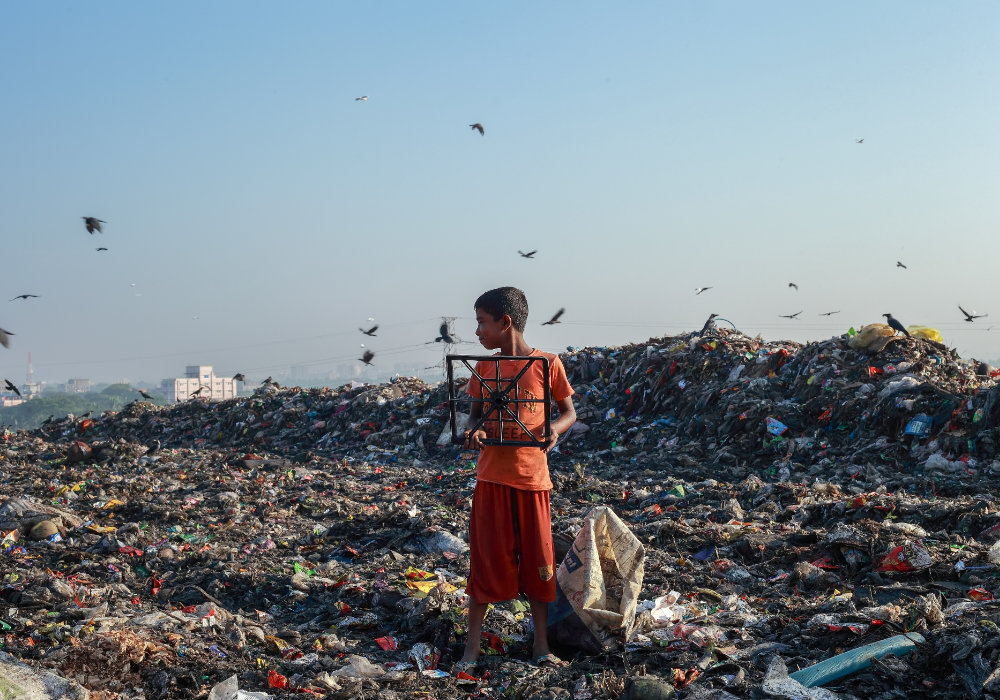
The Real Cost of Our Throwaway Culture— 11 Things Experts Fear Will Happen By 2050

Our obsession with convenience is quietly setting the planet up to fail.

©Image license via iStock

You probably don’t think twice when you toss something “away”—but what if away doesn’t really exist? Every time you chuck a broken gadget, a takeout container, or a fast fashion impulse buy, it doesn’t just vanish into thin air. It lingers somewhere, piling up with everyone else’s castoffs in a growing mountain of waste we’re pretending we don’t see. And yeah, maybe it feels small. Just one plastic fork. Just one more Amazon box. But zoom out a little, and the picture gets seriously uncomfortable. Our throwaway culture isn’t just wasteful—it’s setting the stage for long-term fallout that experts are increasingly freaked out about.

We’re talking about changes that could hit home in ways that affect your health, your wallet, and your future. You might not see the full impact yet, but the trajectory we’re on has some serious consequences. And by 2050? Some of those consequences may be irreversible. You can ignore it for now, but the bill is coming due—and it won’t be cheap.

Read more

12 “Zero Waste” Brands That Generate More Hype Than Impact

The planet doesn’t need prettier packaging, it needs real change.

©Image license via Canva

We’ve all fallen for it—a sleek label, a pastel font, and a promise to “save the planet” with every purchase. The zero-waste movement exploded with good intentions, but somewhere along the way, it got swallowed by aesthetics and algorithms. Now, it’s hard to tell which brands are doing real environmental work and which are just slapping eco-buzzwords on overpriced products wrapped in “compostable” greenwashing.

Here’s the truth: being zero-waste isn’t about owning the right metal straw or bamboo toothbrush. It’s about reducing consumption at the root, not just making the trash prettier. But that message doesn’t sell as easily. That’s why so many companies are capitalizing on guilt and vibes instead of accountability. The brands below may look good on your shelf, but dig a little deeper—and you’ll find more marketing than movement.

Read more

You’re Wasting Money and Plastic on These 10 Refillable Products

Tossing and rebuying these products is burning your cash and trashing the planet.

©Image license via Canva

You probably bought that reusable bottle, refillable cleaner, or eco-friendly soap pump with good intentions. It felt like a smart choice—less waste, more value, maybe even a step toward a lower-impact lifestyle. But somewhere along the way, the habit didn’t stick. You used it once, maybe twice, and the next time it ran out? You just bought another new one.

This isn’t about shame—it’s about the trap we’ve all been set up to fall into. Brands talk a big game about sustainability, but they still profit more when you replace instead of refill. Convenience wins. Refills are often hidden on bottom shelves or priced nearly the same as new items. And slowly, the pile of plastic and pointless spending adds up. Not because you’re doing anything wrong—but because the system is designed to keep you on autopilot.

Read more

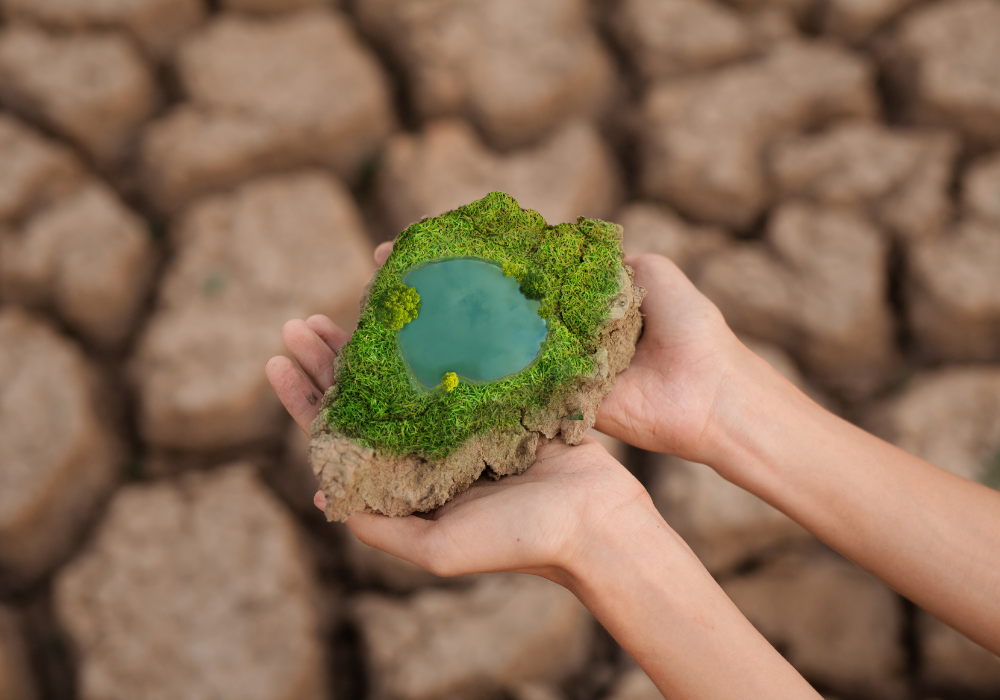
13 Everyday Things Americans Do That Are Killing Our Water Supply

You could be wrecking the planet’s water—and not even know it.

©Image license via iStock

You might think you’re just going about your normal day—showering, doing laundry, grabbing takeout—but some of those “normal” habits are helping drain one of our most precious resources. Water might seem infinite when it’s pouring from your tap or filling your washing machine, but the truth is way more alarming. America uses more water per person than almost any other country, and much of that usage is completely unnecessary—or worse, wildly wasteful.

The scariest part? You probably don’t even realize it’s happening. That’s how sneaky this problem is. It’s woven into convenience, comfort, and “the way things have always been done.” But that mindset is exactly what’s pushing lakes, rivers, and aquifers toward disaster. And once they’re gone, they’re not coming back in a hurry. If you care at all about clean water in your future—or for the people who come after you—it might be time to rethink the small stuff. Because it all adds up.

Read more