The Best Places on Earth to See Real Dinosaur Footprints

Footprints frozen in time reveal where dinosaurs once moved across ancient landscapes.

©Image license via Canva

These fossilized footprints aren’t bones locked behind museum glass. They are frozen moments from the Age of Dinosaurs that you can still see in the open world today. Preserved in stone, these tracks record where dinosaurs walked, paused, and sometimes moved together across soft ground millions of years ago.

From riverbeds in the United States to cliffs, beaches, and mountain walls across Europe and South America, each site captures a different prehistoric scene. Some tracks are enormous and unmistakable, while others reveal subtle details like toe marks or shifting weight.

Together, these places offer one of the most direct connections we have to dinosaur behavior, showing not just what dinosaurs were, but how they moved through their ancient landscapes.

Read more

A Maya Royal Tomb Was Emptied and Burned in Public. The Aftermath Changed Everything

Burned royal artifacts reveal a deliberate act meant to erase power and signal a new ruling order.

©Image license via Planet Sage/Chat GPT

Burned artifacts don’t usually survive long enough to tell clear stories. But at one Maya site, fire left behind something rare: physical evidence of a deliberate political act meant to erase a ruling dynasty’s power rather than simply destroy its possessions.

Archaeologists studying a royal compound found signs that sacred objects were removed from a tomb, broken, and burned in a public space. This wasn’t random violence or accidental damage. The pattern suggests a carefully staged event tied to the end of one regime and the rise of another.

Instead of a sudden collapse, the evidence points to an intentional dismantling of royal authority—using fire as a message everyone would understand.

Read more

The Race to Uncover Ancient Lost Worlds Now Hidden Under the Sea

Beneath the ocean floor are traces of human worlds we are only beginning to find.

©Image license via Planet Sage/Chat GPT

Ancient coastlines that once supported thriving human communities now lie far beneath the ocean’s surface. During the last Ice Age, sea levels were dramatically lower, exposing vast plains, river valleys, and coastal zones where people hunted, traveled, and settled for thousands of years.

As glaciers melted, rising seas slowly drowned these landscapes. Instead of sudden catastrophe, the flooding happened over generations, allowing traces of human life to be buried under sediment rather than destroyed outright. For a long time, archaeologists assumed these places were lost forever.

New technology and large-scale research projects are proving otherwise. Scientists now say entire chapters of human history are preserved underwater—but modern activity means the window to study them is rapidly closing.

Read more

Record-Breaking Elizabethan Gold Coin Sells for $372,000 at Auction

Minted for a powerful queen, lost for centuries, and now worth hundreds of thousands.

©Image license via Planet Sage/Chat GPT

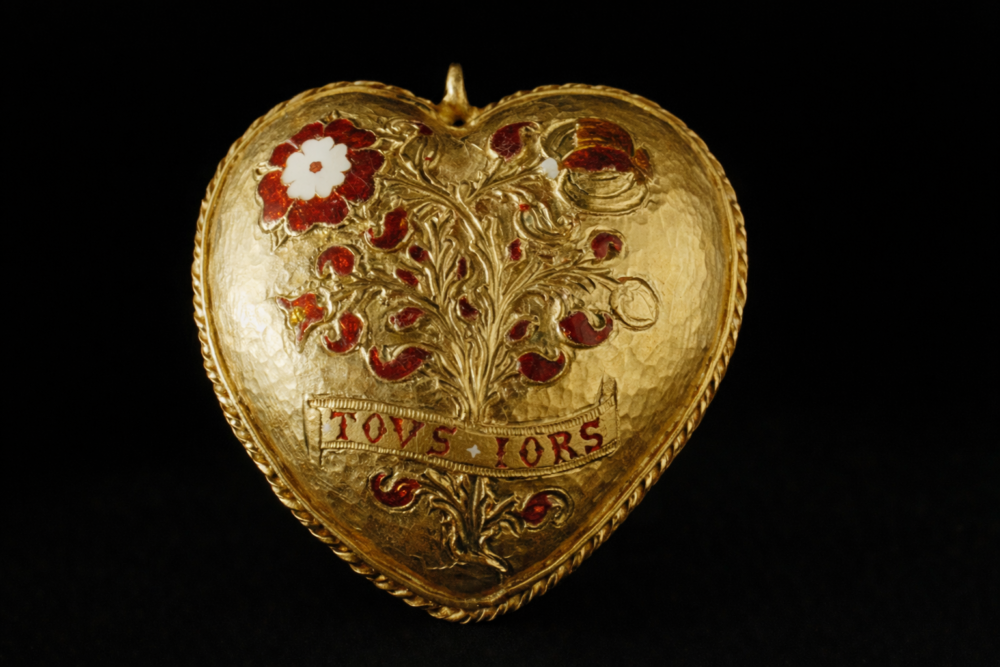
Most coins pass through our hands without leaving an impression. But once in a while, a single coin survives for centuries and suddenly pulls history into focus. That’s what happened when a rare Elizabethan gold coin reappeared and stunned collectors with both its story and its price.

Struck more than 400 years ago during the reign of Elizabeth I, the coin wasn’t made for ordinary spending. It was a message in gold, created at a time when England was asserting itself as a rising naval power and carefully shaping how it wanted to be seen.

When this coin sold for hundreds of thousands of dollars, it wasn’t just because it was old. It was because it captured ambition, power, and survival in a form small enough to fit in the palm of your hand.

Read more

Why Your Quarters Will Look Different in 2026

A once-in-a-generation date and new designs are quietly coming to the coins you use every day.

©Image license via Planet Sage/Chat GPT

Most people don’t pay much attention to the coins in their pocket. Quarters are background noise—used, spent, forgotten. But in 2026, that everyday change is about to carry a message tied to a once-in-a-generation moment in American history.

To mark 250 years since the nation’s founding, the U.S. is rolling out a special set of quarters with new imagery and an unusual dual date. These coins aren’t collectibles locked away in cases—they’re meant to circulate.

That means millions of people will encounter history by accident. And if you’re not looking closely, you might miss why these quarters are different, and what they’re trying to quietly say.

Read more

Archaeologists Unearth Ireland’s Largest Prehistoric Village, Revealing a Surprisingly Complex Society

Thousands of ancient homes discovered on an Irish hilltop are reshaping how early communities actually lived.

©Image license via Planet Sage/Chat GPT

Archaeologists in County Wicklow have uncovered evidence of what may be Ireland’s largest prehistoric clustered village, with hundreds of closely packed homes spread across a hillfort landscape at Brusselstown Ring.

The scale of the discovery suggests a level of planning, cooperation, and daily coordination rarely associated with this period. Instead of scattered farmsteads, this site points to dense living, shared infrastructure, and complex social organization thousands of years ago.

The find matters now because it forces a reassessment of how early communities functioned, revealing that large, interconnected societies may have emerged earlier and more locally than once believed.

Read more

The Origins of These Common Idioms Are Stranger Than You’d Ever Expect

Many of these everyday phrases started with stories far stranger than their modern meanings.

©Image license via Planet Sage/Chat GPT

Idioms slide into conversation so smoothly that we rarely question them. Yet many started as literal references to brutal jobs, odd courtroom rules, outdated medicine, or everyday fears that sound unreal today.

Over time, the original scenes vanished while the phrases stayed, turning into casual shorthand for stress, luck, or bad decisions. In this gallery, each slide uncovers the stranger backstory behind a familiar saying, then traces how that meaning drifted as generations repeated it.

By the end, you’ll hear these phrases differently, and maybe retire a few of them at the dinner table. Some origins are funny; others are genuinely grim.

Read more

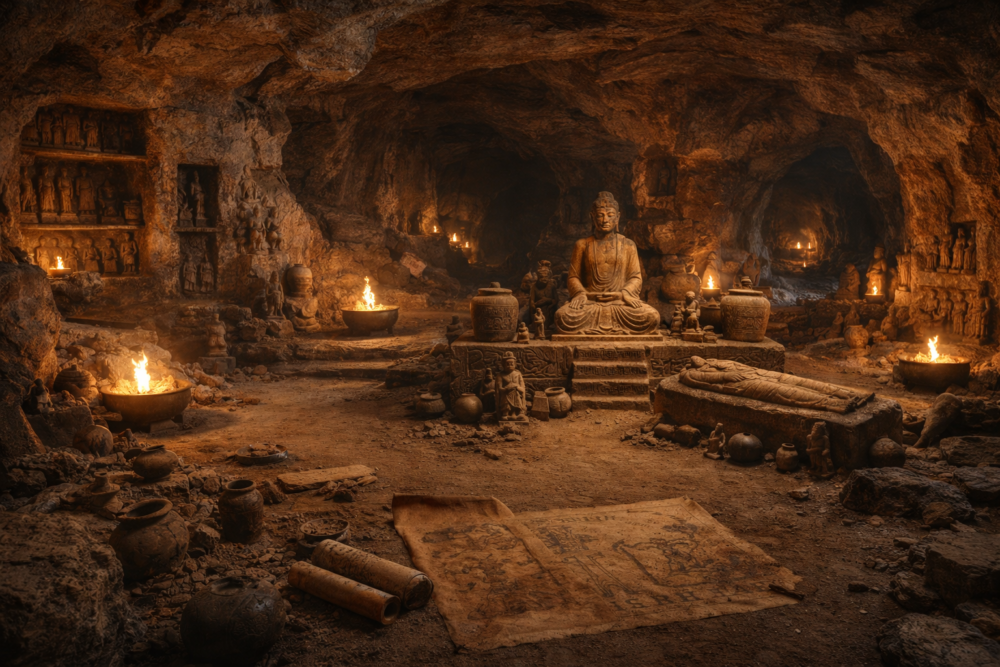
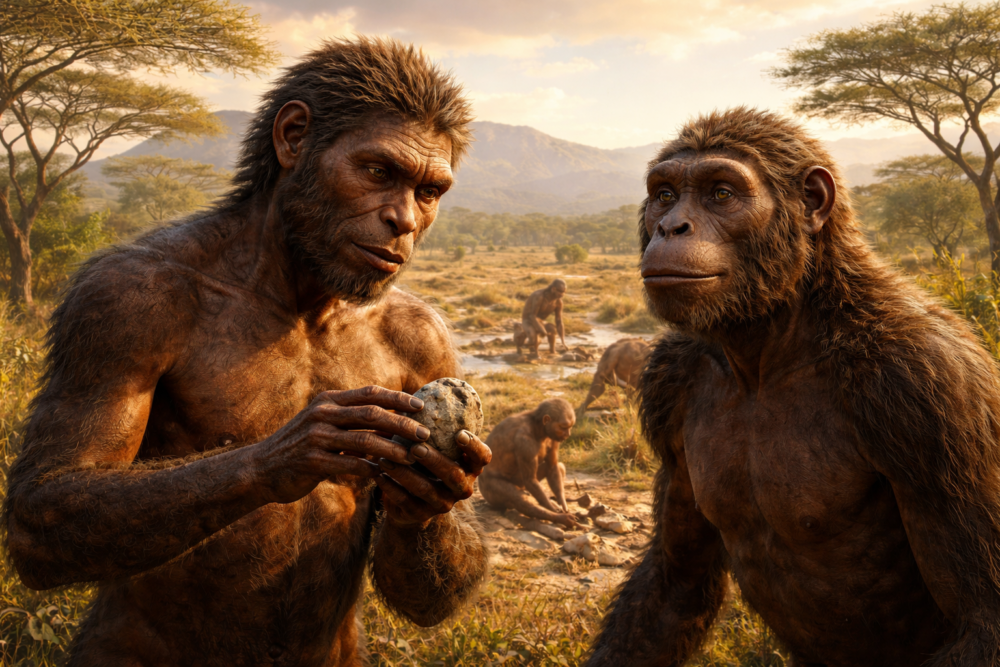
These Ancient American Sites Are Forcing a Rethink of Early History

Ancient civilizations in the Americas were far older and more advanced than once believed.

©Image license via Canva

Archaeologists are uncovering evidence that suggests early American civilizations were far older and more advanced than previously believed. Sophisticated tools, construction techniques, and artwork hint at organized societies that flourished long before conventional timelines suggest.

These discoveries are forcing scientists to reconsider long-accepted theories about when humans first arrived in the Americas and how their cultures evolved. Each new find adds to a growing picture of an ancient world far more complex than history books once described.

Read more

The World’s Oldest Restaurant Just Turned 300 and It’s Still Serving Dinner in Madrid

It’s been open since 1725, survived wars and pandemics, and still cooks meals the same way today.

©Image license via Wikimedia Commons

In a narrow street near Madrid’s Plaza Mayor, a restaurant has been quietly doing the same thing for three centuries: serving dinner to anyone who walks through its doors. Founded in 1725, Sobrino de Botín is officially recognized as the world’s oldest continuously operating restaurant.

It has outlasted empires, wars, political upheaval, and modern tourism booms without ever closing its kitchen for good. Its survival isn’t just about age, but about consistency.

The restaurant still cooks traditional dishes using methods that predate electricity, refrigeration, and even the concept of modern dining, offering a rare window into how everyday life once tasted.

Click through to learn what life was like when Sobrino de Botín first opened.

Read more

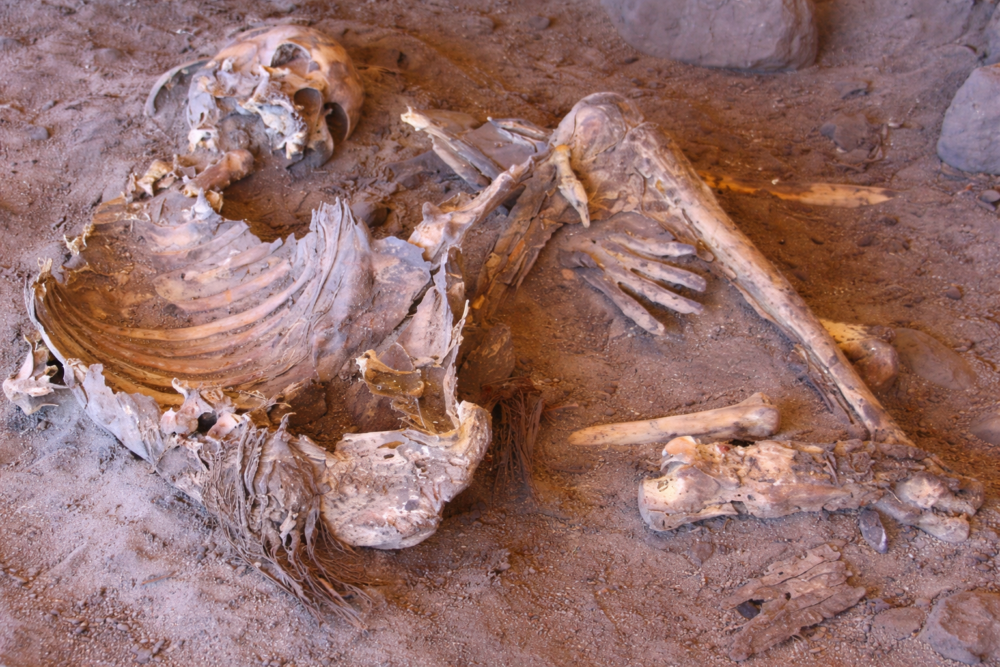
A 68-Million-Year-Old Egg Found in Antarctica Is Changing How Scientists See Prehistoric Life

The leathery fossil puzzled researchers for years — until its true nature began to emerge.

©Image license via Planet Sage/Chat GPT

In the late 2000s, Chilean researchers working on Seymour Island near Antarctica uncovered something that didn’t resemble any fossil they expected to find. The object was leathery, wrinkled, and oddly deflated, more like a collapsed football than a bone or shell.

Unsure what to make of it, scientists nicknamed the specimen “The Thing.” Measuring roughly 11 by 8 inches, it was large, soft, and puzzling enough that it sat largely unstudied for years.

Only later did detailed analysis reveal that this strange object was a fossilized egg dating back about 68 million years.

Click through to learn how its unusual structure and contents are now reshaping how scientists think about prehistoric reproduction, survival, and life in the final days of the dinosaur era.

Read more