The Village That Faced the Plague—and Chose to Die So Others Could Live

The extraordinary true story of the village that defied the Black Death.

©Image license via Barrie Davenport

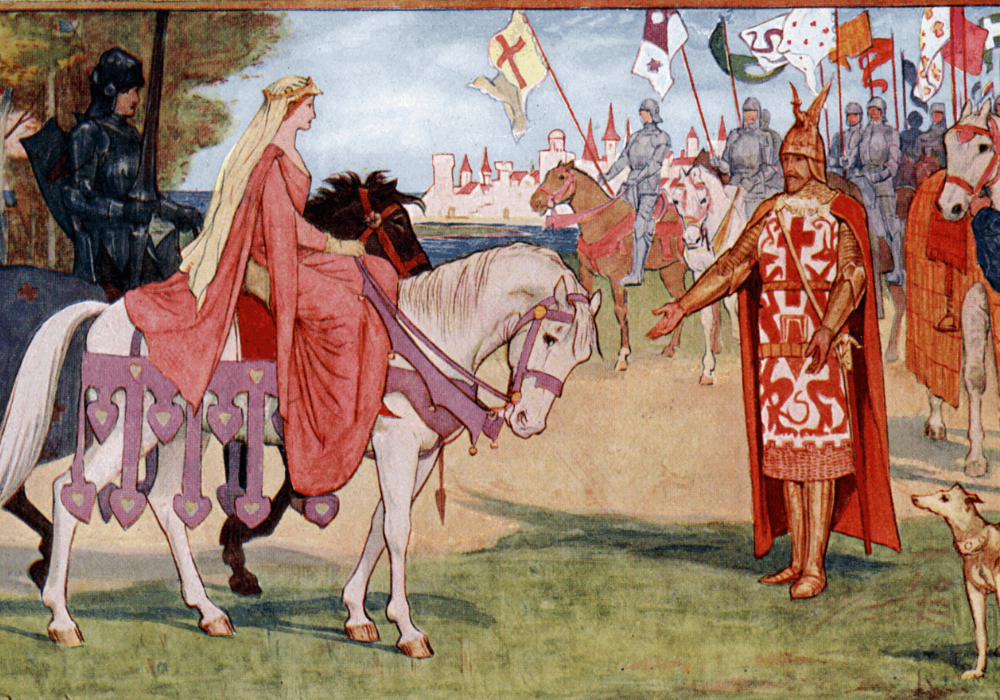
When the plague reached the tiny village of Eyam in 1665, its people faced an impossible decision: flee and spread the disease—or stay and face death together. What happened next became one of history’s most extraordinary acts of courage. Entire families isolated themselves, knowing it would save others beyond their stone walls. Their sacrifice changed the course of the epidemic—and turned this quiet English village into a lasting symbol of selflessness and bravery.

Read more

The Only Surviving Eyewitness to Pompeii’s Destruction Left Chilling Letters

Nearly 2,000 years ago, a young Roman watched Mount Vesuvius bury Pompeii—and his letters remain the only eyewitness record of the catastrophe.

©Image license via Picryl

When Mount Vesuvius erupted in 79 A.D., few lived to describe the horror. But a 17-year-old Roman named Pliny the Younger witnessed the disaster from across the Bay of Naples and later recorded every terrifying detail in letters to the historian Tacitus. His words paint a vivid picture of black skies, falling ash, and desperate escape—an event that claimed thousands of lives, including his uncle, Pliny the Elder. Nearly two millennia later, his haunting letters still define how the world remembers Pompeii.

Read more

The Untold Tragic Ending of the Lewis and Clark Expedition

Their legendary journey mapped a new nation—but what happened after the expedition was far darker than most Americans realize.

©Image license via Picryl

The Lewis and Clark Expedition is often celebrated as a triumph of courage and exploration—a journey that opened the American West and defined a new nation’s sense of possibility. But when the Corps of Discovery returned home in 1806, the glory they expected didn’t last. Fame gave way to politics, rivalry, and disillusionment as the explorers faced a country already moving on. What began as an adventure of unity and discovery would end with a tragedy few Americans ever heard about.

Read more

The White House East Wing Was Just Destroyed — And Its History Is Astonishing

Once a quiet cornerstone of presidential life, the East Wing’s demolition marks the end of a historic era.

©Image license via Wikimedia Commons

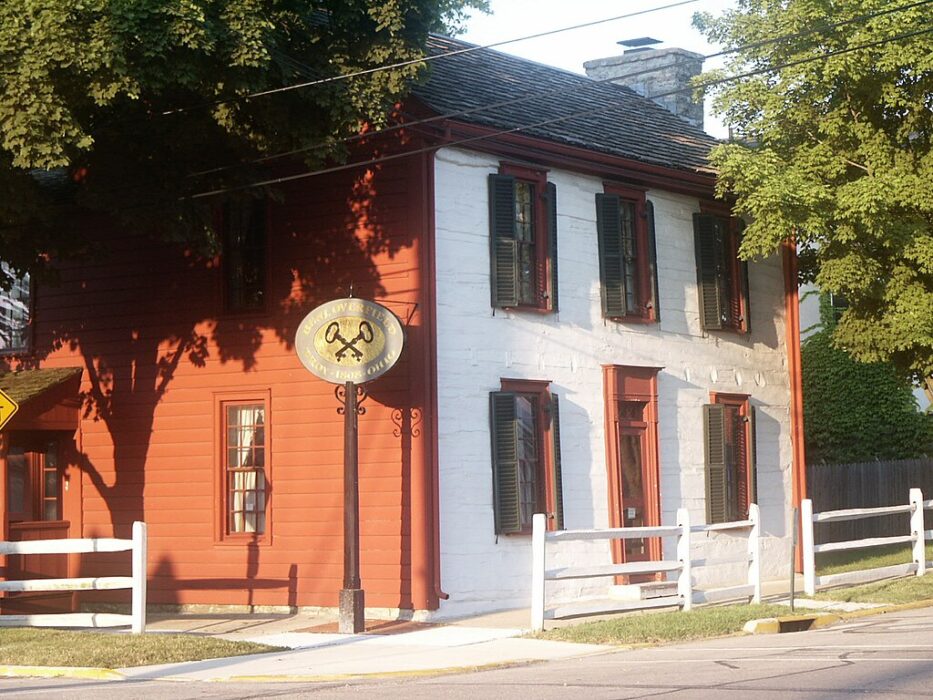
In a move that surprised historians and the public alike, the White House East Wing—long home to the First Lady’s offices and decades of presidential history—was recently demolished as part of a major renovation project. Behind its walls once unfolded stories of wartime planning, state visits, and private family life. Its destruction not only reshapes the White House complex but also closes a remarkable chapter in America’s architectural and political history.

Read more

Unexplained Rock Structures in the Smokies Are Baffling Scientists and Historians Alike

Experts are investigating a series of mysterious stone formations deep in the Smoky Mountains that defy current explanations.

©Image license via Chat GPT

Deep within the Great Smoky Mountains, a string of unexpected stone structures has caught the attention of archaeologists and historians. These stone walls and formations—some tucked away in dense forest and far from known historical settlements—don’t align with documented indigenous, colonial, or natural patterns in the region. While the National Park Service notes the Smokies contain numerous archaeological traces from Native American and pioneer eras, these particular formations remain unexplained and under study.

Read more

Archaeologists Finally Reveal Who Was Really Buried Beneath Stonehenge

Isotopic analysis of the human remains at Stonehenge reveals non-local origins and elite selection for burial rites.

©Image license via Wikimedia Commons

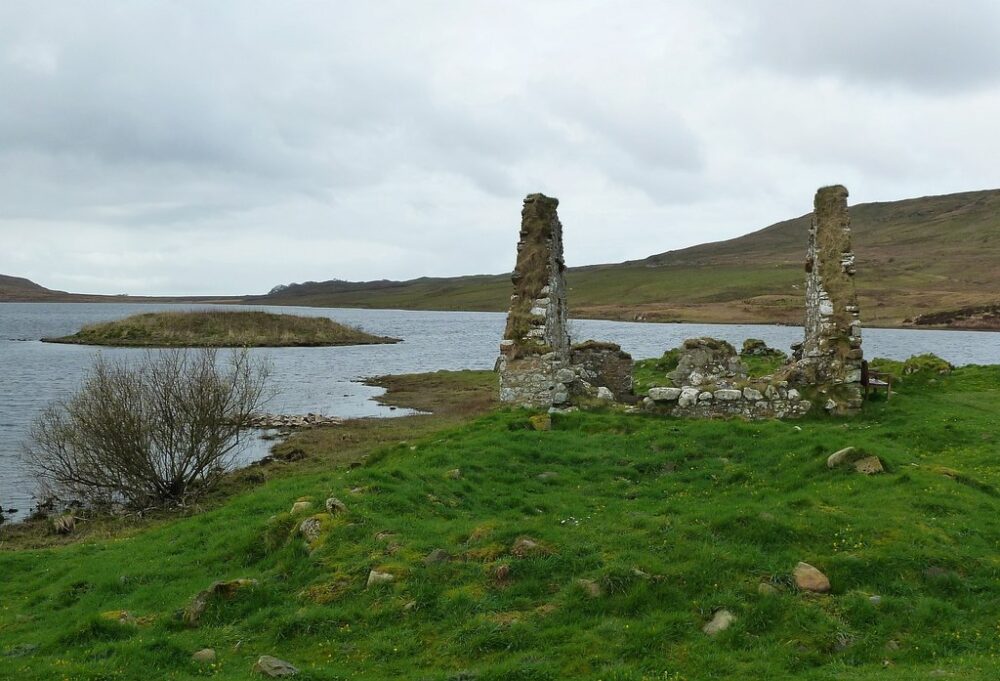
Recent research into the burials at Stonehenge is rewriting how we understand the iconic monument. Scientists have analyzed cremated remains from the site and found that some individuals weren’t from Salisbury Plain but from far-flung regions such as west Wales. The concentration of male burials—some with rich grave goods—suggests Stonehenge was more than a ritual site; it may have served as a burial ground for an elite, mobile group. These findings shed new light on ancient travel, status, and networks in Neolithic Britain.

Read more

These Ancient Predictions About Modern Life Actually Came True

From early philosophers to medieval astronomers, some ancient predictions about technology, science, and society have proven remarkably accurate.

©Image license via Canva

Throughout history, civilizations have tried to imagine the world to come—and some got it surprisingly right. From Greek thinkers who envisioned robots to Renaissance scholars who described space travel centuries before rockets existed, ancient predictions sometimes aligned with the realities of modern life. Archaeological evidence, translated manuscripts, and early scientific writings reveal how past minds foresaw advances like artificial intelligence, communication networks, and global change long before technology made them possible—proof that imagination often precedes invention.

Read more

The Night a Giant Wave Sank the Ocean Ranger—The World’s Largest Oil Rig

In 1982, the Ocean Ranger—then the world’s largest offshore oil rig—vanished in a violent North Atlantic storm, killing all 84 aboard.

©Image license via Chat GPT

On February 15, 1982, the Ocean Ranger, a towering offshore drilling platform hailed as “unsinkable,” was struck by a monstrous wave during a fierce storm off Newfoundland. Within hours, the $200-million rig capsized and disappeared beneath the icy Atlantic, leaving no survivors among its 84-man crew. The disaster shocked the world, exposing design flaws, safety oversights, and the deadly power of the sea. Decades later, the Ocean Ranger remains a stark reminder of nature’s supremacy over human engineering.

Read more

What America Might Look Like Today If We’d Lost the Revolutionary War

Historians say a British victory could have created a very different North America—one loyal to the crown and divided by class.

©Image license via Picryl

If the American colonies had lost the Revolutionary War, the world as we know it might look unrecognizable. Historians say a British victory could have kept North America under royal rule, delaying democracy, altering borders, and reshaping global power for centuries. Slavery, westward expansion, and even Canada’s development might have unfolded differently. Instead of the United States, we may have lived in a patchwork of loyalist provinces—an empire where independence was a dream postponed, not a destiny fulfilled.

Read more

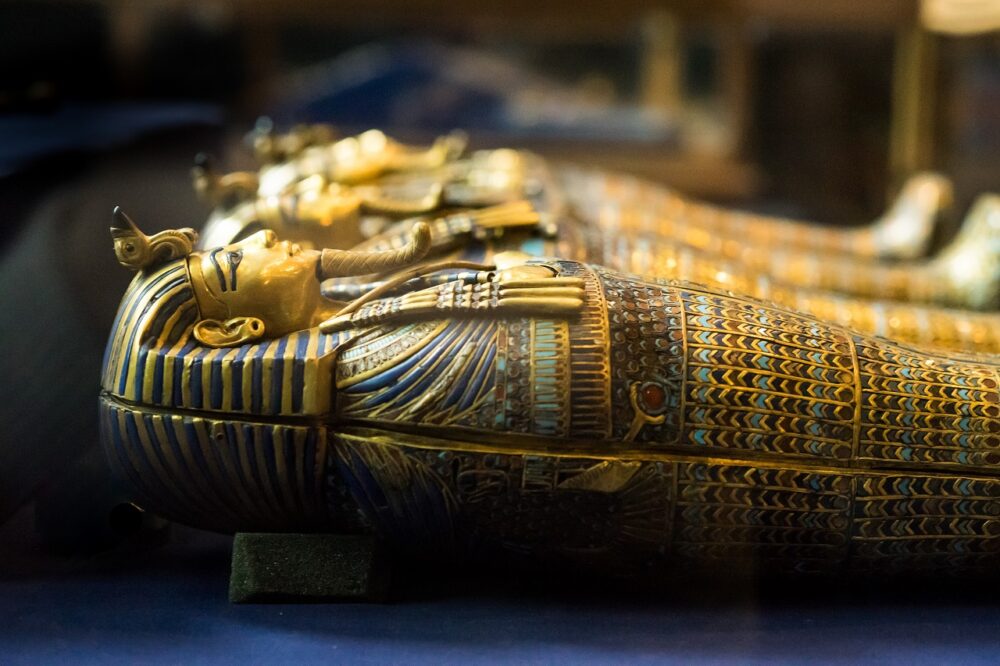
A Brief History of Death and the Afterlife in Ancient Egypt

From mummification to the weighing of the heart, ancient Egyptians saw death as a sacred journey to eternal life.

©Image license via Canva

For the ancient Egyptians, death was not an end—it was a transformation. They believed that life, death, and rebirth formed a continuous cycle governed by divine law and cosmic order. From elaborate burial rituals to sacred texts like the Book of the Dead, Egyptians prepared meticulously for the afterlife, ensuring the soul could navigate the challenges awaiting it beyond the tomb. Their complex beliefs, rituals, and monuments reveal not only their fear of death but their profound hope for immortality in a world shaped by gods, balance, and eternal renewal.

Read more