Physicists Just Found a Quantum Loophole That Could Change Space Travel Forever

Researchers found a loophole in quantum laws — and it could power the navigation of real interstellar missions.
©Image license via Chat GPT

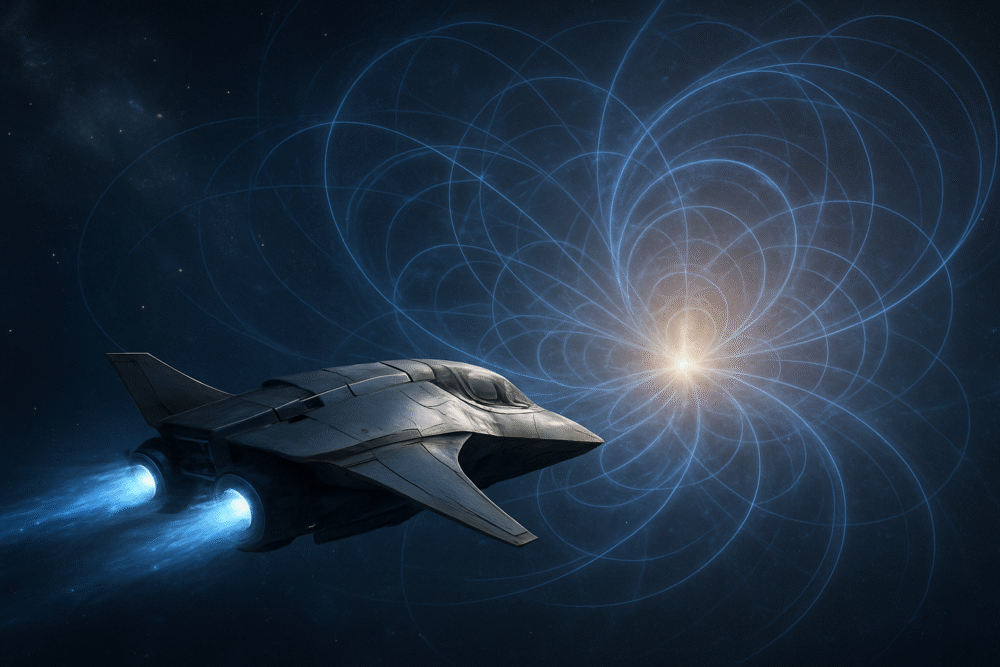
Imagine boarding a spacecraft bound for another star system — and the tricky part, long assumed impossible, is navigating accurately across light-years of empty space. Scientists have now identified a new quantum loophole that allows atomic clocks to be far more stable and precise than ever before. According to TSA-style timekeeping in GPS satellites, this breakthrough in atomic timing could one day make deep-space route-planning viable. While we’re not booking starships yet, the discovery marks a major step toward turning interstellar travel from sci-fi dream into long-term possibility.
Read more

Scientists Finally Know Why Some Homes Survive Wildfires While Others Are Lost

New research shows wildfire survival depends less on luck — and more on how communities work together.

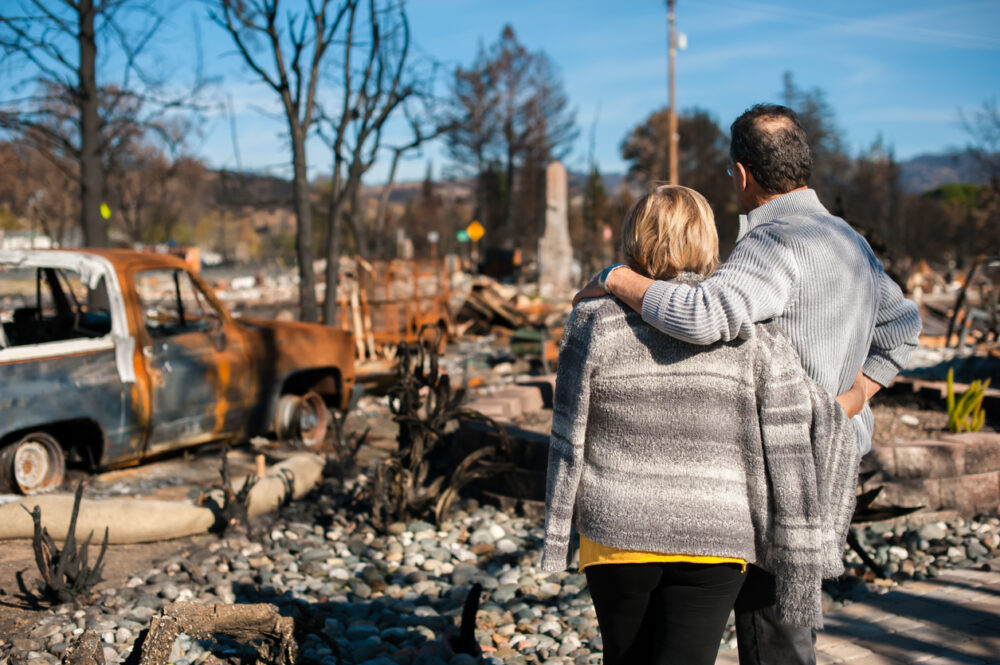
Burned forest, couple embracing center, charred debris foreground, overcast daylight, documentary style, two people.
©Image license via iStock

When wildfires tear through neighborhoods, it can seem random which homes survive and which are reduced to ash. But scientists now say there’s a clear pattern — and it’s one that communities can control. Using advanced fire simulations and post-disaster studies, researchers have found that the fate of a single house often depends on its neighbors. Gaps in defensible space, flammable roofs, and close proximity between homes can trigger block-wide ignition chains. The findings reveal that protecting one home isn’t enough — only coordinated, community-wide defenses can truly stop destruction before it starts.

Read more

If a Bridge Starts to Fall While You’re Driving, These Seconds Decide Whether You Live

Structural failures happen fast — experts say survival depends on what you do in the first five seconds.

©Image license via Picryl

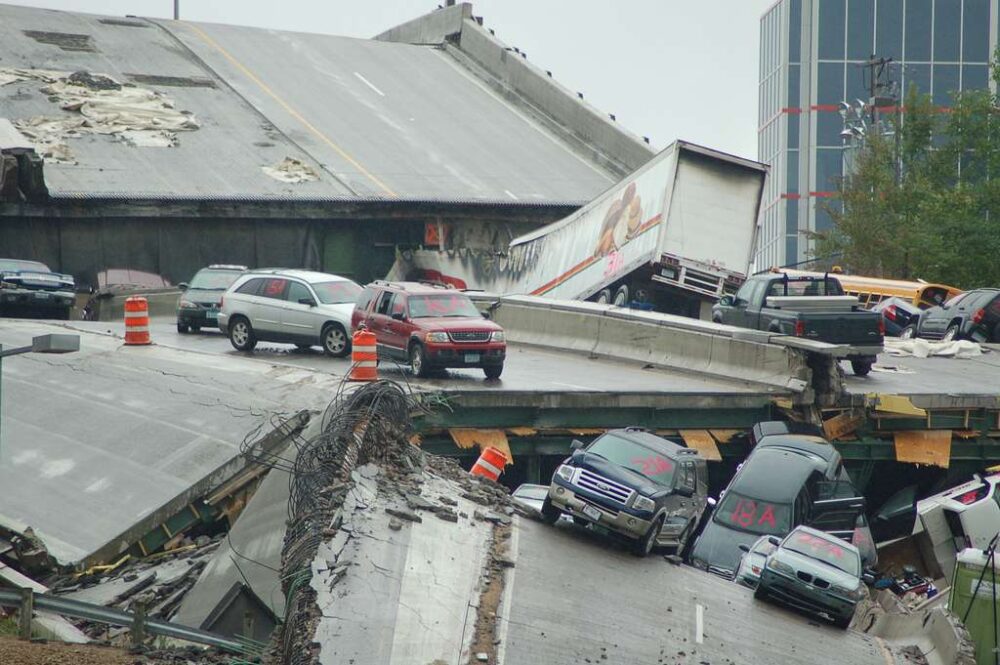
It’s a nightmare few drivers ever imagine — the ground beneath your car begins to shake, crack, and drop away as the bridge collapses. Engineers say that when a structure fails, it happens in seconds, not minutes, leaving no time for panic or hesitation. Knowing what to do in those first moments could mean the difference between life and death. Whether you’re crossing an aging highway span or a brand-new overpass, experts warn that survival depends on staying calm, reacting fast, and understanding how bridges fail — and how to get out alive.

Read more

Uranium Mining Is Back and Western States Face a New Nuclear Gold Rush

As the U.S. races to revive nuclear power, Western states are seeing a surge of new uranium exploration and mining.

©Image license via Flickr

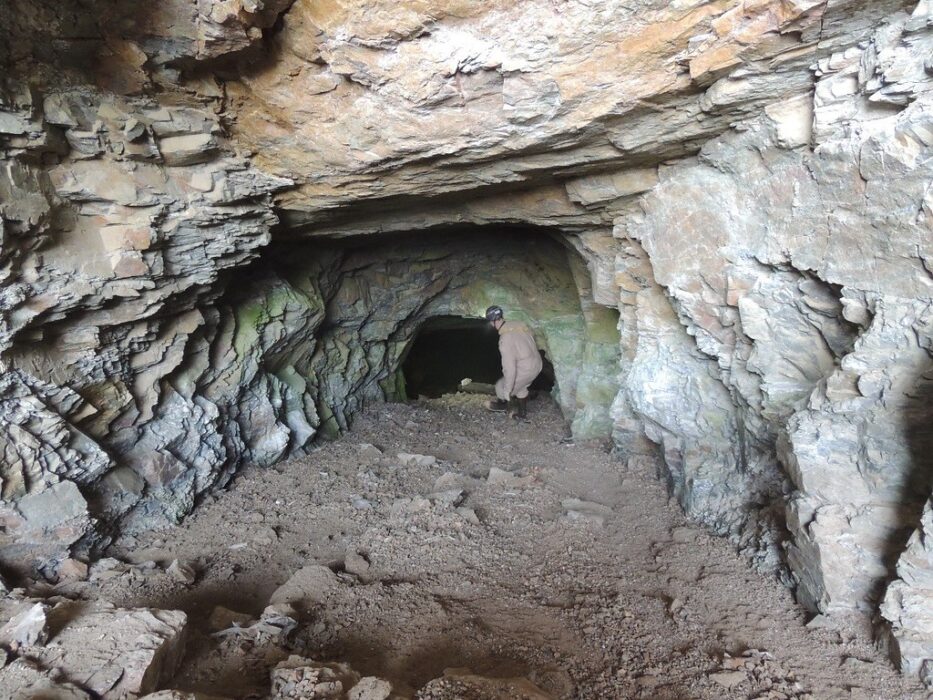
With nuclear power making a comeback as a low-carbon energy source, uranium mining is once again booming across the American West. Companies are reopening old mines and launching new projects in states like Wyoming, Utah, and New Mexico—the same regions that fueled the nation’s first atomic era. Supporters say the rush could strengthen U.S. energy independence, while critics warn of environmental and tribal impacts from renewed mining in landscapes still scarred by Cold War extraction.

Read more

Volunteers Agreed to Be Buried Face Down in the Snow — What Scientists Learned Could Save Lives

In a daring Arctic experiment, researchers uncovered a breakthrough that could change how we survive avalanches.

©Image license via Canva

At first glance, it sounds like a stunt no one would agree to — being buried face-down beneath layers of snow for science. But for a team of researchers in Italy, this extreme experiment could hold the key to saving lives in one of nature’s deadliest scenarios. Equipped with specialized monitoring gear, volunteers were completely submerged in snow while scientists measured their oxygen levels and breathing patterns. What the team discovered beneath the ice could revolutionize winter survival — offering new hope for those trapped when the snow itself becomes the enemy.

Read more

If Your Car Sinks Into Water, You Have Less Than a Minute to Survive — Here’s What to Do

Experts say panic kills faster than water — knowing these steps could mean the difference between life and death.

©Image license via Wikimedia Commons

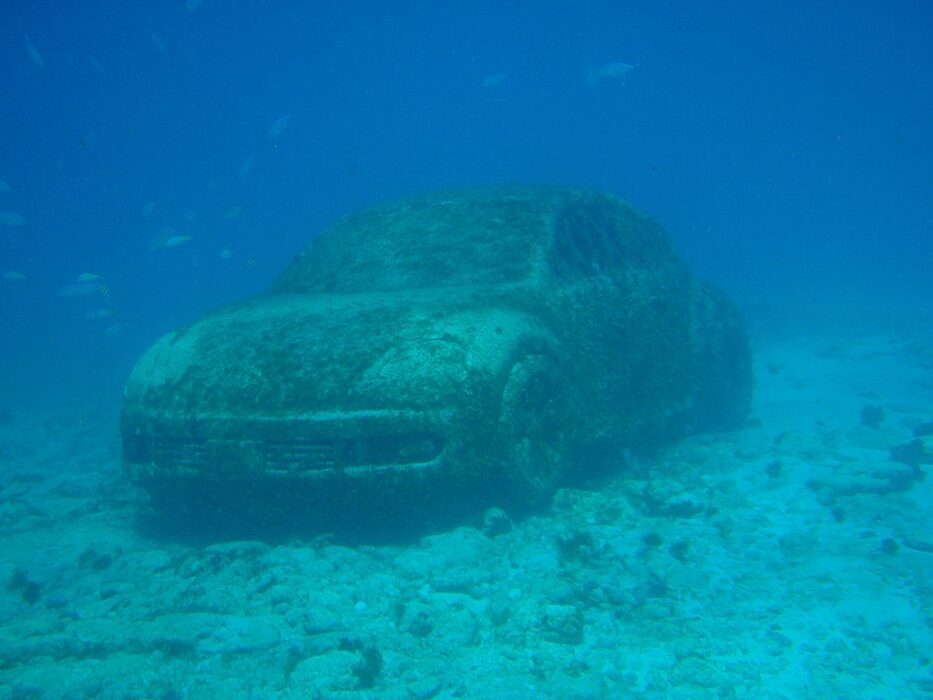
It’s one of the most terrifying scenarios a driver can face — your car plunges into water, the doors won’t open, and the cabin starts to fill. Experts say most people freeze or make fatal mistakes in those first few seconds. But survival depends entirely on speed and clarity. Water pressure builds fast, and once the car is submerged, escape becomes nearly impossible. Rescue professionals warn that you have less than a minute to act. The key is knowing exactly what to do — and doing it before panic takes control.

Read more

Why the U.S. Is Quietly Preparing to Test Nuclear Bombs Again

U.S. scientists are conducting new subcritical tests to ensure the reliability of aging nuclear weapons.

©Image license via Flickr

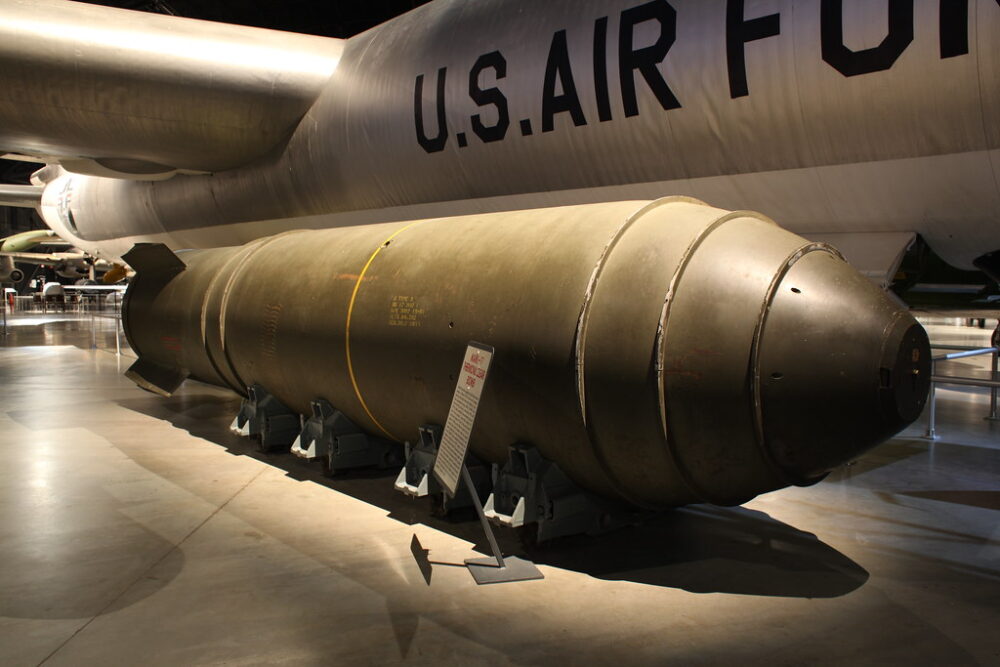
For the first time in years, U.S. officials have conducted new nuclear weapons experiments—without detonating an actual bomb. The tests, carried out deep underground at the Nevada National Security Site, are part of ongoing efforts to assess the safety and reliability of the nation’s aging nuclear arsenal. Known as “subcritical” tests, they use high explosives and plutonium but stop short of triggering a nuclear chain reaction. The data helps scientists verify that America’s warheads remain stable without full-scale explosions.

Read more

NASA Chief Warns: Every U.S. Commercial Flight Could Be Grounded Before Thanksgiving

Amid a federal shutdown, NASA’s interim chief says he could halt U.S. flights before Thanksgiving for safety.

©Image license via Canva

In a televised interview, Transportation Secretary Sean Duffy—currently serving as NASA’s interim administrator—warned he’s prepared to ground all U.S. commercial flights before Thanksgiving if the ongoing federal government shutdown undermines aviation safety. He said that if conditions become unsafe due to strained operations and staffing, “we’ll shut the whole airspace down,” emphasizing safety over holiday travel demand. The remarks escalate pressure on lawmakers as delays and staffing shortages ripple through the system during one of the year’s busiest travel weeks.

Read more

Today’s Kids Will Face Five Times More Climate Disasters Than Their Parents

New research reveals children today will experience far more floods, fires, and heatwaves than past generations.

©Image license via Canva

A new international study warns that children born in the 21st century will face dramatically more climate disasters than their parents or grandparents. Researchers from Vrije Universiteit Brussel found that, under current warming trends, today’s youth could experience up to five times more extreme events—ranging from wildfires and droughts to hurricanes and floods. The findings underscore how climate change is not just a future threat but a generational divide, reshaping childhood on a rapidly warming planet.

Read more

The World’s Population Count May Be Way Off—Here’s Why It Matters

A new study by researchers at Aalto University suggests rural-area populations have been severely undercounted worldwide.

City street, bustling pedestrians, crowded composition, bright sunlight, editorial travel photo, many people.
©Image license via iStock

A new research paper led by Josias Láng-Ritter at Aalto University suggests that widely used global population datasets may have significantly underestimated the number of people living in rural regions between 1975 and 2010. By analyzing data from 300 rural dam-project relocations across 35 countries and comparing it with global grids like WorldPop and LandScan, the study found discrepancies suggesting rural undercounts of 53 % to 84 %. If confirmed, the findings could alter how we estimate human population and allocate resources globally.

Read more