The 10 Places That Would Suffer Most in a Global Internet Collapse

Critical urban and institutional centers reveal stark vulnerabilities during internet outages worldwide.

©Image license via Canva

A global internet collapse would expose significant weaknesses in key locations heavily reliant on digital networks. From bustling metropolitan hubs to rural communities, the impact would disrupt vital services including healthcare, finance, education, and transportation. Critical infrastructure such as data centers and communication networks form the backbone of modern society, and their failure would not just cause inconvenience but also economic turmoil and compromised emergency responses, according to experts from IEEE, NIST, and MIT.

Read more

These Game-Changing Technologies Could Turn the Tide on Climate Disruption

From carbon capture to fusion power, scientists are betting on innovation to slow a warming planet.

©Image license via Picryl

As climate change accelerates, researchers and engineers are racing to develop technologies that could help stabilize the planet’s future. From renewable energy breakthroughs to carbon-capture systems and AI-driven efficiency tools, a new generation of innovations is emerging to tackle the crisis. Many are already being tested at scale, offering hope that science and technology can still make a measurable impact — if they’re deployed fast enough to counter worsening global warming.

Read more

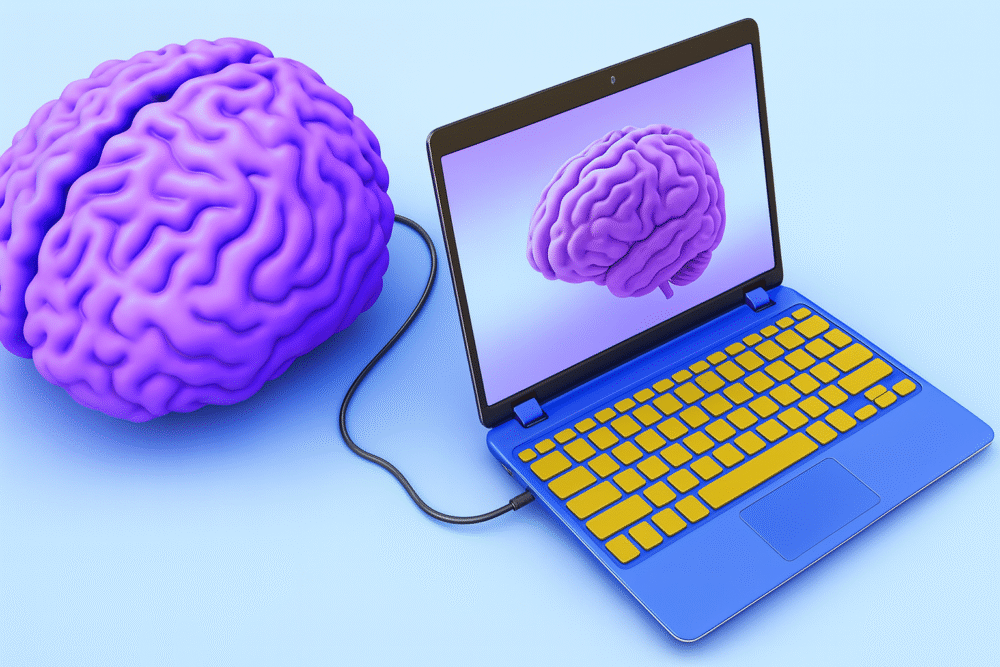
What Would Happen If the Human Brain Were Successfully ‘Uploaded’?

A successful brain upload could transform identity, memory, and human experience in profound ways.

©Image license via Chat GPT

Uploading the human brain involves transferring the mind’s processes and memories into a digital format, a concept that raises complex questions in neuroscience and technology. While it promises preservation beyond biological limits and enhanced cognitive abilities, challenges remain in replicating consciousness authentically. Experts from leading institutions like MIT and Harvard Medical School highlight ethical concerns and the impact on personal identity, emphasizing the need for thoughtful consideration as this technology advances.

Read more

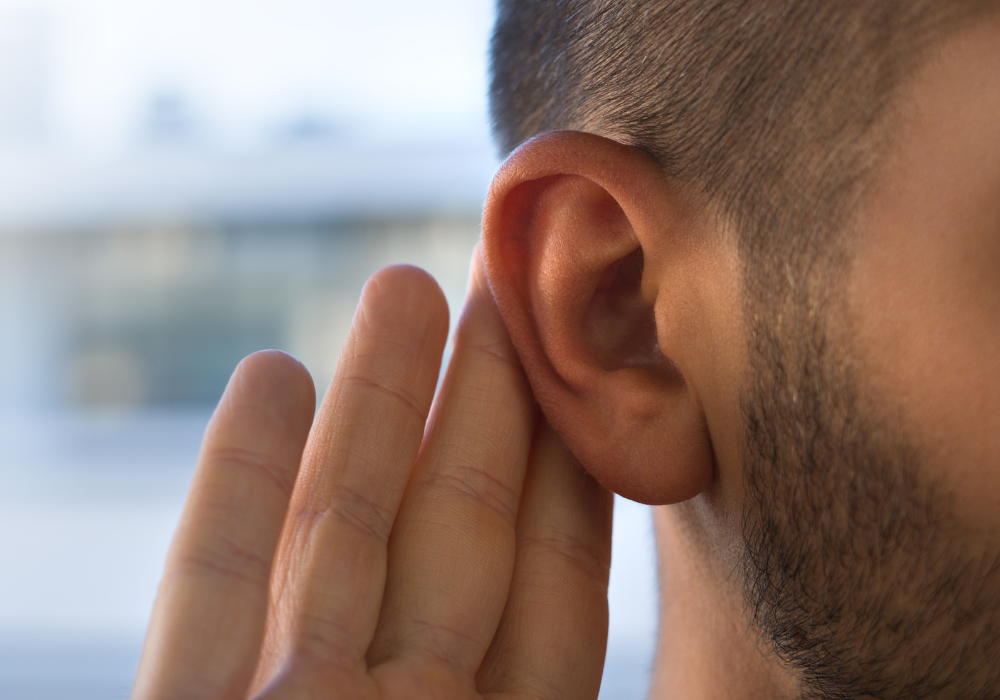
Scientists Say a Stem Cell Breakthrough Could Reverse Hearing Loss

Researchers have used stem cells to regenerate the tiny hair cells inside the inner ear, offering new hope for reversing hearing loss.

©Image license via Canva

In a breakthrough that could change how hearing loss is treated, scientists have successfully used stem cells to regrow the delicate hair cells that enable the inner ear to detect sound. These sensory cells, once destroyed by age, noise, or illness, cannot naturally repair themselves—but new lab-grown versions are showing promise in restoring hearing function. Early trials in animals have already produced encouraging results, and researchers say human clinical testing could begin within the next few years.

Read more

CRISPR Just Took a Major Step Toward Curing Genetic Diseases

A new gene-editing treatment called CRISPR is showing that it can correct some inherited diseases for good.

©Image license via Wikimedia Commons

A revolutionary gene-editing tool called CRISPR is now showing real promise in treating—and in some cases functionally curing—genetic diseases once thought untreatable. Recent clinical trials have demonstrated that the technique can precisely correct DNA mutations responsible for disorders like sickle cell disease and beta thalassemia. With the first CRISPR-based therapy now approved for patients, scientists say we are entering a new era of medicine—one where targeted gene repair could permanently eliminate the root cause of inherited illnesses.

Read more

Scientists Say Brain Stimulation Could Unlock Expanded States of Consciousness

Scientists are exploring whether linking the human brain to quantum computers could temporarily expand conscious awareness.

©Image license via Canva

A new study published in the journal Entropy proposes a bold experiment: entangle a human brain with a quantum computer to test whether consciousness is rooted in quantum processes. Lead author Hartmut Neven of Google Quantum AI Lab and co-author Christof Koch suggest that if successful, the experiment could produce an “expanded quantum superposition,” resulting in heightened awareness or creative cognition. While the theory remains far from practical, it marks a provocative step in the quest to understand and potentially alter human consciousness.

Read more

Why Humans Still Can’t Reach Mars—And What’s Holding Us Back

Decades of research and billions in funding haven’t solved the deadly challenges of sending humans to Mars.

©Image license via Canva

For decades, Mars has been humanity’s ultimate destination—a world within reach but just beyond our grasp. Despite huge advances in rocket design and life-support systems, the Red Planet remains off-limits to people. NASA, SpaceX, and international space agencies agree that the obstacles are immense: radiation exposure, long-duration isolation, and the sheer distance from Earth. Scientists say reaching Mars isn’t science fiction—it’s science limitation—and overcoming those barriers will define the next century of exploration.

Read more

‘Mirror Life’ Could Be the Next Biotech Threat—Here’s What It Means

Synthetic “mirror life” organisms defy natural biology—and could rewrite the rules of evolution.

©Image license via Canva

Researchers are experimenting with a strange new kind of biology called “mirror life,” built from molecules that are reversed versions of those in all known organisms. These synthetic life forms might resist viruses and open doors to new medicines—but they also pose risks no one fully understands. Because they can’t interact with normal DNA, they could behave in unpredictable ways, raising tough questions about containment, safety, and the limits of scientific control.

Read more

Space Debris Is Crashing Back to Earth More Often — And the Rules Haven’t Caught Up

As satellites and rocket parts fall from orbit with growing frequency, experts warn that global laws are decades behind the danger.

©Image license via Canva

Around the world, pieces of space junk—from defunct satellites to spent rocket stages—are crashing back to Earth more often than ever. While most burn up harmlessly, some survive reentry, landing dangerously close to populated areas. Scientists and legal experts warn that as space launches multiply, the odds of serious accidents are climbing—but international regulations remain outdated and unclear. With no consistent rules on who’s responsible for falling debris, the next major “crash from space” may spark a global reckoning.

Read more

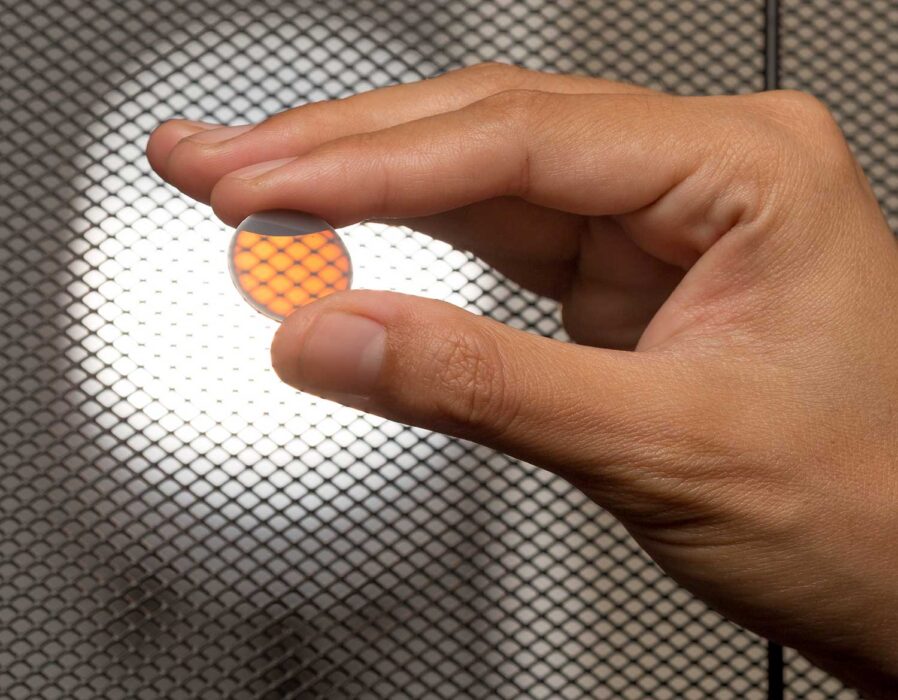
How New Brain Implants Could Help Alzheimer’s Patients Regain Lost Memories

New brain implant research is showing how electrical stimulation and AI can help restore memory function in Alzheimer’s patients.

©Image license via Jacobs School of Engineering, UC San Diego

Scientists are developing brain implants designed to mimic the way healthy neurons store and retrieve memories—a breakthrough that could help Alzheimer’s patients regain what the disease has taken. Using advanced electrical stimulation and artificial intelligence, the implants record neural activity linked to memory formation and replay it when needed. Early studies have already shown improved recall in patients with memory loss, suggesting that technology may soon play a key role in reversing cognitive decline.

Read more