Oceans Are Turning Dark—Here’s Why It’s a Huge Red Flag

A silent shift beneath the surface could reshape life on Earth—and it’s already underway.
©Image license via Canva

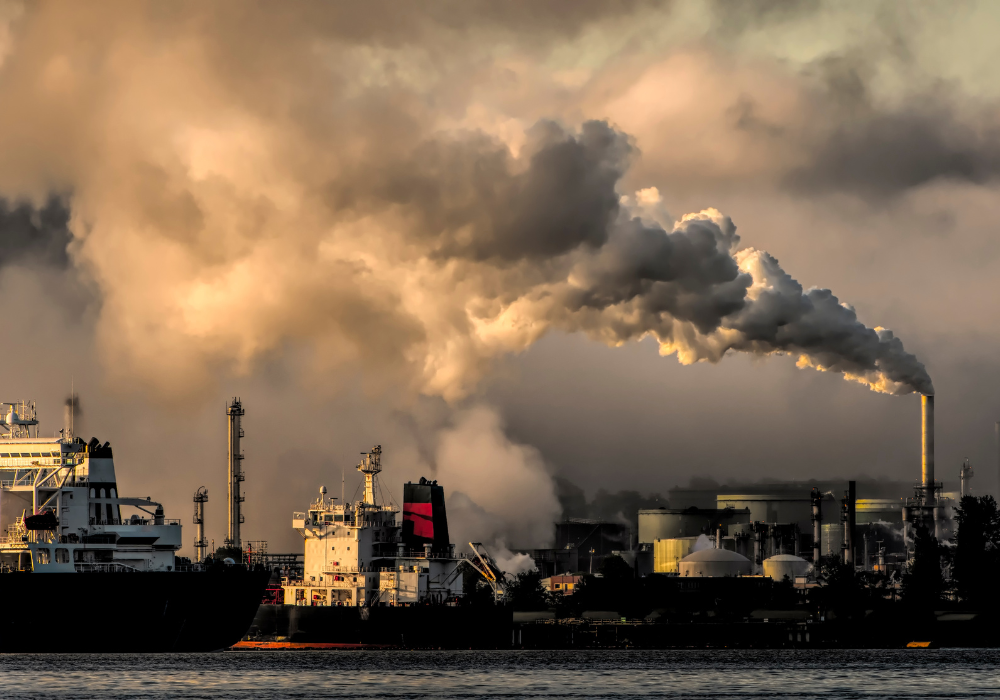
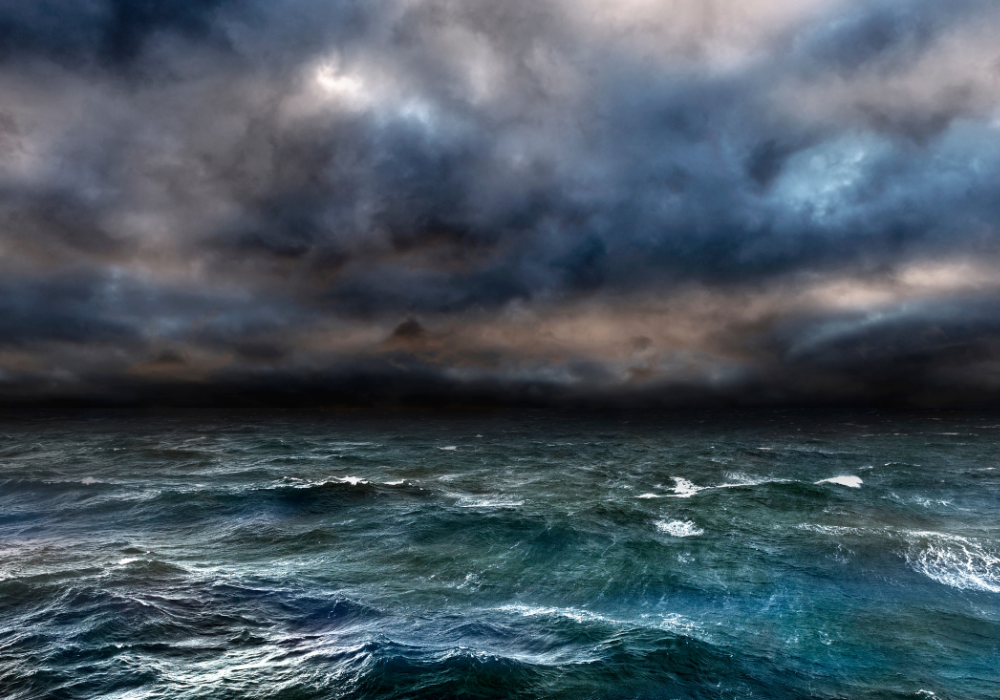
The ocean isn’t supposed to look like this. In places once known for vivid, sparkling blue water, the sea is darkening—and fast. It’s not a trick of the light or a seasonal shift. Scientists tracking satellite images have confirmed that huge stretches of the ocean are losing their color, and that change is anything but harmless.

The darker the water gets, the more it signals trouble deep below the surface. We’re talking about a shift so subtle you wouldn’t notice it from the shore, yet so massive it could affect the entire planet in ways we’re only beginning to grasp.


Read more

9 Rare Planetary Phenomena You Didn’t Know Were Affected by Climate Change

Discover surprising ways climate change is impacting Earth’s most unusual natural wonders—and why these shifts matter more than you think.

©Image license via Flickr

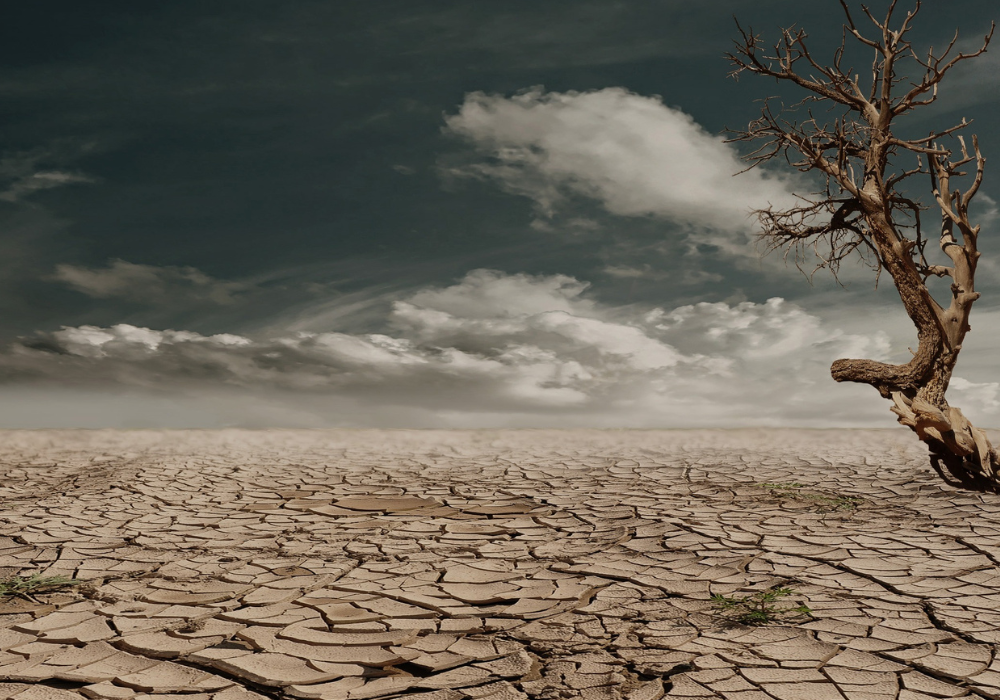
Earth is home to some truly rare and stunning natural phenomena—events so unique, they captivate scientists and nature lovers alike. But few realize that climate change is quietly reshaping these extraordinary wonders, altering how they appear and behave in ways that could ripple through ecosystems and human cultures.

Curious about what’s changing in the planet’s most unusual displays? Explore these rare planetary phenomena and discover the surprising—and urgent—impacts climate change is having on our world’s most exceptional natural spectacles.

Read more

98.7% of Scientists Say We’re Causing Climate Change—Here Are 10 Reasons People Still Push Back

Despite overwhelming scientific consensus on climate change, misinformation and emotion still drive public doubt.

©Image license via Canva

Massive wildfires, rising sea levels, extreme heat—it’s getting harder to deny that climate change is real. And yet, despite overwhelming scientific consensus, some people still refuse to accept that human activity is the main cause. In fact, a recent study confirms that 98.7% of climate scientists agree: we’re driving global warming. So why do so many people still push back against the science? The answers are more complicated—and more human—than you might expect.

Read more

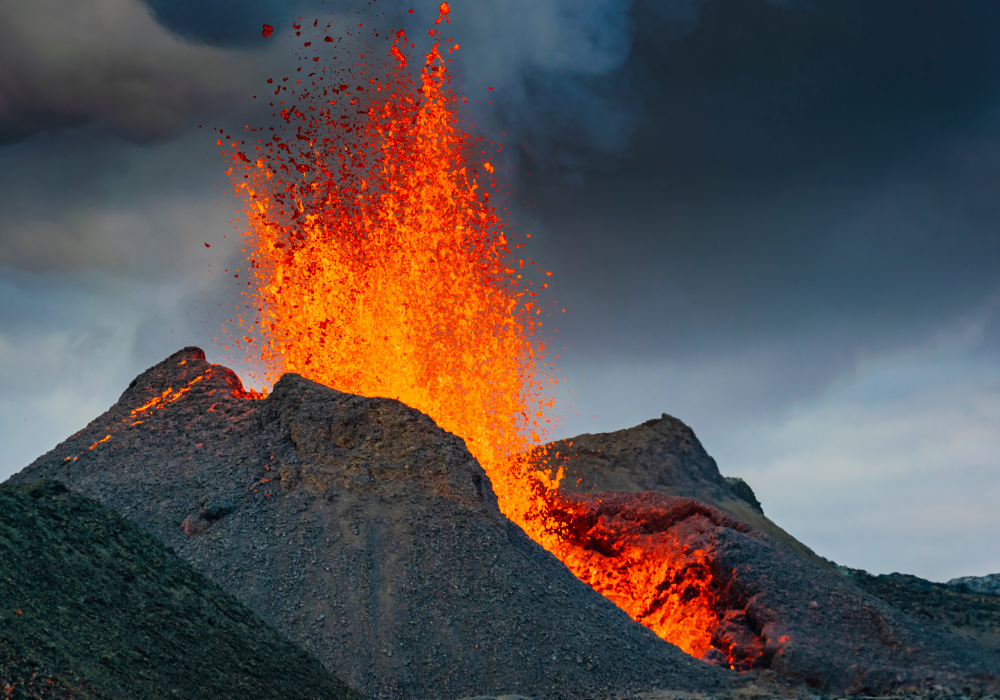
12 Terrifying Clues a World-Ending Volcanic Eruption Could Be Closer Than We Think

Geologists are tracking ominous signals that point to a catastrophic volcanic eruption ahead.

©Image license via Canva

Scientists studying catastrophic volcanic risk are raising alarm bells: according to Dr. Lara Mani of Cambridge’s Centre for the Study of Existential Risk (CSER), there’s a “one‑in‑six chance of a magnitude‑7 eruption this century” —a risk likened to the odds of a 1 km asteroid strike. Such an eruption—far stronger than recent events—could trigger a volcanic winter, collapse global food systems, and disrupt economies worldwide.

While supervolcanoes like Yellowstone aren’t expected to erupt imminently, rising seismic and gas signals have raised concern. These clues suggest that a potential world‑ending volcanic eruption may be closer than we hope.

Read more

11 Chilling Clues That the Sixth Mass Extinction Has Already Begun

Scientists say Earth is losing biodiversity at a terrifying rate—and the sixth mass extinction may already be underway.

©Image license via Canva

Mass extinction isn’t just ancient history—it’s happening now, and scientists say we’re entering the sixth one. According to biologist Gerardo Ceballos in an article for SciNews, vertebrate species are vanishing up to 114 times faster than the natural background rate—meaning what should have taken up to 10,000 years is happening within a single century .

Drivers like climate change, habitat destruction, pollution, and overexploitation are pushing Earth’s biodiversity to collapse. From insects to mammals to coral reefs, ecosystems are collapsing faster than we thought. This isn’t a future warning—it’s a present reality.

Read more

Big Freeze Ahead? What the Polar Vortex Has in Store for Your Next 5 Winters

Brace yourself for colder, crazier seasons as scientists warn of more polar vortex surprises ahead.

©Image license via Flickr

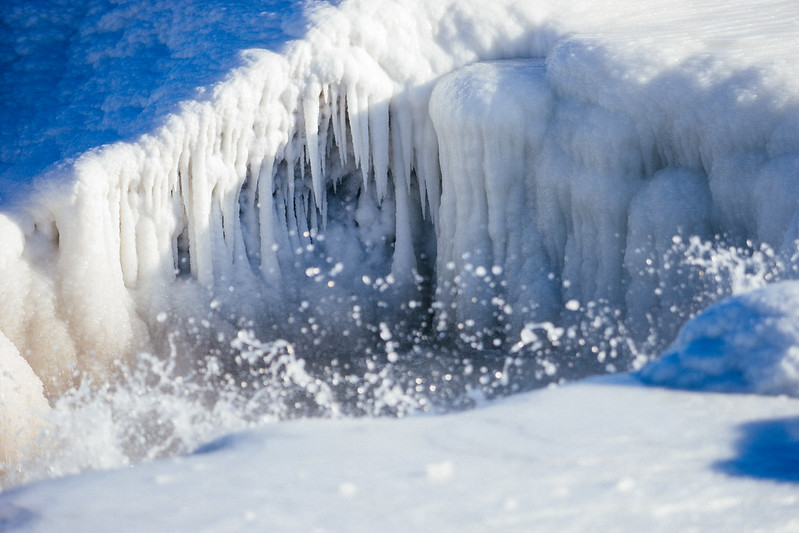
A powerful atmospheric force may be shaping your next five winters—and it’s not going away anytime soon. The polar vortex, a high-altitude pocket of icy air that swirls around the Arctic, has been making more frequent and forceful visits to the U.S. in recent years.

Scientists warn that climate shifts are destabilizing this once-contained system, allowing frigid air to spill southward and trigger extreme cold events across North America. But what does that mean for your local forecast—and your future winters? Will the coming seasons bring prolonged cold snaps, heavier snowfall, or wild weather swings?

New research offers compelling clues. As meteorologists track shifting patterns and long-range models, a clearer picture is emerging—one that may influence how we prepare for winter for years to come. Here’s what the polar vortex could bring to your doorstep through 2030.

Read more

13 Vital Services Earth Performs For People—Now Under Threat

Explore how climate change and pollution are threatening the essential life-support systems our planet provides—and what’s at stake for humanity.

©Image license via Canva

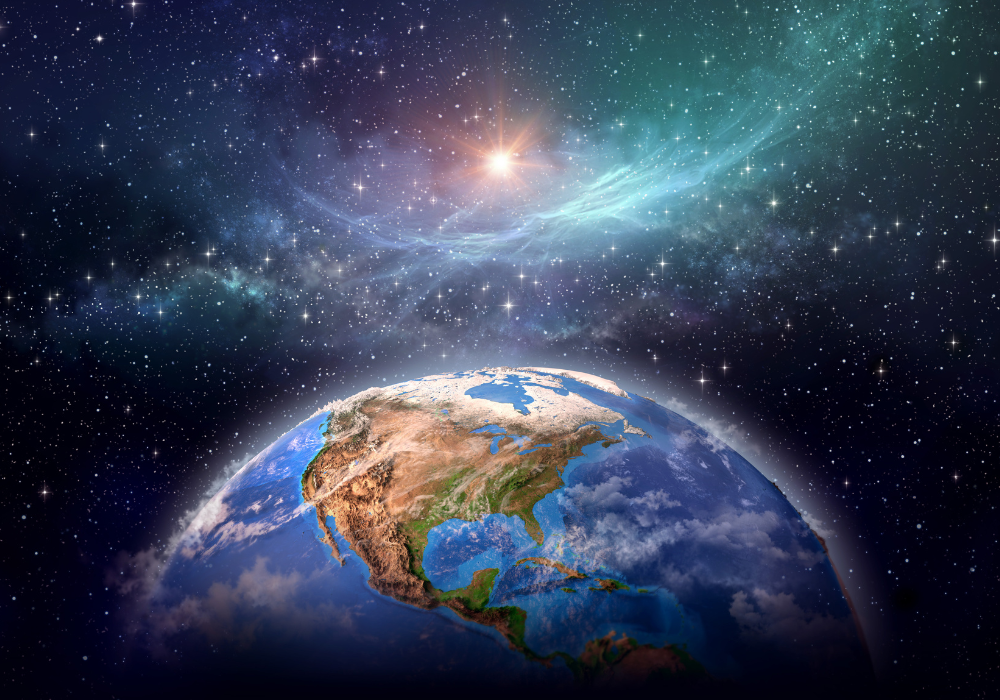
Our planet delivers essential services that sustain life—clean air, fresh water, food, and more. But climate change, pollution, and habitat loss put these gifts at risk. Discover 13 crucial ways Earth supports us—and keep reading to see why their future matters to everyone.

Read more

The Planet’s Spiraling Out of Control—and Most People Are Still Asleep

What used to be predictions for 2100 are happening right now in your lifetime.

©Image license via Canva

You’ve probably noticed the seasons feel off, the storms are stronger, and news of climate disasters seems nonstop. That’s not your imagination—it’s reality speeding up. Earth’s transformation isn’t happening slowly over centuries like scientists once predicted. It’s unfolding right now, and faster than most of us can mentally keep up with.

Ice sheets are collapsing decades ahead of schedule. Coral reefs are vanishing before our eyes. Heat records are being smashed so often they barely shock us anymore. This isn’t a future problem—it’s today’s crisis, and pretending it’s still far off won’t cut it.

While the planet shifts into overdrive, the majority of people are still going about their lives as if everything’s normal. If you haven’t started paying attention, it’s time. These stunning changes prove Earth is spiraling faster than anyone predicted—and they affect all of us.

Read more

10 Facts That Shut Down Climate Deniers Fast

When opinions collide with evidence, these hard Truths cut through the noise.

©Image license via Canva

You’ve heard it all before—“The climate has always changed,” or “It’s just weather, not warming.” While denial may feel louder than ever, the science is clearer than it’s ever been. And the stakes? Nothing short of civilization’s future.

Climate denial isn’t just misinformation—it’s a dangerous distraction from solutions we urgently need. But you don’t have to be a scientist to respond effectively. A solid grasp of key facts can shut down doubt and redirect the conversation toward action.

These 10 evidence-backed truths aren’t just answers to denial—they’re reminders that reality, reason, and responsibility are still on our side. Whether you’re battling skeptics online or at the dinner table, these facts will give you the confidence to speak up and speak clearly—because the planet doesn’t have time for denial.

Read more

The Race to Vacuum CO₂ from the Sky—Can It Save Our Warming Planet?

New technologies aim to erase decades of damage—but can they scale fast enough?

©Image license via Canva

As the world scrambles to avoid the worst impacts of climate change, one high-tech solution is drawing global attention: direct air capture (DAC), or what some call “vacuuming carbon from the sky.”

These technologies are designed to pull carbon dioxide straight from the atmosphere, storing it underground or using it in other industries. With emissions still rising despite international pledges, the urgency to reduce atmospheric CO₂ has never been greater.

Governments, investors, and scientists are racing to scale these carbon-sucking systems—but can they really make a dent in global warming? With promises of negative emissions and fears of false hope, DAC stands at a critical crossroads. It’s a bold gamble on our planetary future—and the stakes couldn’t be higher.

Read more