Is Time Real—or Just Something Humans Made Up?

Physicists and philosophers debate whether time is a fundamental reality or an illusion.

©Image license via Canva

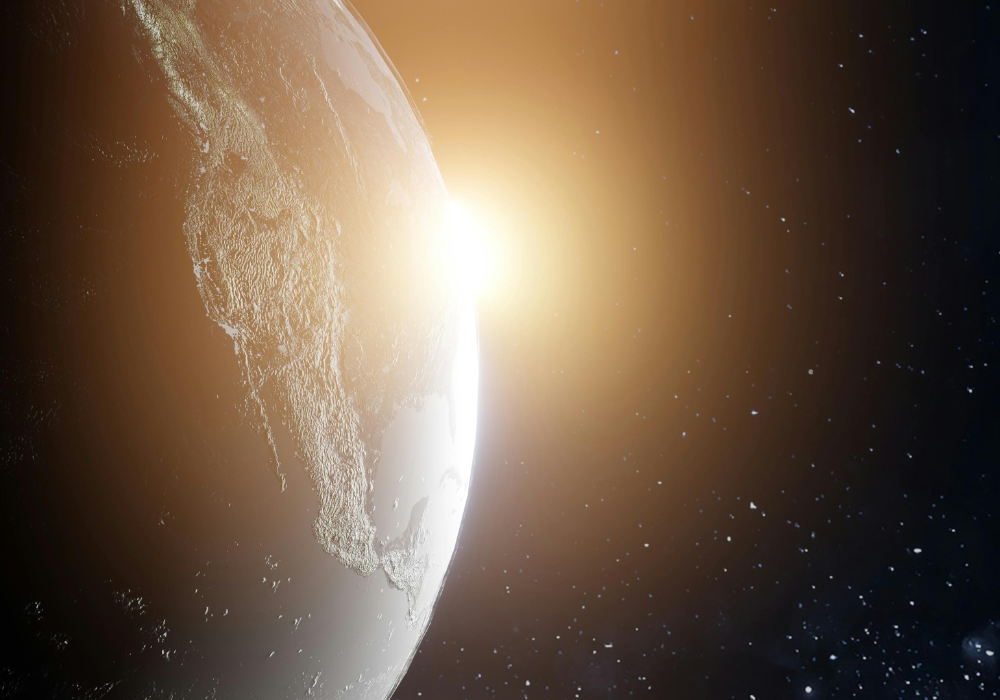
Time shapes nearly every part of our daily lives, yet scientists and philosophers still debate whether it truly exists as a fundamental feature of the universe. Einstein’s theory of relativity showed that time is not constant but stretches and compresses depending on speed and gravity. Some physicists argue that at the deepest level, time may be an emergent property—something that arises from more basic physical laws rather than existing on its own. Others maintain it is a real dimension of the cosmos. The mystery remains unresolved.
Read more

Why Does Life Exist at All? Science Has Some Surprising Clues

The question of why life exists continues to challenge scientists and philosophers alike.

©Image license via Canva

Why life exists remains one of science’s most profound and unsettled questions. Earth is the only known planet where life has emerged, but researchers believe the basic ingredients—carbon, water, and energy—are widespread across the universe. Scientists studying abiogenesis, the process by which life arises from non-living matter, point to conditions on early Earth that may have allowed chemistry to become biology. Others explore whether life could be an inevitable outcome of physics and evolution. While no single theory answers the question, ongoing research continues to reveal how extraordinary and fragile life truly is.

Read more

Astronomers Have Found 6,000+ Exoplanets—And Billions More May Exist

Scientists say our galaxy alone could be teeming with unseen worlds waiting to be discovered.

©Image license via Canva

Astronomers have now confirmed the existence of more than 6,000 exoplanets—planets that orbit stars outside our solar system. Using telescopes like NASA’s Kepler and TESS, scientists have detected these worlds through subtle dips in starlight and other observation methods. The discoveries range from scorching gas giants larger than Jupiter to rocky, Earth-sized planets. Researchers say these findings represent only a fraction of what’s out there. Based on current estimates, the Milky Way alone could contain billions of exoplanets, many still waiting to be discovered.

Read more

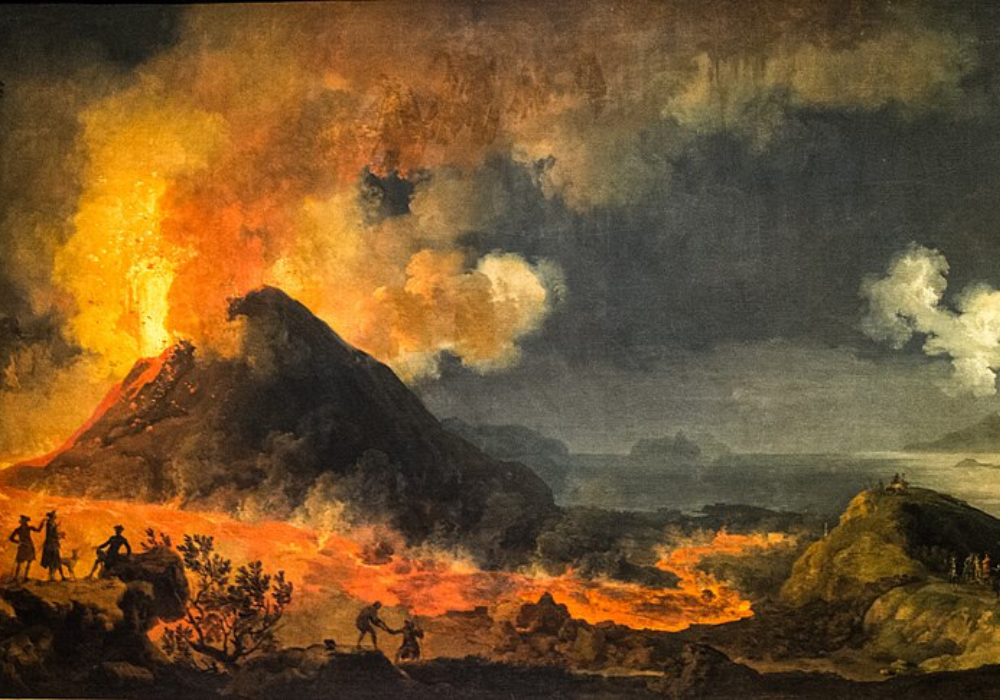
How Natural Disasters Changed Human History Forever

Earth’s most violent events have left marks that still shape our world today.

©Image license via Wikimedia Commons

Natural disasters have altered the trajectory of human history by reshaping landscapes, disrupting civilizations, and influencing cultural evolution. From earthquakes that forced cities to relocate to volcanic eruptions transforming entire regions, these geological and meteorological events reveal much about human resilience. Drawing on expert sources like USGS and NOAA, this exploration highlights how understanding past disasters informs modern approaches to disaster preparedness and societal adaptation.

Read more

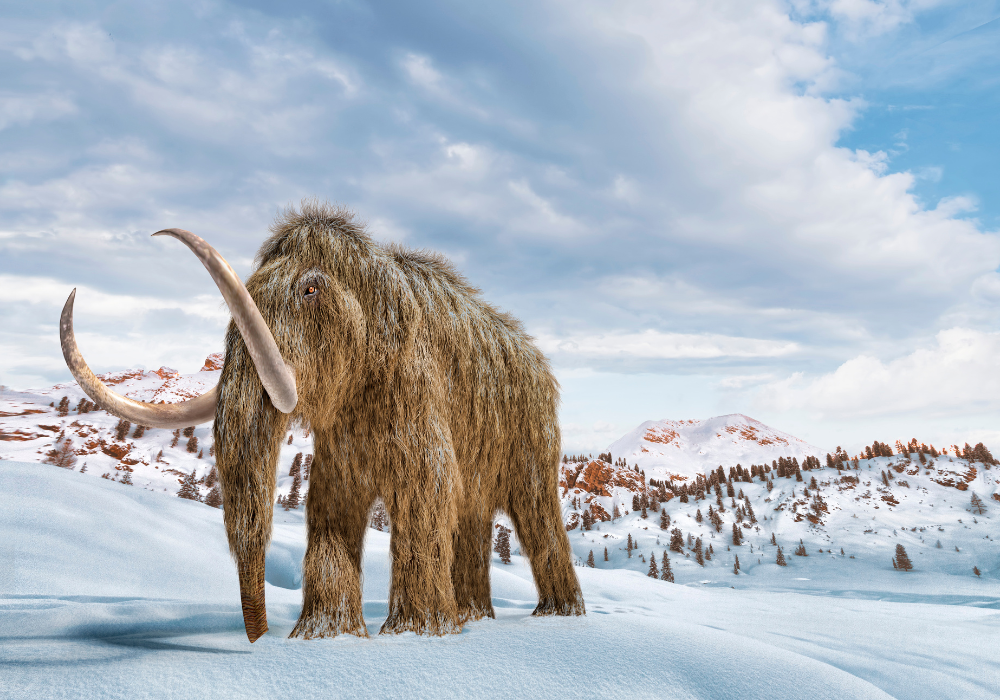
Why Scientists Believe Woolly Mammoths Could Help Save the Planet

Researchers say reintroducing mammoths could protect permafrost and slow climate change.

©Image license via Canva

Scientists believe reviving woolly mammoths could do more than bring back an Ice Age icon—it might help fight climate change. The idea is that herds of mammoth-like animals roaming the Arctic would knock down trees, churn up soil, and compact snow, slowing the thaw of permafrost. That frozen ground holds vast amounts of carbon, and if it melts, it could release greenhouse gases into the atmosphere. While still highly experimental, researchers argue the effort could restore fragile ecosystems and buy the planet valuable time.

Read more

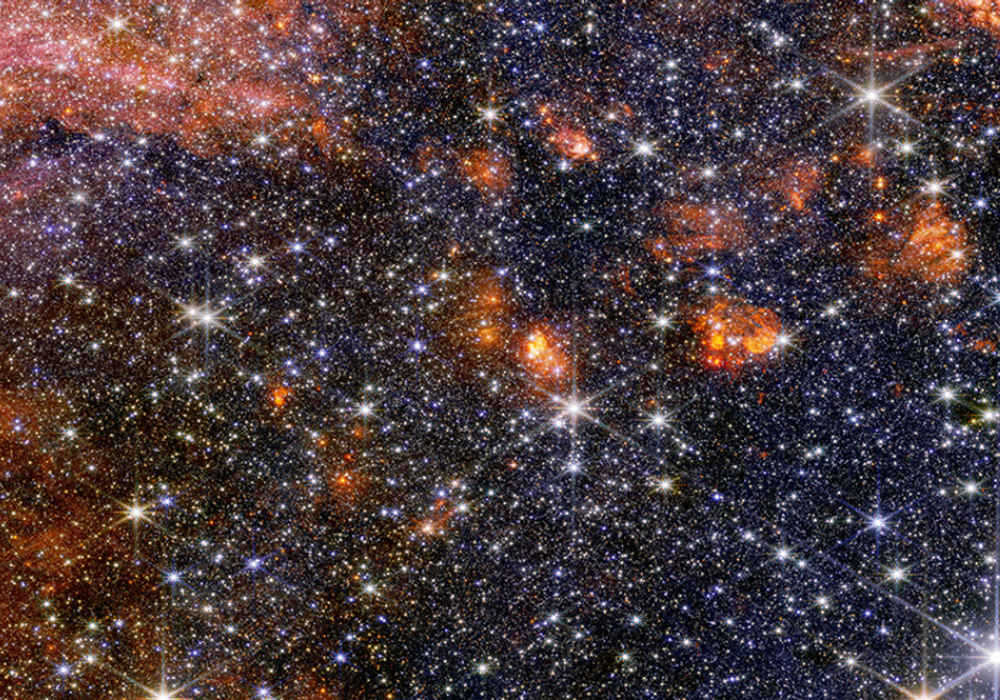
NASA’s Webb Telescope Captures Stunning View of Milky Way’s Largest Star-Forming Cloud

New Webb images reveal unprecedented detail inside the galaxy’s biggest stellar nursery.

©Image license via NASA

NASA’s James Webb Space Telescope has delivered the deepest look yet at the Milky Way’s most massive star-forming cloud, Sagittarius B2, revealing glowing stars, gas, and dense dust in unprecedented detail. The giant molecular complex lies near the galaxy’s center and has long puzzled astronomers for its vigorous star production despite limited raw material. Webb’s infrared instruments allow light to penetrate some of the densest regions, exposing young stars and hidden structures that were previously invisible. The new images promise to reshape our understanding of how massive stars emerge in extreme environments.

Read more

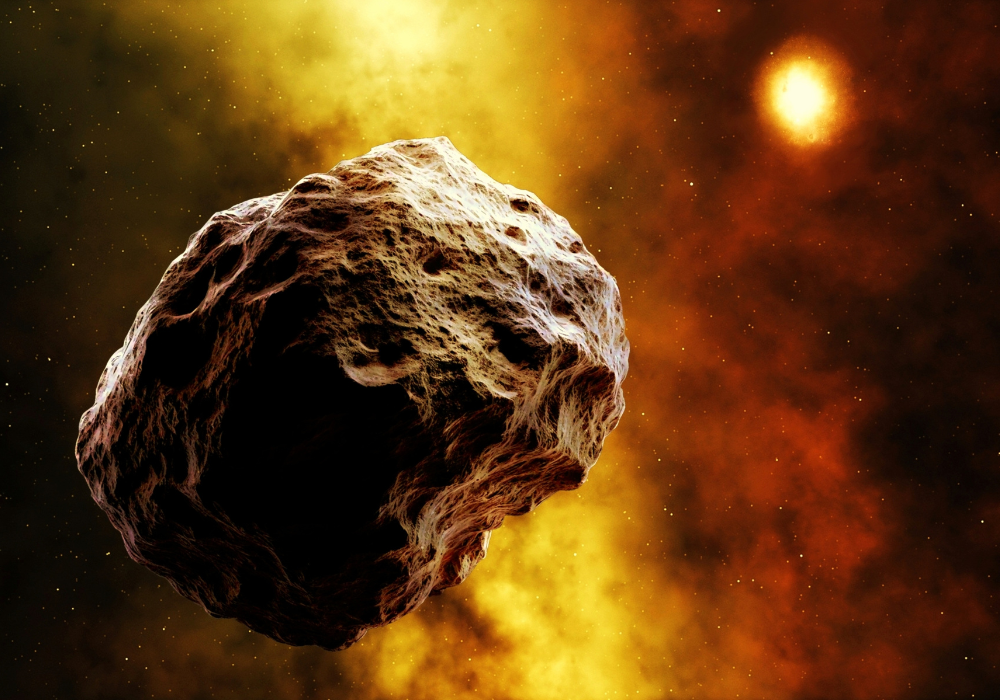
Asteroid 2024 YR4 Could Slam Into the Moon—Scientists Want to Blow It Up

Scientists say blasting the space rock could protect the moon from a potentially damaging strike.

©Image license via Canva

Scientists are closely monitoring asteroid 2024 YR4, which recent observations suggest no longer poses a serious threat to Earth—but has a small, measurable chance of colliding with the Moon in December 2032. Current estimates peg that collision probability at about 4%, prompting proposals to intercept or even break up the asteroid before it reaches lunar orbit. While an Earth impact has been essentially ruled out, the potential lunar strike is being treated seriously because of the risks it could pose to satellites and orbital infrastructure.

Read more

12 Archaeological Discoveries That Reshaped Our Understanding of Human History

Archaeological breakthroughs reveal new perspectives on ancient human civilizations and cultures worldwide.

©Image license via Canva

Archaeological discoveries have continually reshaped how we understand human history, shedding light on ancient civilizations, their practices, and evolution. From fossilized ancestors to intricately crafted artifacts, these finds offer invaluable insights into prehistoric life and cultural heritage. By studying such breakthroughs, scholars can challenge long-held assumptions and deepen our appreciation for the complex development of human societies across millennia.

Read more

10 Things Carl Sagan Said About the Fate of Earth That Feel Prophetic Now

Carl Sagan foresaw many of today’s biggest threats to Earth long before they unfolded.

©Image license via Wikimedia Commons

Carl Sagan, the celebrated astronomer and science communicator, often spoke about humanity’s place in the cosmos and the fragility of our planet. Before his death in 1996, he warned about threats like climate change, nuclear war, and environmental destruction, urging people to see Earth as a rare and precious home. Many of his reflections now seem remarkably prophetic, echoing today as the world grapples with challenges he anticipated decades ago. His words remain a powerful reminder of both peril and possibility.

Read more

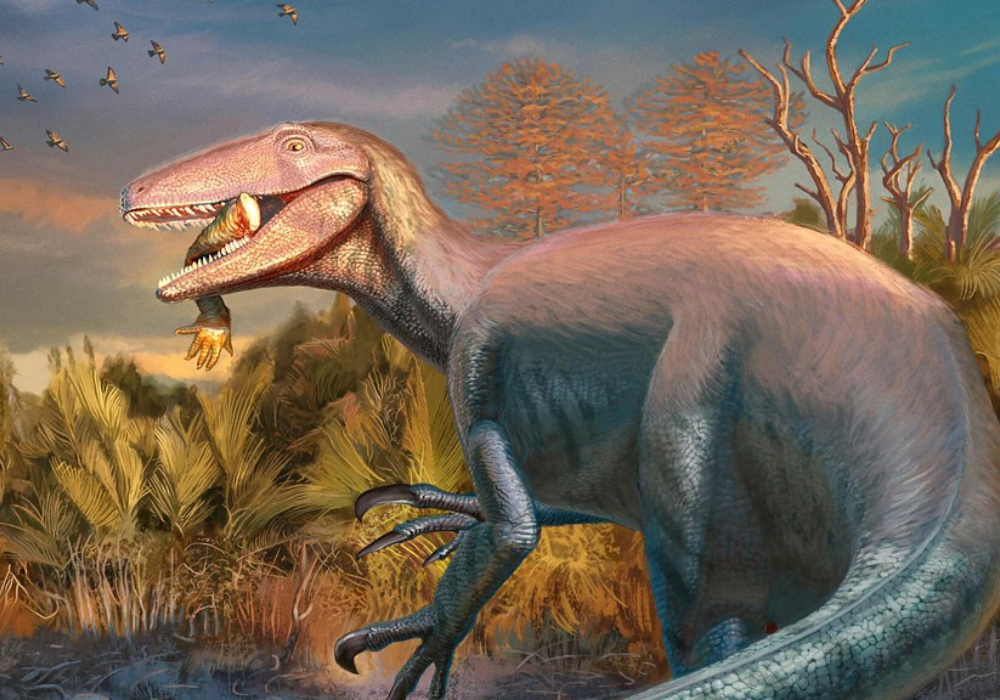
Fossil Reveals New Apex Predator Dinosaur Found Mid-Meal With a Crocodile

Scientists say the fossil shows a dinosaur preserved while devouring its prey.

©Image license via Flickr, John Bridgman

Scientists have uncovered a new apex predator dinosaur species in Patagonia, fossilized while clutching a crocodile limb in its jaws. The creature, named Joaquinraptor casali, is about 23 feet long and lived during the late Cretaceous era—roughly 66–70 million years ago. This rare “last meal” fossil offers an extraordinary glimpse into predator behavior and local ecosystems just before the mass extinction that ended the age of dinosaurs. The dinosaur belongs to the mysterious megaraptoran group, known for their claws and speed, and the discovery helps fill gaps in how these predators lived and hunted.

Read more