
Scientists say blasting the space rock could protect the moon from a potentially damaging strike.
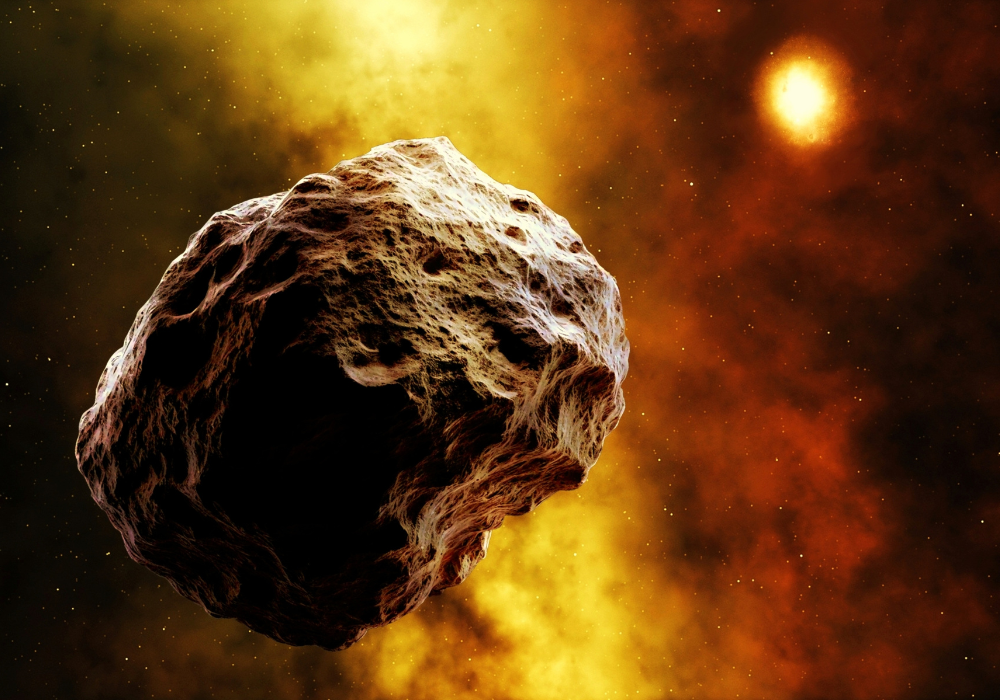
Scientists are closely monitoring asteroid 2024 YR4, which recent observations suggest no longer poses a serious threat to Earth—but has a small, measurable chance of colliding with the Moon in December 2032. Current estimates peg that collision probability at about 4%, prompting proposals to intercept or even break up the asteroid before it reaches lunar orbit. While an Earth impact has been essentially ruled out, the potential lunar strike is being treated seriously because of the risks it could pose to satellites and orbital infrastructure.
1. Earth Impact Chance Now Virtually Zero
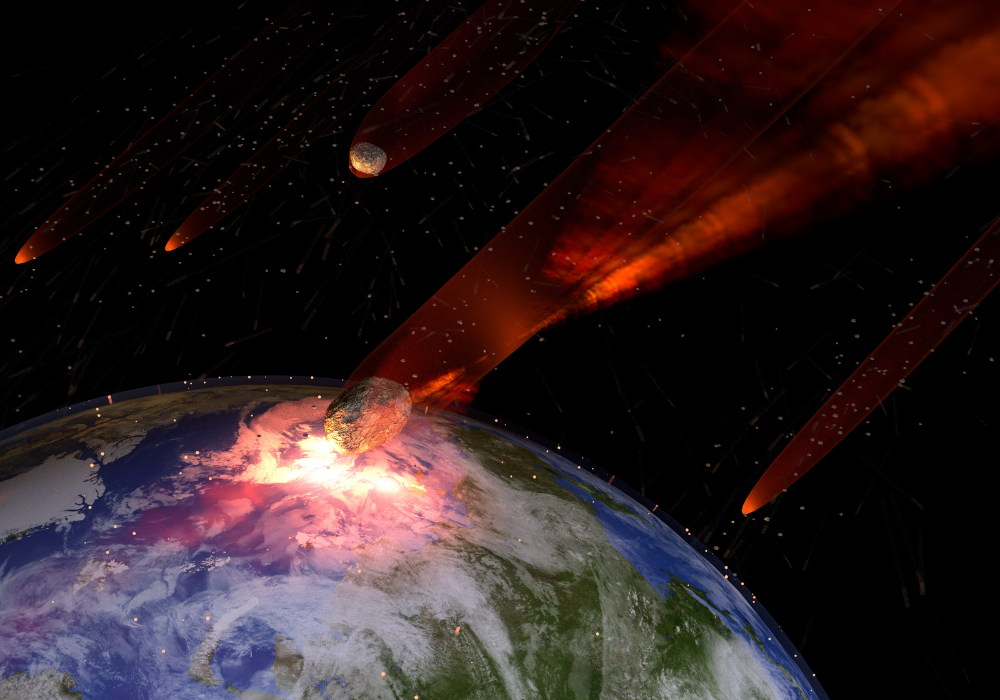
Early calculations raised alarm that asteroid 2024 YR4 might collide with Earth in December 2032. With more precise observations, astronomers have ruled out that scenario. Current orbital models show virtually no risk to our planet. This rapid change shows how additional tracking can dramatically alter predictions.
While Earth is safe, scientists caution that the asteroid still poses other risks. Its path leaves a small chance of striking the Moon instead. That possibility has shifted the focus of research and stirred debate about how humanity should respond to threats beyond Earth itself.
2. About a 4 Percent Chance of a Lunar Strike
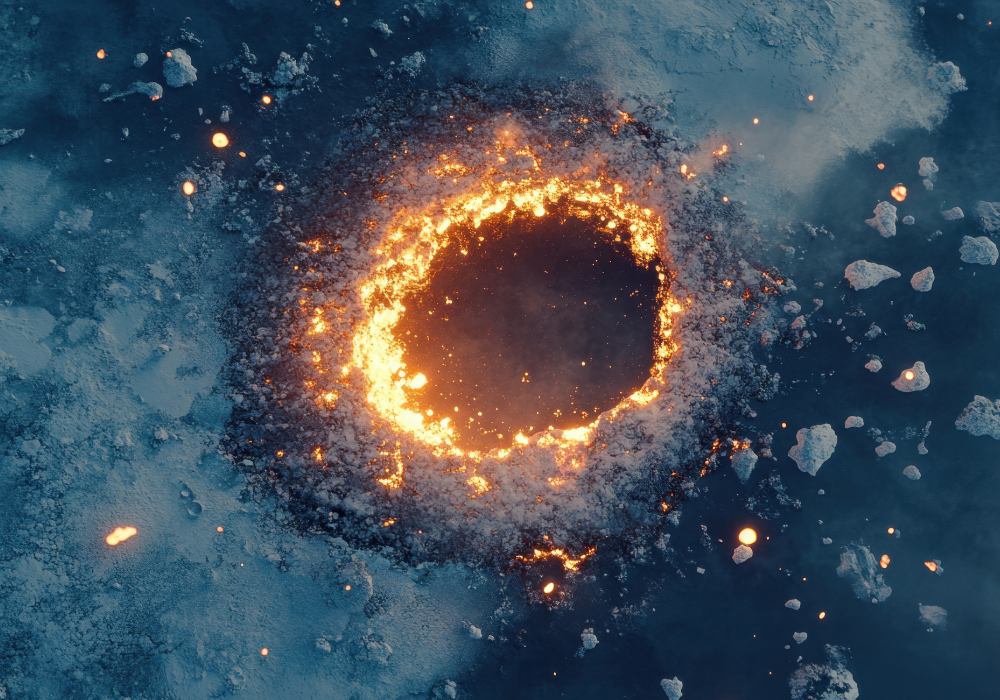
New calculations suggest a roughly 4 percent chance that 2024 YR4 could collide with the Moon. Although unlikely, this scenario remains plausible enough that researchers are considering potential consequences. A direct impact would be dramatic but would not endanger Earth directly.
The concern is less about the strike itself and more about what follows. A lunar impact could blast debris into space. Some fragments might drift into Earth’s orbital neighborhood, potentially endangering satellites, space stations, or other spacecraft operating near our planet.
3. Lunar Debris Could Threaten Satellites
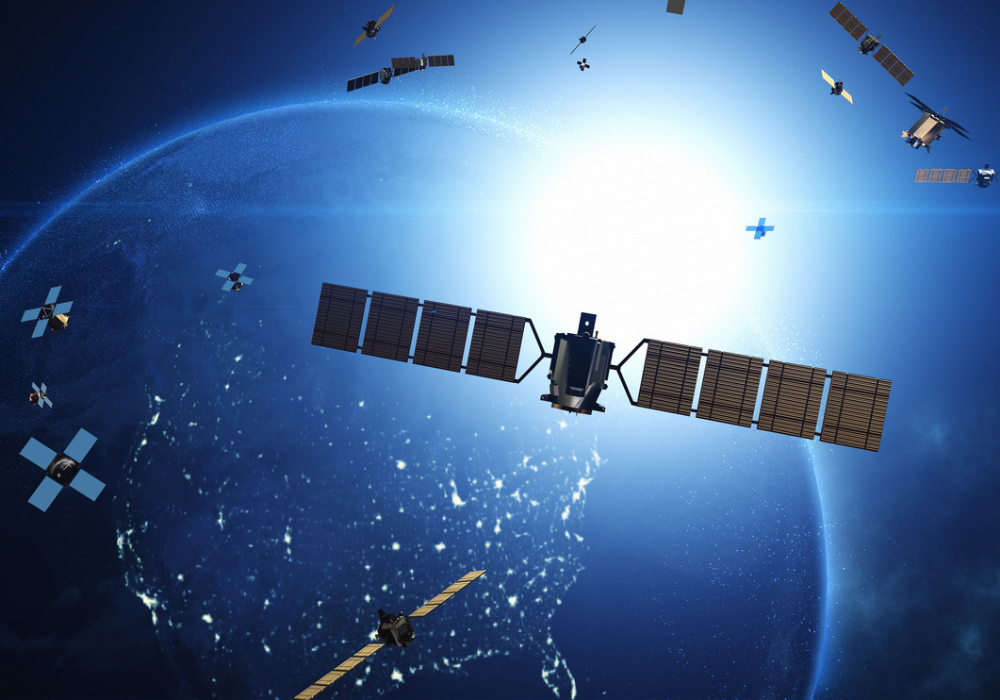
If the asteroid does hit the Moon, the resulting explosion could hurl vast amounts of dust and rock into space. Known as ejecta, this material would spread outward and possibly intersect Earth’s orbital zone. The increased density of micrometeoroids could damage sensitive equipment.
Satellites, communication systems, and even crewed missions in orbit might face greater risk in the aftermath. While the debris field would thin quickly, even short-lived surges in micrometeoroid activity could force operators to change procedures or increase protective measures.
4. A Strike Would Create a Massive Lunar Crater
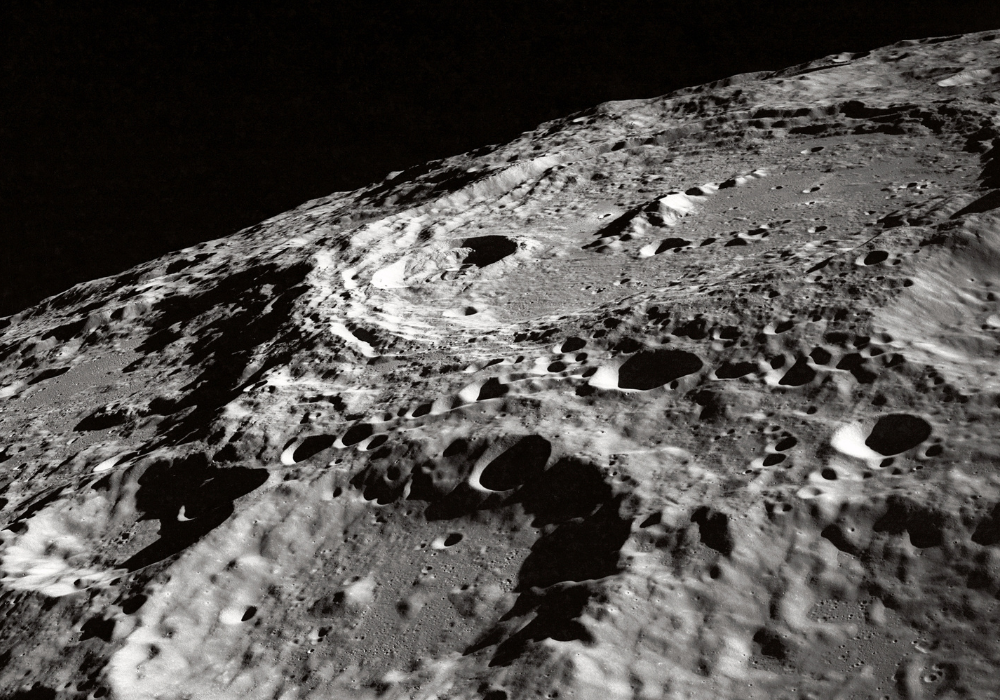
Scientists estimate 2024 YR4 is about 60 meters wide, which is large enough to produce a powerful lunar explosion. The impact energy could equal millions of tons of TNT, leaving behind a crater about a kilometer wide. This would be visible from telescopes on Earth.
The force of the collision would be spectacular, but it would not alter the Moon’s orbit or threaten its stability. The Moon has endured similar strikes in the past. What makes this case unusual is that humans can predict it decades in advance.
5. Tracking the Asteroid Remains Challenging

Astronomers currently struggle to track 2024 YR4 because of its distance and faintness. More observations will be possible in the late 2020s, when its orbit brings it closer to Earth and easier to study. Until then, predictions carry some uncertainty.
The limited observation window means scientists must plan carefully. Small changes in the asteroid’s orbit could shift its predicted path. Future data will confirm whether the chance of a lunar impact grows, shrinks, or disappears altogether. That makes ongoing monitoring essential.
6. An Unusual Shape Complicates Predictions
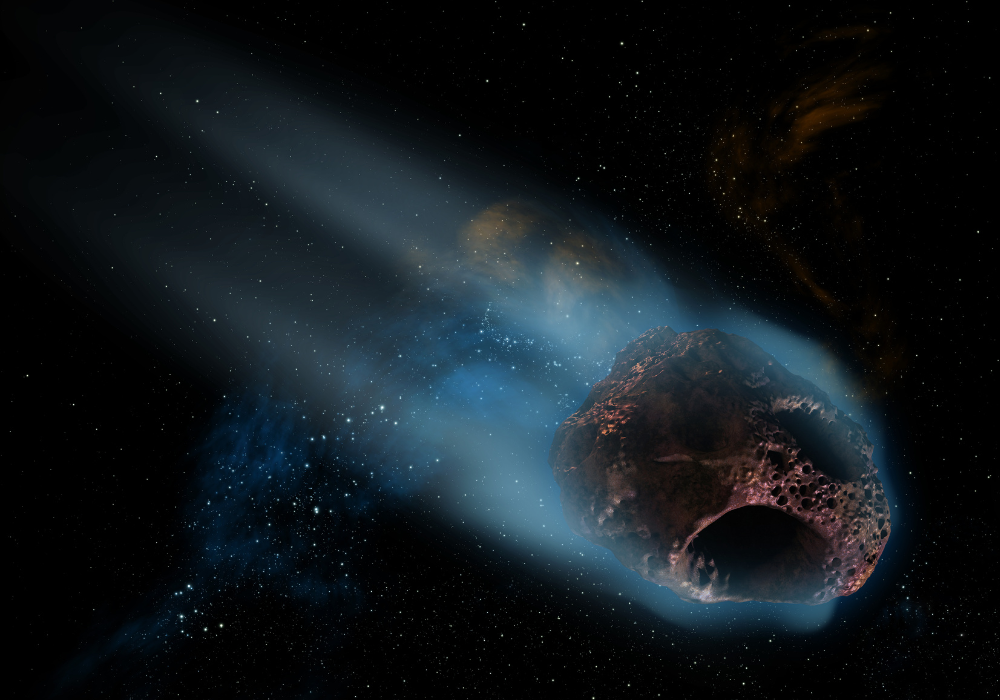
Unlike many asteroids, 2024 YR4 may not be spherical. Observations suggest it could be disk-like, spinning like a hockey puck. This shape changes how sunlight and gravity influence its motion, adding complexity to forecasts.
The way it reflects sunlight can subtly push it off course through what’s called the Yarkovsky effect. Over years, this small force can meaningfully change its orbit. That adds another layer of uncertainty and highlights why scientists need more precise measurements in the coming years.
7. Proposals Include Blowing It Up
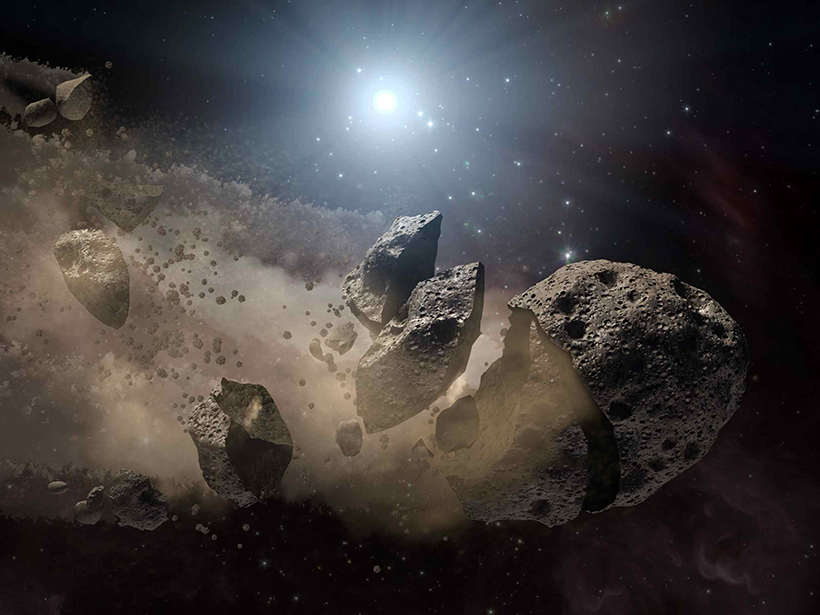
Some researchers have suggested a bold option: destroying the asteroid before it reaches the Moon. The idea involves using nuclear charges to fragment it into smaller pieces. In theory, this could prevent a single massive impact and reduce the risk of dangerous debris.
Other options include hitting the asteroid with a spacecraft to nudge its orbit or sending robotic missions to study it closely. Each solution comes with challenges. Blowing it up may sound dramatic, but in certain cases it could be the most practical defense.
8. Limited Time for an Intervention
If scientists decide to act, the mission timeline will be tight. Launch windows to intercept 2024 YR4 would open in the late 2020s and extend into the early 2030s. Missing those opportunities could make intervention impossible.
Interplanetary mission planning requires years of preparation. Rockets, spacecraft, and explosives cannot be built overnight. That means discussions about what to do must begin well before the asteroid becomes easier to observe again. Waiting too long could close the door on any meaningful action.
9. The Moon Itself Would Remain Stable

Even if 2024 YR4 hits the Moon, the collision would not disturb its orbit or threaten Earth’s gravitational balance. The Moon’s mass is far too great to be shifted by a rock of this size. It would simply absorb the blow as it has countless times before.
The scar left behind would be another reminder of the solar system’s constant bombardment. While the Moon would remain safe, humans must consider how such impacts affect technology and exploration in space. For modern civilization, the consequences extend beyond the lunar surface.
10. Earth’s Safety Is Still the Priority

Although attention has shifted to the Moon, Earth’s protection remains the central mission of planetary defense. Scientists stress that asteroids of this size hitting Earth are rare but potentially devastating. 2024 YR4 offers a valuable test case for defense planning.
By studying this asteroid, researchers can refine techniques for deflection, interception, and disruption. Even if it never strikes the Moon, the lessons learned could prepare us for future threats. The Moon’s role in this story highlights how planetary defense must expand to all near-Earth space.
11. Future Observations Will Refine the Risk
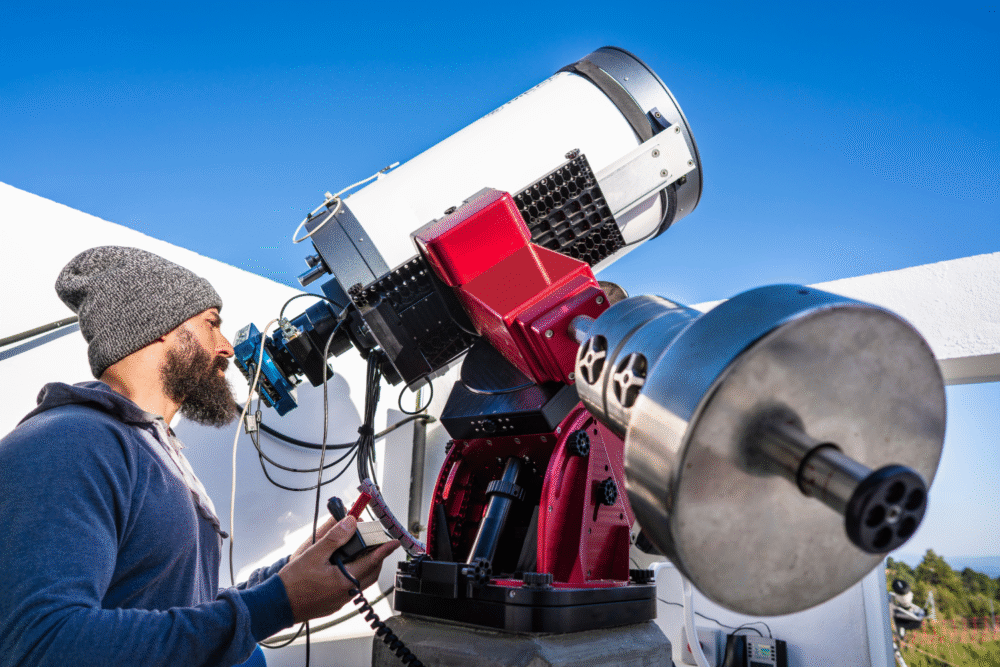
The story of 2024 YR4 is far from settled. Astronomers will continue to monitor it over the next decade. Each new observation will improve orbit calculations and reduce uncertainty. By 2028, data should be clear enough to make firm predictions.
Until then, scientists will model possible impacts, debris risks, and defense strategies. Whatever the outcome, 2024 YR4 provides an opportunity to test humanity’s readiness for asteroid hazards. Even a near-miss would yield valuable knowledge about how to safeguard Earth and its closest neighbor.