Young Adults Report Alarming Struggles With Memory and Concentration

Experts warn of a sharp increase in memory and focus issues among America’s younger adults.

©Image license via Canva

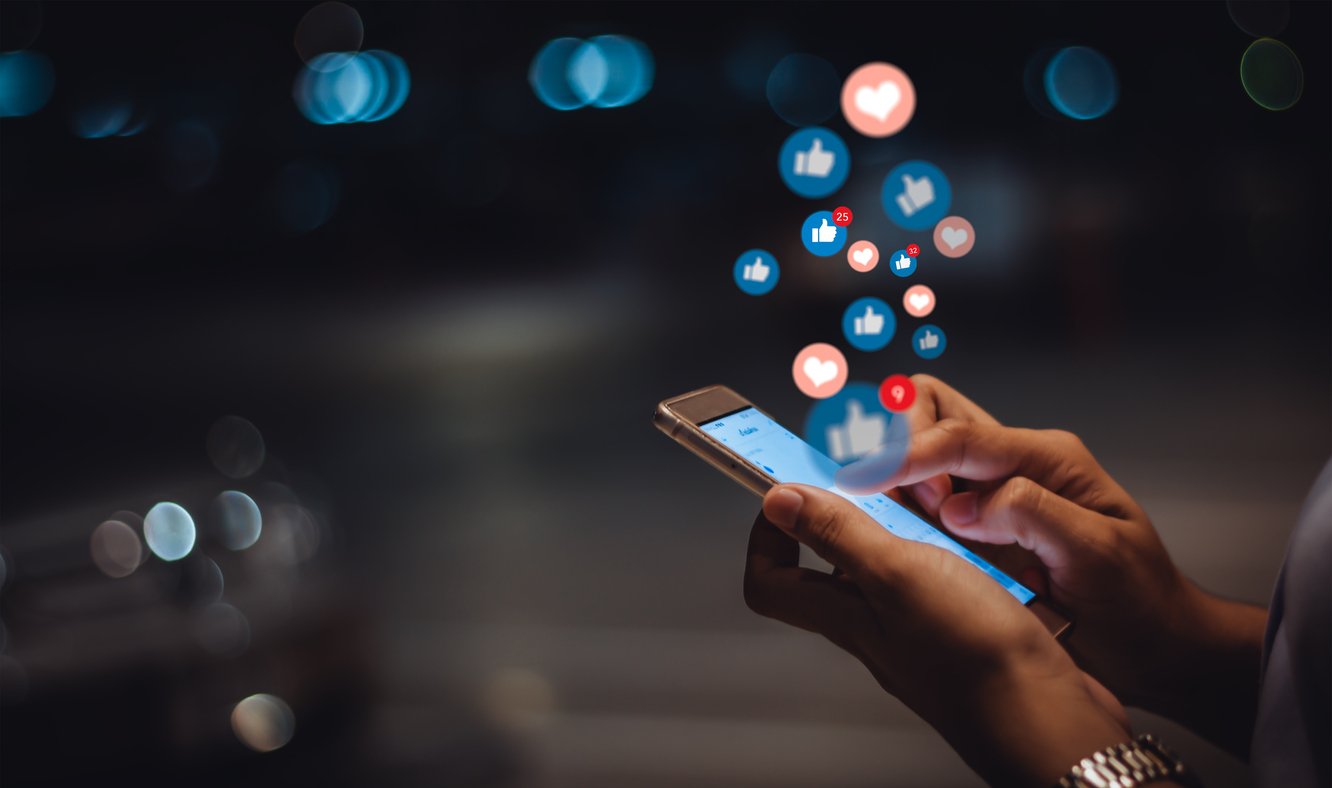
In the last decade, far more U.S. adults under age 40 have begun reporting problems with memory, focus, and decision-making. A new national study found that self-reported cognitive disability nearly doubled between 2013 and 2023. Researchers analyzed millions of survey responses and discovered that what was once seen mostly in older adults is now much more common among younger people. Symptoms like trouble concentrating, forgetfulness, and mental fatigue may be more than simple stress.


Read more

How Climate Change Will Impact Gen Z More Than Any Other Generation

Climate change is set to define Gen Z’s jobs, health, and way of life.

©Image license via Canva

Climate change presents distinct challenges that uniquely shape the lives and futures of Generation Z. Unlike previous generations, they experience more frequent extreme weather events and growing environmental instability. These factors influence their career paths, mental health, and everyday decisions around housing and consumption. Expert agencies including NOAA and the IPCC emphasize how these impacts compound, highlighting the critical importance of sustainable policies and resilient adaptation strategies for this generation.

Read more

11 Ways to Be the Change You Want to See in the World

Embark on practical steps that encourage lasting social and environmental improvements daily.

© Image license via iStock

Making a positive impact in the world often starts with simple, intentional actions in everyday life. By adopting habits that emphasize empathy, sustainability, and active community engagement, individuals can contribute meaningfully to social and environmental well-being. Change grows through consistent efforts, from mindful consumption to fostering inclusive conversations, demonstrating that personal responsibility is a powerful catalyst for broader transformation.

Read more

What Too Much Screen Time Is Doing to Teenagers’ Mental Health

Experts link heavy screen use to anxiety, depression, and sleep problems in teens.

© Image license via iStock

Screen addiction among teens is an increasingly recognized concern that can affect more than just their daily schedules. According to experts from the CDC and Mayo Clinic, excessive digital engagement influences sleep quality, emotional health, and social behaviors. These effects often intertwine, contributing to anxiety, depression, and impaired focus, making it essential to understand how screen time shapes teen mental health over time.

Read more

Why ‘Toughing It Out’ Backfires—12 Myths About Resilience

Understanding common resilience myths reveals why toughing it out often harms mental health.

©Image license via Canva

Resilience is often misunderstood, leading many to adopt harmful beliefs about toughness and mental strength. Common myths suggest that ignoring emotions or facing struggles alone exemplifies resilience, but these ideas can worsen stress and burnout. Recognizing what resilience truly involves—like flexibility, support, and self-care—helps improve mental well-being and builds healthy coping strategies for life’s challenges.

Read more

Therapy Isn’t a Cure-All: 10 Truths About Healing in a Capitalist System

Why individual therapy can’t fix problems created by systemic inequality and economic stress.

©Image license via Canva

The mental health industry wants you to believe that therapy can solve all your problems, but the truth is more complicated than that. While therapy can be genuinely helpful for many people, it’s often marketed as a magic solution that can cure everything from anxiety to relationship issues to career dissatisfaction. The reality is that many mental health struggles are rooted in larger systemic problems like poverty, inequality, and social isolation that individual therapy simply can’t address.

Read more

10 Hidden Ways Capitalism Messes With Your Mental Health

Behind the hustle, hidden pressures are quietly chipping away at mental health.

Indoor workspace, bearded man weary, foreground subject-centered, daytime with bright blur, documentary style photo, one person.
©Image license via Canva

Capitalism shapes many aspects of daily life and can significantly affect mental health and wellbeing. Economic inequality, job insecurity, and consumer culture often create stress and anxiety, while long working hours and financial pressures diminish quality of life. Understanding these dynamics helps clarify how capitalism impacts psychological wellbeing, highlighting the importance of addressing mental health challenges within economic systems supported by authoritative research from the CDC, WHO, Mayo Clinic, and Harvard T.H. Chan School of Public Health.

Read more

Why Everything You Think You Know About ‘Dangerous’ Mental Illness Is Wrong

Experts reveal how false beliefs fuel fear, stigma, and misunderstanding around mental illness.

©Image license via Canva

Mental illness often encounters unwarranted fear fueled by common myths that portray affected individuals as dangerous or incapable. These misconceptions overlook scientific evidence and the diverse realities faced by those living with psychological disorders. By exploring and debunking false beliefs rooted in stigma, this article clarifies how mental health conditions truly manifest, emphasizing compassion, informed perspectives, and the potential for recovery supported by trusted authorities.

Read more

Inside the Minds of Climate Deniers—10 Things Psychologists Have Learned

Why smart people reject climate science despite overwhelming evidence.

©Image license via Canva

Climate denial isn’t about intelligence—it’s about psychology. Even highly educated people with advanced degrees can dismiss decades of scientific consensus on global warming, not because they lack the cognitive ability to understand the evidence, but because their brains are wired to protect existing beliefs and social identities. Psychologists have identified specific mental mechanisms that allow otherwise rational people to reject climate science while accepting other scientific findings without question.

Read more

Why Random Acts of Kindness Might Be Better Than Therapy

See how small gestures of kindness can spark joy, reduce stress, and boost emotional well-being.

©Image license via Canva

Sometimes the simplest actions have the deepest impact. A kind word, a small favor, or even holding the door for a stranger can shift your entire mood. It’s easy to think you have to spend hours in therapy to feel better, but kindness works in unexpected ways.

Helping others can create a ripple effect that changes not just their day, but yours too. It builds connection, lifts your spirits, and reminds you of your place in something bigger. The best part? You don’t need a prescription—just a willingness to notice and act when kindness calls.

Read more