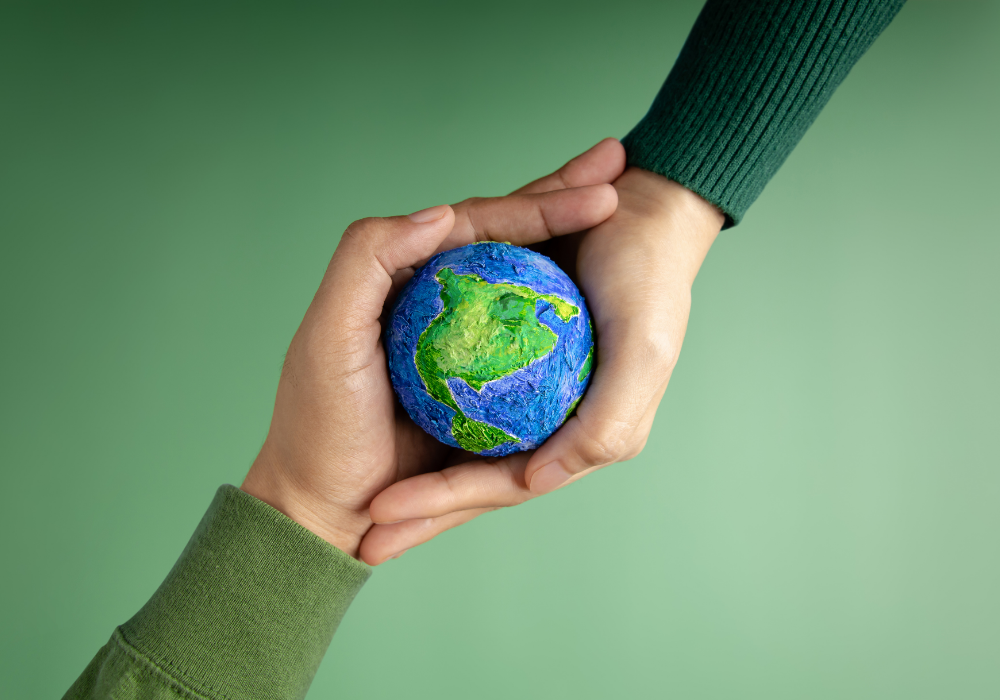
You Thought Green Innovation Was the Answer—But These 12 Products Have a Dark Side

The planet won’t be saved by good marketing and greenwashed tech.
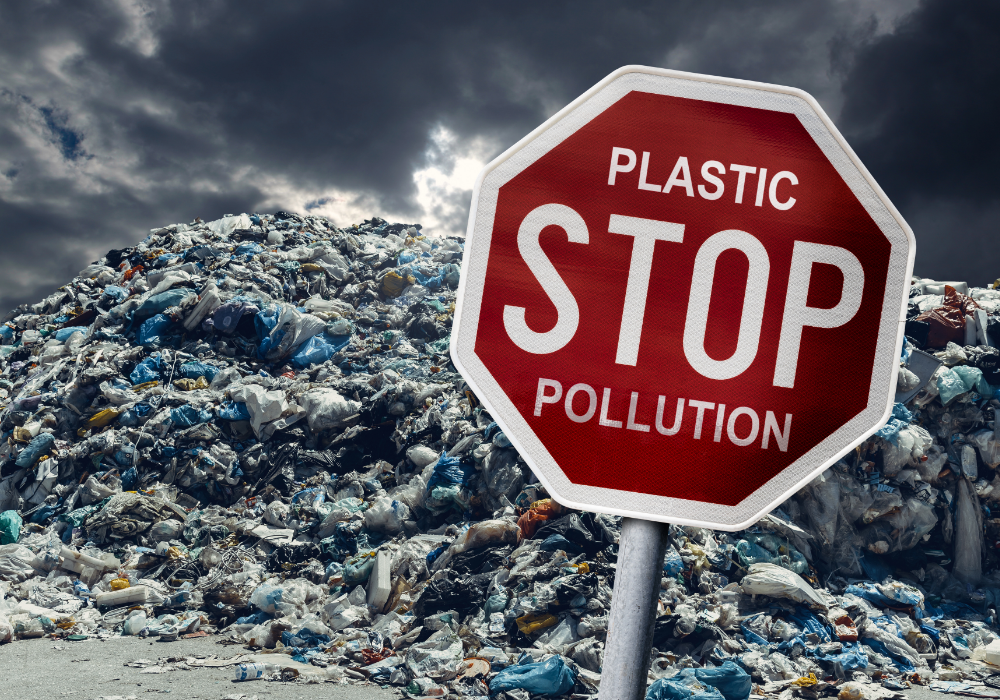
©Image license via Canva

It’s easy to feel hopeful when you see the words “sustainable,” “eco-friendly,” or “green” slapped on new products. Reusable bottles, plant-based packaging, biodegradable phone cases—it all sounds like progress. And in some ways, it is. But just because something is marketed as a solution doesn’t mean it’s free from consequences. A lot of so-called green innovation hides uncomfortable truths behind buzzwords and branding.

What looks like a win for the planet might just be a slightly slower loss. Many of these products still rely on fossil fuels, exploit cheap labor, or break down into microplastics despite being labeled “biodegradable.” It’s not about being cynical—it’s about being honest. If we’re going to move forward, we need to look deeper than the label. These 12 innovations aren’t as clean, green, or revolutionary as they want you to believe—and the dark side starts where the marketing ends.


Read more

You Didn’t Sign Up for the Surveillance—But These 11 Appliances Are Watching Anyway

Your fridge, your TV, and even your toothbrush are reporting back.

©Image license via Canva

You don’t need a security clearance to be surveilled anymore. These days, all it takes is a kitchen remodel. Or a new phone. Or a thermostat that promised to save you 10% on heating. One minute you’re trying to make life easier with “smart” upgrades, and the next your blender is leaking data to a third-party analytics firm in Singapore. This isn’t a sci-fi dystopia—it’s just your average Tuesday in a connected home.

The creep factor doesn’t always come from obvious cameras or mics, either. A lot of the time, it’s buried in the fine print. That “accept all” button? It opened the door. And now everything from your vacuum to your doorbell is quietly gathering info, watching your routines, and selling that data off to whoever’s buying. You might not have signed up for this, but your appliances definitely did.

Read more

Your Data Isn’t Private—These 10 Platforms Are Profiting Off Your Routine

The platforms you rely on most are cashing in behind your back.

©Image license via Canva

You don’t have to share your secrets online—your habits already did that for you. Every app you open, every notification you swipe, every scroll, pause, and tap is tracked. And not just to “improve user experience.” It’s packaged, sold, and repurposed to predict what you’ll do next—and how to make money off it. That includes the platforms you trust the most.

This isn’t about obscure spyware or sketchy data breaches. It’s about the apps baked into your daily life—maps, calendars, smart home devices, fitness trackers. They watch what time you wake up, where you drive, how you sleep, and even when you seem stressed. Then they sell that insight. Not just to advertisers, but to insurers, brokers, and political firms.

Convenience always comes with a cost. And in this case, it’s you—your preferences, your behaviors, your attention. The trade-off might seem worth it, but it’s still a trade. And most people don’t realize how deep that exchange goes.

Read more

Green on the Outside, Rotten at the Core—10 Tech Fixes Making Things Worse

Tech keeps offering shortcuts, but the planet’s still paying the price.

©Image license via Canva

It’s easy to get swept up in the hype. New tech rolls out with sleek branding, big promises, and just enough green buzzwords to make it feel like progress. Carbon capture, biodegradable packaging, electric everything—it all sounds like we’re finally turning things around. But under the surface, many of these so-called solutions come with hidden costs. Some shift the burden elsewhere, some cause entirely new problems, and others just don’t work at all.

This isn’t about rejecting innovation—it’s about asking harder questions. Who benefits from these “fixes”? What are they hiding? And are we being asked to settle for cosmetic changes when deeper transformation is needed? Greenwashed tech doesn’t just fail to solve the problem—it distracts from the real work. These examples show how some of today’s trendiest environmental solutions aren’t just falling short—they’re actively making things worse.

Read more

This Isn’t Innovation—It’s Extraction: These 10 Green Tech Products Hide a Dirty Reality

These products promise sustainability but deliver hidden destruction.

©Image license via Canva

Green tech sounds like the future. Solar panels, electric cars, wind farms—it all seems like the planet-saving answer we’ve been waiting for. But dig a little deeper, and the shine starts to dull. A lot of what’s being sold as clean, green, and revolutionary still relies on old-school extraction, dirty supply chains, and a disturbing amount of environmental harm. The problem isn’t the idea of green tech—it’s how it’s being built, marketed, and scaled with very few questions asked.

Just because something looks sustainable doesn’t mean it is. The rush to innovate has created a whole new industry of “solutions” that still mine, burn, ship, dump, and exploit—just in a shinier wrapper. It’s not that we don’t need green alternatives. We absolutely do. But if we keep repeating the same patterns under a new label, we’re not fixing anything. We’re just making the damage harder to see.

Read more

Waiting for Tech to Save the Planet? 10 Reasons That’s a Risky Bet

The longer we wait on breakthroughs, the more damage we lock in.

©Image license via iStock

It’s tempting to believe that the right invention will turn everything around. A miracle battery, a carbon-sucking machine, an algae-based fuel that powers the world without emissions. The promise of innovation is powerful—and in many ways, justified. But banking on tech alone to solve the climate crisis is like expecting an airbag to save you while flooring the gas. By the time it kicks in, the damage might already be done.

Real progress doesn’t come from invention alone. It comes from implementation, regulation, behavior change, and political will. And every year we wait for something “better” instead of doing what works now, we’re locking in more warming, more destruction, and more inequity. Tech can support the transition—but it’s no substitute for the action we’re avoiding.

Read more

You Don’t Have to “Fix” Your Aging Body—These 10 Natural Practices Make It Feel More Like Home

Aging doesn’t mean losing yourself, but it does mean listening differently.

©Image license via iStock

There’s a quiet pressure that creeps in with every birthday—fix your posture, erase the wrinkles, stretch more, eat less, speed up, slow down. The messaging is relentless: aging is a problem to solve. But your body isn’t broken—it’s changing. And it’s asking you to change with it. That doesn’t mean giving up or giving in. It means shifting from control to connection, from discipline to dialogue.

When you treat your body like something to correct, you miss the wisdom it’s offering. Pain, fatigue, stiffness—these aren’t failures. They’re requests. And when you start listening, something shifts. You stop chasing your younger self and start living more fully in the one you’ve got. These practices won’t reverse the clock, and they’re not meant to. They’ll help you soften into your body instead of bracing against it. Because feeling at home in yourself isn’t about age—it’s about attention.

Read more

Crypto Might Make You Rich—But These 11 Costs to the Earth Are Devastating

The profits are digital, but the damage is painfully real.

©Image license via Canva

Crypto’s impact isn’t limited to your wallet. While headlines hype massive payouts and overnight millionaires, what often gets overlooked is the environmental wreckage left in its wake. Mining, trading, and even storing cryptocurrency all require enormous amounts of energy—and that energy isn’t coming from thin air. It’s powered by real electricity, real fossil fuels, and real consequences for the planet.

The industry loves to present itself as futuristic and untouchable, but the damage is happening right now. From coal-fired data centers to e-waste mountains and groundwater strain, crypto’s hidden costs are piling up fast. And the faster it grows, the harder it gets to ignore. These aren’t abstract problems. They’re ecological emergencies disguised as innovation. If we’re going to talk about what crypto creates, we also need to talk about what it destroys. Here’s where the digital gold rush leaves a scar.

Read more

The Future Isn’t All Doom—Here Are 14 Tech Breakthroughs Giving Us Hope

The future looks a little brighter when machines are on our side.

©Image license via Canva

Technology doesn’t exactly have the best PR right now. It’s blamed for ruining sleep, shortening attention spans, and giving everyone a mild existential crisis. But buried beneath the doomscrolling and digital chaos is a much brighter story—one where innovation is actually fixing things. Across the globe, engineers, scientists, and inventors are rolling out tools that are helping us breathe cleaner air, grow more food, cut emissions, and adapt to the chaos we’ve already created.

Some of these breakthroughs are quietly reshaping how the world works. Others are bold, flashy, and feel like something straight out of a sci-fi movie. But all of them are pushing us in the right direction. These inventions aren’t just cool—they’re hopeful. They remind us that when human creativity teams up with technology, it’s still possible to build something better than what we had before.

Read more

DVDs Are Getting the Last Laugh—11 Ways Your TV Binge Watch Is Burning the Planet

Streaming might be convenient, but it’s far from eco-friendly.

©Image license via Canva

Binge-watching feels harmless. No plastic cases, no clutter—just endless content at the click of a button. But while digital streaming seems like a cleaner alternative to physical media, the environmental impact hiding behind your favorite shows is anything but small. From energy-hungry data centers to disposable devices, our obsession with streaming is quietly fueling carbon emissions, e-waste, and unsustainable consumption.

The problem isn’t just the hours spent glued to a screen—it’s the massive, invisible infrastructure keeping those streams flowing. Every episode, every autoplay, and every high-definition binge adds up to an environmental footprint most people never consider. The constant demand for instant entertainment requires power-hungry servers, energy-draining devices, and a never-ending cycle of hardware upgrades. DVDs may seem outdated, but they don’t require the nonstop power of cloud-based entertainment. So, before you hit “next episode,” here’s a look at 11 ways your TV habit is quietly burning the planet.

Read more