What’s Buried Under Greenland’s Ice From the Cold War Is Now Worrying Scientists

A Cold War ice base left toxic waste behind, and warming Greenland could eventually set it free.
©Image license via Planet Sage/Chat GPT

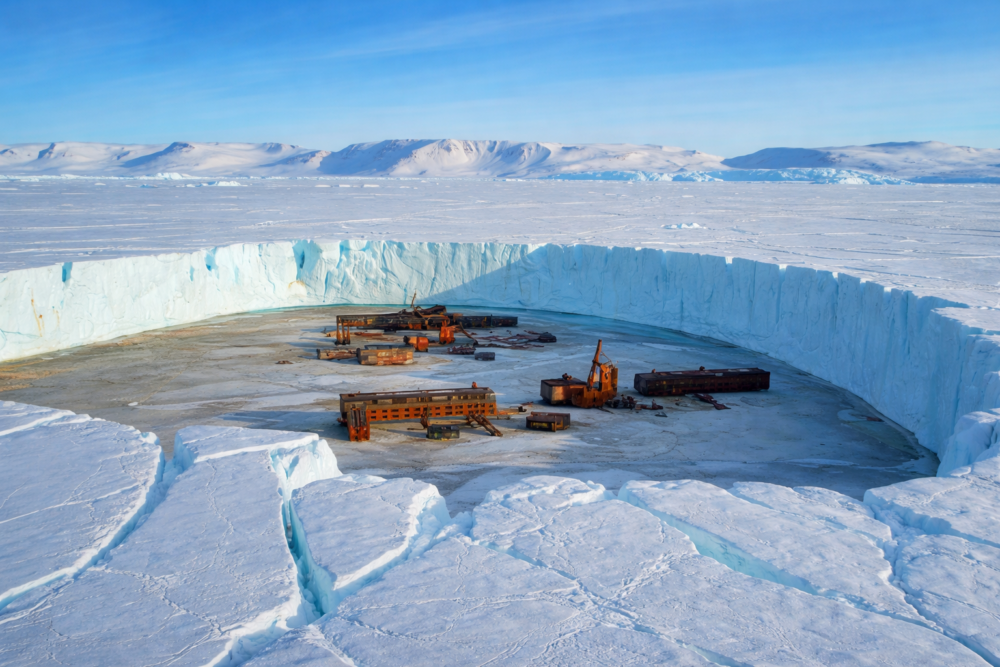
Camp Century was a U.S. Army base carved under Greenland’s ice during the Cold War. It was built in 1959 as a proof-of-concept “city” of tunnels—and a cover for a bigger idea: learning whether the ice sheet could hide military infrastructure.

When the base was abandoned in 1967, workers removed key reactor parts but left major waste behind, including diesel fuel, PCBs, and wastewater, plus low-level radioactive coolant tied to the nuclear power system.

As Greenland warms, scientists are rechecking the old assumption that snow would bury the site forever. New modeling suggests the hazard is long-term, not tomorrow, but it’s real.

Read more

What an Apocalypse-Resistant City Would Actually Look Like

Future cities may be designed less for convenience and more for survival.

©Image license via Canva

From rising sea levels to extreme weather, cities as we know them aren’t designed to withstand the escalating challenges of climate change. But what if urban spaces weren’t just resilient, but practically indestructible? Architects, engineers, and visionaries around the world are already crafting bold designs that could make cities self-sustaining, disaster-resistant, and nearly apocalypse-proof.

These concepts go beyond adding more solar panels or planting a few green roofs. We’re talking floating neighborhoods, underground energy hubs, and skyscrapers that literally clean the air. Some of these ideas may sound like science fiction, but many are already being tested, or even built.

Read more

Solar and Wind Power: China’s Strategy to Sustain the AI Industry

China is scaling solar and wind infrastructure to meet its AI sector’s surging energy needs.

©Image license via Canva

As China’s artificial intelligence industry grows, so does its need for vast amounts of energy. To meet this demand while curbing carbon emissions, the country is turning to renewables—chiefly solar and wind power. Experts at the International Energy Agency and Stanford University note that these sources, paired with modern grid systems and energy storage, offer cleaner, more stable electricity for AI data centers and computational hubs spread across China’s diverse industrial zones.

Read more

A California Startup Says Its Fusion Device Generates More Power Than Tokyo and New York Combined

A bold claim from a high-tech company promises city-sized power in a single pulse.

©Image license via Planet Sage/Chat GPT

California-based Fuse Energy Technologies says its prototype fusion driver produced a burst of power in a laboratory setting equivalent to the combined electrical output of Tokyo and New York. The device, called TITAN, uses ultra-high-voltage pulses to compress plasma and generate extreme temperatures and pressures. While the company emphasizes this was a peak power output measured over nanoseconds—not continuous energy production—the scale of the test suggests a new approach to fusion research.

Read more

Australia Is Giving Away Free Electricity for Hours Each Day Thanks to Solar

Australia’s solar boom is now creating daily windows of free electricity for millions of people.

©Image license via Flickr

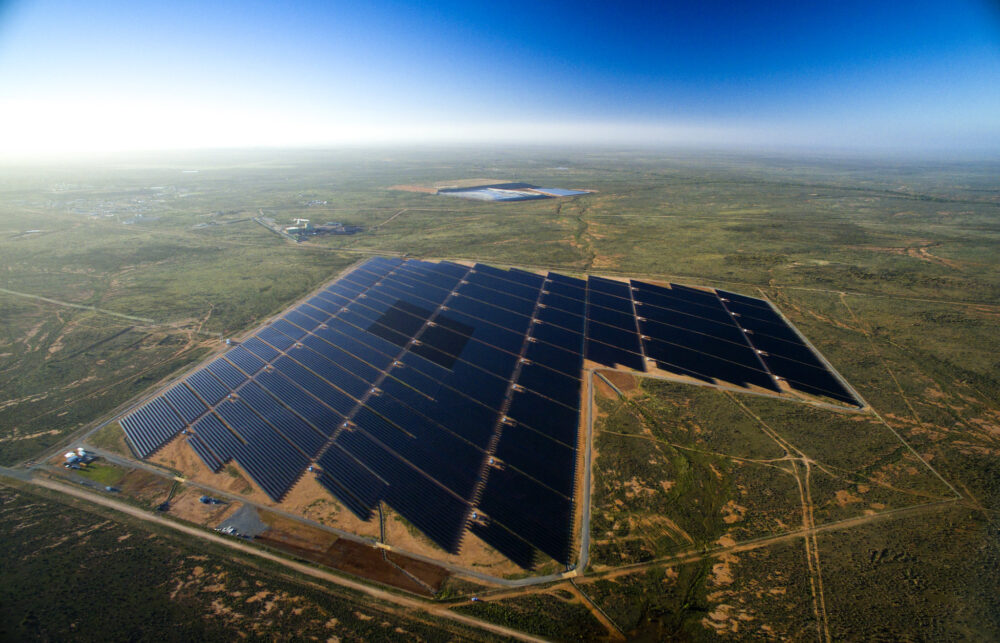
Australia is experiencing a solar boom so large that electricity demand in the middle of the day often drops to record lows. With millions of rooftop solar systems feeding excess power into the grid, utilities have begun offering free daytime electricity to help soak up the surplus. In some regions, customers can now use at least three hours of no-cost power every afternoon. This shift shows how quickly solar is reshaping the country’s energy market.

Read more

Scientists Have Found a Way to Turn Deep Sea Water Into Safe Drinking Water

Innovative “sub-sea” desalination tech could pull freshwater from the ocean’s depths with far less energy.

©Image license via Chat GPT

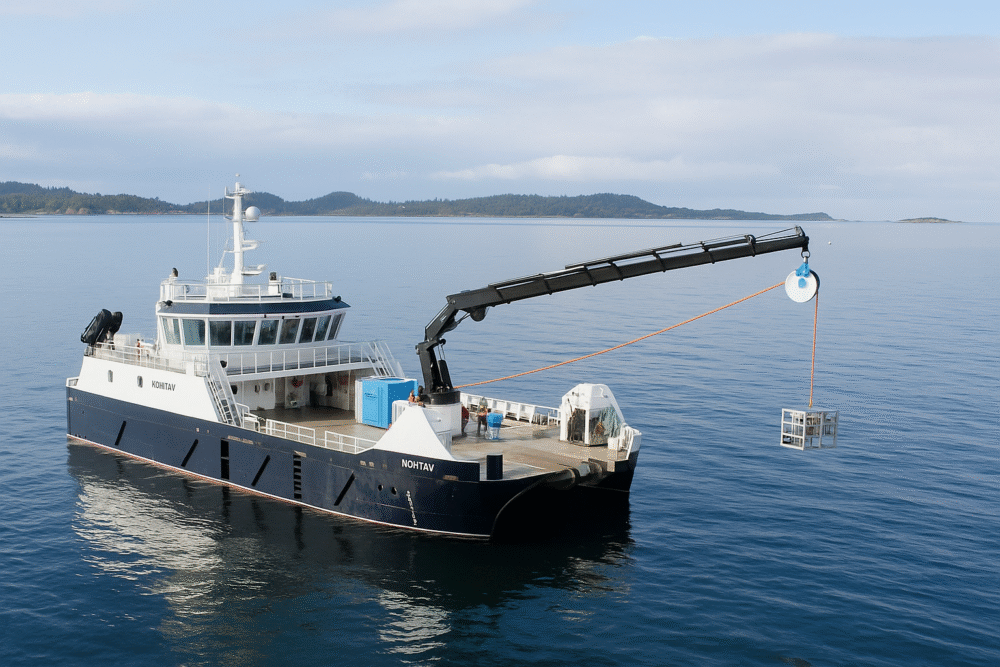
Engineers are now tapping the deep ocean as a surprisingly efficient source of drinkable water. Using modular desalination pods placed hundreds of meters underwater, companies such as Flocean exploit natural hydrostatic pressure to help push salt out of seawater—lowering energy use by 40–50 % compared with conventional methods. While large-scale commercial deployment remains a few years off, early results suggest the deep sea may offer a scalable answer to global freshwater shortages in drought-prone regions.

Read more

Why Your Electric Bill Skyrockets Every Time a Heat Wave Hits

As temperatures climb, so do electric bills — and the impact may be bigger than you realize.

©Image license via Canva

Electric bills often spike during heat waves as homes rely heavily on air conditioning and cooling appliances that consume significant energy. Higher outdoor temperatures cause air conditioners to run longer and harder, especially when coupled with elevated humidity and poor insulation. Utility companies may also charge higher rates during peak demand periods, further increasing costs. Understanding these factors can help manage and reduce energy expenses during extreme heat.

Read more

12 Ways AI and Automation Are Reshaping Gen Z’s Careers

AI and automation are transforming job roles and skills for Gen Z professionals worldwide.

©Image license via Canva

Artificial Intelligence (AI) and automation are revolutionizing how Generation Z approaches careers across industries. These technologies reshape tasks, create new roles, and demand continual skill development to stay relevant in a rapidly evolving job market. Experts from institutions like MIT and the IEEE emphasize that understanding AI’s impact on workplace transformation is essential for Gen Z workers aiming to navigate future career paths successfully.

Read more

Smart Home Upgrades That Could Save You During Extreme Heat and Blackouts

Experts say smart technology can keep your home cool and powered when the grid goes down.

©Image license via Canva

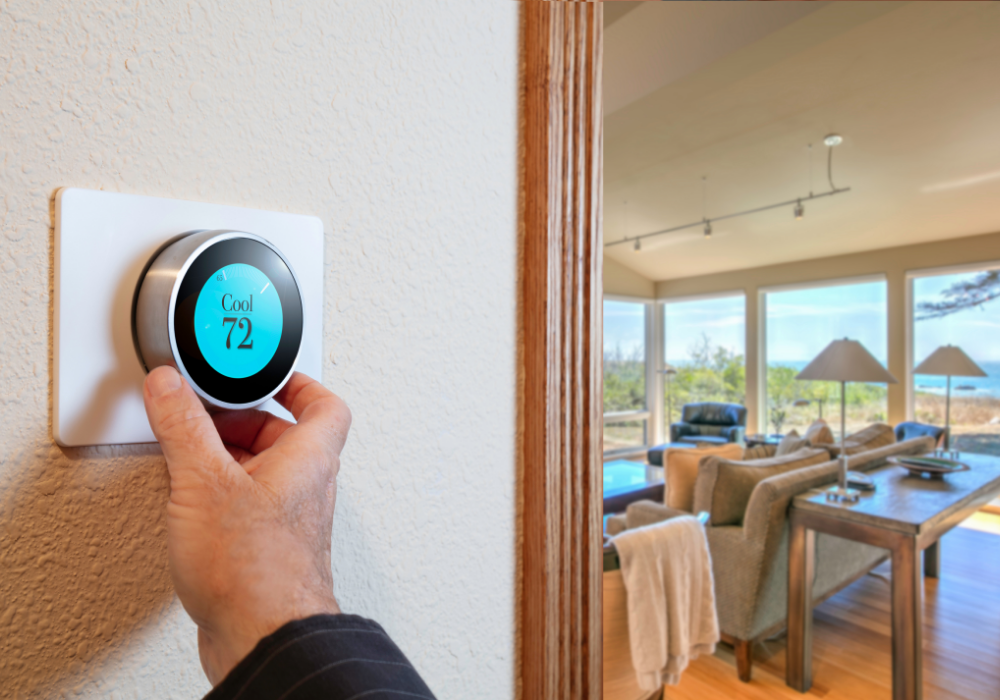
Smart home technology offers practical solutions to reduce risks caused by heat and power outages. By integrating devices like smart thermostats, backup battery systems, and solar panels, homeowners can improve energy efficiency and home resilience. These upgrades not only help regulate indoor temperatures but also provide reliable power when the grid fails, creating safer and more comfortable living environments year-round.

Read more

Could Nuclear Power Be the Missing Weapon Against Climate Change?

Nuclear power offers a reliable, low-carbon energy source crucial for reducing greenhouse gas emissions.

©Image license via Canva

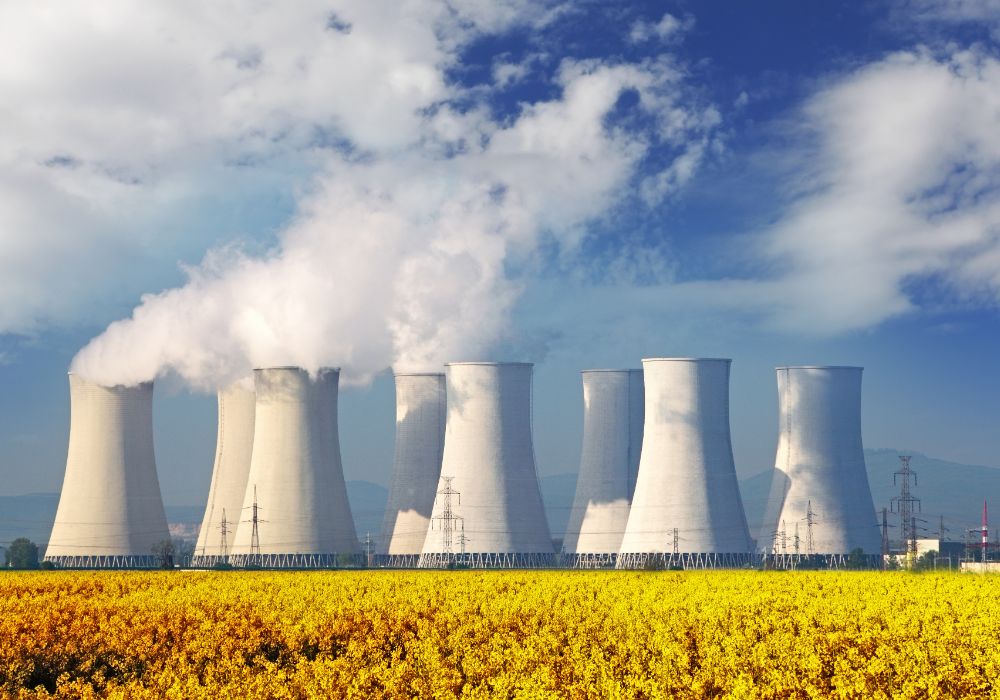
Nuclear power stands out as a significant contributor in the fight against climate change by providing consistent, low-carbon electricity. Unlike fossil fuels, nuclear reactors generate large amounts of energy without emitting greenhouse gases during operation, supporting a stable energy supply alongside renewables. According to the Intergovernmental Panel on Climate Change (IPCC), incorporating nuclear energy is vital for achieving deep decarbonization goals while addressing challenges like waste management and safety advancements.

Read more