This Quiet Hand Signal Is a Secret Plea for Help. Would You Recognize It?

A discreet hand movement is becoming a lifesaving tool for people who can’t speak freely.

©Image license via Planet Sage/Chat GPT

A simple hand gesture created by the Canadian Women’s Foundation in 2020 has become a discreet lifesaving tool for people in danger, including those experiencing domestic abuse or possible abduction. Known as the “Signal for Help,” the gesture lets someone silently indicate distress during a video call or in public without alerting the person causing harm. Since going viral on social media, the signal has been recognized by law enforcement agencies, safety organizations, and advocacy groups as a crucial way victims can seek help when speaking out isn’t possible.

Read more

You May Be Surprised How Many Cultures Recognize More Than Two Genders

Across continents and centuries, communities have recognized identities that go far beyond the binary.

©Image license via Canva

Many societies around the world — both past and present — have long recognized gender identities beyond the familiar male–female binary. These traditions show that gender diversity is not a modern invention but a deeply rooted part of human culture. Anthropologists have documented communities on multiple continents where additional gender roles hold social, spiritual, or ceremonial importance. By examining these examples, we gain a clearer understanding of how flexible, varied, and culturally specific gender has always been.

Read more

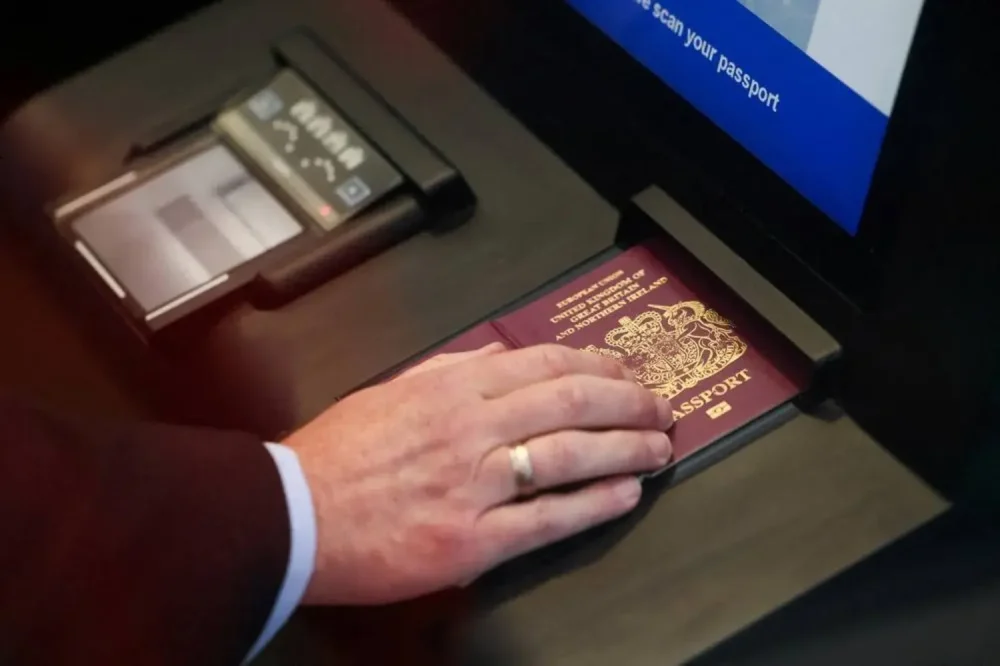
Europe’s New EES Rule Could Affect Millions of Travelers — Are You Ready?

A new biometric system will replace passport stamps and change how non-EU travelers enter Europe.

©Image license via the UPSCTimes.com

Beginning in 2024, the European Union will launch the Entry/Exit System, or EES, a new biometric border-control program that replaces traditional passport stamping for most non-EU travelers. The system is designed to track entries, exits, and overstays using facial and fingerprint data. It applies to visitors from more than 60 visa-exempt countries, including the United States and the United Kingdom. While the change aims to strengthen border security and modernize travel, it will introduce new steps at airports and land crossings that every traveler must understand before arriving in Europe.

Read more

Gen Z Is Getting Fired at Record Rates. Employers Point to These 10 Habits

Recent employer polls reveal rising termination rates among Gen Z and highlight the habits most often blamed.

©Image license via Canva

Recent surveys from ResumeBuilder and Intelligent.com reveal a sharp rise in Gen Z terminations, with employers frequently blaming recurring habits that affect workplace performance. ResumeBuilder found that 74% of managers consider Gen Z the most difficult generation to work with, while Intelligent.com reported that 40% of companies have fired a Gen Z employee. These findings point to shifting expectations, communication styles, and workplace norms. As young workers enter the job market in record numbers, the gap between employer expectations and Gen Z work habits is becoming increasingly visible.

Read more

Gen Z Won’t Want to Admit It, but Boomers Nailed These 13 Things

You’ll never say it out loud, but Boomers were actually right about these things.

©Image license via Canva

You might laugh at their fashion, their music obsession, or how they still use Facebook like it’s breaking news—but Boomers actually got some seriously important things right. Behind the dad jokes and fondness for print newspapers, there’s a generation that stood up, spoke out, and built a ton of what we take for granted today. It’s easy to criticize them for the messes left behind—and sure, some of those critiques are fair—but it’s also true that Boomers shaped the world in ways that still benefit you now.

They weren’t just sitting around talking about change—they were marching for it, inventing it, voting for it, and raising hell when it mattered. Some of their wins are the very foundation of your freedoms, rights, and modern lifestyle. It’s easy to forget how much heavy lifting they did when you’re staring at a meme, but real history paints a way different picture.

Read more

This Attic Find Just Became the Most Expensive Comic Book in the World

A pristine copy of “Superman No. 1” hidden for decades just sold for an astonishing $9.1 million.

©Image license via Foro3D

A simple attic clean-out in Northern California has turned into one of the most astonishing discoveries in comic-book history. Three brothers sorting through their late mother’s belongings found a pristine 1939 copy of Superman No. 1, the first comic ever devoted entirely to the Man of Steel. When they brought it to auction, the book sold for an unprecedented $9.12 million, making it the most valuable comic ever recorded. Its astonishing condition and iconic status helped push it past every previous sales record, reshaping the landscape of high-end comic collecting.

Read more

Forget ‘Brain Rot.’ Oxford’s New Word Explains Why We’re All So Angry

Why social media wants you to be miserable and the surprising cultural moment it defines.

©Image license via Canva

You know that feeling when you’re scrolling online and suddenly a post pops up that makes your blood boil? That content—whether it’s an aggressively wrong take or a ridiculously bad cooking video—wasn’t accidental. It was engineered. Experts say the new fuel for online engagement isn’t curiosity, it’s fury. Oxford has recognized this dark trend by naming “rage bait” its Word of the Year for 2025. We dive into the shocking reason why social media algorithms now actively try to make you miserable just to earn a click.

Read more

Inside the Towns America Forgot: What Happens to the People Who Can’t Leave?

As small towns shrink, the people who stay behind face challenges few outsiders ever see.

©Image license via Flickr

Across the United States, many small towns are shrinking faster than ever before. Factories have closed, young people are moving away, and once-reliable services are disappearing. For those who remain, the reality is growing more challenging. Jobs are scarce, infrastructure is aging, and daily life requires more effort than it once did. Small-town decline isn’t just about numbers—it’s about what happens to the people left behind. As populations fall, the social, economic, and emotional fabric of these communities begins to unravel in ways few outsiders fully understand.

Read more

The Penny Is Disappearing: Here’s What You Should Do With Your Coin Jar

Millions of Americans are wondering how to handle their jars of spare change as the penny begins its phase-out.

©Image license via Canva

As the U.S. moves toward phasing out the penny, millions of people are suddenly wondering what to do with the jars and bags of loose change sitting around their homes. While a single cent may not seem worth much, those pennies add up—and experts say there are smarter uses for them than letting them gather dust. From cash-in options to donation ideas and even potential collector value, there are several ways to make the most of these soon-to-vanish coins before they fade out of circulation.

Read more

Countries Are Paying Citizens to Have Babies. The Results Are Surprisingly Grim.

From Asia to Europe, billion-dollar baby bonus programs have failed to reverse plunging birth rates.

©Image license via Canva

Across the world, governments are spending billions to encourage citizens to have more children. From Japan’s cash grants to Italy’s “baby bonus” and China’s new family subsidies, countries facing population decline are offering unprecedented financial incentives. Yet birth rates continue to fall, and experts warn that money alone won’t solve the crisis. Rising living costs, long work hours, and shrinking social safety nets have made parenthood less appealing—proving that economic incentives can’t easily fix a cultural and structural problem.

Read more