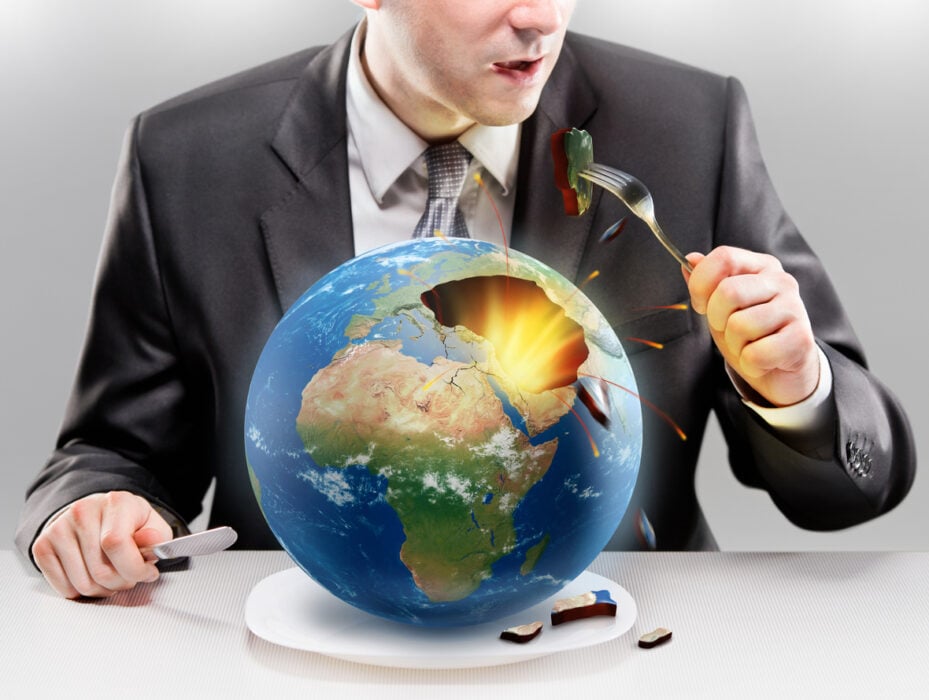
11 Ways Trump’s Immigration Crackdown Could Trigger a Grocery Crisis

Trump’s immigration raids could leave fruits, vegetables, and meat boxes bare—and prices soaring.

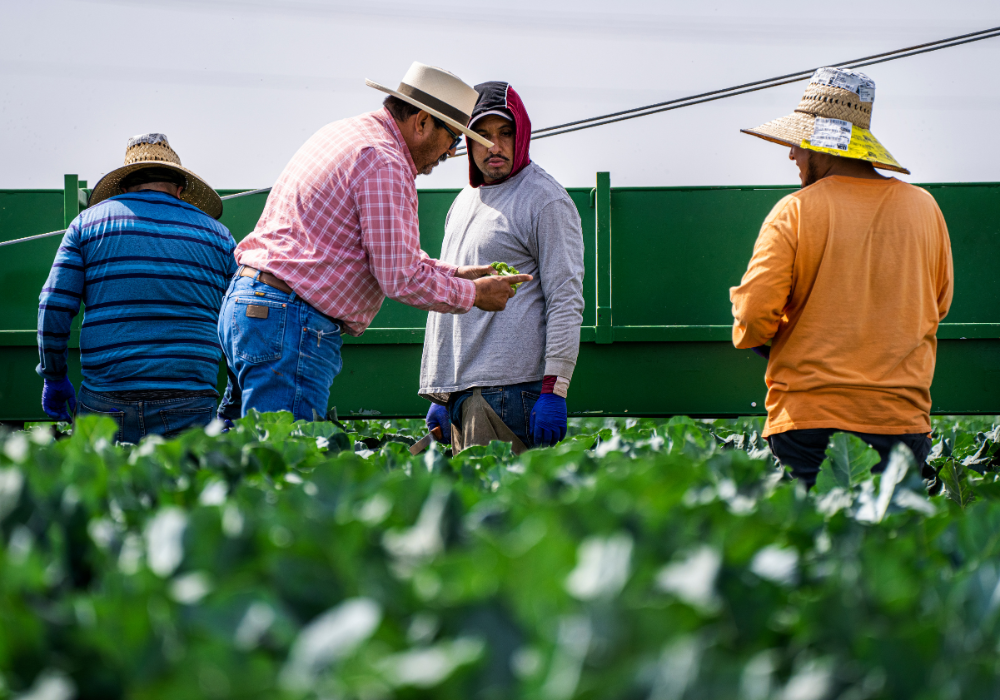
Farm workers in a field. ©Image license via Canva

As Donald Trump revives promises of sweeping immigration crackdowns, America’s food supply may be heading toward a full-blown crisis. Immigrant labor—much of it undocumented—is the backbone of the U.S. agricultural system, handling everything from planting and harvesting to processing and packaging. Without these workers, farms can’t function, supply chains falter, and grocery store shelves begin to thin out. The fallout won’t just be empty bins in the produce section—it could mean skyrocketing food prices, spoiled crops, and economic turmoil for rural communities.

Read more

The Ecosystem Doesn’t Stop at Your Fence Line—10 Ways Your Property Affects It

Private property still has public consequences when it comes to nature.

©Image license via Canva

It’s easy to think of a yard, garden, or patch of land as fully personal space—your little corner of the world, separate from everything else. But nature doesn’t recognize property lines. Every choice made on private land ripples outward, quietly influencing the plants, animals, soil, and water systems that flow beyond any fence. What happens on one lawn can easily affect a stream a mile away, or a bird nesting in a neighboring forest.

The idea that environmental responsibility stops at your property line is one of the biggest illusions modern life sells. From pesticides to landscaping choices, small decisions can carry serious consequences for local ecosystems. That means individual property owners have real power to help or harm. Understanding the invisible impact of these choices is the first step toward making sure personal space doesn’t come at nature’s expense.

Read more

The Experts Are Being Purged from Government—12 Scary Ways This Impacts You

When politics replaces expertise, everyday people pay the highest price.

©Image license via iStock

You probably don’t realize how dangerous it is when smart people start disappearing from government jobs. It’s easy to tune out the headlines about agency shakeups or bureaucrats getting pushed out. Sounds like insider drama, right? But the truth is, when experts—scientists, economists, public health pros, climate analysts, and career civil servants—are sidelined, you end up living with the consequences. These aren’t just paper-pushers. They’re the people who know how to keep your water safe, your medication tested, your air breathable, and your food supply running smoothly. And when they’re replaced with loyalists, cronies, or people who have no business making critical decisions, things start to break. Slowly at first, and then all at once.

You might not notice it right away. Policies still get passed, press conferences still happen, and the machinery keeps turning. But underneath? The gears are grinding. And once the damage shows up in your daily life, it’s a lot harder to undo. The purge of experts isn’t just a political story. It’s a ticking time bomb hiding behind boring headlines—and when it goes off, you’ll feel it. Everywhere.

Read more

You Don’t Have to Be “Soft” to Care—Here Are 10 Bold Acts of Eco Resistance

The future depends on people who are willing to risk comfort for real change.

©Image license via Canva

Eco-resistance isn’t about sipping from a reusable straw or feeling superior about your compost bin. It’s about standing up to a system that profits from destruction. The corporations wrecking ecosystems aren’t slowing down because you remembered your tote bag. Real change takes guts—it means disrupting the comfortable routines that allow industries to keep cashing in while the planet burns.

This isn’t the feel-good version of environmentalism. It’s not about being perfect—it’s about being brave enough to make noise, push back, and take risks. The people willing to fight dirty industries, call out greenwashing, and demand actual accountability are the ones making a real difference. If you’re tired of being told “every little bit helps” while oil companies rake in billions, these bold acts of eco resistance are for you.

Read more

Men Were Taught to Provide—But These 12 Values Are Costing the Planet

The traits praised as masculine success are fueling environmental collapse.

©Image license via iStock

Generations of men were taught that their worth came from what they could build, buy, and pass down. Providing wasn’t just a role—it was a full identity. The provider archetype was praised for being dependable, strong, practical. But no one stopped to ask what all that “providing” was actually costing. The house, the car, the steady income, the nonstop growth—these ideals weren’t built with the planet in mind.

This isn’t about blaming men for the climate crisis. It’s about seeing how gendered expectations shaped a culture of extraction, ownership, and overconsumption. Traits that once felt noble—stoicism, dominance, control—now show up as unsustainable habits in a world that’s hitting its ecological limits. Masculinity isn’t inherently harmful, but it’s been molded into something that rewards depletion over regeneration. If we want to survive the next chapter, we’ll have to rewrite what strength really looks like—and who we allow to embody it.

Read more

These 10 Political Loopholes Keep Undermining Environmental Progress

Behind every stalled climate bill is a legal escape hatch no one wants to close.

©Image license via Canva

On paper, it looks like things are moving forward—emissions targets, green investments, ambitious pledges. But when it comes to actual impact? The progress is slower than it should be. That’s not just because of gridlock or denial. It’s because the system is riddled with carefully engineered loopholes that let industries pollute, delay, or opt out entirely—without technically breaking the rules.

These loopholes don’t make headlines, but they quietly do the most damage. They’re how oil companies keep drilling, how pipelines get approved, and how corporations meet “net zero” goals without cutting actual emissions. It’s all legal. It’s all intentional. And it’s why the climate fight keeps stalling just when it needs to accelerate. Until these backdoors are closed, even the most promising legislation won’t hold. Because behind every watered-down bill or “compromise” policy is a loophole that someone made sure stayed open.

Read more

This Is What a Crackdown Looks Like—11 Ways Eco Resistance Is Being Crushed

They say climate action matters, but they’re silencing the people fighting for it.

©Image license via Flickr

It’s not just that climate action is being ignored—it’s that the people demanding it are being punished. Peaceful protestors are branded as extremists, journalists are arrested for covering pipeline resistance, and the legal system is being weaponized to scare activists into silence. We’ve reached a point where fighting for the planet doesn’t just feel risky—it is.

And the irony? The same governments that claim to be “going green” are cracking down hardest on those pushing them to move faster. The repression isn’t always loud or headline-grabbing. Sometimes it’s subtle: a permit denied, a lawsuit filed, a jail sentence that makes others think twice. These aren’t isolated incidents—they’re a coordinated effort to shut down dissent. Because if resistance becomes too costly, too frightening, or too invisible, the system wins without ever having to change.

Read more

The Dumbest Climate Arguments We Still Hear—12 That Need to End

They’ve been debunked for years, but somehow people keep repeating them.

©Image license via Canva

You’d think we’d be past the point of arguing whether climate change is real. But every time there’s a heat wave, wildfire, or hurricane, the same tired talking points resurface like they’ve never been addressed. And it’s not just trolls in comment sections. These arguments show up in policy debates, corporate greenwashing, and everyday conversations—acting like speed bumps on the road to progress.

Some of them sound logical until you dig even slightly below the surface. Others are just flat-out denial wrapped in cherry-picked stats or fake “balance.” Either way, they all serve the same function: to delay action, shift blame, or downplay responsibility. We don’t have time for that anymore. The climate crisis isn’t a matter of opinion—and clinging to these myths won’t make reality less urgent. It’s time to retire these arguments for good and stop letting outdated nonsense set the tone for our future.

Read more

Greta Thunberg Didn’t Yell for Nothing—10 Reasons Her Rage Was Justified

When the world won’t listen, fury becomes survival.

©Image license via Flickr

Greta didn’t politely ask for change—she demanded it. And thank God she did, because the people in charge weren’t exactly racing to save the planet. Her anger wasn’t performative. It was the kind of rage that bubbles up when you’ve read the science, looked around, and realized most of the adults in the room are pretending everything’s fine. She didn’t scream for attention—she screamed because no one else would.

Her voice cut through the noise in a way facts alone couldn’t. And while critics called her too emotional, too dramatic, too young, she did something they never could—wake people up. Because anger isn’t always the problem. Sometimes it’s the most honest reaction to a broken system. These ten reasons show why Greta’s fury wasn’t just justified—it was essential. And if we’d listened sooner, we might not be where we are now.

Read more

11 Ways Society Pushes People Toward Protests Without Even Realizing It

It’s not “bad” people—our systems are quietly breaking their spirits.

©Image license via iStock

You don’t have to be watching the news 24/7 to feel something big is breaking. What’s happening on the streets of Los Angeles right now isn’t just about immigration crackdowns or a few chaotic nights. It’s deeper. It’s decades of pain bubbling up all at once—grief, rage, exhaustion—all of it spilling out where cameras can finally see it. People aren’t snapping out of nowhere. They’ve been stretched thin for years, living in communities gutted by poverty, ignored by leadership, and brutalized by systems that were supposed to help.

Anger doesn’t just happen—it builds, layer by layer, each policy failure and broken promise adding weight. And when you can’t scream loud enough to be heard, sometimes the only option left is to break something. That may sound extreme in a society that values property over people’s pain, but for some, it’s the only way to make the world look in their direction. If you want to understand the protests, you have to understand what led to the spark.

Read more