A Legendary NASA Scientist Says Earth Has Hit a Climate ‘Point of No Return’

James Hansen says Earth has entered a dangerous warming phase that will accelerate faster than most predictions.
©Image license via Flickr

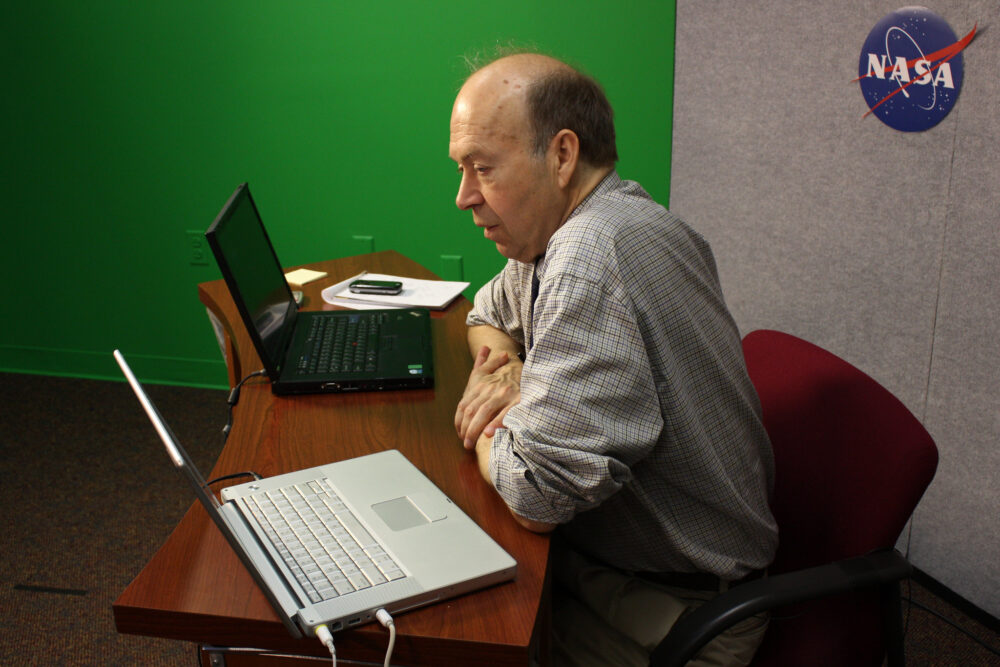
Climate scientist James Hansen, the former NASA researcher who first warned Congress about global warming, now says Earth has crossed a threshold that will drive far more extreme heating in the decades ahead. According to Hansen, the planet is warming faster than mainstream projections show, partly because climate sensitivity may be higher than widely accepted estimates. He argues that feedback loops and rising greenhouse gases have pushed Earth into a self-reinforcing warming phase. While some scientists debate his conclusions, Hansen insists the data points to a future that will be hotter and more unstable than expected.
Read more

Iowa City Made Its Buses Free — And the Climate Impact Was Immediate

A bold transit experiment shows how eliminating bus fares can cut driving, lower emissions, and clean the air.

©Image license via Wikimedia Commons

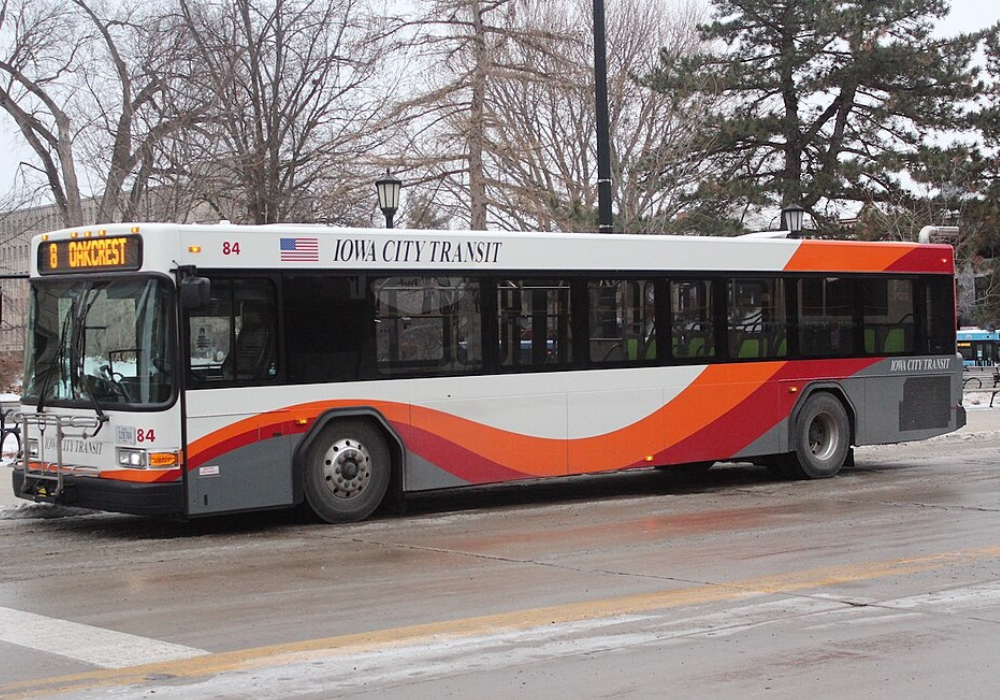
When Iowa City removed fares from its bus system, city officials expected ridership to rise. What they didn’t anticipate was how quickly traffic patterns would shift. Within months, more people chose the bus over their cars, leading to less congestion on major routes and measurable improvements in local air quality. The fare-free policy has become an unexpected climate success story for a small Midwestern city, offering a glimpse of how affordable public transit can play a major role in reducing emissions across the country.

Read more

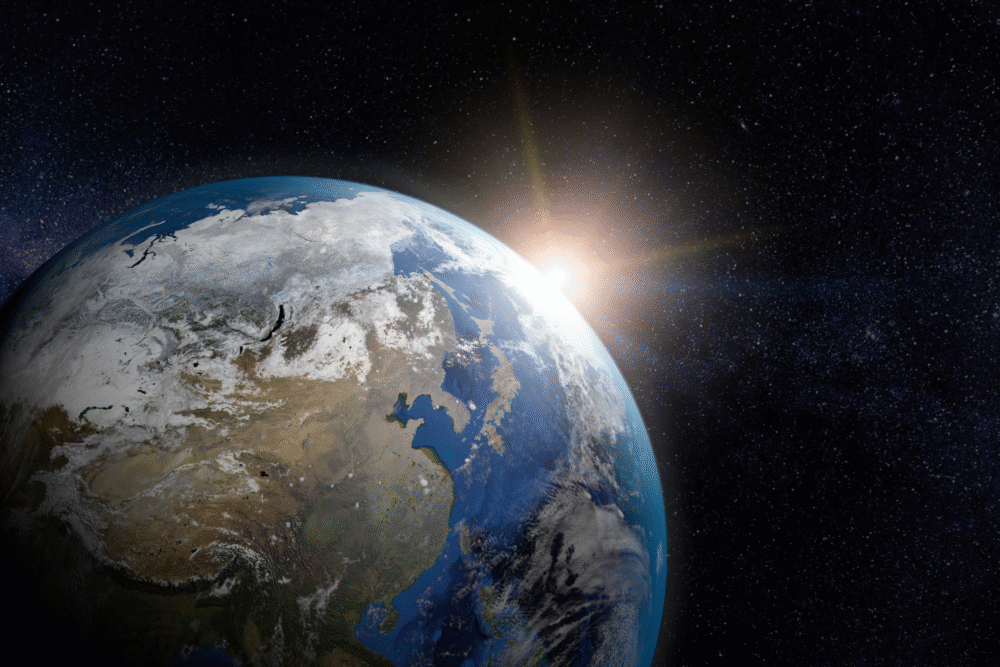
The Climate Is Barreling Toward Tipping Points: Watch for These 3 Critical Changes

Scientists say three fast-moving climate shifts may signal that key planetary tipping points are approaching.

©Image license via Canva

Scientists tracking the planet’s most vulnerable climate systems say three major changes are accelerating faster than expected. From disrupted carbon cycles to collapsing coral reefs and the rapid retreat of ice, researchers warn these shifts may indicate that Earth is edging closer to several long-feared tipping points. These thresholds represent moments when environmental systems permanently transform, potentially reshaping coastlines, ecosystems, and weather patterns for generations. Understanding these three changes helps explain why experts say the urgency to act has never been greater.

Read more

A Hidden Climate Effect Is Quietly Eroding Home Values

A growing climate-driven pressure is reshaping the U.S. housing market in ways most homeowners never see coming.

©Image license via Canva

A new analysis shows that a climate-related ripple effect is quietly weakening home values across the United States, even in places far from wildfire zones, floodplains, and coastal storm paths. The rising cost of protecting homes in a warming world is creating unexpected stress on buyers, sellers, and entire neighborhoods. While homeowners often focus on mortgage rates and inventory, a subtle climate factor is increasingly determining where people can afford to live. Researchers say this hidden pressure is becoming one of the most powerful forces reshaping the modern real-estate landscape.

Read more

Electricity Prices Are Surging Across Several States—And Experts Say It’s Just Beginning

Bill hikes in states like Utah, California, and Oklahoma point to a broader cost surge ahead.

©Image license via Canva

Residential electricity prices across the U.S. have surged by an average of 6% in recent years, with sharp increases reported in states like Utah (up ~15%), Oklahoma (12.3%), and Pennsylvania (13.5%) according to Choose Energy data. Policy analyses by the Center for American Progress and NRDC show that 49 states already face rate hikes or proposals totaling more than $71 billion through 2028. Experts warn that rising fuel costs, growing demand from new industries like AI data centers, and aging power infrastructure could push bills even higher unless urgent action is taken.

Read more

As Ice Melts and Seas Rise, Ancient Secrets Are Emerging: Here’s What Scientists Are Finding

Warming temperatures are revealing long-hidden artifacts, mummies, shipwrecks, and ancient landscapes.

©Image license via Chat GPT

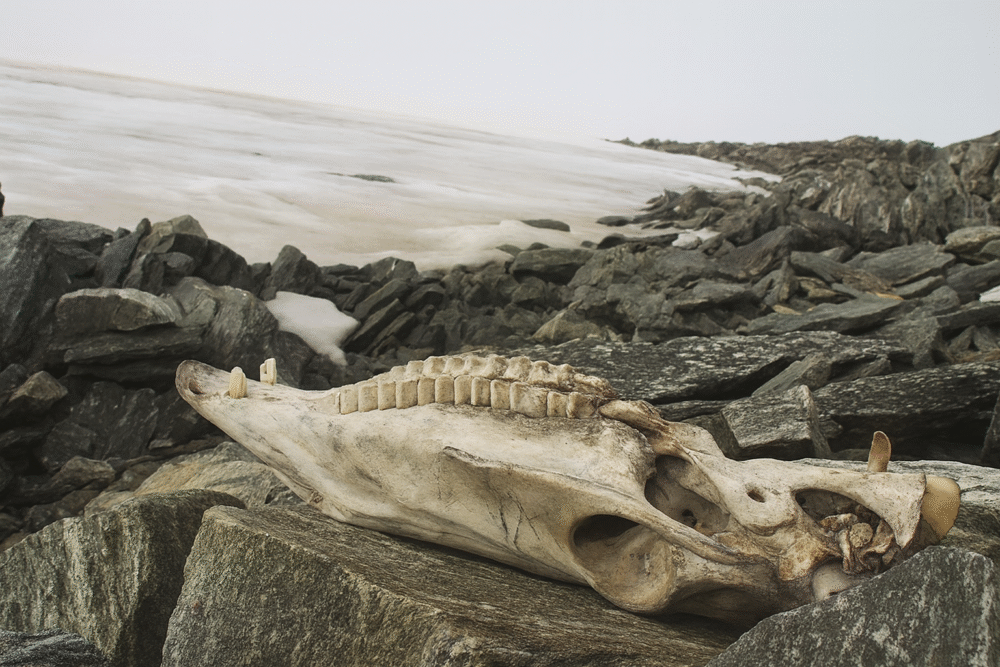
As glaciers retreat, lakes dry up, and coastlines erode, climate change is exposing ancient sites and artifacts that have been sealed away for centuries—sometimes millennia. Archaeologists say the rapid melt is revealing everything from preserved mummies and lost tools to abandoned settlements and forgotten shipwrecks. These finds offer rare windows into human history, but they also highlight how quickly environmental shifts are transforming the planet. Scientists warn that more discoveries are likely as warming accelerates, making preservation a race against time.

Read more

A Cascadia Mega-Tsunami Could Arrive in Minutes—Is the West Coast Prepared?

New research shows parts of the West Coast could face a destructive tsunami within minutes of a major Cascadia quake.

©Image license via Canva

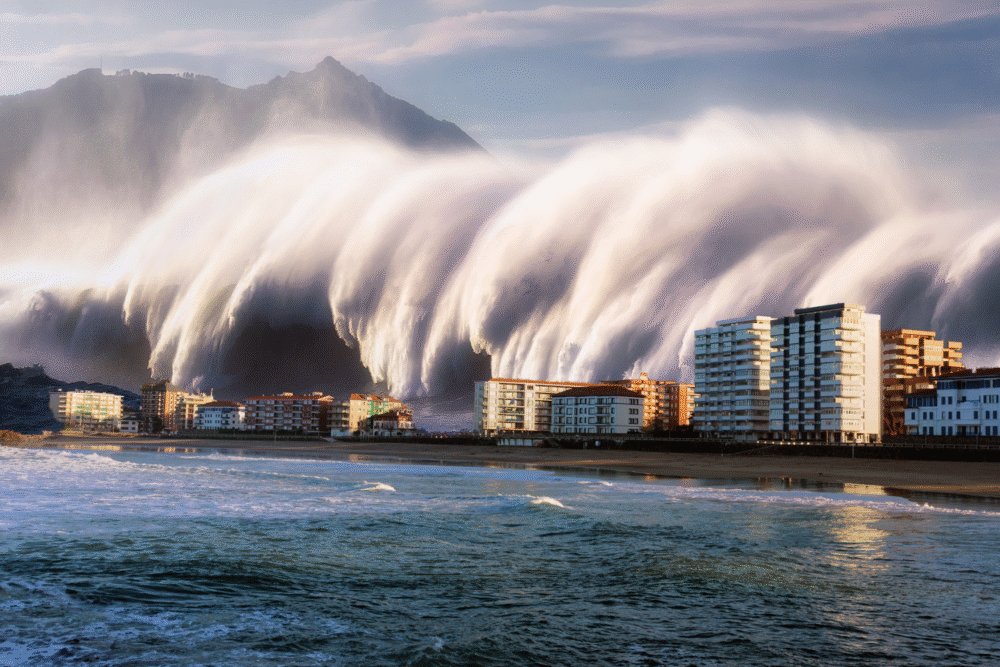
Scientists warn that the Cascadia Subduction Zone—an offshore fault identified by U.S. Geological Survey research as capable of producing a magnitude-9 earthquake—could generate a powerful tsunami with very little warning. Recent modeling from Oregon State University’s Hazard Assessment Team and NOAA’s Pacific Marine Environmental Laboratory shows that some coastal towns nearest the rupture could see waves in just 10 to 20 minutes. Emergency planners say preparedness varies widely, highlighting the need to strengthen systems before the next major Cascadia event occurs.

Read more

The Himalayas Are Losing Their Ice Fast — And the Consequences Could Be Devastating

New research tracks rapid Himalayan glacier loss, warning billions may face water risks sooner than expected.

©Image license via Wikimedia Commons

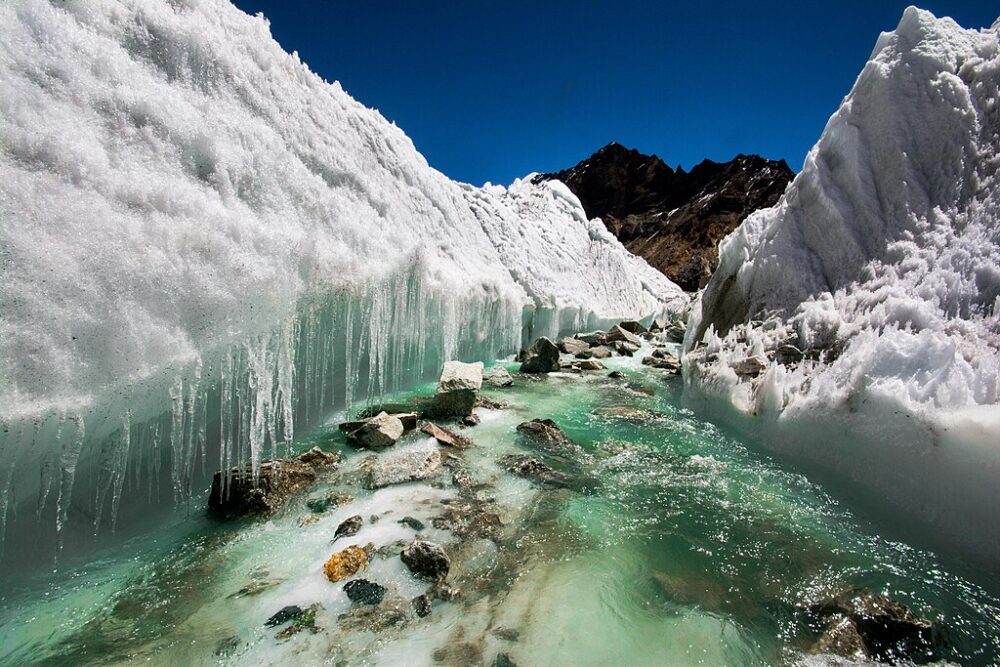
A landmark study released in November 2025 highlights that Himalayan glaciers—often called Earth’s “Third Pole”—are melting at unprecedented rates. The interactive report from The New York Times uses satellite imagery and regional field data to confirm ice mass losses that threaten water supplies for billions of people across South and Central Asia. With warming climates accelerating glacier retreat, scientists warn the consequences extend beyond mountain scenery: from flash floods and river shortages to long-term risk for agriculture and energy systems.

Read more

As Hurricane Season Ends, Experts Warn U.S. Forecast Offices Are Still Critically Understaffed

Major staffing gaps at key National Weather Service offices raise concerns for future storms.

©Image license via Wikimedia Comons

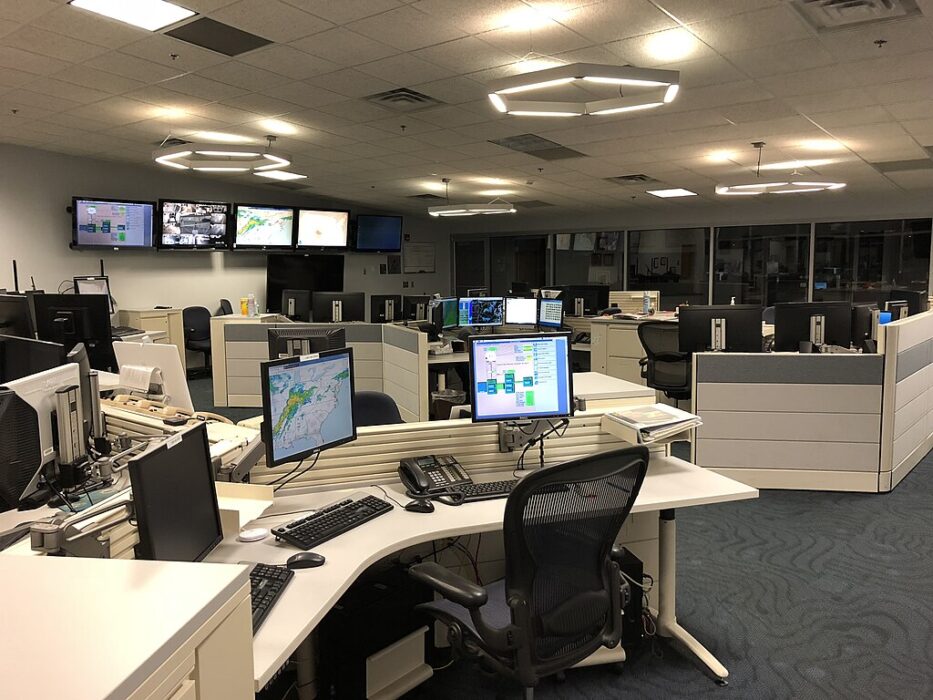
As the 2025 Atlantic hurricane season comes to a close, meteorologists warn that many National Weather Service offices along the Gulf Coast and in Puerto Rico remain significantly understaffed—some missing nearly a third of their meteorologists. According to internal data cited by The Guardian, the shortages stem from earlier hiring freezes and slow replacement of retiring staff. While the NWS maintained core coverage this season, experts say the persistent gaps could pose challenges for future storms, especially as hurricanes grow more intense and unpredictable.

Read more

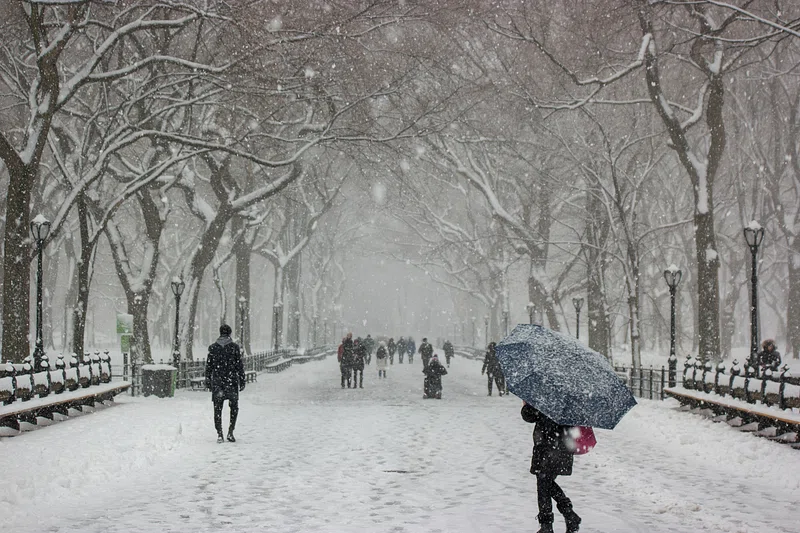
La Niña and the Polar Vortex May Team Up to Deliver a Brutal 2025–26 U.S. Winter

A rare La Niña weather pattern paired with a shaky polar vortex could bring a winter of deep freeze and surprise storms to the U.S.

©Image license via Raw Pixel

Forecasters are keeping a close eye on the 2025–26 winter as a weaker-than-usual La Niña takes hold and the polar vortex shows signs of instability. According to the National Oceanic and Atmospheric Administration, cooler Pacific waters suggest a continuation of La Niña conditions, which historically bring colder vistas to the northern U.S. Meanwhile, disruptions in the polar vortex could send Arctic air further south than usual. Together, these factors hint at a winter that may surprise many with cold and snow.

Read more