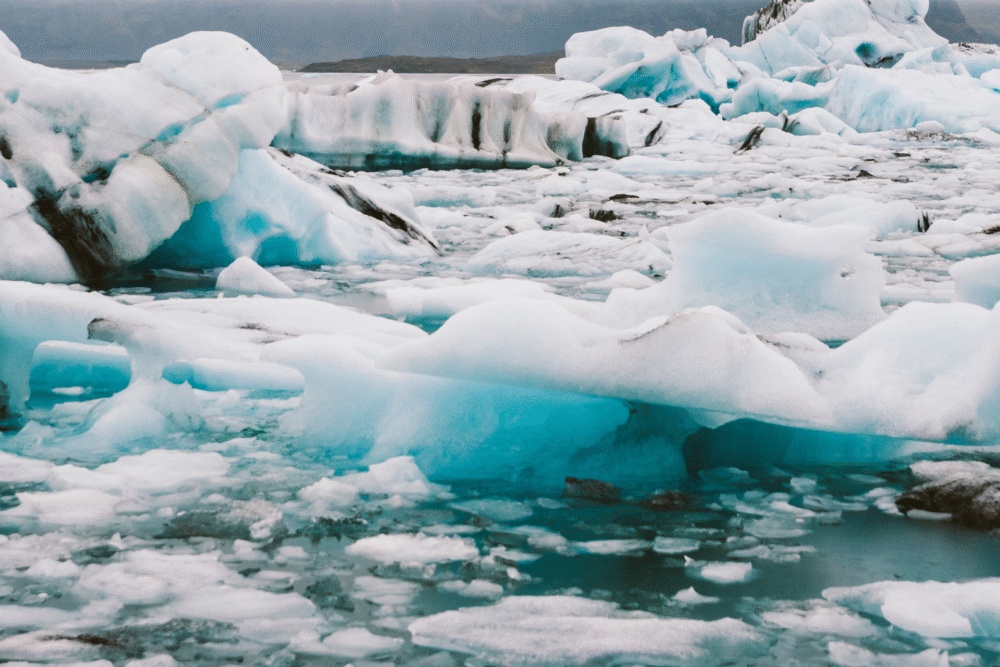
New research shows why slow, hidden changes beneath the ice still pose long-term risks.

Antarctica’s Thwaites Glacier has drawn attention for years, but recent findings have shifted the conversation from dramatic collapse to deeper concern about slow, hidden change.
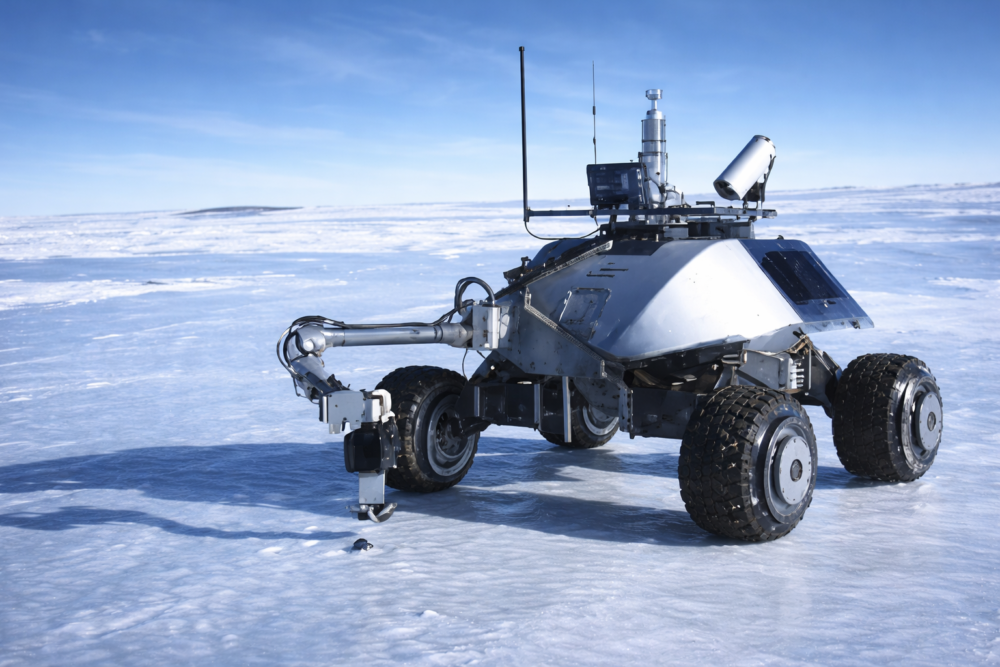
Research conducted through the International Thwaites Glacier Collaboration—a large joint effort involving U.S. and U.K. scientists—has used radar, underwater robots, and long-term monitoring to study what’s happening beneath the ice.
What they’re finding isn’t sudden failure, but complex internal weakening that could shape future sea levels over decades. That growing understanding explains why Thwaites remains one of the most closely watched glaciers on Earth.