
The robot drifted unseen for months, and the data it carried back is reshaping how scientists understand Antarctic ice.
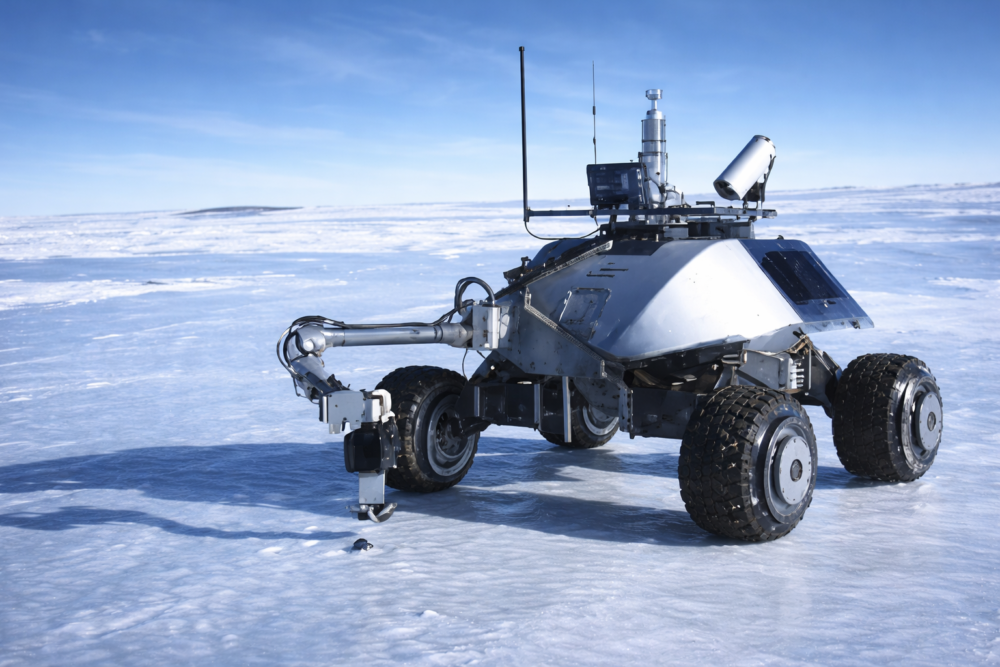
Antarctica’s greatest changes are happening out of sight, beneath thick ice shelves where warm ocean water meets frozen ice. These hidden zones play a major role in how fast glaciers melt, yet they are among the least observed places on Earth.
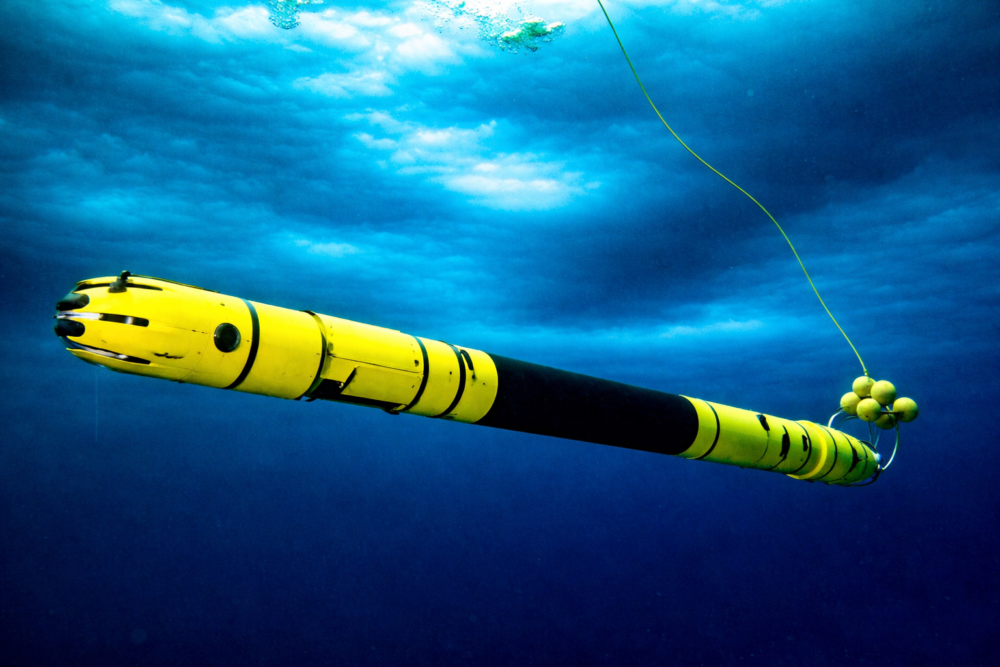
To reach them, scientists rely on autonomous robots that can drift for months in darkness, collecting data no ship or satellite can access. In one recent mission, a robotic ocean float deployed in East Antarctica went missing beneath the ice and was assumed lost.
When it finally resurfaced months later, it returned with a rare, continuous record of conditions beneath major ice shelves near the Totten Glacier region. The measurements offered an unusually clear look at how ocean heat is interacting with Antarctic ice.
Click through and find out why scientists are paying closer attention to this part of the continent.
1. The robot was deployed in East Antarctica, not the continent’s west
The mission took place in East Antarctica, a region long considered more stable than the rapidly changing west. Scientists focused on waters near Totten Glacier, one of the largest glaciers on the continent.
Totten holds enough ice to raise global sea levels by several meters if it were to melt completely, making it a critical area for long-term monitoring.
Follow us and access great exclusive content every day
2. NOAA used an autonomous Argo-style ocean float
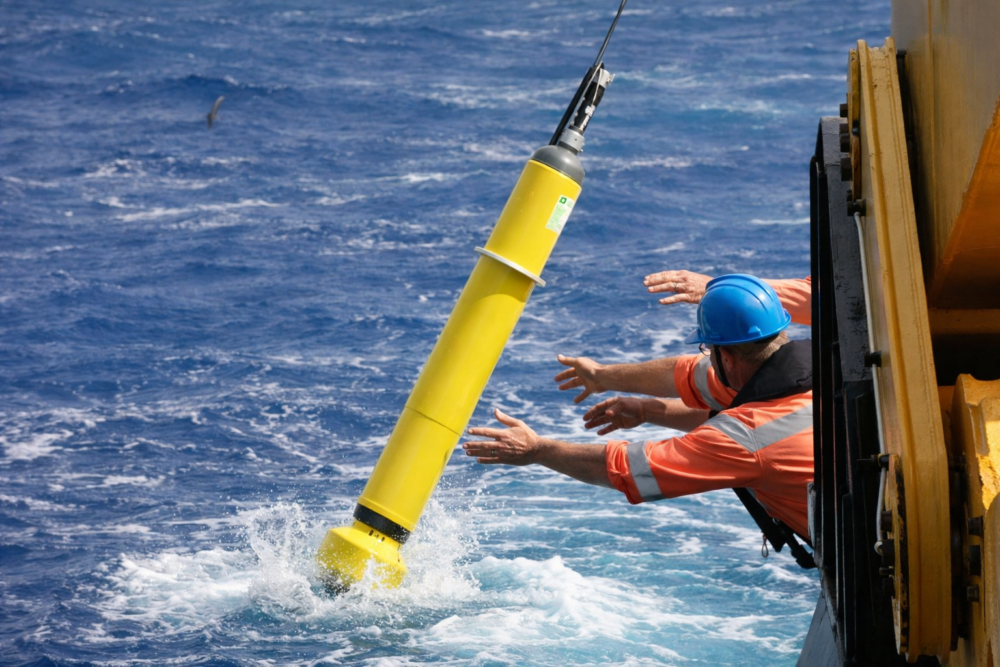
The robot was an autonomous ocean float used by NOAA to measure temperature, salinity, and depth. These instruments drift with ocean currents and periodically dive and resurface to collect data.
In polar regions, floats face added risk because sea ice can block resurfacing and cut off communication for long periods.
3. The float slipped beneath ice shelves and went silent
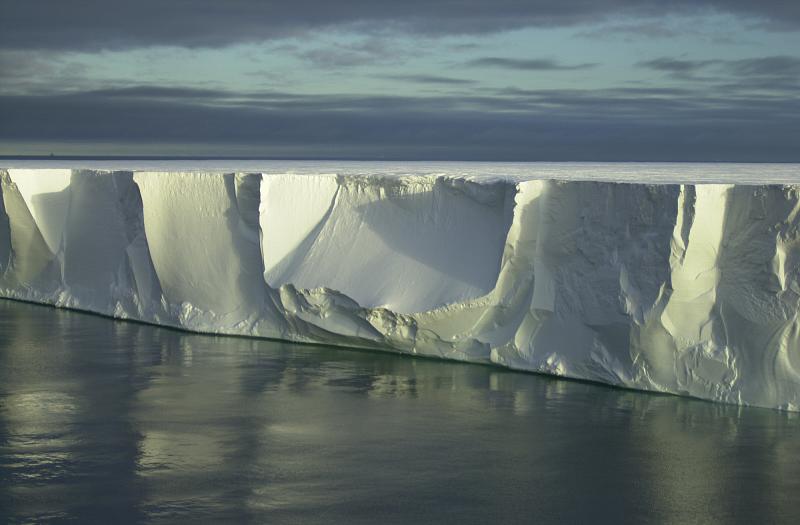
After deployment, the robot drifted under thick ice shelves and stopped transmitting. Scientists could not track its exact location and had no way to retrieve it manually.
Losing contact is common in Antarctic research, and many instruments never return data once trapped beneath ice.
4. Months later, the robot resurfaced unexpectedly
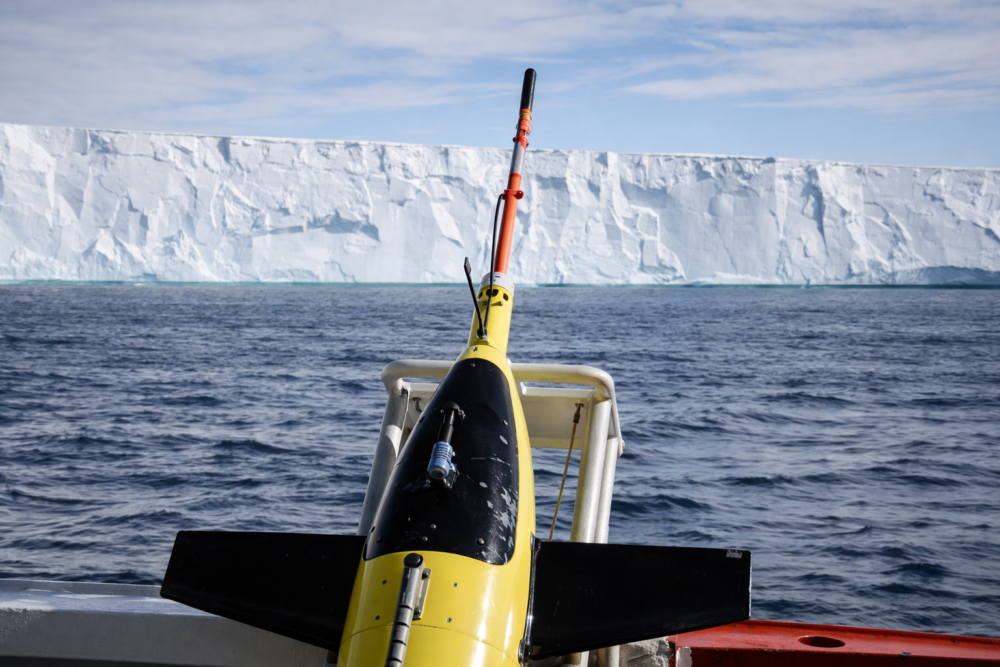
After roughly eight months beneath the ice, the float resurfaced and transmitted its stored measurements. The uninterrupted dataset was rare for East Antarctica.
It provided a continuous record of ocean conditions beneath ice shelves that are usually inaccessible.
Follow us and access great exclusive content every day
5. The data showed warm water circulating under the ice
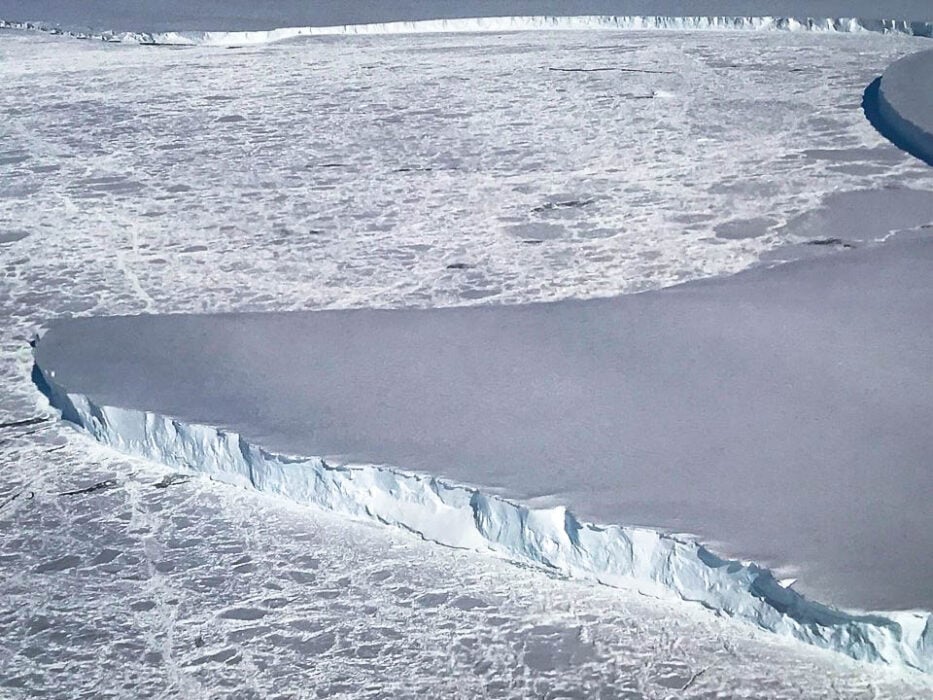
The robot detected relatively warm seawater flowing beneath the ice shelves connected to the Totten Glacier system. Even small increases in temperature can dramatically increase melting from below.
This confirmed that ocean heat is reaching farther under East Antarctic ice than previously observed in direct measurements.
6. The measurements revealed a hidden melting process
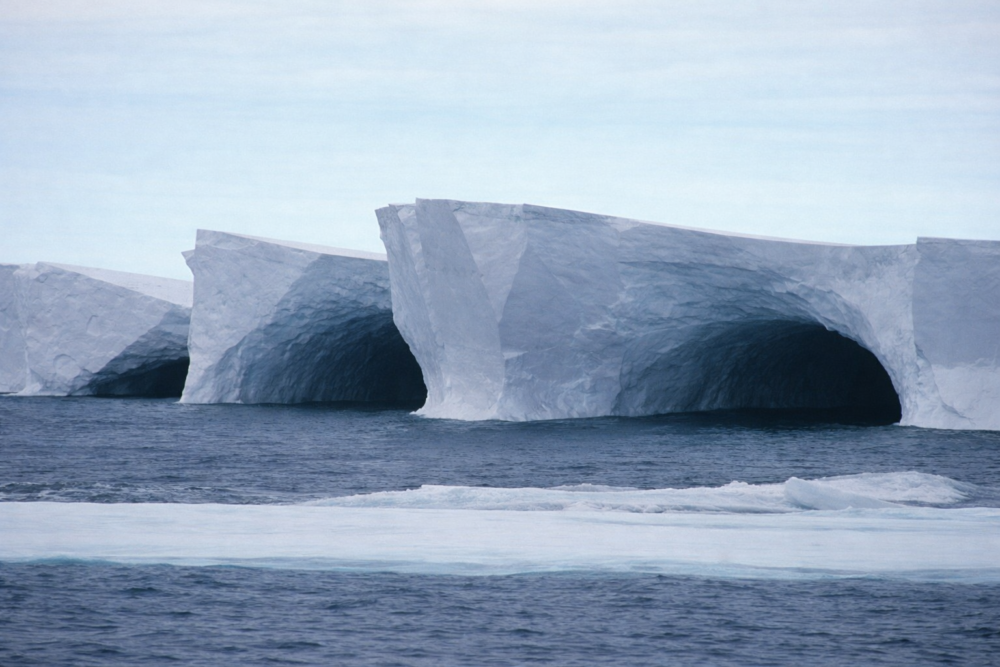
What made the data especially important was the length and consistency of the record. The robot showed that warm water was not entering briefly or sporadically, but circulating beneath the ice shelves over extended periods.
This slow, persistent flow can thin ice from below without causing obvious surface cracking or collapse. Because ice shelves act as natural barriers that slow glaciers from sliding into the ocean, thinning them weakens that restraint.
Over time, this allows inland ice to move faster toward the sea. The robot’s data provided some of the clearest evidence yet that this process is active in East Antarctica, not just in better-studied western regions.
7. Ice shelves matter more than their size suggests
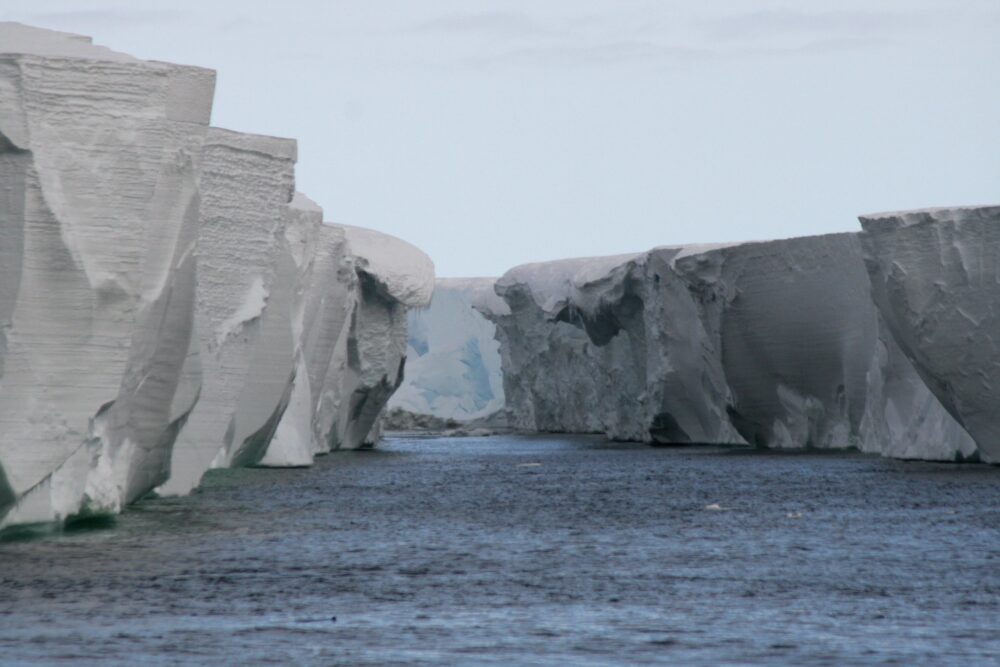
Ice shelves themselves do not raise sea levels when they melt, because they already float. Their importance lies in how they support glaciers behind them.
When shelves thin or weaken, glaciers can accelerate into the ocean, directly contributing to sea-level rise.
Follow us and access great exclusive content every day
8. East Antarctica may be more vulnerable than assumed
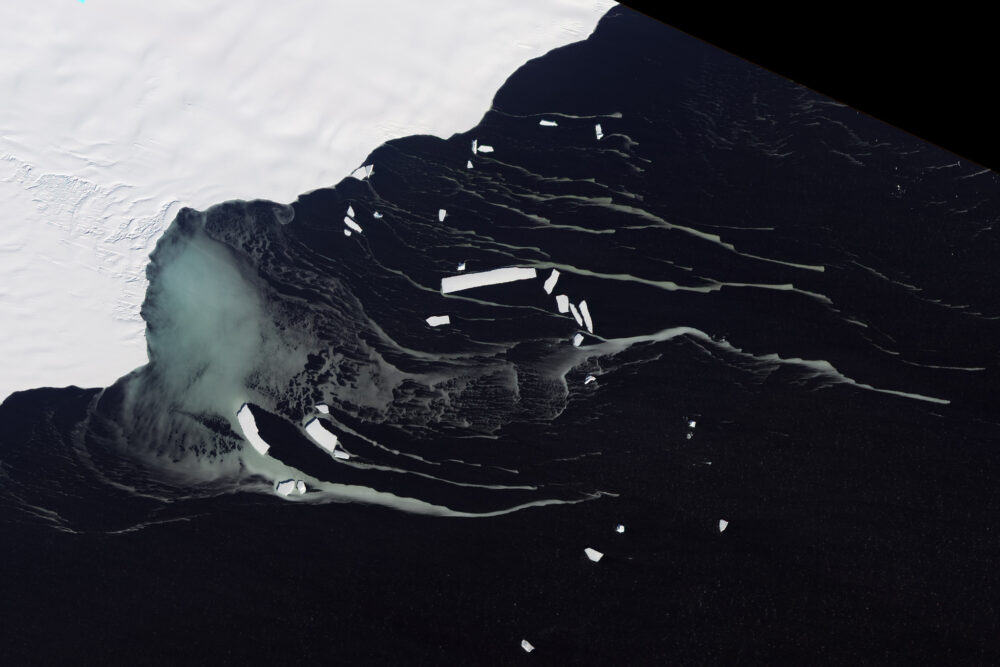
For years, East Antarctica was viewed as relatively secure compared to the west. The new data challenges that assumption.
While changes there may be slower, the sheer volume of ice involved means even gradual shifts could have global consequences.
9. NOAA’s role helps fill a major data gap
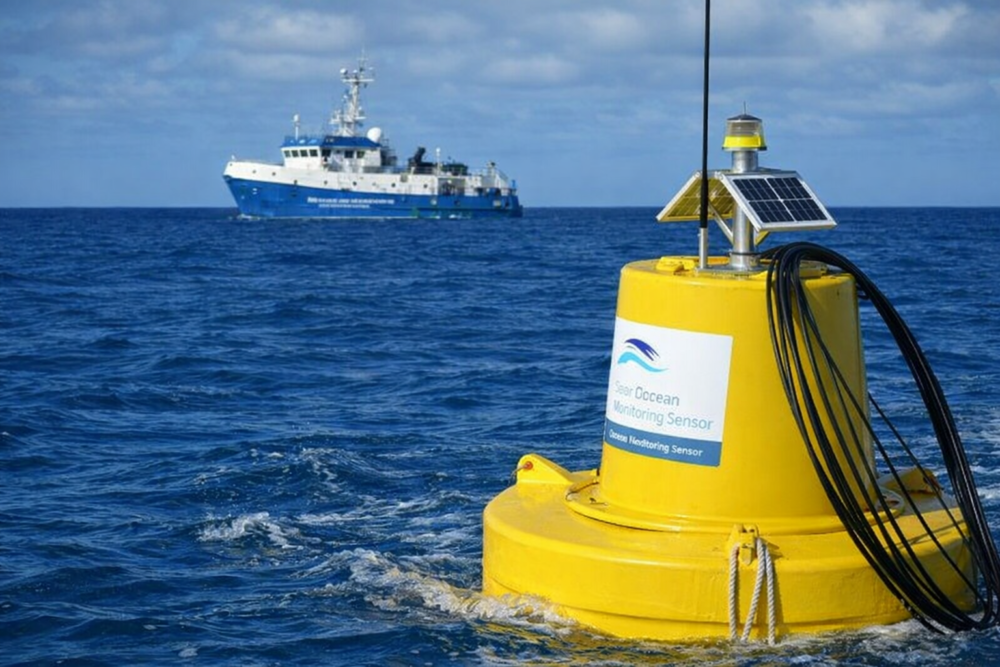
NOAA uses autonomous ocean floats to collect long-term data in regions where permanent monitoring stations are impossible to maintain. Polar oceans remain some of the least measured parts of the planet, especially beneath ice shelves.
This mission showed how a single instrument can capture information that would otherwise be completely missing, helping scientists better understand slow-moving but high-impact changes.
10. The findings affect future climate modeling
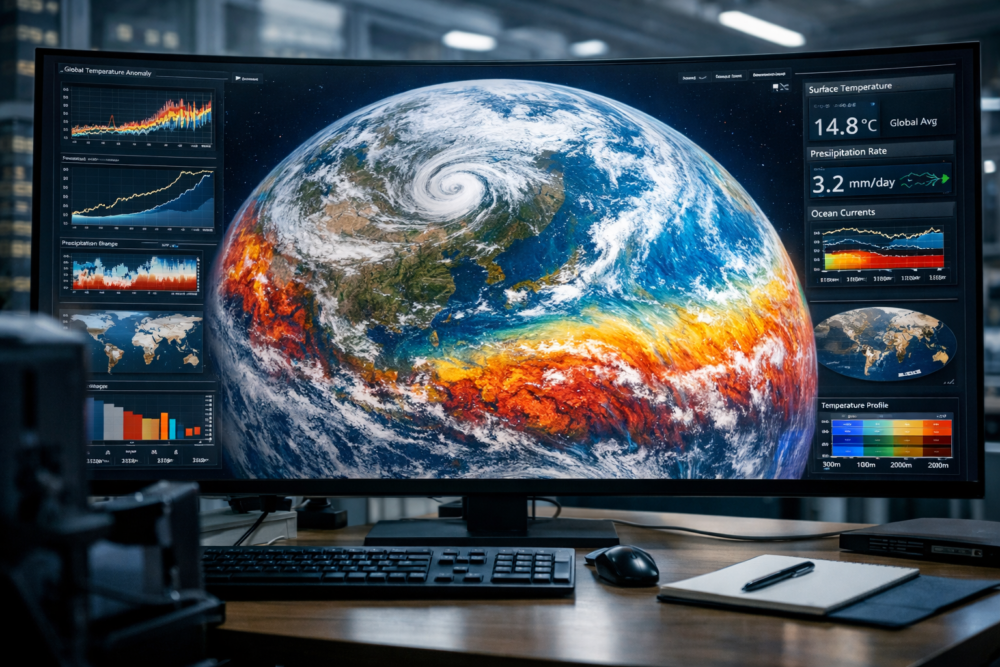
Climate models depend on real-world measurements to predict how ice sheets and oceans will behave over time. Data from beneath Antarctic ice shelves has been especially limited, leaving major uncertainties in projections.
The robot’s measurements give modelers more accurate inputs, improving estimates of future ice loss and long-term sea-level rise.
11. A lost robot changed how scientists see Antarctica
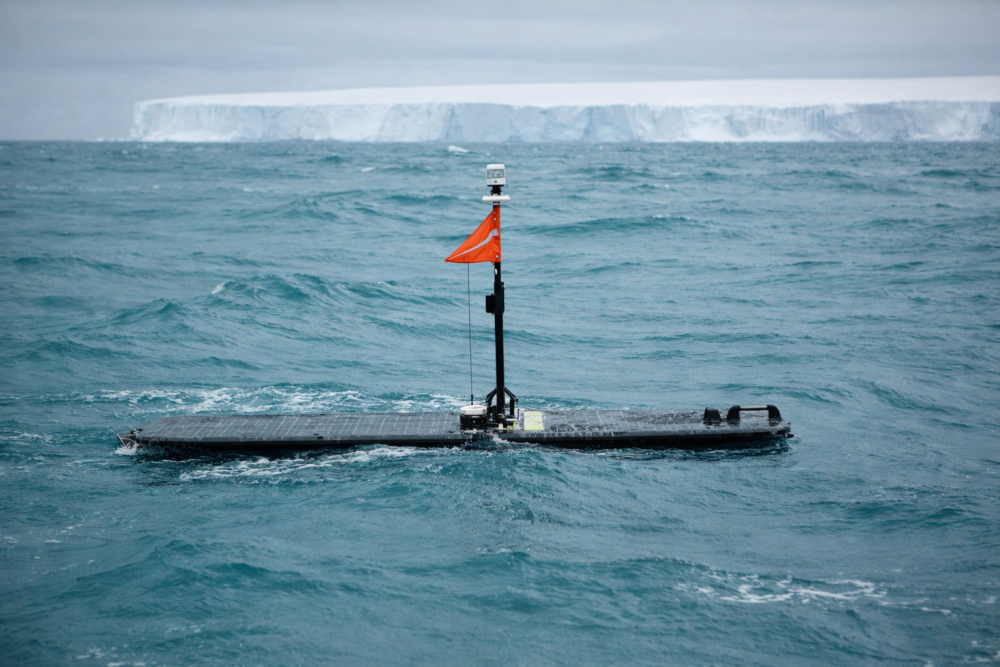
The float’s disappearance and return were unplanned, but the outcome proved invaluable. Its data captured processes scientists rarely get to observe directly.
The mission showed that some of the most important changes in Antarctica are happening quietly, beneath the ice — and that understanding them may depend on robots that survive the journey unseen.