The U.S. Water Crisis Is Already Scary—Here Are 13 Disturbing Clues It’s Getting Worse

From toxic taps to vanishing rivers, America’s water problems aren’t coming—they’re already here.
©Image license via iStock

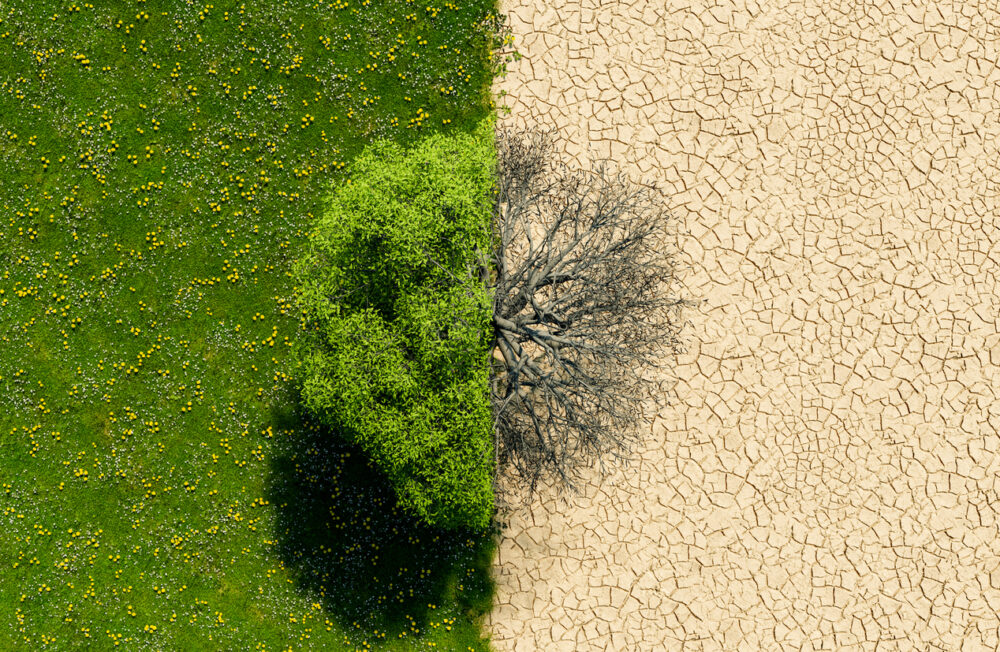
There’s a myth that water scarcity is something that happens elsewhere. But the U.S.? It’s supposed to be immune. Plenty of lakes, advanced infrastructure, a climate that varies but doesn’t collapse—right? That illusion is cracking fast. The country is facing a quiet catastrophe that’s already reshaping entire regions. Droughts, contamination, crumbling pipes, disappearing aquifers—these aren’t isolated incidents. They’re symptoms of a system that’s buckling under pressure.

This isn’t about what might happen in 2050. It’s happening now. Millions already live with unsafe water. Cities are draining rivers dry. Corporations are bottling and profiting while communities ration. And climate change is turning the heat up on all of it. You don’t need to live in the desert to feel the impact. The clues are everywhere—you just have to stop pretending they’re normal. Here are 13 signs the U.S. water crisis is quietly exploding.

Read more

The Gods Are Furious—11 Climate Disasters Straight Out of Greek Mythology

Ancient myths warned us, and now the gods are making their rage known.

©Image license via iStock

The ancient Greeks believed the gods controlled nature, punishing humanity with storms, fires, floods, and plagues when mortals overstepped their bounds. These myths were cautionary tales about hubris—warnings of what happens when people defy nature itself. Today, those same disasters aren’t just legend anymore. The world is heating up, the seas are rising, and natural disasters are intensifying like never before. If the Olympians were watching, they’d probably say, “We told you so.”

From Poseidon’s floods to Hephaestus’ raging fires, the catastrophes unfolding today seem ripped straight from ancient Greek mythology. The difference is that this time, it’s not the gods unleashing their wrath—it’s us. Human-driven climate change is fueling extreme weather events, and the consequences are undeniable. History has always warned us that ignoring nature comes with consequences. If we don’t start listening, we may find ourselves living out myths we never wanted to believe in.

Read more

Say Goodbye to Your Favorite Foods: 12 Crops That Could Disappear Forever by 2050

Climate change is coming for your favorite foods, and the clock is ticking.

©Image license via iStock

Food shortages might seem like a future problem, but they’re already happening. Climate change, extreme weather, soil degradation, and water scarcity are pushing agriculture to the brink, and some of the world’s most beloved crops are struggling to survive. It’s not just specialty foods on the chopping block—everyday staples like coffee, wheat, and chocolate could become unaffordable or disappear entirely within a few decades.

Farmers have always found ways to adapt, but the speed of today’s environmental shifts is making it harder than ever. Crops that once thrived are now facing droughts, heat waves, and shifting growing seasons that threaten their very existence. If we don’t rethink farming, food production, and sustainability, future generations may never know the taste of some of today’s most common foods. Here are 12 crops that may not survive past 2050 if the world doesn’t change course.

Read more

10 Critical Ecosystems on the Verge of Complete Collapse (And What That Means for Humanity)

The silent extinction: These 10 ecosystems are vanishing, and the ripple effects will be catastrophic.

©Image license via Canva

It’s happening right under our noses. While we’re busy scrolling, working, and binge-watching, the world’s most vital ecosystems are unraveling. We’re not just talking about a few animals disappearing here and there—entire environmental systems, the backbone of life as we know it, are on the brink. And when they go, it won’t be pretty.

Imagine losing the Amazon Rainforest, the Great Barrier Reef, or even the Arctic tundra. It’s not just about nature lovers mourning the loss; these places keep our planet in balance. Their destruction means food shortages, extreme weather, and new diseases knocking at our door. We’re not just spectators in this crisis—we’re part of it. The question is, what happens when the ecosystems that sustain us start to fall like dominoes? Here are ten places teetering on the edge, and why that should terrify us all.

Read more

10 Surprising Ways Pocket Forests Are Quietly Saving Your City (and Your Lungs)

These tiny urban jungles are changing city life in ways that go far beyond fresh air.

©Image license via Canva

Cities aren’t exactly known for their greenery. Concrete, glass, and traffic dominate the landscape, making it easy to forget that nature even belongs there. But in the middle of all the noise, pocket forests are quietly reclaiming forgotten spaces, proving that even the smallest patch of land can be a thriving, wild ecosystem.

These dense, fast-growing mini forests do more than just look nice. They cool down overheated streets, clean up polluted air, and bring life back to areas that would otherwise be nothing but pavement. Unlike sprawling parks or massive conservation projects, they don’t need much space—or time—to make a difference. A single pocket forest can transform an entire block, creating shade, sheltering wildlife, and even improving mental health. They may be small, but they’re making a big impact in cities around the world.

Read more

The Boomer Generation Thrived By Making These 10 Environmental Sacrifices You Now Pay For

The boomers got comfortable, and now we’re paying the price.

©Image license via Canva

The Baby Boomer generation had it all—economic growth, technological advancements, and a booming consumer culture. The world seemed like a playground full of opportunities, and they took full advantage of it. However, the rapid progress they enjoyed came at the expense of the environment. The convenient, easy choices they made—like driving gas-guzzling cars, relying on disposable products, and embracing mass consumption—were considered normal at the time. Unfortunately, no one was talking about the long-term consequences, and those costs are now squarely on our shoulders.

Fast forward to today, and we’re left facing the environmental fallout of their decisions. Climate change, pollution, and dwindling resources are just some of the challenges we now struggle with. While they lived their best lives, we’re left to clean up the mess. These are the sacrifices they made for convenience—and now, we’re the ones paying the price.

Read more

The Foods You Love That Will Disappear As 11 Major Growing Regions Fail

Enjoy these foods while you can, because they won’t be around forever.

©Image license via Canva

Imagine waking up in a world without coffee, chocolate, or avocados—a terrifying thought, right? Unfortunately, your favorite foods are now seriously endangered, and climate change is the sneaky villain behind this culinary apocalypse. Regions known for lush orchards, fruitful harvests, and perfect growing conditions are suddenly collapsing under the stress of scorching heat, unpredictable rainfall, and new diseases thriving in warmer climates.

We’re talking no more affordable pasta dinners, weekend guacamole binges, or late-night chocolate fixes. Soon, grocery store shelves could look shockingly empty or outrageously expensive, turning everyday treats into rare luxuries. And the worst part? Most of us are blissfully unaware that our eating habits are on borrowed time. Climate change isn’t just melting glaciers or flooding islands—it’s about to rob us of life’s delicious pleasures. Brace yourself, food lovers: your meals are about to get way less tasty, and a lot more complicated.

Read more

12 Dystopian Predictions for Cities in 2050 If Climate Change Continues

The future of cities is at risk, and the warning signs are already here.

©Image license via Canva

By 2050, cities could be almost unrecognizable. As climate change speeds up, rising temperatures, extreme weather, and resource shortages will reshape how people live, work, and survive. Coastal cities might disappear under rising seas, while inland areas face unbearable heatwaves and constant water shortages. Roads, power grids, and public services won’t be able to keep up, and some places could become too dangerous to live in.

Governments will have to choose between spending billions to adapt or abandoning certain areas altogether. Without big changes, the cities of the future could be harsh, divided, and chaotic. Here’s what life might look like in urban centers by 2050 if climate change keeps getting worse.

Read more

12 Weather Nightmares About To Expose America’s Infrastructure House of Cards

Mother Nature is calling in her chips, and America’s infrastructure isn’t holding a winning hand.

©Image license via Canva

For decades, we’ve played a high-stakes game of infrastructure chicken with extreme weather. We’ve bet our bridges, roads, and power grids can withstand Mother Nature’s tantrums. Meanwhile, our aging infrastructure crumbles like a cookie left too long in milk. The American Society of Civil Engineers consistently gives our national infrastructure a failing grade. Yet we keep pretending everything’s fine while pushing maintenance dates further than Mars colonization plans.

Climate change isn’t creating new weather phenomena. It’s turning the volume up to eleven on what we’ve already experienced. This exposes vulnerabilities we’ve ignored through decades of deferred maintenance. What worked for 1950s weather patterns isn’t cutting it for 2025’s supercharged storms and heat waves. Here’s how our infrastructure house of cards is about to meet Mother Nature’s leaf blower of reality.

Read more

Climate Scientists Predict Your Coffee Will Cost 300% More by 2040—Here’s Why

Forget gold—coffee is about to become the real luxury.

©Image license via Canva

Coffee prices have always been annoying, but climate change is about to turn them into a full-blown crisis. By 2040, your daily caffeine fix could cost 300% more, and no, it’s not just inflation or coffee shop greed. Scientists warn that rising temperatures, extreme weather, and shrinking farmland are making coffee way harder to grow. That means fewer beans, more expensive production, and—you guessed it—skyrocketing prices at your local café.

This isn’t some distant, theoretical issue. Coffee-growing regions are already in trouble, with droughts killing crops, pests thriving in warmer climates, and farmers struggling to keep up. If this trend continues, your $5 latte could soon be a $15 luxury, and grocery store coffee might start feeling like an investment. Want to know exactly why your morning pick-me-up is under threat? Here’s how climate change is coming for your cup—and your wallet.

Read more