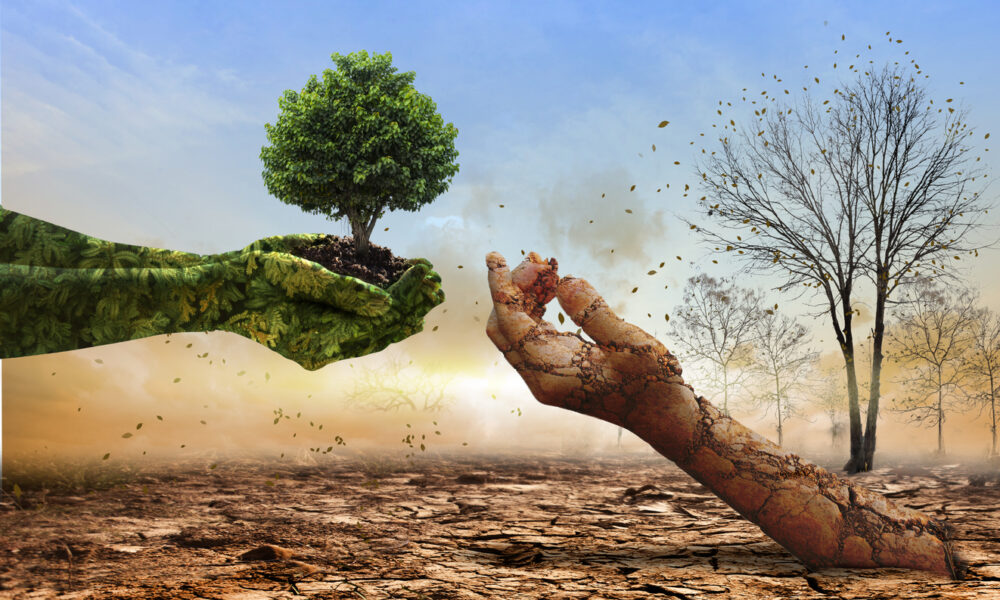
Think the Climate Movement Is Niche? These 10 Signs Say It’s Gone Mainstream

The climate movement has left the fringe and moved into the mainstream.
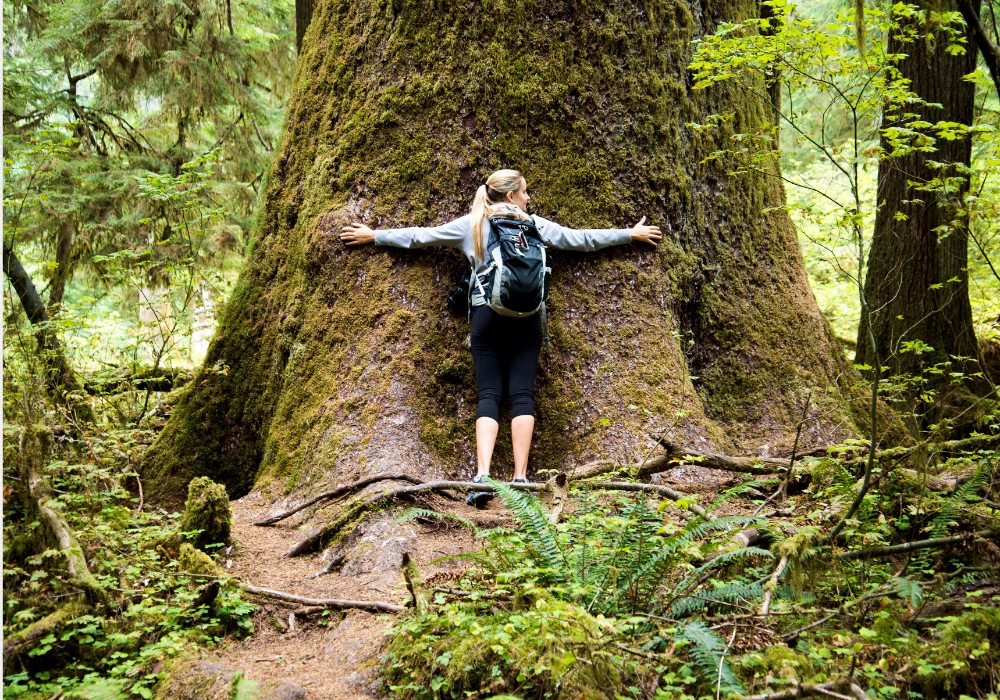
©Image license via Canva

There was a time when caring about the climate meant hugging trees and rinsing yogurt containers. It felt earnest, a little crunchy, and mostly ignored by the mainstream. Not anymore. The climate conversation has slipped out of the activist circle and into the boardroom, the beauty aisle, the group chat, and your cousin’s wedding registry. It’s not just trending—it’s transforming.

From billion-dollar climate startups to oat milk becoming the new default, climate awareness isn’t lurking in the background. It’s everywhere, dressed up in sleek design and backed by serious money, data, and public support. You don’t need a “Save the Earth” bumper sticker to be part of the movement—you might already be in it without realizing. These ten signs show just how far things have shifted. The fringe is over. Climate culture has officially gone mainstream, and it’s not looking back.


Read more

The Brain Fog Epidemic: How Air Pollution Is Destroying Our Cognitive Abilities

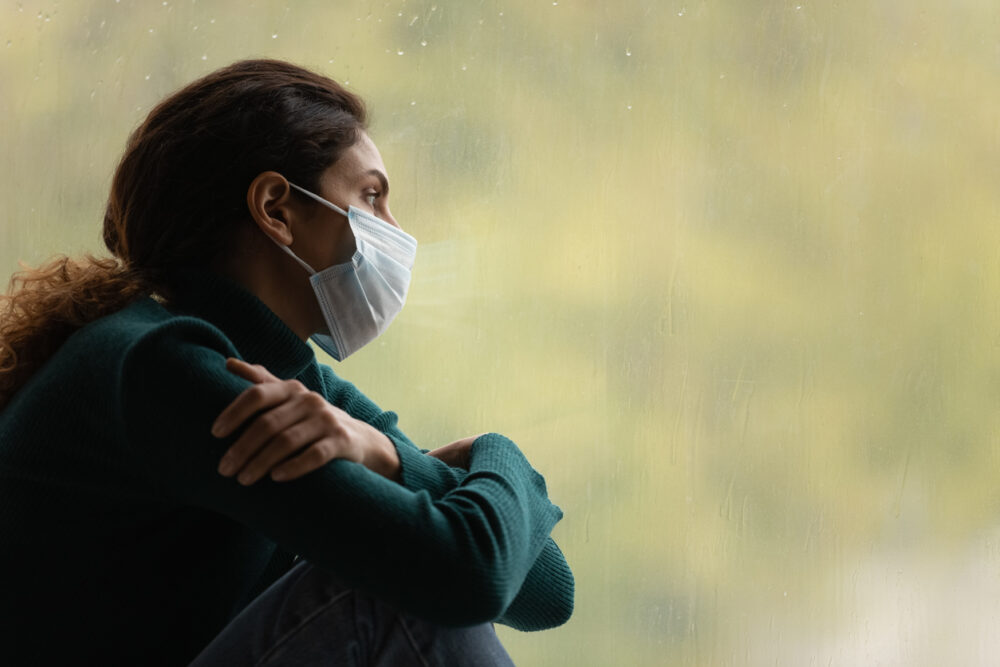
Your daily brain fog might not be burnout—it could be the air around you.

©Image license via iStock

Most people think of air pollution as a respiratory issue. We picture smoggy skylines, asthma attacks, or city-wide alerts warning us to stay indoors. But the damage doesn’t stop with the lungs. A growing body of research shows that air pollution is just as harmful to the brain as it is to the body. It affects how people think, how they process emotions, and even how well they remember basic information.

This is no longer just an urban problem. The chemicals and particles found in polluted air are quietly interfering with cognitive health across the globe, including in areas previously considered low risk. And while many are aware of the physical symptoms, far fewer recognize what’s happening neurologically. Brain fog, forgetfulness, mood swings, and slowed thinking are on the rise. The air people breathe every day may be one of the most underestimated threats to mental clarity.

Read more

Is Global Warming Just More Media Lies? 12 Truths No One Wants to Admit

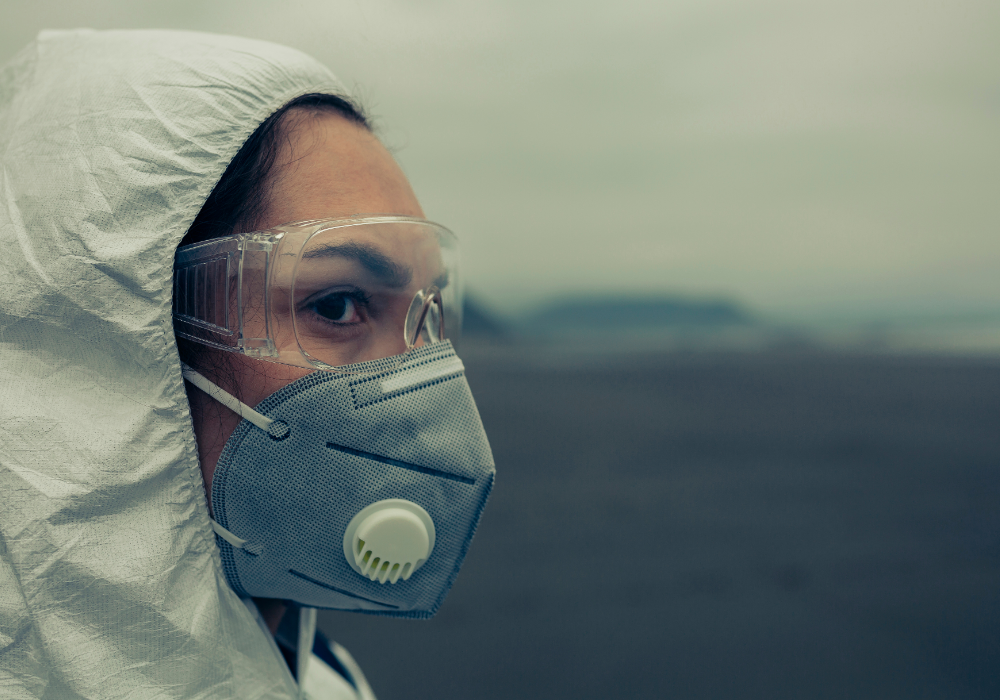
The stories we’re told about climate change don’t always match what’s really going on.

©Image license via Canva

Depending on who you ask, global warming is either a manufactured hoax, a natural cycle, or the apocalypse itself. The noise is deafening—and that’s not by accident. For decades, powerful industries have pumped out spin, creating just enough confusion to keep people arguing instead of acting. What looks like a debate is often a distraction.

It’s not just about whether the planet’s heating up. It’s about who gets blamed, who gets ignored, and who keeps profiting while the rest of us stay overwhelmed. Climate change isn’t a simple science story—it’s a layered one full of manipulation, selective outrage, and some very carefully chosen lies. And some of the biggest ones? They sound like common sense. If you’ve ever rolled your eyes at climate headlines or felt like something wasn’t adding up, here’s what you’re probably not being told.

Read more

13 Times the Planet Tried to Clean Up Our Mess—and We Made It Worse

Nature has its own survival tricks, but we keep sabotaging the plan.

©Image license via iStock

Earth is surprisingly good at cleaning up after us—until it can’t. Forests pull carbon from the air, wetlands trap toxins, and oceans soak up heat like planetary shock absorbers. But instead of working with those natural systems, we keep pushing them past their limits. When the planet fights to restore balance, we fight back with pollution, development, and reckless consumption.

What should be environmental success stories often spiral into cautionary tales. Time and again, nature begins to heal, and we interrupt the process—whether it’s coral reefs trying to regenerate or wolves helping ecosystems recover. These aren’t just missed opportunities. They’re examples of how our short-sighted decisions keep turning potential solutions into even bigger problems. The Earth can’t fix everything on its own. Here are 13 moments when the planet tried to clean up our mess—and we made sure it couldn’t.

Read more

Want Job Security? These 13 Roles Will Boom as the World Burns

Climate chaos is coming—these careers will thrive in the aftermath.

©Image license via iStock

It’s getting harder to pretend the world isn’t on fire—literally. Between megadroughts, heatwaves, floods, and food shortages, climate change is already reshaping how we live. But it’s also reshaping how we work. While some jobs disappear under automation and economic chaos, others are becoming more essential by the day. The climate economy isn’t just about solar panels and carbon offsets. It’s about managing disaster, adapting systems, and keeping communities functioning when everything else starts to break.

These roles aren’t just “green jobs.” They’re the ones that will stick around when the weather’s unpredictable, the water’s scarce, and the rules keep changing. Some are about healing. Some are about survival. And a few are just about cleaning up the mess. If you’re looking for stability in a very unstable world, these are the careers that are only going to get louder.

Read more

Why Scientists Believe America’s Coastal Cities Could Vanish Within Decades

Experts aren’t guessing anymore—they’re bracing for impact.

©Image license via iStock

Sea level rise used to feel like a distant threat—something to worry about in a hundred years, maybe longer. But the data has changed. Now, the warnings are sharper, the predictions more immediate, and the future of America’s coastlines looks a lot more fragile. Cities built on the edge—places like Miami, New Orleans, and Norfolk—are facing a relentless combination of rising seas, stronger storms, and sinking ground.

This isn’t theoretical. Streets are flooding on sunny days. Saltwater is creeping into freshwater systems. Entire neighborhoods are being bought out or quietly abandoned. Scientists aren’t talking in terms of centuries anymore—they’re talking about decades. In some cases, even sooner. With outdated infrastructure, rapid development, and slow-moving policies, many coastal cities are completely unprepared for what’s coming. The ocean isn’t waiting for anyone to catch up, and the clock is running out faster than most people realize.

Read more

What’s Your Plan for a Warming World? These 13 Strategies Could Save You

The clock is ticking, and these strategies could be your only lifeline.

©Image license via Canva

Climate change isn’t a distant threat—it’s already here, reshaping daily life in ways we can’t ignore. One week it’s a record-breaking heatwave, the next it’s flooded roads, smoke-filled skies, or grocery store shelves that suddenly feel a little emptier. The systems we’ve long relied on—weather, food, water, power—are becoming more fragile, and the cracks are spreading faster than most expected.

But this isn’t about fear or worst-case scenarios. It’s about staying grounded in a time of growing uncertainty. Preparation doesn’t mean panic, and it doesn’t require a bunker or a complete lifestyle overhaul. It starts with awareness and small, steady actions that build resilience over time. Whether you live in a city apartment, a quiet suburb, or a rural town, there are meaningful ways to adapt and prepare. The future may be unpredictable, but how we respond to it is still in our hands. Readiness isn’t overreacting—it’s smart living.

Read more

11 Deadly Diseases Set to Thrive in a Warmer World—And You’re Not Prepared

Rising temperatures are fueling the spread of dangerous diseases, and the risks are closer than you think.

©Image license via iStock

Climate change isn’t just melting ice caps and fueling wildfires—it’s setting the stage for deadly diseases to spread faster and farther than ever before. Rising temperatures, shifting weather patterns, and extreme humidity are creating ideal conditions for bacteria, viruses, and parasites to invade new territories. Diseases once confined to the tropics are creeping into cooler regions, and ancient pathogens buried in ice for centuries may soon resurface.

Most people still think of climate change in terms of environmental disasters, but the truth is, public health is on the front lines. Mosquito-borne killers, antibiotic-resistant infections, and once-rare illnesses are surging, and modern medicine isn’t moving fast enough to keep up. Whether it’s lurking in water, soil, or the air you breathe, these 11 diseases are set to thrive in a warmer world. The worst part is many are already here, and most of us are dangerously unprepared.

Read more

Are You Paying Attention? 11 Signs We Are Ghosting The Planet and Need to Step Up

The planet is sending warning signs, and we can’t afford to leave them on read.

©Image license via Canva

Mother Nature used to be generous—clear skies, thriving forests, and seasons that made sense. But lately, she’s been pulling away. Wildfires rage year-round, heat waves break records like it’s a competition, and storms hit harder than ever. The warning signs aren’t subtle, and pretending not to notice won’t make them disappear.

Ignoring these red flags has already pushed the planet to its limits. Rising temperatures, extreme weather, and collapsing ecosystems are clear messages that we’ve taken more than we’ve given. Changing our habits, rethinking our impact, and acting with urgency are the only ways to repair the damage. Small shifts add up, and the sooner we make them, the better our chances of slowing the chaos.

Nature isn’t gone—but she’s exhausted. If we want a future where forests stay green, oceans stay blue, and the air stays clean, we need to stop taking her for granted and start making better choices.

Read more

12 Ways Melting Frozen Ground Could Unleash Old Viruses and New Chaos

Ancient diseases are defrosting, and scientists are seriously freaked out.

©Image license via Canva

Permafrost isn’t just frozen dirt—it’s a time capsule. For millennia, this icy ground has locked away ancient animals, forgotten ecosystems, and microbes from an era when humans hadn’t even mastered fire. But thanks to climate change, Arctic temperatures are rising fast, and all that buried history is starting to thaw. The consequences are more than geological. As this frozen ground softens, it’s not just revealing mammoth bones and prehistoric forests—it’s potentially unleashing viruses and bacteria that haven’t seen a living host in tens of thousands of years.

Researchers have already revived ancient microbes in lab settings, proving that survival is possible even after millennia on ice. As the melt accelerates, so does the risk of something dangerous slipping back into circulation. It’s not a matter of “if” strange things emerge—it’s “how many,” and “how ready are we for what comes next.”

Read more