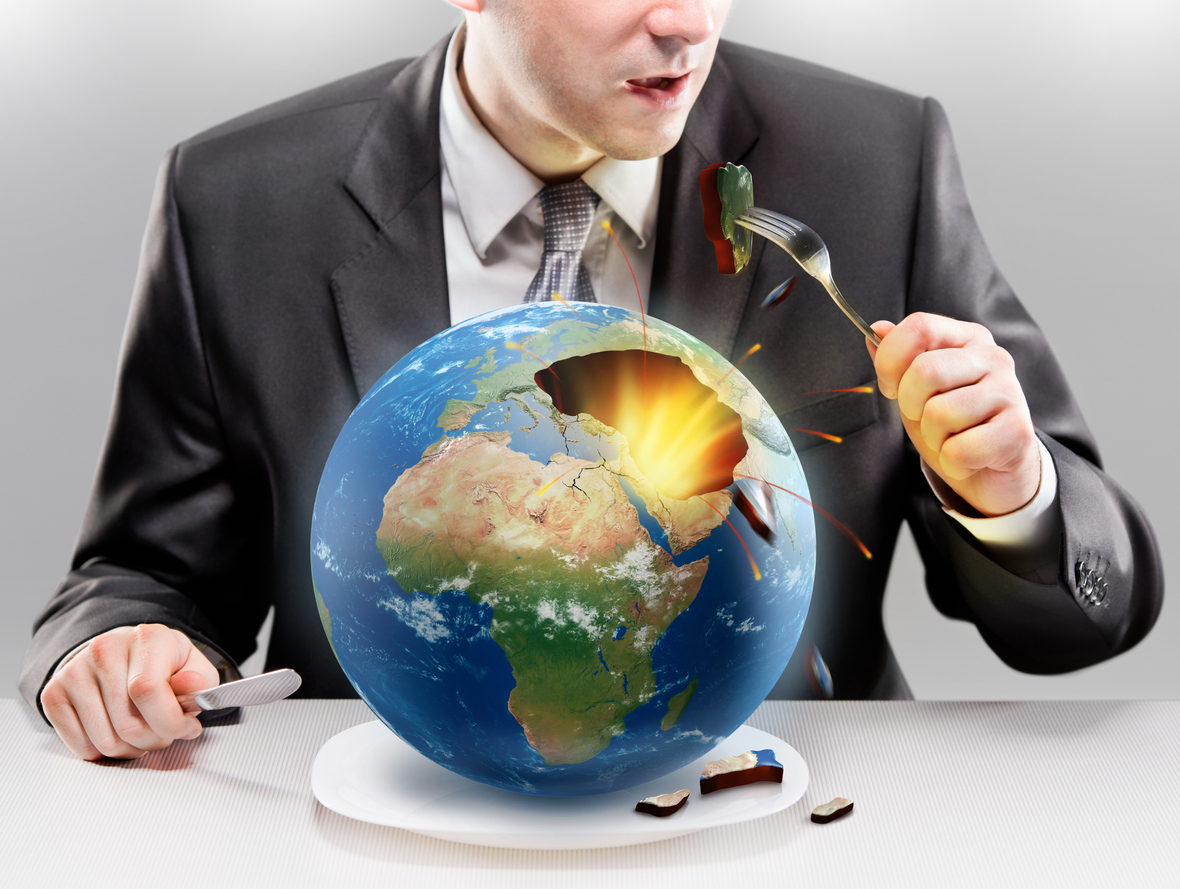
The Food You Love Is Going Extinct—These 14 Swaps Are Taking Over

Climate change is rewriting your grocery list faster than you think.

©Image license via Canva

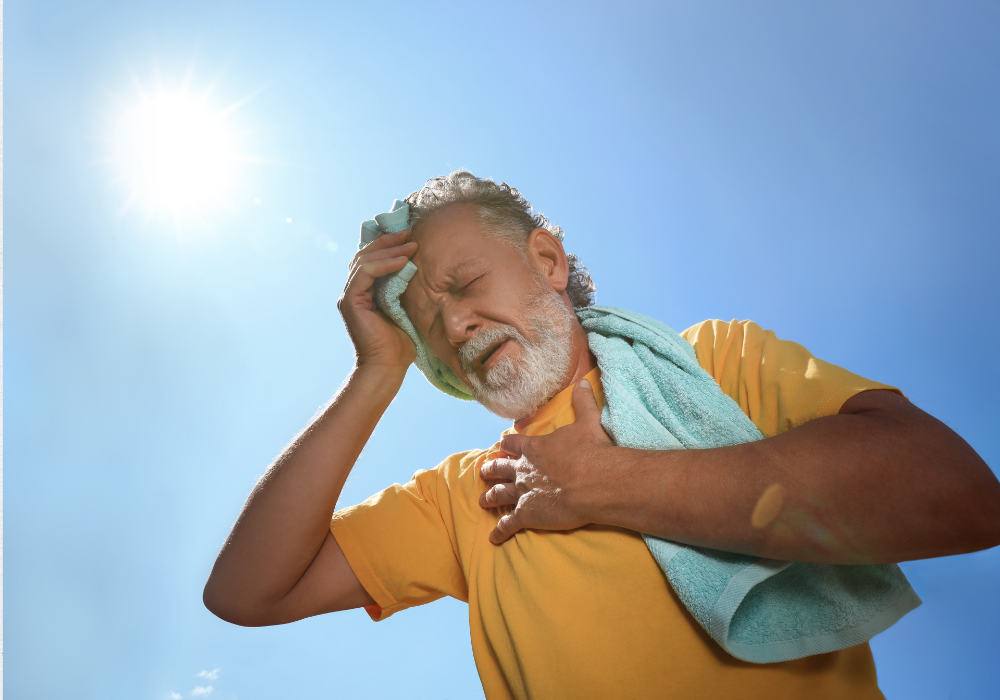
You might not notice it at first. Maybe your favorite fruit seems a little less sweet, or your go-to snack keeps disappearing from the shelf. But slowly, quietly, the foods you love are getting harder to grow, more expensive to produce, or downright impossible to find. Climate change isn’t just reshaping coastlines—it’s reshaping dinner. Heatwaves, droughts, floods, and shifting growing seasons are making it tougher to grow the classics, and big food producers are already scrambling for alternatives.

Some of these swaps are clever, some are kind of weird, and a few might already be on your plate without you realizing it. This isn’t some distant future problem—it’s happening right now, in restaurants, grocery stores, and home kitchens everywhere. Here’s a look at what’s disappearing, what’s replacing it, and how climate change is rewriting what “normal” tastes like.
Read more

These 12 Signs Billionaires Are Planning to Escape Climate Fallout—Not Stop It

The rich aren’t preparing to save the world, just themselves.

©Image license via Canva

While the rest of us are sorting our recycling and worrying about flood maps, billionaires seem to be playing a very different game. It’s not about fixing the climate crisis—it’s about surviving it, comfortably, privately, and very far away from the chaos. They’re not throwing their fortunes behind collective solutions or grassroots action. They’re building bunkers, buying land in “safe zones,” and investing in tech that looks less like innovation and more like a getaway plan.

This isn’t fear-mongering—it’s trend-spotting. From luxury doomsday shelters to off-grid compounds with private security, the ultra-wealthy are signaling loud and clear: they don’t expect to fix this mess. They expect to outlive it. And if that sounds harsh, well… it kind of is. Here’s what they’re doing while the world heats up—and what those moves say about who they’re really planning to protect.

Read more

13 Cities Most Likely to Sink Underwater by 2100—Is Yours on the List?

If you live near water, you may not have as much time as you think.

©Image license via Canva

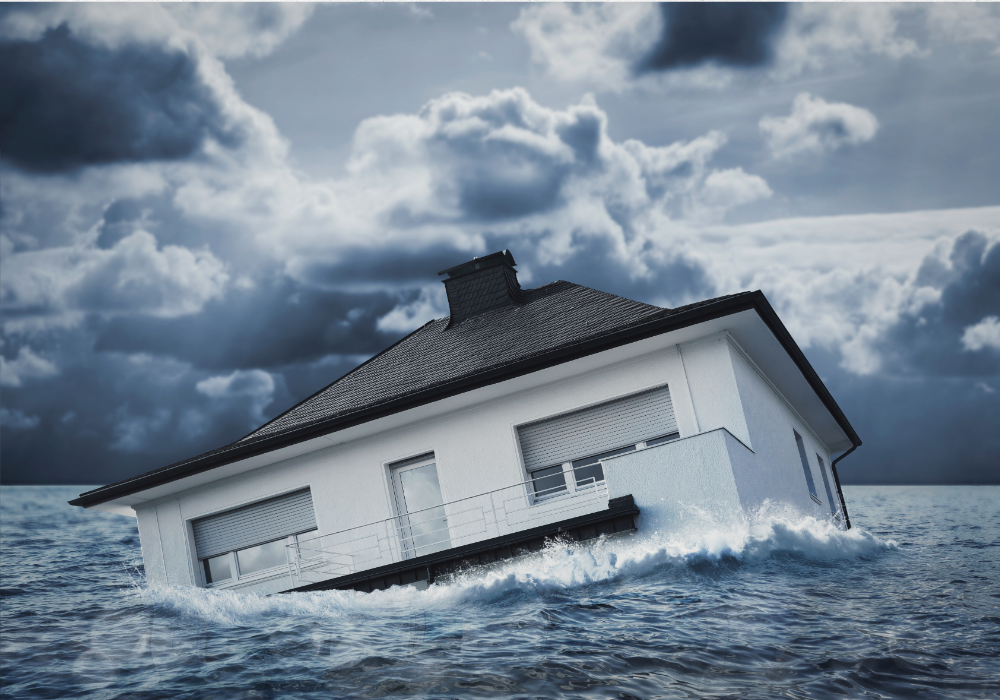
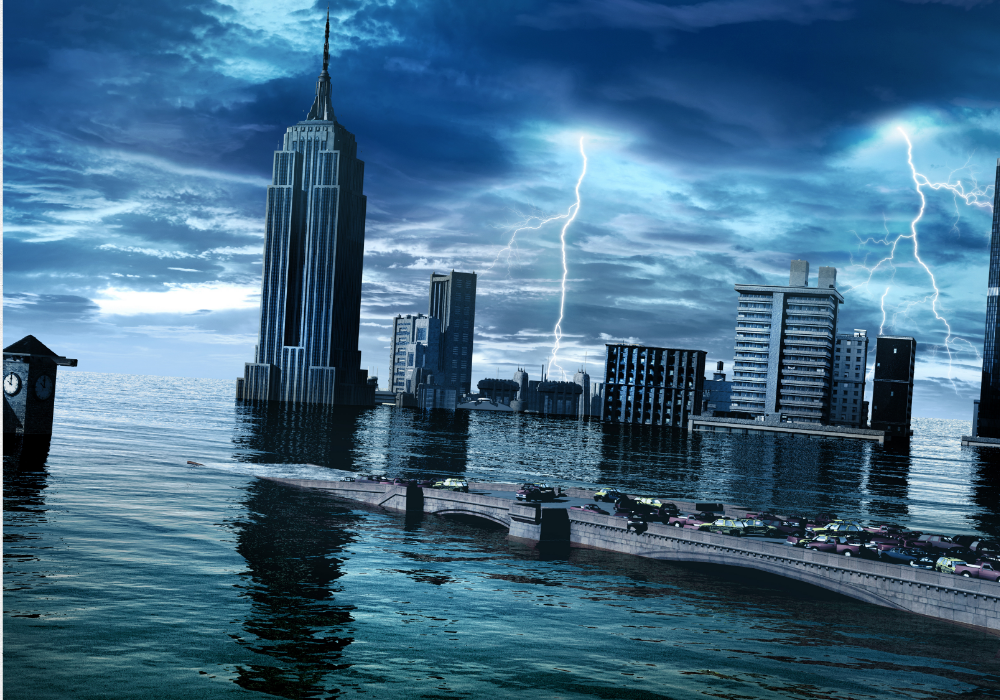
Sea levels aren’t just rising—they’re accelerating. Glaciers are melting faster, coastlines are crumbling, and high tides are starting to reach places they were never meant to go. For many low-lying cities, this isn’t some distant climate scenario. It’s already happening. Flood maps are being redrawn, and entire neighborhoods are bracing for the water to come—and stay.

What’s at stake isn’t just beachfront property. We’re talking about global power centers, cultural capitals, and densely packed urban zones that could be partially or completely submerged within decades. In some cases, the sinking is coming from below too—thanks to land subsidence, overdevelopment, and vanishing groundwater. These cities aren’t just threatened. They’re actively slipping beneath our feet. The future is wet, and for millions of people around the world, the countdown has already begun.

Read more

The Vanishing Seasons: Spring and Fall Are Fading—and These 14 Changes Prove It

These warning signs say nature’s rhythm is falling out of sync.

©Image license via Canva

Spring and fall have always been the breath between extremes. A gentle warming. A soft cooling. They gave plants time to stretch, animals time to adapt, and humans a chance to settle into the shift. But lately, that space has been shrinking. The once-reliable transitions that defined these in-between seasons are now collapsing into abrupt changes that leave little room to adjust.

What used to take weeks now happens in days. Cold turns to heat, green turns to bare, and the soft edges of the calendar are becoming jagged. This isn’t just about earlier blooms or shorter leaf seasons—it’s about a global rhythm coming undone. Timing is everything in nature, and when it falls apart, so does everything that depends on it. The signs aren’t subtle anymore. They’re right in front of us. And they’re adding up to something we can’t afford to ignore much longer.

Read more

Your Home’s Value Could Crash Overnight—These 12 Climate Risks Are Already in Play

The market isn’t just watching interest rates anymore; it’s watching the weather.

©Image license via Canva

For decades, homeownership has been considered one of the safest investments you can make. But that promise doesn’t hold up against rising seas, drought-stricken soil, and neighborhoods that flood every other year. As the climate crisis intensifies, it’s not just extreme weather events that are reshaping the housing market—it’s the risk itself.

Buyers, insurers, lenders, and government agencies are all starting to factor in long-term exposure to climate threats. In some regions, that means climbing premiums and stricter regulations. In others, it’s outright loss of insurability or retreat. Your home’s value may not change slowly; it may plummet in response to a single storm, a new zoning law, or a shift in flood maps. The danger isn’t always visible, but it’s already reshaping the landscape, and ignoring it could cost far more than equity.

Read more

The Mental Health System Is Cracking—And the Climate Crisis Is Making It Worse

Therapists are overwhelmed, and climate anxiety is just getting started.

©Image license via iStock

Climate change is reshaping more than weather patterns. It’s reshaping how people feel, cope, and try to stay mentally steady. For many, the future no longer feels predictable. That uncertainty alone is destabilizing—and the impact on mental health is already unfolding.

Meanwhile, the mental health system is stretched thin. Providers are burned out. Access is limited. And now, new forms of distress are emerging that don’t fit into standard categories. Climate-related trauma, ecological grief, and rising dread aren’t niche experiences anymore. They’re becoming common. Yet most support systems aren’t equipped to handle them. Therapists are overwhelmed. Waitlists are long. And for many people, the symptoms of climate distress are dismissed or misunderstood. This isn’t some abstract threat. It’s happening now, and it’s getting harder to ignore.

Read more

You Deserve Good News—Here Are 12 Climate Wins That Might Make You Breathe Easier

The planet might be getting a break after all, check out these positive changes.

©Image license via Canva

The climate crisis isn’t exactly known for uplifting headlines. Between wildfires, floods, and melting glaciers, it’s easy to feel like everything is sliding downhill in slow motion. But here’s the twist: it’s not all bad news. In fact, some seriously good things are happening—and they’re happening fast. Countries are switching to cleaner energy, cities are rethinking how they cool down, and innovators everywhere are finding ways to turn problems into progress.

These aren’t just one-off wins or feel-good stories to file away under “nice try.” They’re signs of real momentum. From global policy shifts to everyday lifestyle changes, the pieces are starting to come together. It’s not a perfect picture, but it’s one worth celebrating. These breakthroughs show what’s possible when effort, creativity, and urgency finally start to align. The future might not be fixed, but it’s definitely looking more hopeful than it did before.

Read more

Air That Kills: 11 U.S. Cities Where Breathing Could Be Dangerous by 2050

Invisible danger is creeping in, and it won’t stop at city limits.

©Image license via Canva

In cities across the United States, the air is becoming more dangerous with each passing year. What used to be mild pollution is escalating into a public health emergency, driven by a mix of wildfire smoke, industrial emissions, traffic, and rising temperatures. These elements are combining to create a toxic atmosphere that’s both invisible and unavoidable.

The consequences will be serious and far-reaching. Long-term exposure to polluted air increases the risk of heart disease, respiratory illness, cognitive decline, and even premature death. Children, the elderly, and low-income communities face the highest risks—often with the fewest options for escape. Urban areas with poor planning and limited green space will struggle the most. Scientists are already sounding the alarm, warning that some cities could face year-round air quality issues by 2050. While the clock keeps ticking, millions remain unaware of what’s coming. These 11 cities may be headed straight into danger.

Read more

Your City Could Be Next—10 Alarming Signs a Water Crisis Is Closing In

Your tap isn’t as safe as you think, and the worst is yet to come.

©Image license via iStock

America’s water crisis isn’t coming—it’s already here. From vanishing reservoirs to tap water laced with toxins, some of the country’s biggest cities are facing a future where clean, reliable water is no longer guaranteed. Decades of overuse, climate-fueled droughts, and neglected infrastructure have left the nation’s water systems on the edge of collapse. And when the taps go dry, millions will be left scrambling.

This isn’t just a problem for isolated rural towns. Major metro areas are already dealing with failing water systems, extreme weather disasters, and shortages that force residents to ration what little they have. In some places, water has already run out. The cost of inaction is rising, but the solutions are coming too slowly. With resources stretched thin and demand skyrocketing, the real question isn’t if this crisis will reach your city—it’s when. Here’s where the situation is getting worse by the day.

Read more

11 Jaw-Droppingly Idiotic Things We’ve Done to Wreck the Earth

From toxic lakes to trash islands, humans have turned Earth into a science fiction disaster movie.

©Image license via iStock

For a species that prides itself on intelligence, humans have made some mind-blowingly bad decisions when it comes to the planet. Instead of being responsible caretakers of the only home we have, the land, air, and water have been treated like infinite resources. Pollution, destruction, and wastefulness have been trademarks of human progress, leaving ecosystems struggling to recover.

The damage isn’t just an unfortunate accident—it’s the result of repeated choices that prioritized convenience and profit over sustainability. Industries have pushed forward with reckless expansion, and governments have ignored warning signs until disaster struck. Species have been driven to extinction, vital ecosystems have been wiped out, and entire landscapes have been reshaped to fit short-term needs.

Reversing the harm won’t be easy, but continuing on this path will only accelerate environmental collapse. The worst part is that much of the destruction could have been avoided if action had been taken before the damage became irreversible.

Read more