Climate Change Is Coming for Your Beauty Routine—Here Are 11 Changes You’ll Notice

From frizzy hair to disappearing ingredients, your daily essentials are about to change.

©Image license via Canva

Most people think about climate change in terms of melting ice caps, wildfires, or rising sea levels. But let’s be honest: it’s creeping a lot closer to home than you might expect. Even your morning skincare routine or favorite hair mask isn’t safe. As temperatures climb, water grows scarce, and ingredients become harder to source, the products you rely on every day are getting hit from all sides.

This isn’t about future hypotheticals—it’s already happening. Crops that supply beauty staples are under stress, and extreme weather is throwing production timelines into chaos. At the same time, your skin and hair are reacting to the environmental shifts, begging for new kinds of care. You might not have connected the dots yet, but the changes are already showing up on your shelf and in the mirror. Here’s exactly what to watch for.
Read more

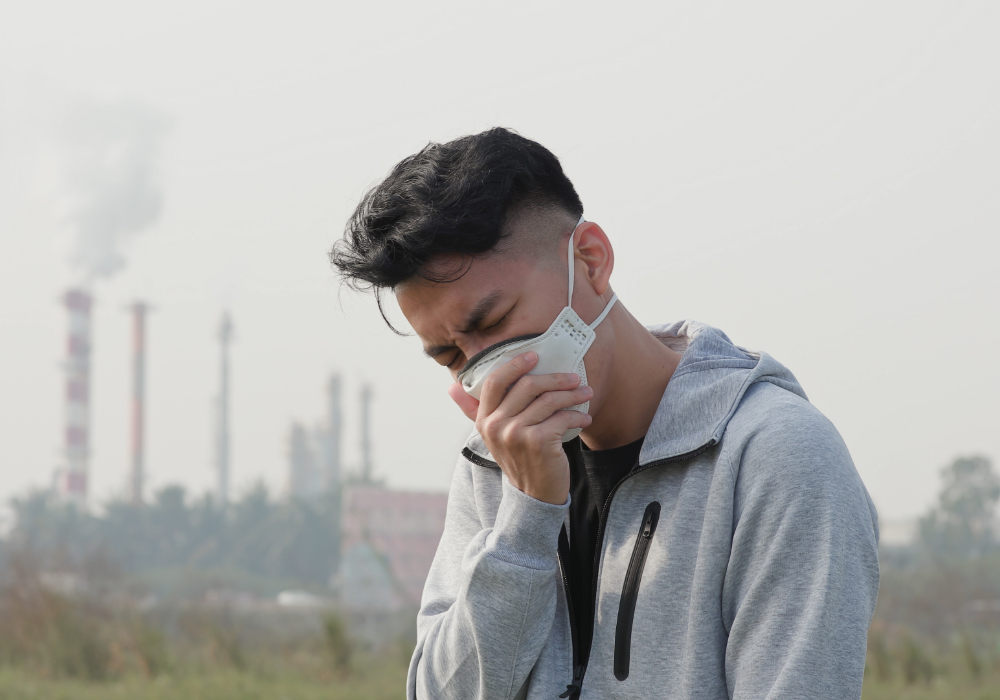
Why You’re Getting Sick More Often—Experts Say Climate Change Is Driving These 10 Risks

When the planet heats up, your immune system pays the price.

©Image license via Canva

It’s not just wildfire smoke, heatwaves, or floods—climate change is coming for your body in ways you can feel. More people are getting sick more often, and experts say the rise in infections, allergies, and chronic health problems isn’t a coincidence. The planet’s warming, and your immune system is stuck picking up the pieces.

As ecosystems shift, pathogens spread to new places, air and water quality decline, and extreme weather leaves people more vulnerable to illness. Even if you’re far from the frontlines of climate disasters, your health isn’t immune. Longer allergy seasons, nastier viruses, and even foodborne illnesses are creeping into everyday life. Scientists have been warning about these risks for years, and now they’re showing up in doctors’ offices across the country. These aren’t future hypotheticals—they’re happening right now, changing how we live, breathe, and try to stay well.

Read more

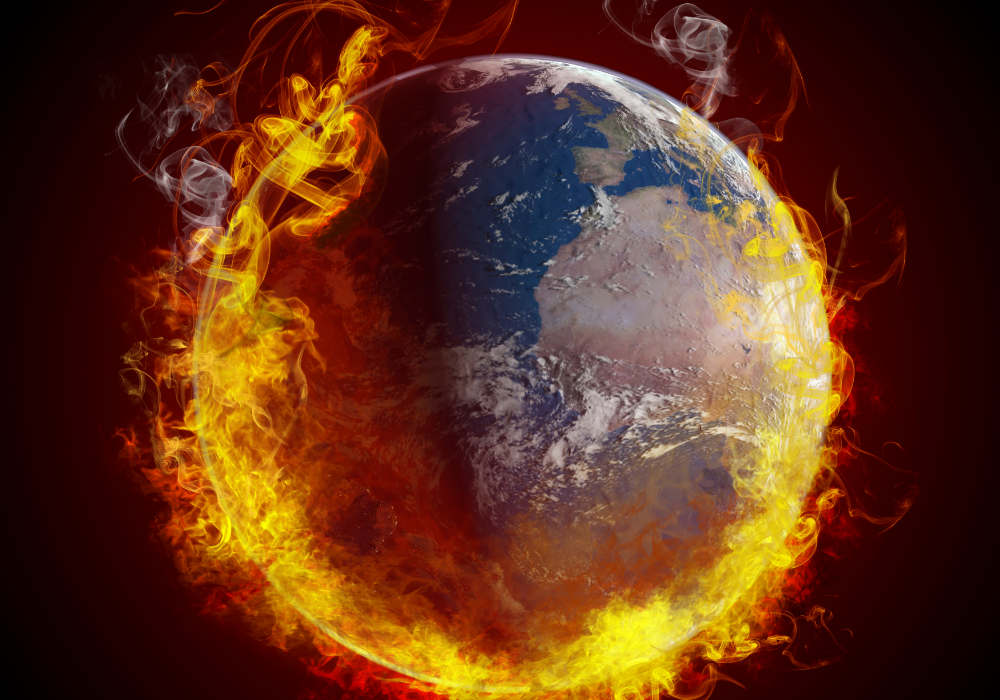
Is Global Warming Just a Natural Cycle? 12 Reasons This Time’s Our Fault

The planet’s warmed before, but never this fast and never like this.

©Image license via Canva

Every time the conversation about climate change heats up, someone inevitably shrugs it off: “Hasn’t the climate always changed?” And sure, they’re half-right. Earth’s climate has gone through ice ages and warming periods long before humans showed up. But what’s happening now is different—so different that scientists across the globe are sounding every alarm they’ve got.

This time, the fingerprints of human activity are everywhere. The speed, the scale, and the specific causes of today’s warming don’t line up with natural cycles alone. We’ve overloaded the atmosphere with greenhouse gases, stripped away forests that absorb carbon, and pushed the planet beyond what it can balance on its own. Climate shifts used to take thousands of years—now they’re happening within a single lifetime. Here’s exactly why the natural cycle excuse doesn’t hold up, and why the evidence points straight at us.

Read more

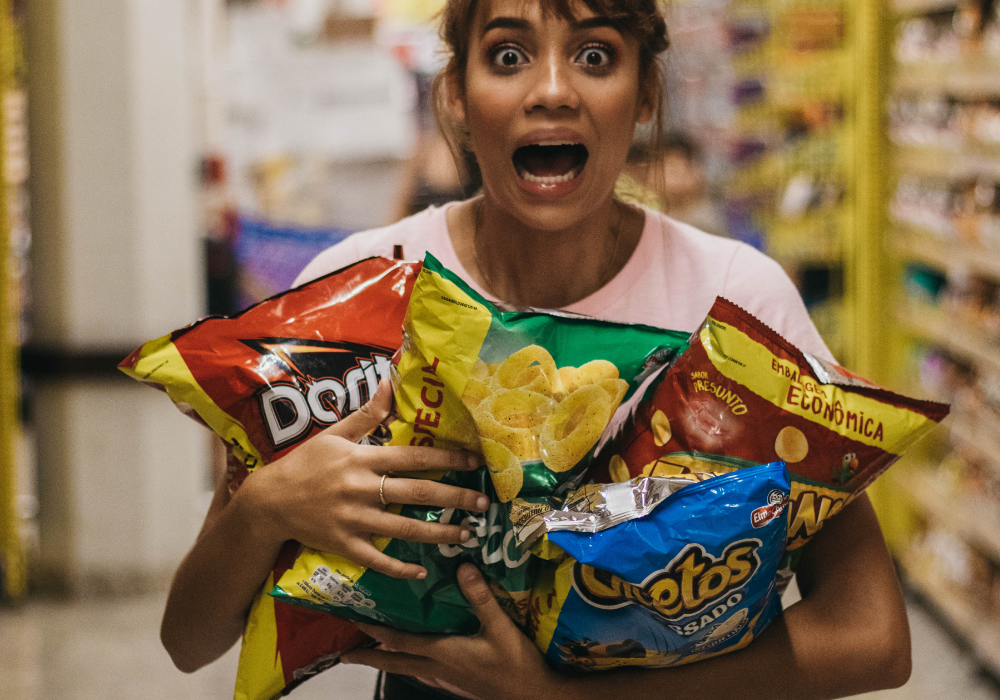
The Hidden Exploitation Behind Everyday Snacks—Here Are 13 Shocking Truths

That bag of chips might be fueling child labor and deforestation.

©Image license via Canva

Snacks feel harmless. They’re quick, comforting, and everywhere—from vending machines to your kitchen cabinet. But peel back the shiny packaging, and you’ll find something a lot less appetizing. Behind that candy bar or salty crunch is an industry built on exploitation—of people, land, and entire communities. The food system is designed to be convenient for consumers, but that convenience often comes at the expense of someone else’s safety, health, or dignity.

We don’t think about where our snacks come from because we’re not supposed to. The marketing is fun. The flavors are nostalgic. The sourcing is a mystery on purpose. But the truth is, many of our favorite treats are tied to labor abuses, environmental destruction, and shady supply chains that thrive in the dark. You shouldn’t have to choose between convenience and ethics—and the first step is knowing what’s really going on behind the scenes.

Read more

Think Climate Scientists Are Paid to Lie? 10 Reasons You Should Know Better

These facts cut through the noise and expose what’s real.

©Image license via Canva

It’s easy to get swept up in conspiracy theories when everything feels like it’s falling apart. You hear people say climate scientists are exaggerating the crisis for money or attention, and in the chaos of headlines and hot takes, that claim starts to sound almost believable. But peel back the noise, and the truth is a lot simpler: these scientists aren’t getting rich off fake data. If anything, many of them are risking their careers to warn the world before it’s too late.

Climate research doesn’t lead to yachts and private jets. It leads to peer-reviewed journals, underfunded grants, and a mountain of personal stress. Scientists aren’t paid to push an agenda—they’re paid (barely) to uncover facts that are often uncomfortable for the powers that be. And they keep doing it because the stakes couldn’t be higher. Here’s why the accusation falls apart once you really look at it.

Read more

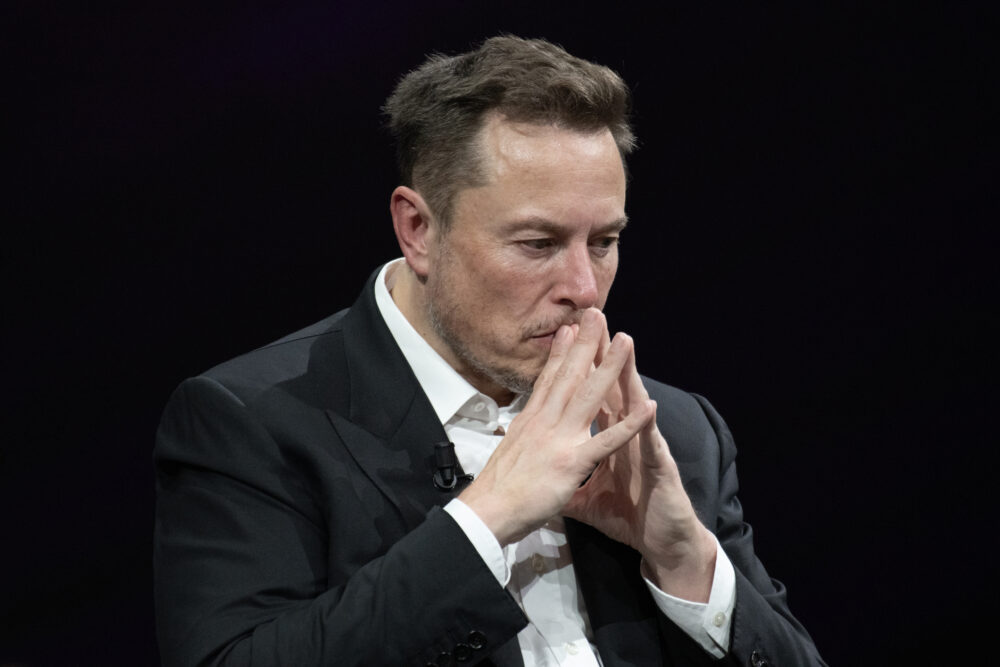
Inside the Environmental Cost of AI: 10 Alarming Facts About Musk’s xAI Expansion

As xAI grows, so does the hidden environmental damage left in its wake.

 ©Image license via Frédéric Legrand | Dreamstime

AI might be changing everything—from how we work to how we think—but it’s also quietly wrecking the environment in the process. While tech giants rush to build bigger, smarter models, they’re chewing through electricity, water, and natural resources at a rate most people would never imagine. Elon Musk’s xAI is one of the latest power players, and it’s scaling up fast—with very few limits.

Every sleek algorithm comes with a behind-the-scenes cost: data centers burning massive amounts of energy, cooling systems pumping out heat, and emissions rising with every new update. These systems aren’t as “invisible” as they seem. Their impact is very real, and it’s already happening. From power grids to water tables, the pressure is mounting—and most people aren’t even aware it’s happening. The damage isn’t just theoretical—it’s showing up in the real world, whether we’re ready for it or not.

Read more

12 Creature Comforts Global Warming Could Steal Sooner Than You Expect

What we take for granted today is already slipping out of reach.

©Image license via Canva

Global warming isn’t just about rising sea levels or distant polar ice caps. It’s creeping into the corners of everyday life—the quiet, familiar comforts that make things feel normal. We expect seasons to behave, foods to taste right, and simple pleasures like snowfall or a cool breeze to always be part of our world. But they’re already starting to slip through our fingers, often without us noticing until they’re gone.

The harsh truth is, we’re not waiting for these changes—they’re already happening. Some shifts feel subtle at first, but they build up fast, turning daily comforts into fading memories. From favorite foods to seasonal rituals, global warming is quietly stealing what makes life feel stable and sweet. These 12 creature comforts are at risk sooner than you’d think, and recognizing them now is the first step to holding on to what’s left.

Read more

The Planet Crossed 1.5°C—Here Are 10 Consequences You Can’t Ignore

Scientists warned us for decades, and now the future is here.

©Image license via Canva

For years, 1.5°C was the red line. Scientists, climate activists, and global leaders said passing it would mean more than just warmer days—it would trigger a cascade of dangerous changes to life as we know it. Now, we’ve crossed that threshold. And it’s not a prediction anymore—it’s the present. You can feel it in the heatwaves, the rising grocery prices, and the constant stream of natural disasters that don’t feel so “natural” anymore.

This isn’t just about distant polar bears or melting glaciers. It’s about the places we live, the food we grow, the air we breathe, and the systems we rely on every day. The planet is different now, and the rules have changed. Weather is more extreme. Crops are more vulnerable. Infrastructure is more fragile. And what’s coming next depends on how quickly we wake up to just how far we’ve already gone.

Read more

Trump Cuts $4M in Climate Research—13 Alarming Facts About What We’re Losing

These cuts don’t just silence scientists—they endanger lives.

©Image license via Shutterstock

It’s one thing to debate policy—but cutting climate research when the planet’s on fire? That’s something else entirely. The Trump administration just slashed $4 million in federal climate research funding, and the ripple effects are already hitting hard. This isn’t just about numbers on a spreadsheet—it’s about lives, ecosystems, and the information we need to survive a hotter, more unpredictable world.

From shuttered labs to canceled climate models, these cuts are targeting the very research designed to warn us, prepare us, and give us a fighting chance. The worst part? These programs weren’t just about science—they were about public safety, education, agriculture, weather forecasting, and more. So when funding gets ripped away, the damage goes far beyond the lab. Here’s what we’re really losing when climate research gets defunded—and why it’s not just scientists who should be worried.

Read more

Your Food Is Turning Toxic—These 15 Alarming Facts Reveal Why

Rising temperatures are doing more than melting ice—they’re contaminating your plate.

©Image license via Canva

You might think climate change is all about rising sea levels and weather disasters, but it’s also messing with something a lot closer to home—your food. The stuff on your plate isn’t just changing in taste, price, or availability. It’s changing in safety. As the planet heats up, crops absorb more pollutants, bacteria spread faster, and even the nutritional value of fruits and vegetables is taking a hit.

This isn’t some distant, abstract problem. It’s already happening in grocery stores, on farms, and in your kitchen. From toxins in seafood to heavy metals in rice, the food chain is picking up the fallout from a warming world—and quietly passing it on to you. No one wants to think their salad or sandwich might be hiding a climate consequence, but it’s time to look at what’s really being served. Here’s what no one’s warning you about.

Read more