Up to 4,000 Glaciers Could Disappear Each Year as Planet Warms, Study Says

New research shows glacier loss could surge to unprecedented levels by mid-century.

©Image license via Canva

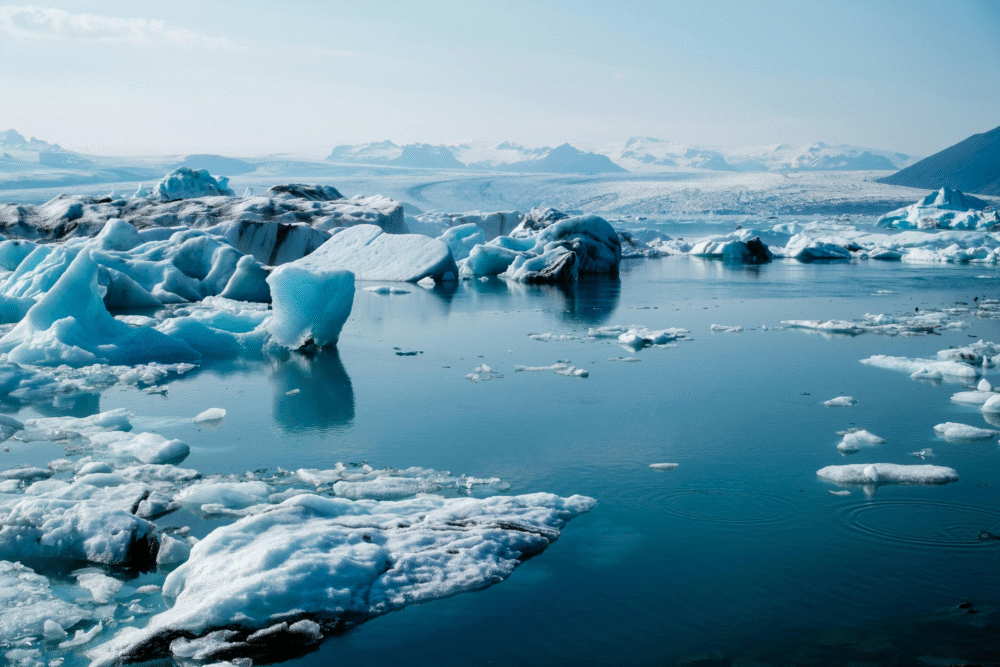
A new analysis led by glaciologist Harry Zekollari of ETH Zurich warns that the world is heading toward a period of “peak glacier extinction,” with as many as 4,000 glaciers disappearing every year under current warming trends. The study projects that glacier loss will accelerate sharply around 2050, driven by rising global temperatures and long-term climate patterns already in motion. Researchers say this rapid decline will dramatically alter water resources, ecosystems, and landscapes across multiple continents.

Read more

A New Report Reveals State-by-State Impacts of Deep Environmental Program Cuts

The report outlines how proposed EPA cuts could weaken air, water, and climate protections in communities across the country.

©Image license via Canva

A new analysis from the Environmental Policy Innovation Center outlines how proposed federal environmental program cuts could affect states nationwide. The report uses EPA budget documents to show how reductions in air monitoring, water protection, and pollution enforcement could leave many states struggling to meet basic environmental standards. From Florida’s algae-prone waterways to Ohio’s industrial pollution challenges, the report highlights how each state relies on federal support to protect public health. The findings paint a detailed picture of what communities stand to lose if these cuts move forward.

Read more

Scientists Detect a Surge of Earthquakes at Antarctica’s Doomsday Glacier

Hundreds of small earthquakes are offering new clues about how this critical glacier is behaving.

©Image license via Wikimedia Commons / NASA

Scientists studying Antarctica’s Thwaites Glacier, often called the “Doomsday Glacier,” have detected hundreds of small earthquakes beneath the ice, according to a new study published in Geophysical Research Letters. Using seismic instruments placed on the glacier, researchers tracked how the ice responds to daily ocean tides and internal stress. The earthquakes are not signs of volcanic activity or an imminent collapse, but they reveal how dynamic the glacier is beneath the surface. Because Thwaites plays a major role in future sea-level rise, these subtle signals are drawing close scientific attention.

Read more

Record Flooding Still Swamping Washington State as Evacuations and Rescues Continue

Record flooding continues to overwhelm parts of Washington State as evacuations, rescues, and infrastructure damage escalate.

©Image license via NARA & DVIDS Public Domain Archive 

Days of relentless rain have pushed rivers across Washington State to dangerous levels, triggering widespread flooding that has forced evacuations, shut down major roads, and damaged homes and businesses. Communities in western and central Washington remain under emergency declarations as crews work around the clock to respond to rising water, landslides, and washed-out infrastructure. With more rain expected in some areas, officials warn that conditions may remain volatile. The flooding has quickly become one of the region’s most disruptive weather events in years, and residents are still assessing the growing impact.

Read more

A Wave of Deadly Disasters Is Forcing World Leaders to Rethink Climate Risk

A wave of extreme storms, fires, and infrastructure failures is pushing governments to confront rising dangers.

©Image license via Canva

A growing series of global disasters, from record-breaking typhoons to deadly urban fires, has exposed major gaps in how nations plan for climate-driven risks. Scientists warn that rising temperatures are fueling stronger storms, heavier rainfall, and more frequent heat-related emergencies. At the same time, aging buildings and overwhelmed safety systems are failing under new environmental stresses. In 2025, leaders are being forced to confront a difficult truth: traditional disaster planning can no longer keep pace with the rapidly shifting climate.

Read more

Global Heat Alarm: 2025 Could Tie as the Second Hottest Year Ever

EU climate monitors warn rising temperatures are accelerating faster than expected as extreme weather intensifies.

©Image license via Canva

Climate researchers with the European Union’s Copernicus Climate Change Service say 2025 is now on track to tie for the second-hottest year ever recorded. Global temperatures have remained consistently high throughout the year, driven by continued greenhouse gas emissions and lingering ocean heat. Scientists warn that the trend is pushing the planet closer to long-term climate thresholds that increase the risk of dangerous weather events. From stronger storms to worsening droughts, the data suggests the effects of rising heat are already being felt around the world.

Read more

Japan Issues Rare ‘Megaquake’ Advisory After 7.5-Magnitude Quake Strikes

Experts say the latest quake may signal a far more dangerous seismic event capable of triggering towering tsunami waves.

©Image license via Planet Sage/Chat GPT

Japan’s government has issued a rare advisory warning that a “megaquake” could hit the country’s northern coast after a powerful 7.5-magnitude earthquake struck the region. Officials say the concern comes from new data showing increased seismic activity along a fault line capable of producing a massive quake and a devastating tsunami. Some models suggest waves could reach nearly 100 feet in the worst-case scenario. While experts emphasize that such events are unpredictable, the advisory urges residents to stay alert and review emergency plans.

Read more

Scientists Say Summer in Europe Could Be 42 Days Longer by the End of the Century

New research reveals that rapid Arctic warming may stretch Europe’s warm season deep into spring and autumn.

©Image license via Canva

New research suggests that summers across Europe could lengthen by as much as 42 extra days by the end of the century if warming continues at its current pace. Scientists analyzed ancient lake sediments and modern climate patterns to understand how seasonal boundaries shift during warm periods. The findings show that rapid Arctic warming is a major driver of longer European summers, with heat arriving earlier in spring and lingering well into autumn. While this estimate applies specifically to Europe, similar trends of extended warm seasons are emerging worldwide.

Read more

Inside Prince William’s Earthshot Winners: 5 Climate Solutions Changing the World Right Now

Innovators across the globe are turning bold environmental ideas into real, measurable progress.

©Image license via Wikimedia Commons

Launched in 2020 by Prince William, the Earthshot Prize honors five groundbreaking environmental solutions each year—one for each of Earthshot’s key goals. Winners receive funding and long-term support to scale their innovations, helping communities worldwide adopt cleaner, more sustainable practices. The most recent winners show how global climate progress is unfolding right now, from restoring forests in Brazil to improving air quality in major cities and protecting international waters. Together, these projects demonstrate that meaningful environmental change is not only possible—it is already happening.

Read more

Climate-Aware Americans Are Abandoning These 11 Once-Beloved States

From wildfires to water shortages, these 11 states are becoming unlivable—and Americans are walking away.

©Image license via Canva

Something strange is happening across the country. Once-beloved states, known for their stunning landscapes and booming cities, are now seeing a quiet but steady exodus. And no, it’s not just about politics or job markets—climate change is making certain places downright unlivable. For many Americans, the risks simply aren’t worth sticking around for.

Hurricanes are stronger, droughts are stretching longer, and summer heatwaves feel like stepping into an oven. Wildfires are swallowing entire neighborhoods, water shortages are forcing emergency restrictions, and insurance companies are pulling out of high-risk areas. Homebuyers are looking elsewhere, tourists are canceling trips, and longtime residents are deciding it’s time to go.

Some of the most iconic states in America are now being blacklisted by climate-conscious Americans who refuse to gamble with rising risks. These places aren’t just dealing with bad weather—they’re turning into full-blown climate war zones.

Read more