How Climate Change Is Making Your Pet Sick in Ways You Never Expected

Rising temperatures and extreme weather are creating health risks for dogs, cats, and other animals that owners need to recognize.

©Image license via Canva

If your dog seems more tired during summer walks or your cat has been sneezing more than usual, climate change might be the unexpected culprit behind these health issues. Veterinarians across the country are reporting dramatic increases in heat-related illnesses, respiratory problems, and infectious diseases in pets that directly correlate with rising temperatures and changing weather patterns.

Dr. Sarah Mitchell, a veterinary epidemiologist at UC Davis, notes that emergency vet visits for heat stroke in dogs have increased by 70% over the past decade, while tick-borne diseases are appearing in regions where they were never seen before.
Read more

Humans Are Fueling Wildfires at an Alarming Rate, Scientists Warn

New research shows human activity now triggers 85% of wildfires across the United States

©Image license via Canva

Every time someone tosses a cigarette from a car window or leaves a campfire unattended, they’re playing with one of nature’s most destructive forces. Scientists have discovered that humans now cause a staggering 85% of all wildfires in the United States, with only 15% sparked by lightning or volcanic activity.

What makes this even more alarming is that human-caused fires burn faster, spread farther, and destroy more property than natural blazes. In 2024 alone, wildfires caused $1.8 billion in damage nationwide, and the problem is getting worse every year.

Read more

11 Natural Disasters Scientists Say Are Overdue to Strike Again

Major catastrophic events that follow predictable patterns and haven’t happened in decades.

©Image license via Canva

Nature operates on timescales that make human planning look adorably short-sighted. While we worry about quarterly earnings and election cycles, the Earth quietly builds up geological pressures that release catastrophically every few hundred years.

Scientists can read these patterns in rock layers, ice cores, and historical records with disturbing precision—massive earthquakes that strike every 300 years, supervolcanic eruptions that follow 600,000-year cycles, and mega-tsunamis that reshape coastlines every few centuries.

The terrifying part isn’t that these disasters will happen; it’s that many of them are statistically overdue based on historical patterns. Some have been building pressure for so long that seismologists, volcanologists, and other disaster scientists are essentially waiting for the other shoe to drop.

Read more

Wine’s Flavor Is Changing, and Experts Say It’s Not Your Imagination

From shifting vineyards to changing harvests, experts reveal why climate and farming are altering the flavor of your favorite wines.

©Image license via Canva

Wine lovers sometimes swear a favorite bottle doesn’t taste quite like it used to—and it turns out, they might be right. According to researchers at the University of California, Davis, subtle shifts in climate, vineyard practices, and even grape varieties are altering flavor profiles across the globe.

Warmer seasons can ripen grapes faster, change sugar levels, and affect acidity, all of which influence taste. Add in evolving winemaking techniques and global distribution, and the glass in your hand today might be noticeably different from the same label a decade ago. Here’s what’s behind the quiet transformation in your favorite pours.

Read more

The Global Battle for Energy Dominance—And Why China’s Winning

China is accelerating its clean energy push, leaving rivals scrambling to catch up in the global power race.

©Image license via Canva

While Western politicians debate climate policy and energy independence, China has quietly built an empire that makes the oil age look quaint by comparison. The numbers are staggering and undeniable: China now produces more than 60 percent of the world’s electric cars and 80 percent of the batteries that power them.

Energy expert Kelly Sims Gallagher from Tufts University puts it bluntly: “It’s probably a good thing for the climate because these clean technologies are diffusing all over the world.” The question isn’t whether China is winning the global energy race—it’s whether anyone else is even still competing.

Read more

12 Daily Habits That Build Discipline and Consistency in an Uncertain World

Simple, proven habits to sharpen focus, strengthen self-control, and stay consistent no matter what life throws your way.

©Image license via Canva

Some days, showing up for yourself feels effortless. Other days, it’s a battle just to start. Discipline and consistency aren’t about superhuman willpower—they’re about shaping small, repeatable actions into part of who you are. In a world that can change overnight, relying on motivation alone is a gamble. Habits, on the other hand, give you something steady to hold on to.

They’re what keep you moving when your mood, energy, or circumstances want to pull you off course. Build them with intention, and you’ll be able to navigate uncertainty without losing your direction or your momentum.

Read more

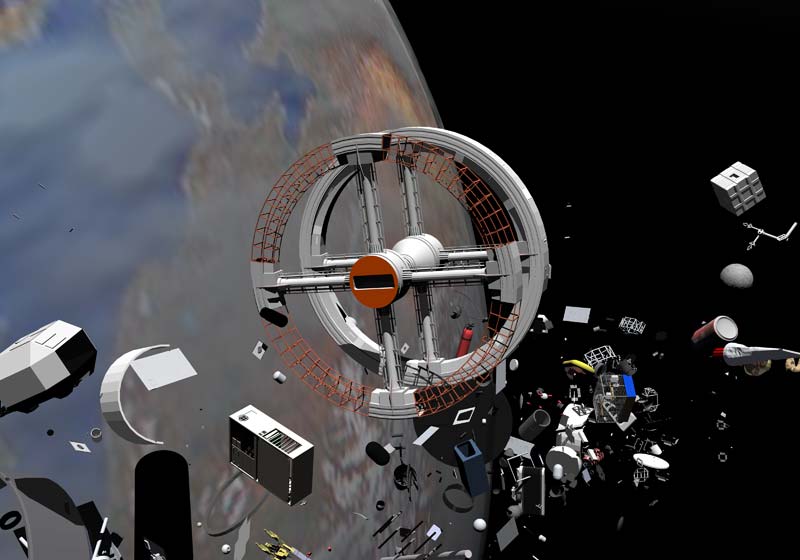
Space Junk Is Piling Up—Here’s How It Could Impact Life on Earth

Defunct satellites and orbital debris are creating risks for technology, space missions, and even daily life here on Earth.

©Image license via Wikimedia Commons

Space isn’t as empty as it looks. Orbiting above us is a growing cloud of dead satellites, broken rocket parts, and fragments from past collisions—collectively known as space junk. While it might seem far removed from daily life, this orbital clutter can disrupt communications, threaten astronauts, and even fall back to Earth.

According to NASA, there are more than 30,000 tracked pieces of debris and countless smaller ones that can still cause serious damage. From potential tech blackouts to fiery re-entries, here’s how space junk is creating ripple effects that reach far beyond the vacuum of space.

Read more

What Today’s 5-Year-Olds Will Face as Adults: Climate Reality Check

From rising seas to extreme weather, here’s how climate change will reshape the world your child grows up in.

©Image license via Canva

Picture your child at their high school graduation in 2037. The world they’re stepping into will look dramatically different from the one you grew up in. While children today play outside and dream about their futures, climate scientists are mapping out a planet that will challenge every assumption about normal life.

Rising temperatures aren’t just numbers on a chart—they’re reshaping everything from the foods we eat to the places we can live. The kids building sandcastles today will inherit coastlines that may no longer exist, seasons that arrive at unexpected times, and weather patterns that would seem extreme to us now.

Read more

Plastic and Pregnancy: What Expecting Parents Need to Hear

New research reveals how plastic chemicals can cross the placenta and affect fetal development, creating health risks for babies.

©Image license via Canva

From the water bottle you drink from to the food containers in your refrigerator, plastic is everywhere in modern life—and new research is revealing concerning connections between plastic exposure during pregnancy and potential health risks for developing babies.

Scientists have discovered that chemicals from plastics can cross the placenta and reach growing fetuses, potentially affecting everything from brain development to hormone function. A recent study found plastic chemicals in 100% of placenta samples tested, while another detected microplastics in newborn blood just hours after birth.

While the full implications are still being studied, health experts are advising pregnant women to take simple precautions to reduce plastic exposure during this critical developmental window.

Read more

Scientists Are Getting Closer to Finding Life on Distant Planets—Here’s How

New telescopes and detection methods are revealing potentially habitable worlds and chemical signatures of alien life.

©Image license via Wikimedia Commons

The search for life beyond Earth used to be pure science fiction, but it’s quickly becoming science fact. In just the past few years, scientists have discovered thousands of planets orbiting other stars, and they’re getting incredibly good at figuring out which ones might actually host life. We’re not talking about little green men or flying saucers—we’re talking about detecting the chemical fingerprints that living organisms leave behind in planetary atmospheres.

What makes this moment in history so exciting is that we finally have the technology to actually find answers to the biggest question humans have ever asked: Are we alone? Between revolutionary new telescopes and incredibly sensitive detection methods, scientists are closer than ever to discovering life on distant worlds.

Read more