Mysterious Pulses Are Reaching Earth from Deep Space—Here’s What Scientists Know

Scientists are tracking strange cosmic signals called fast radio bursts—and their origins remain unclear.
©Image license via Wikimedia Commons

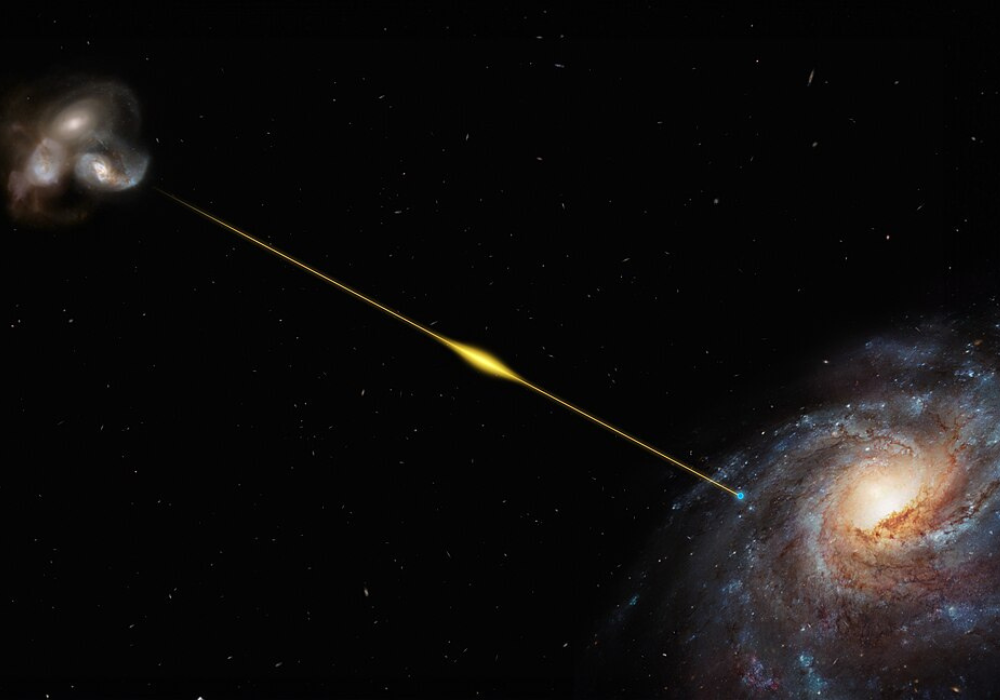
Astronomers are picking up mysterious pulses from deep space, and no one is completely sure what’s causing them. Known as fast radio bursts (FRBs), these flashes of energy are incredibly powerful, yet last only milliseconds. First detected in 2007, FRBs have been traced to galaxies billions of light-years away, but their exact origins remain unsolved.

NASA research points to highly magnetized neutron stars, known as magnetars, as one likely source. Still, other bursts defy easy explanation, leaving scientists with a cosmic mystery that could reveal new insights into how the universe works.

Read more

This Is the Planet’s Healthiest Diet, Say Researchers Globally

Scientists say this diet could boost your health while reducing your impact on the planet.

©Image license via Canva

What if the healthiest diet for your body was also the best one for the planet? Nutrition experts and environmental scientists are increasingly pointing to the same solution. The EAT-Lancet Commission, a group of 37 leading researchers from around the world, has outlined what they call the “planetary health diet.” It emphasizes fruits, vegetables, whole grains, legumes, and nuts, with smaller amounts of animal products.

The goal is simple but powerful: improve human health while reducing agriculture’s strain on Earth’s resources. Switching to this way of eating, researchers say, could add years to your life and protect the planet’s future.

Read more

10 Infectious Diseases That Are Spreading Because of Global Warming

From malaria to dengue, global warming is pushing dangerous infections into new territories.

©Image license via Canva

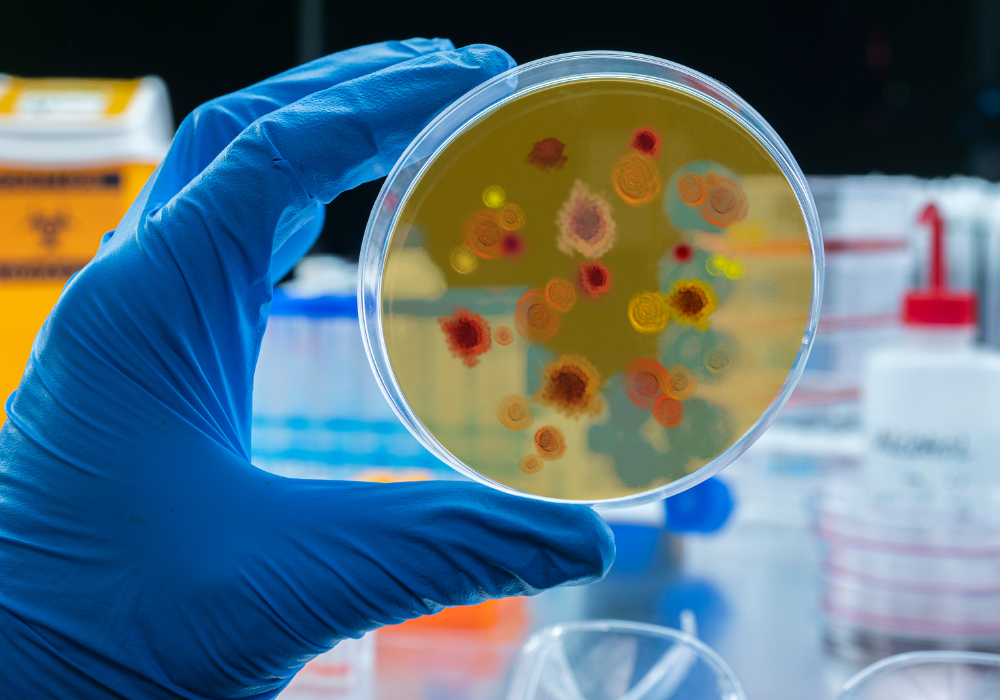
Infectious diseases are illnesses caused by things like viruses, bacteria, and parasites. Many spread through carriers such as mosquitoes and ticks, which thrive—or struggle—depending on their environment. When the climate changes, especially as global temperatures rise, it shifts weather patterns. Those shifts directly affect where these insects live and how they behave, which in turn changes how diseases spread.

As warmer conditions push vector populations into new places, the risks grow and sometimes appear in regions where they’ve never been before. To keep people safe, experts stress the need for flexible strategies, stronger disease monitoring, and involving local communities in prevention efforts.

Read more

Climate Change Isn’t Just About Weather—It May Affect Your Ability to Have Kids

Experts reveal how climate stress, heat, and toxins are putting hidden pressure on human fertility.

©Image license via Canva

Climate change isn’t just altering our environment—it may also pose a real threat to human fertility. A recent Nature Reviews Endocrinology article highlights how reproductive health is deteriorating, suggesting that exposure to climate-related pollution and endocrine-disrupting chemicals plays a significant role.

On top of that, a 2024 review in Current Opinion in Urology reports that heat stress and environmental toxins—including microplastics—may be contributing to declines in men’s seed quality. That means starting a family in a warming world may come with unexpected biological challenges—and a deeply personal one at that.

Read more

Could an Everyday Pill Hold the Key to Slowing Cancer?

A pill sitting in your medicine cabinet may have surprising power against one of the deadliest diseases.

©Image license via Canva

What if a pill millions of people already take every day could also help stop cancer from spreading? Researchers are exploring whether certain common medications, originally designed for other conditions, may play a surprising role in slowing cancer’s advance.

Studies published by the National Cancer Institute suggest that drugs such as aspirin and other widely prescribed treatments may have protective effects against metastasis, though more research is needed. While it’s far too early to call them a cure, the findings highlight how familiar medicines could become unexpected tools in the fight against one of the world’s deadliest diseases.

Read more

Nearly 1 in 2 Americans Face Serious Health Risks From Dirty Air

Smog, soot, and fine particles are still polluting U.S. skies, raising risks of asthma, heart disease, and more, according to scientists.

©Image license via Canva

Take a deep breath – on second thought, maybe don’t. The air that nearly half of all Americans are breathing every day is contaminated with enough pollutants to pose serious health risks, turning our most basic biological function into a potential hazard. We’ve somehow managed to turn the atmosphere into a toxic soup that makes simply existing outdoors a risky proposition for millions of people.

The American Lung Association’s State of the Air report reveals that 137 million Americans live in areas where the air quality fails basic health standards, meaning almost every other person you pass on the street is breathing air that could be slowly killing them.

Read more

10 Simple Ways to Shop Online Without Harming the Planet

From shipping choices to packaging swaps, small changes in how you shop online can make a big climate difference.

©Image license via Canva

Your online shopping addiction is quietly fueling an environmental disaster, but it doesn’t have to stay that way. Every click, purchase, and delivery contributes to carbon emissions, packaging waste, and resource depletion that’s accelerating climate change at breakneck speed.

The convenience of having everything delivered to your doorstep comes with a hidden cost that the planet can’t afford to keep paying. The good news is that small changes in how you shop online can dramatically reduce your environmental impact without sacrificing convenience or breaking your budget.

Read more

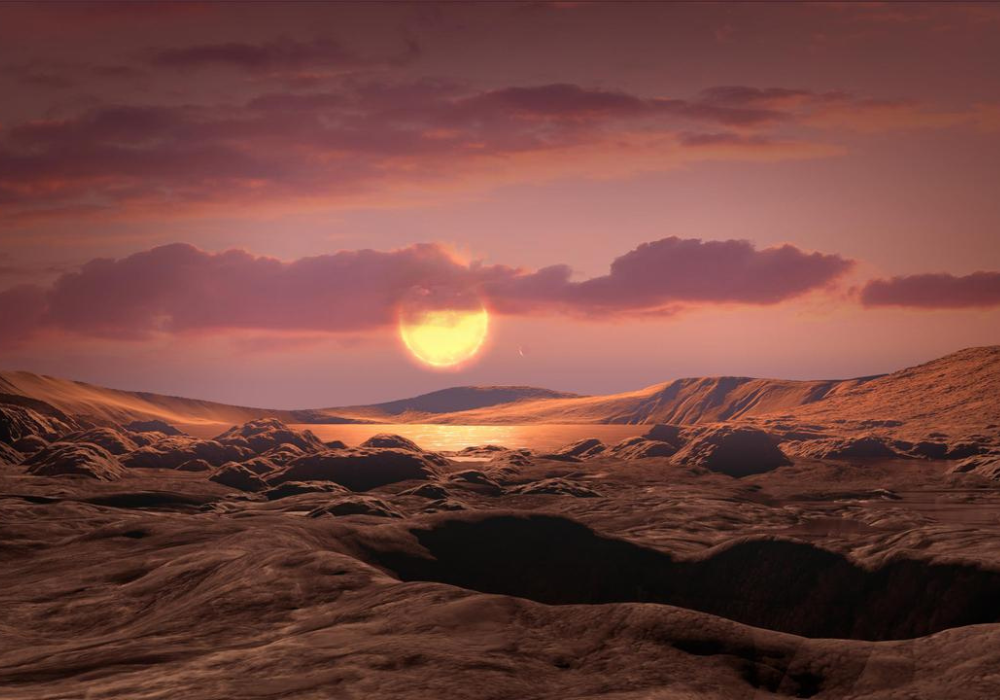
Are We on the Verge of Finding Life Beyond Earth?

From distant exoplanets to strange signals, researchers are chasing the strongest clues yet for alien life.

©Image license via NASA

The search for life beyond Earth is no longer confined to science fiction—it’s becoming one of the most exciting frontiers in astronomy. NASA has confirmed more than 5,500 exoplanets orbiting distant stars, and many lie in the “habitable zone” where liquid water could exist.

The James Webb Space Telescope is already analyzing the atmospheres of some of these worlds, looking for gases that might signal biology. Meanwhile, projects like the SETI Institute continue scanning the skies for unusual signals. Scientists say we may be closer than ever to answering humanity’s biggest question: are we alone?

Read more

Travel May Never Be the Same Again—Here’s What’s Coming

The freedom to roam the globe is fading fast, and your future trips could look unrecognizable.

©Image license via Canva

Travel is colliding head-on with climate change, and the outcome isn’t pretty. Beaches are vanishing under rising seas, wildfires are tearing through once-dreamy getaways, and blistering heat is closing doors on entire regions. What used to feel like freedom—booking a ticket, chasing adventure, exploring without limits—now comes with a sense of loss.

Every season brings fresh warnings that the world won’t be as open or accessible as it once was. The golden age of travel is ending, and what’s replacing it looks more fragile, uncertain, and unforgiving than most people ever imagined.

Read more

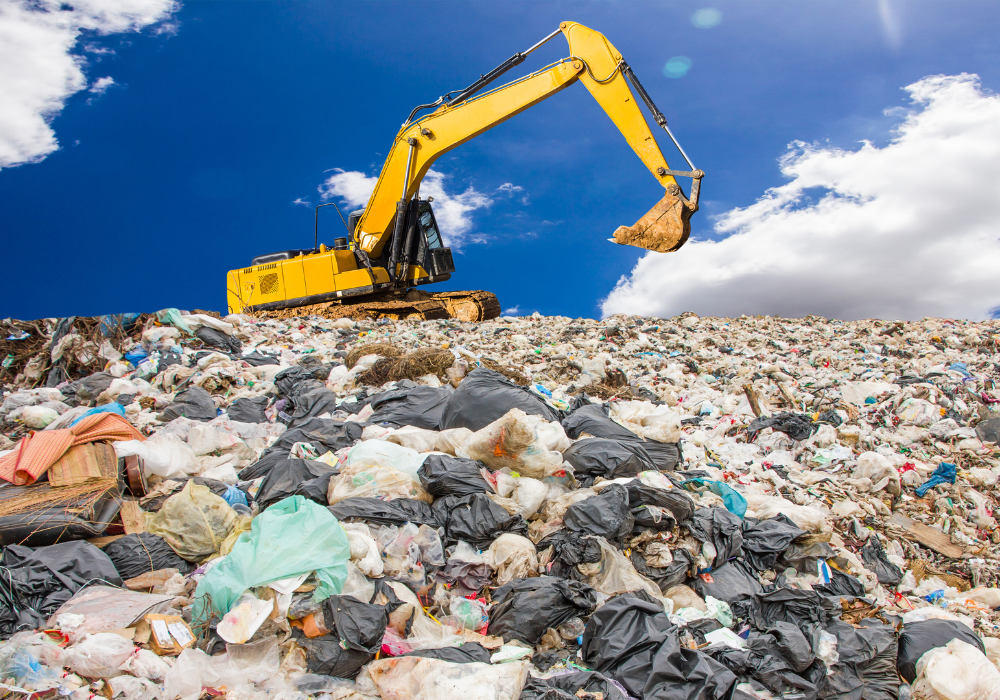
The Mounting Trash Problem That Could Ignite Wars Within Decades

Overflowing landfills and scarce resources could turn waste into one of the world’s next big flashpoints.

©Image license via Canva

A global crisis is building that could reshape international relations and trigger conflicts we’ve never seen before. The world produces over 2 billion tons of waste every year, and that number is exploding as developing countries get wealthier and consume more.

What makes this truly dangerous isn’t just the sheer volume of garbage we’re creating. It’s the fact that wealthy nations are running out of places to dump their waste, while poorer countries are drowning in toxic materials they never wanted in the first place.

When basic resources like clean water and livable land become scarce because of waste contamination, history shows us that people fight back. We’re approaching a tipping point where trash could literally become a matter of national security.

Read more