Exhausted Brains Make the Best Customers—These 12 Tactics Say It All

The more overwhelmed you are, the easier you are to manipulate.

©Image license via iStock

By the end of the day, your brain isn’t making empowered decisions—it’s just trying to survive. And marketers know it. Fatigue doesn’t slow down consumption. It speeds it up. The more distracted, stressed, and depleted you are, the more likely you are to click the ad, buy the upgrade, or say yes to something you don’t need. It’s not about trickery—it’s about timing. They’re not targeting your best self. They’re waiting for the version of you that’s too worn out to think straight.

This system wasn’t designed to support a well-rested, self-aware public. It was built to capitalize on burnout. You don’t need to be gullible to get played. You just need to be tired enough not to notice what’s happening. These tactics aren’t accidents—they’re blueprints. And they reveal exactly how much easier it is to sell you something when your brain is running on fumes.
Read more

You Don’t See It, But You Breathe It In—11 Surprising Ways Pollution Enters Your Body

The damage starts before you even notice anything’s wrong.

©Image license via iStock

You can scrub your counters, eat organic, and avoid the big city smog, but pollution still finds its way in. It’s not just something floating around outside. It’s in the fabrics you wear, the food you eat, even the products you slather on your skin thinking they’re helping. These invisible intruders move in quietly, skipping past your defenses without much effort. Most people don’t notice until the symptoms pile up—fatigue, breakouts, brain fog, or worse.

Pollution doesn’t need a smokestack to do damage. It shows up in your daily routine, piggybacks on convenience, and settles deep into your body before you know it’s there. This isn’t about scaring you into panic mode—it’s about seeing the full picture. Because when you know where it’s sneaking in, you can start closing the gaps. Some of it’s fixable. Some of it’s unavoidable. But all of it deserves your attention.

Read more

Are We Trapped in the Planet’s Death Spiral? These 12 Chilling Truths Paint a Grim Picture

We didn’t just miss the warnings—we hit the gas.

©Image license via iStock

The world didn’t fall apart all at once. It unraveled slowly, while most of us were busy refreshing notifications and debating whether things were really “that bad.” But behind the screen, the signs piled up—bleached reefs, shrinking rivers, starving species, seasons that stopped making sense. The experts warned us. The planet warned us. And we didn’t slow down. We accelerated.

Now, the consequences aren’t hypothetical. They’re baked into the soil, the air, the food, and the water. This isn’t about fearmongering—it’s about facing the full weight of where we are. Because denial isn’t just dangerous anymore. It’s delusional. These truths don’t represent some far-off dystopia. They’re here. They’re happening. And the more clearly we see them, the better chance we have at clawing back even a fraction of what’s still left to save.

Read more

Are You at Risk? 11 Deadly Weather Patterns That Are Becoming Frighteningly Frequent

These aren’t freak events anymore—they’re the new normal.

©Image license via Canva

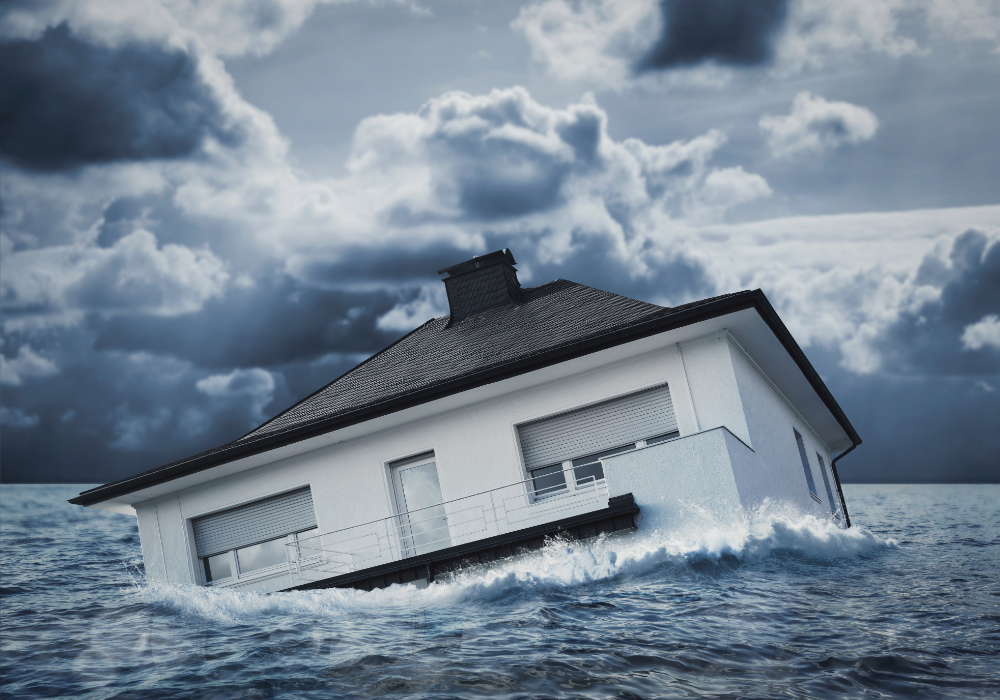
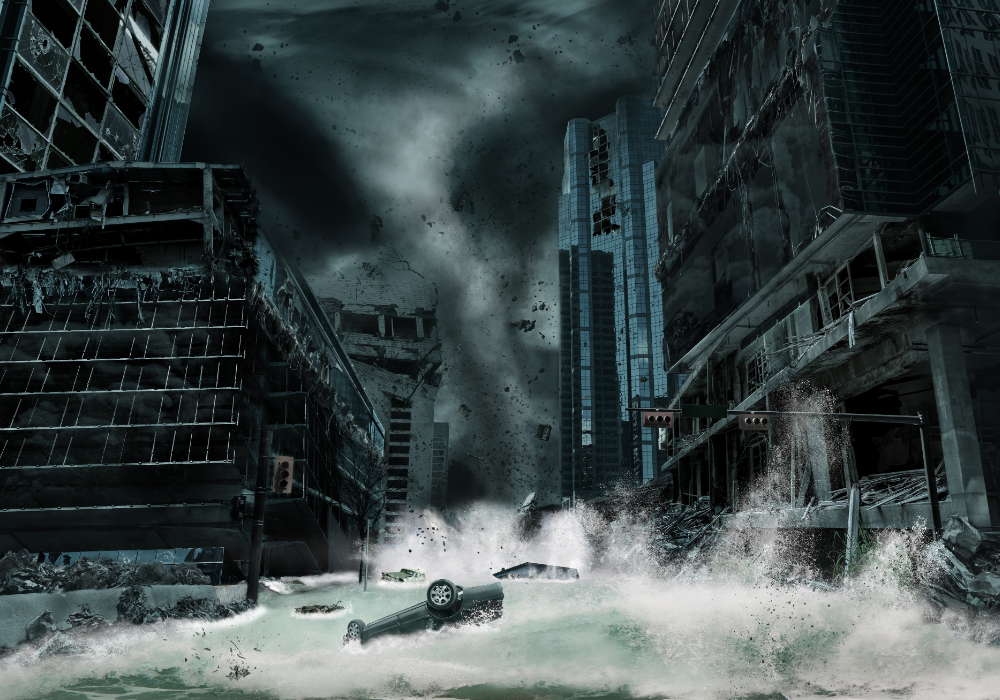
What once felt like the worst-case scenario now feels like the forecast. Heat waves that used to break records are now just breaking people. Rainstorms fall harder, floods come faster, and seasons blur into each other. Scientists warned this would happen, but many of us didn’t realize it would hit this fast—or this close to home. The atmosphere is different now. It holds more heat, more moisture, and more energy to unleash at any moment.

These extreme weather events aren’t once-in-a-lifetime anymore. They’re seasonal, escalating, and showing up in places that were never built to withstand them. From inland hurricanes to urban firestorms, these are no longer rare disruptions. They’re signals of a system in collapse. And the scariest part? Most infrastructure, insurance, and emergency plans still assume things will return to “normal.” But normal left years ago—and it’s not coming back.

Read more

Is Your Tap Water Still Safe? 12 Climate-Linked Threats to Clean Drinking Water

What used to be safe to drink might not stay that way much longer.

©Image license via iStock

You probably don’t think twice about filling a glass from the tap. It’s one of those everyday things you just expect to be safe—clean, clear, and ready to drink. But that trust might not be as solid as it used to be. Climate change is shifting so many parts of daily life, and your water supply isn’t off-limits. What once felt reliable is starting to show cracks. Storms are stronger, droughts are longer, and the systems designed to protect your drinking water are under more stress than ever.

Most of us grew up believing clean tap water was a given, like a right built into our homes. Now, it’s becoming something we have to pay attention to. The truth is, if you’re not at least a little concerned about the quality of your water, you might be missing what’s happening right under your nose—and pouring out of your faucet.

Read more

Kiss Goodbye to These 13 Daily Comforts If Climate Change Gets Worse

These simple pleasures could vanish—and sooner than you think.

©Image license via iStock

You probably don’t even notice how many little things make your day easier, more enjoyable, and comfortable—until they disappear. That’s the thing about daily comforts: they’re so woven into your routine that you assume they’ll always be there. But climate change is already rewriting that assumption, and the deeper it digs in, the more those small pleasures start slipping away. It’s not just about polar bears or distant disasters anymore—it’s personal. It’s creeping into your home, your habits, and the way you live your life every single day.

If you’ve been thinking climate change is only about big storms and rising sea levels, it’s time for a reality check. What’s really at stake hits closer to home than most people realize. And once it’s gone, you’ll wish you’d appreciated it more. Because the comforts you count on now might not make it through what’s coming next.

Read more

12 Iconic Natural Wonders Being Torn Apart by Extreme Weather and Human Greed

These breathtaking places are vanishing faster than most people realize.

©Image license via Canva

Nature’s most awe-inspiring landmarks were shaped over thousands—sometimes millions—of years. But in the age of climate collapse and unchecked development, that ancient beauty is unraveling faster than we can process. Glaciers are melting into memory. Coral reefs are bleaching into bone-white silence. Sacred sites are being mined, flooded, and stripped for profit, all in the name of progress.

These places weren’t just backdrops for postcards. They’re vital ecosystems, cultural touchstones, and spiritual landmarks. And yet, the combined pressure of rising temperatures, extreme weather, tourism, deforestation, and corporate extraction is pushing many to the brink. What once felt eternal is now fragile. What once felt untouchable is now at risk of disappearing within a single lifetime. These twelve natural wonders aren’t being lost to time—they’re being destroyed by choices made in the present.

Read more

13 Quiet Rituals That Can Calm Your Racing Mind Without a Screen or Pill

Sometimes the mind slows down when the body feels safe first.

©Image license via Canva

A racing mind doesn’t always mean something’s wrong—it often means your body hasn’t had time to land. And while screens promise escape and pills promise silence, neither always creates the kind of safety your nervous system is actually asking for. What helps most is often quieter than we expect. A shift in rhythm. A sensory cue. Something physical that gives your thoughts room to slow down on their own.

These rituals aren’t routines, hacks, or replacements for care you genuinely need. They’re gentle options—simple acts that ground you without overstimulating or fixing. They don’t rely on tech or productivity. They don’t require belief. They just offer your body a reason to soften, and in doing that, they give your mind a place to rest. If everything feels too fast, too loud, or too much, these are the kinds of moments that help you return to yourself without needing to disappear.

Read more

Your Morning Routine Is Overstimulating You—Here Are 11 Ways to Simplify It

What you do first sets the tone for everything after.

©Image license via Canva

Mornings are marketed as productivity goldmines—stack your habits, drink your greens, journal, meditate, hustle. But somewhere along the way, the quest for the “perfect routine” became just another form of overload. For nervous systems already running hot, all that optimization can backfire fast. Instead of grounding you, it ramps you up before you’ve even had a chance to land.

A calmer day starts with a slower start. You don’t need ten steps before 9 a.m. to feel like you’re winning. You need space—less input, fewer demands, and practices that meet you where you are. Simplifying your mornings isn’t laziness. It’s nervous system hygiene. These small shifts create more ease, more clarity, and more energy for the things that actually matter. Because peace shouldn’t be the reward at the end of your checklist—it should be how the day begins.

Read more

What Happens If We Do Nothing? 10 Chilling Predictions from Climate Scientists

The planet has been patient—but the debt is coming due.

©Image license via Canva

Climate change isn’t waiting for us to feel ready. Every year we delay action, the consequences compound—more heat, more chaos, more systems unraveling at once. Scientists have been warning us for decades, not with vague doomsday scenarios, but with data-backed predictions rooted in physics, biology, and historical patterns. These aren’t far-off hypotheticals. They’re timelines we’re already living in.

If global emissions stay high and governments continue to stall, the world we know now could be nearly unrecognizable in a matter of decades. These predictions are chilling not because they’re sensational—but because they’re plausible. They don’t require new disasters, only the continuation of what’s already in motion. If we do nothing, here’s what scientists say we can expect—and in many cases, what’s already begun.

Read more