The Scary Chemicals Hiding in Products You Use Every Single Day

Research reveals harmful chemicals in skincare, makeup, and personal care items that could affect your health long-term.

©Image license via Canva

Every morning, you wash your face, brush your teeth, apply moisturizer, and maybe add some makeup before starting your day. What you might not realize is that these routine activities could expose you to dozens of potentially harmful chemicals that accumulate in your body over time.

A groundbreaking study published in Environmental Health Perspectives found that the average woman applies over 160 chemicals to her skin daily through personal care products, while men typically use around 85.

The FDA requires no safety testing for cosmetic ingredients before they reach store shelves, leaving consumers to navigate a marketplace filled with products containing substances linked to hormone disruption, allergic reactions, and even cancer. Understanding which ingredients to avoid can help you make safer choices for your daily self-care routine.

Read more

Climate Change Is Actually Slowing Down Earth’s Rotation—Here’s What That Means

Scientists explain how melting ice and shifting water are changing the length of our days.

©Image license via Canva

You might think climate change only affects weather and temperatures, but it’s actually doing something much more fundamental to our planet. Scientists have discovered that melting ice and shifting water patterns are literally changing how fast Earth spins on its axis. The changes are tiny—we’re talking about fractions of a second—but they’re measurable and they’re accelerating as climate change continues.

This isn’t science fiction. When massive amounts of ice melt from places like Greenland and Antarctica, all that water has to go somewhere. As it redistributes around the planet, it changes Earth’s mass distribution, which affects how fast our planet rotates. It’s like a figure skater extending their arms to slow down their spin, except we’re talking about an entire planet.

Read more

13 Home Changes That Cut Carbon Emissions and Lower Your Bills

These simple household adjustments reduce energy consumption, waste, and monthly utility costs while helping fight climate change.

©Image license via Canva

Making your home more eco-friendly doesn’t require expensive renovations or major lifestyle changes. Simple adjustments to how you use energy, water, and everyday products can significantly reduce your carbon footprint while putting money back in your pocket.

These practical changes typically pay for themselves within months through lower utility bills, making them smart financial moves that also help the planet. From switching light bulbs to adjusting your thermostat, these proven strategies can cut your home’s carbon emissions by 20-30% while saving hundreds of dollars annually on energy costs.

Read more

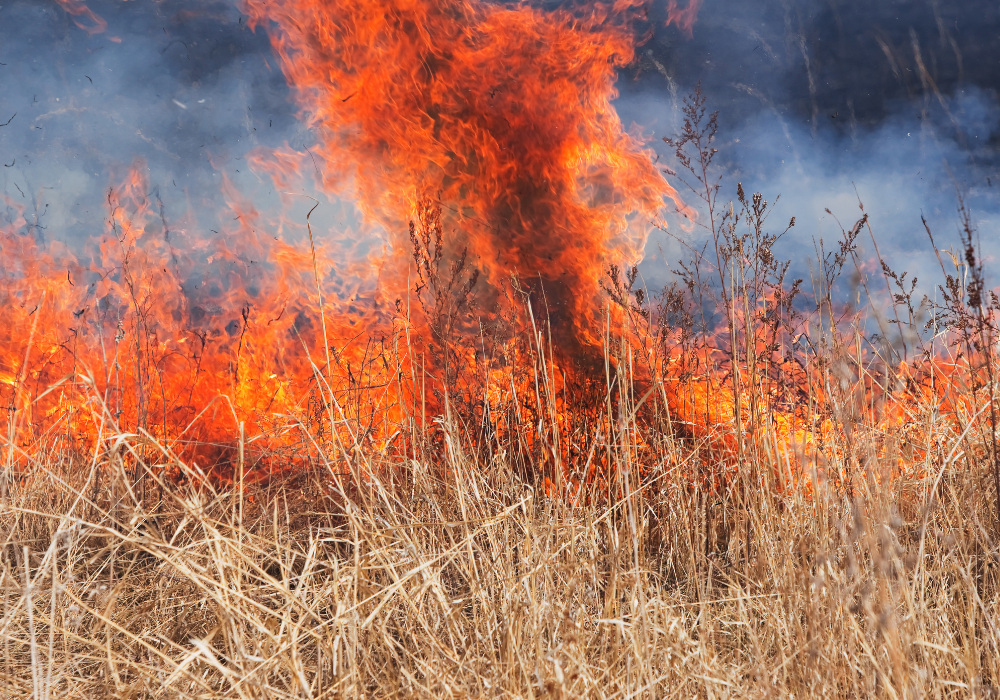
How One Common Plant Is Turning Entire Neighborhoods Into Fire Traps

Non-native grasses spreading across neighborhoods burn faster and hotter, turning communities into wildfire danger zones.

©Image license via Canva

You see it everywhere — growing along roadsides, filling empty lots, and creeping into suburban neighborhoods. It looks harmless enough, just another type of grass swaying in the breeze. But this innocent-looking plant is actually turning communities across America into wildfire tinderboxes. What makes this situation so dangerous is that most people have no idea they’re living next to a fire hazard.

Dr. Bethany Bradley, a landscape ecologist at University of Massachusetts Amherst who studies invasive species, has watched these grasses transform entire regions into high-risk fire zones over the past two decades. The plant everyone ignores could be the reason the next wildfire spreads faster and burns hotter than anyone expects.

Read more

Cities Will Be Unrecognizable in 25 Years—Here’s What You’ll See Instead

Climate adaptation will transform urban landscapes with floating buildings, underground districts, and vertical farms everywhere.

©Image license via Canva

If you could travel forward to 2050 and walk through any major city, you’d barely recognize the place. The familiar urban landscape of concrete sidewalks, glass skyscrapers, and asphalt streets will have been completely reimagined to survive in a world of extreme heat, rising seas, and catastrophic storms.

What’s coming isn’t science fiction — it’s survival architecture being designed right now by urban planners who know that cities must fundamentally transform or face complete collapse. Urban resilience expert Dr. Kristina Hill from UC Berkeley has been working with cities worldwide to prepare for climate impacts, and her research shows that successful cities will look more like floating villages and underground forests than anything we recognize today.

Read more

Scientists Discover CO₂’s Role in Climate Is More Complicated Than Expected

Climate studies reveal CO₂’s impact on global warming involves many factors scientists are still figuring out.

©Image license via Canva

For years, the story about carbon dioxide and global warming seemed pretty simple: pump more CO₂ into the air, and temperatures go up. But new research is showing that the real picture is way more complicated than anyone realized.

It turns out that CO₂ doesn’t just act like a thermostat that you can turn up or down. Instead, it interacts with oceans, clouds, plants, and natural weather patterns in ways that can speed up, slow down, or even temporarily reverse its warming effects.

A major study published in Nature Climate Change found that the same amount of CO₂ can cause very different temperature changes depending on where you are and what else is happening in the atmosphere. This doesn’t mean climate change isn’t happening—it just means predicting exactly what will happen next is much trickier than scientists first thought.

Read more

Scientists Push Back Against Plan to Remove Key Climate Data

Researchers say data removal plan threatens weather forecasting accuracy and public safety during natural disasters.

©Image license via Canva

A growing coalition of scientists and research organizations is voicing strong opposition to a federal proposal that would eliminate public access to decades of climate and environmental data. The plan, currently under review by government agencies, would remove key datasets from public databases that researchers, emergency managers, and weather forecasters rely on daily.

Over 400 scientists from universities and research institutions across the country have signed letters expressing concern about the potential impacts on weather prediction accuracy and disaster preparedness. The data in question includes temperature records, precipitation measurements, and atmospheric monitoring information dating back to the 1980s. Here’s what this controversy means for scientific research and public safety.

Read more

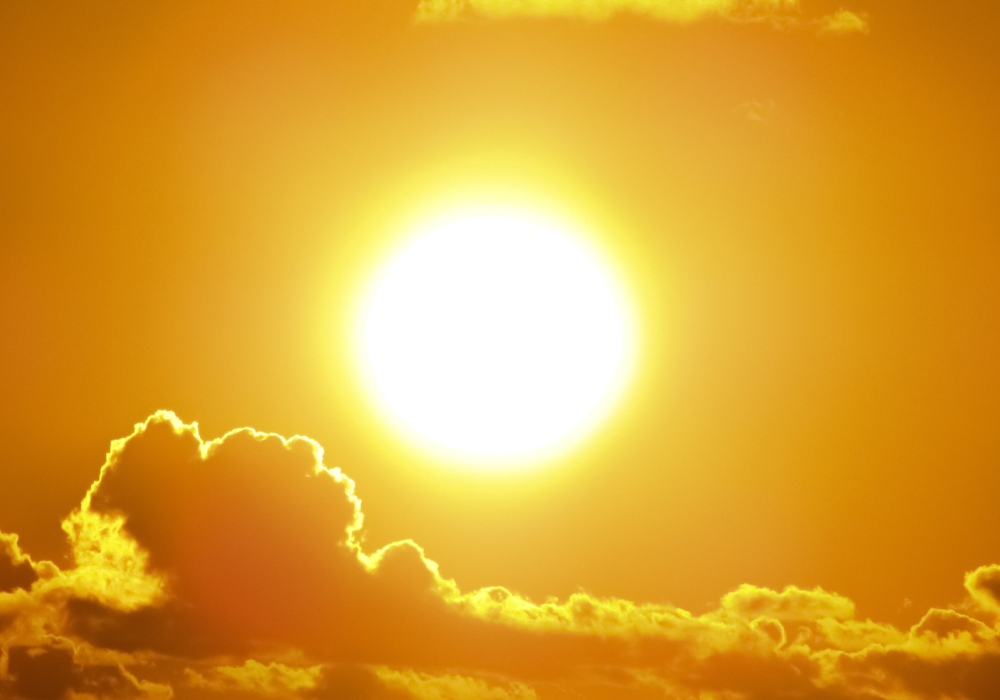
Global Temperatures Shatter All-Time Records as Extreme Heat Spreads Worldwide

Multiple countries report their hottest temperatures ever as dangerous heat wave affects millions worldwide.

©Image license via Canva

Temperature records are falling across the planet as an unprecedented global heat wave pushes thermometers to levels never before recorded in human history. Over 30 countries have registered their highest temperatures ever in just the past week, with cities breaking century-old records by shocking margins—sometimes by 10 degrees or more.

What makes this heat wave particularly alarming is that it’s happening simultaneously across multiple continents, affecting billions of people and overwhelming hospitals, forcing business closures, and straining power grids.

Scientists say this coordinated global heat event represents a new level of climate extremes that could become more common in the coming years.

Read more

The Hidden Link Between Climate Change and the Rise of Lyme Disease

Warmer temperatures and changing weather patterns are creating perfect conditions for tick-borne diseases to thrive nationwide.

©Image license via Canva

Lyme disease cases have surged dramatically across the United States, with reported infections tripling since the 1990s. While many factors contribute to this alarming trend, climate change plays a crucial but often overlooked role in expanding tick habitats and extending disease transmission seasons.

Rising temperatures, shifting precipitation patterns, and changing ecosystems are creating ideal conditions for disease-carrying ticks to thrive in new regions, putting millions more Americans at risk for this debilitating illness.

Read more

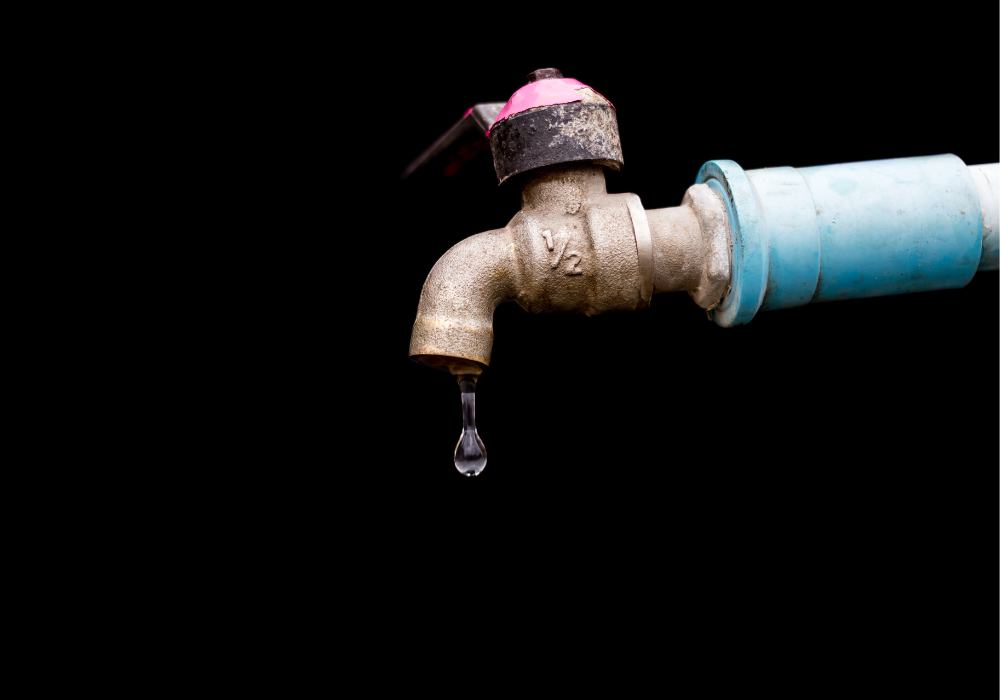
Scientists Now Warn These 9 U.S. States Could Run Out of Water by 2075

Severe drought, overuse, and climate change are pushing these states toward water crisis as demand far exceeds sustainable supply.

©Image license via Canva

Water scientists are sounding urgent alarms about a looming crisis that could reshape America’s landscape within the next 50 years. A combination of extreme drought, rising temperatures, and decades of overuse has pushed nine states to the brink of running out of reliable water supplies by 2075.

These aren’t remote desert regions—some of America’s most populated and economically important states are facing water shortages that could force millions of people to relocate and devastate agriculture that feeds much of the nation. The crisis is happening faster than experts predicted, with some reservoirs and aquifers already at critically low levels that haven’t been seen in centuries.

Read more