Dramatic Satellite Images Reveal What’s Really Happening to Earth’s Forests

Advanced satellite data reveals accelerating deforestation, climate-driven forest die-offs, and ecosystem collapse across Amazon and boreal regions worldwide.

©Image license via Canva

Satellites orbiting 400 miles above Earth are capturing a devastating transformation happening to our planet’s forests. The images are stark and undeniable: 2024 marked the worst year for forest destruction in recorded history, with fires alone consuming an area nearly the size of Panama in tropical rainforests. For the first time since satellite monitoring began, wildfires—not agriculture—became the leading cause of forest loss in regions that aren’t supposed to burn.

From the Amazon’s unprecedented drought-fueled blazes to Canada’s record-breaking boreal forest fires, advanced satellite technology is revealing how climate change is rewriting the rules of forest survival across every continent.

Read more

10 Hidden Dangers of Nighttime Heat Waves Most People Don’t Know About

Rising nighttime temperatures prevent sleep recovery and increase heat-related health risks that most people don’t recognize.

©Image license via Canva

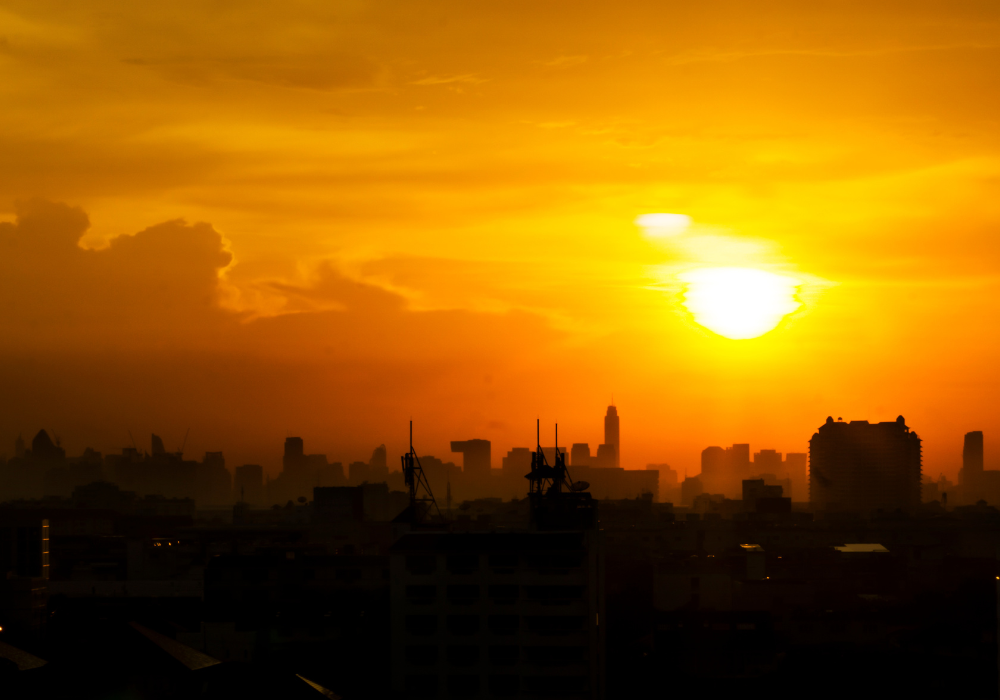
You probably think the worst part of a heat wave is over once the sun goes down, but you’re dead wrong. While everyone focuses on scorching daytime temperatures, something much more sinister is happening after dark — and it’s getting worse every single year.

Nighttime temperatures are rising twice as fast as daytime highs, creating a hidden health crisis that most people don’t even realize is affecting them. Your body desperately needs those cool nighttime hours to recover from daily heat stress, but that recovery time is disappearing. What happens when the night no longer offers refuge from the heat?

Read more

How to Spot Greenwashing Before You Buy Anything Green

Learn the warning signs and deceptive marketing tactics companies use to make products seem eco-friendly when they’re not.

©Image license via Canva

Walk down any grocery store aisle and you’ll be bombarded with products claiming to be “natural,” “eco-friendly,” and “sustainable.” Green leaves on packaging, earthy colors, and promises to save the planet — it all looks so convincing. But here’s the problem: most of it is complete nonsense designed to trick you into paying more for products that aren’t actually better for the environment. This deceptive practice is called greenwashing, and companies spend billions perfecting it.

Environmental marketing expert Dr. Catherine Tucker from MIT Sloan School of Management estimates that over 95% of products marketed as “green” fail to meet basic environmental standards. Learning to spot these tricks isn’t just about saving money — it’s about making choices that actually help the planet instead of just making you feel good about your purchases.

Read more

Why Rich People’s Lawns Are a Climate Disaster

Wealthy neighborhoods consume massive water resources and chemicals while contributing more to climate change than you think.

©Image license via Canva

Drive through any wealthy neighborhood and you’ll see them everywhere: perfect, emerald-green lawns that look like they belong on a golf course. These pristine patches of grass might seem harmless, but they’re actually environmental disasters hiding in plain sight. The resources required to maintain these perfect lawns are staggering, and the environmental cost is something most people never think about.

Dr. Paul Robbins, author of “Lawn People” and professor at the University of Wisconsin-Madison, says that American lawns consume more water, fertilizer, and pesticides than most agricultural crops, while providing zero food value. The obsession with perfect grass in affluent communities represents one of the most wasteful uses of natural resources in modern society.

Read more

10 Calming Phrases to Say to Someone Who Just Had a Panic Attack

Mental health experts reveal the phrases that reduce panic symptoms and help loved ones feel safe and supported during anxiety attacks.

©Image license via Canva

When someone you care about is having a panic attack, your words can either provide comfort or accidentally make things worse. Dr. Ken Duckworth, medical director of the National Alliance on Mental Illness, explains that panic attacks aren’t just “being dramatic”—they’re intense fear responses where the body’s survival instincts activate without real danger. The person experiencing it feels genuine terror, often thinking they’re having a heart attack or dying.

Mental health experts emphasize that what you say in those critical moments can help ground them back to reality and reduce the severity of symptoms. Here are ten expert-backed phrases that mental health professionals recommend using to support someone through this frightening experience.

Read more

12 Humane Ways to Get Rid of Pests Without Hurting Them

You can protect your home and your conscience with these cruelty-free solutions.

©Image license via Canva

You don’t have to choose between a pest-free home and a clean conscience. Whether it’s mice in the walls, ants in the kitchen, or squirrels in the attic, there are plenty of ways to deal with pests that don’t involve glue traps or toxic sprays.

More people are waking up to the reality that many common pest control methods are not only cruel—they can be harmful to pets, kids, and the environment. Humane pest control is about working smarter, not harsher. It’s about setting boundaries instead of landmines, and most of these solutions are easier than you think.

Read more

The 9-to-5 Grind Isn’t Just Killing Your Joy—It’s Killing the Earth

Burnout isn’t the only consequence of modern work—planetary damage is part of the deal.

©Image license via Canva

You wake up already tired. The day hasn’t started, but your brain’s racing, your shoulders are tense, and your inbox is quietly mocking you. You grab a coffee, brace for traffic, and wonder if this is just how life is now.

Meanwhile, outside your bubble of meetings and deadlines, the planet is heating up, ecosystems are collapsing, and resources are disappearing faster than we can count them. The connection between your daily grind and environmental breakdown might not be obvious—but it’s real. The way we work isn’t just exhausting us. It’s exhausting the Earth too.

Read more

They’re Using Oysters to Battle Sea Level Rise—And These 10 Reasons Prove It’s Brilliant

This small town’s oyster reef project is redefining coastal erosion control and turning shellfish into shoreline superheroes.

©Image license via Flickr

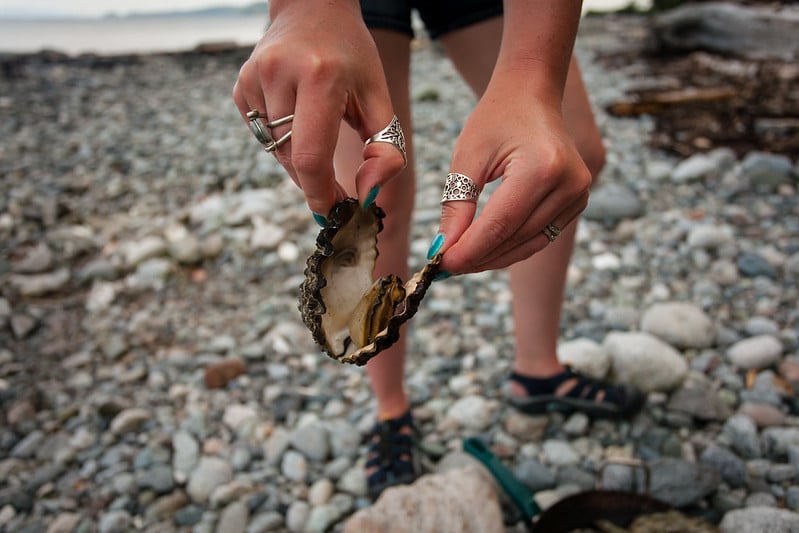
As sea levels rise and storms grow stronger, the coastal town of Barnegat Light, New Jersey isn’t turning to concrete seawalls or high-tech engineering—it’s turning to oysters. Yes, oysters. These humble shellfish are being used to fight off coastal erosion, absorb wave energy, and help restore fragile ecosystems.

What might seem like a quirky idea is actually backed by science and growing global interest in nature-based climate solutions. Oyster reefs, once overharvested and overlooked, are now getting a second chance—as coastal defenders. And in Barnegat Light, they may just be the key to saving the shoreline.

Read more

Why the Jellyfish Boom Along UK Beaches Should Worry All of Us

The jellyfish takeover isn’t just a beach nuisance—it’s a symptom of a changing ocean.

©Image license via Canva

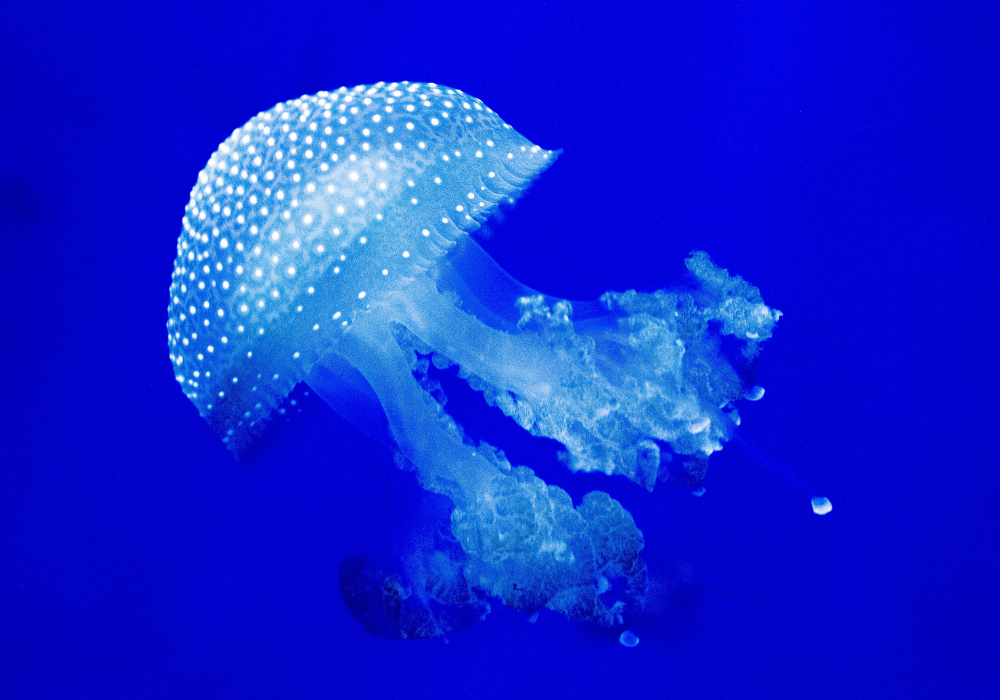
The gentle ebb and flow of the tide along the UK’s stunning coastline has long been a source of pleasure and relaxation for beachgoers. Lately, however, a new phenomenon is causing concern: a significant and unsettling increase in jellyfish populations. While the sight of these graceful, pulsating creatures might seem like a harmless curiosity, their burgeoning numbers are a clear signal of deeper environmental issues.

This “jellyfish boom” isn’t just a fleeting trend; it’s a symptom of a troubled marine ecosystem and a potential threat to our coastal communities, tourism, and even our food security.

Read more

California Wildfire Creates ‘Multiple Fronts’ of Flames Across Two Counties

Gifford Fire spans over 65,000 acres with only 3% containment as extreme winds and drought conditions fuel rapid spread across Santa Barbara and San Luis Obispo counties.

©Image license via Canva

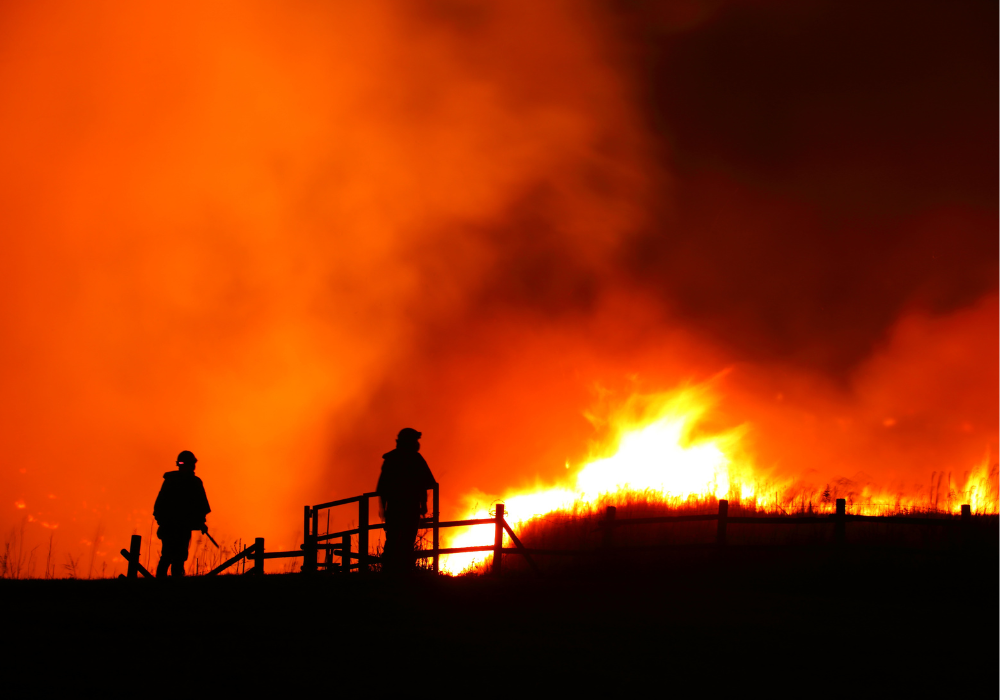
California is burning again, and this time it’s bigger than anyone expected. The Gifford Fire has exploded across more than 100 square miles of Los Padres National Forest, creating what firefighters are calling “multiple fronts” of flames that seem to be spreading in every direction.

Three people are already injured, including one driver who was literally overrun by flames after getting out of his car on Highway 166. With over 450 homes and structures directly in the path of destruction and only 3% of this monster contained, more than 1,000 firefighters are racing against time and weather to prevent what could become another California fire disaster.

Read more