Why Your Allergies Are Hitting You Harder Every Year—10 Alarming Causes

Scientists say allergies are getting worse—and they’ve found the shocking reason why.

©Image license via Canva

Allergy season used to be predictable—a few weeks of sneezing in the spring, maybe some hay fever in the fall, and then sweet relief. But now? It feels like allergies are a year-round nightmare. You’re not imagining it. Scientists have confirmed that allergies are not only getting worse but also lasting longer, hitting harder, and affecting more people than ever before.

Blame climate change, pollution, and a planet that’s basically turbo-charging plants to make more pollen than your nose can handle. Trees, grasses, and weeds are working overtime, extreme weather is kicking up allergens like confetti, and even people who never had allergies before are suddenly sneezing their way through life. Understanding what’s behind this surge in allergies is the first step to fighting back. The more we know about the triggers, the better we can prepare for the miserable months ahead.


Read more

Grass Lawns Are Dead—11 Ways to Create a Vibrant Backyard That Feeds You and Wildlife

Stop wasting water on a useless lawn and start growing something incredible.

©Image license via iStock

Grass lawns were once a symbol of the perfect home, but let’s be honest—they don’t do much except drain water, rack up maintenance costs, and require endless mowing. Meanwhile, pollinators are disappearing, droughts are worsening, and food security is a growing concern. Why waste space on a lawn that gives nothing back when you could turn it into a lush, thriving ecosystem?

Your yard has the potential to be more than just decorative. It can provide fresh food, attract essential wildlife, and restore balance to the environment. Whether you want to grow vegetables, plant a pollinator paradise, or create a self-sustaining oasis, replacing your grass with a functional, beautiful landscape is one of the best choices you can make. A backyard should be more than just something to look at. It should be a space that works for you, benefits the planet, and makes life a little richer every time you step outside.

Read more

The Gods Are Furious—11 Climate Disasters Straight Out of Greek Mythology

Ancient myths warned us, and now the gods are making their rage known.

©Image license via iStock

The ancient Greeks believed the gods controlled nature, punishing humanity with storms, fires, floods, and plagues when mortals overstepped their bounds. These myths were cautionary tales about hubris—warnings of what happens when people defy nature itself. Today, those same disasters aren’t just legend anymore. The world is heating up, the seas are rising, and natural disasters are intensifying like never before. If the Olympians were watching, they’d probably say, “We told you so.”

From Poseidon’s floods to Hephaestus’ raging fires, the catastrophes unfolding today seem ripped straight from ancient Greek mythology. The difference is that this time, it’s not the gods unleashing their wrath—it’s us. Human-driven climate change is fueling extreme weather events, and the consequences are undeniable. History has always warned us that ignoring nature comes with consequences. If we don’t start listening, we may find ourselves living out myths we never wanted to believe in.

Read more

City Lights Are Killing These 13 Amazing Animals Struggling to Survive Our Glow

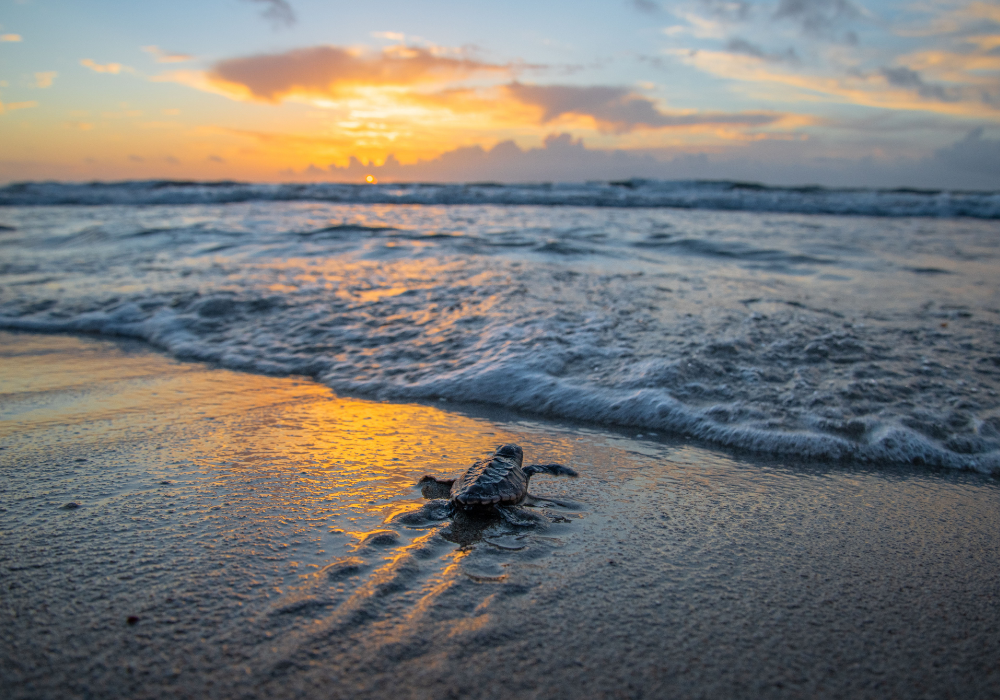
From confused birds to lost sea turtles, artificial light is turning nature upside down.

©Image license via Canva

The world has never been brighter. From glowing city skylines to illuminated highways, artificial light has transformed the way we live. But while we may love the convenience of a well-lit world, nature is struggling to keep up. Animals that rely on the natural rhythm of daylight and darkness are being thrown into chaos, unable to hunt, migrate, mate, or even survive.

For millions of years, wildlife evolved under the predictable cycle of the sun and the stars. Now, streetlights, billboards, and skyscrapers are rewriting the rules, leading to disoriented birds, lost sea turtles, and insects vanishing at alarming rates. Some creatures are being lured into danger, while others are losing their ability to navigate, hunt, or hide.

Light pollution is spreading faster than any other form of environmental disruption, and its impact on wildlife is becoming impossible to ignore. As artificial lights continue to erase the night, more species are struggling to adapt to a world that never truly gets dark.

Read more

12 Expert-Backed Methods To Maintain Sanity In Our Era Of Constant Crisis

Experts agree: these are the best ways to protect your mental health in turbulent times.

©Image license via Canva

The world feels like it’s in permanent chaos mode. One crisis fades, another one takes its place, and somehow you’re supposed to keep functioning like everything is fine. Between nonstop bad news, work stress, and the everyday pressures of being a human in the 21st century, it’s no wonder anxiety and burnout are at all-time highs. If you’ve been feeling exhausted, you’re not imagining it. The constant overload of information and stress takes a real toll on mental health.

Here’s the good news: mental health experts have spent years studying how people stay sane in high-stress environments. Turns out, it’s not about ignoring reality or pretending everything is great—it’s about knowing how to protect your peace without checking out completely. Small, intentional choices can make a massive difference in how you handle the chaos. You don’t have to let the world’s madness drain you. These science-backed strategies will help you stay strong, clear-headed, and ready to face whatever comes next.

Read more

Foraging Gone Wrong: 13 Common Mistakes That Could Ruin Your Harvest

One mistake while foraging could turn your harvest into a deadly disaster.

©Image license via Canva

Foraging might seem like a peaceful, wholesome way to connect with nature—until you realize that one wrong move could land you in the emergency room. The wild is full of delicious, nutritious treasures, but it also hides plenty of impostors ready to ruin your day. Mistaking a toxic berry for a safe one, plucking mushrooms without proper identification, or gathering plants from a polluted area could turn an innocent adventure into a full-blown survival situation.

Even experienced foragers slip up. Overconfidence, bad timing, and poor preparation can lead to wasted harvests or, worse, dangerous consequences. Knowing what to avoid is just as important as knowing what to pick. The line between a bountiful, successful foraging trip and a total disaster is thinner than most realize. If you want to enjoy wild food without the risk of poisoning yourself, destroying nature, or breaking the law, avoid these 13 common foraging mistakes at all costs.

Read more

Comfort Food with a Conscience—13 Sustainable Recipes You’ll Want on Repeat

Satisfy your cravings while making eco-friendly choices with these must-try dishes.

©Image license via Canva

Comfort food is supposed to feel good. But between factory-farmed ingredients, excessive packaging, and sky-high carbon footprints, too many indulgent meals come with a side of guilt. The good news? You don’t have to ditch your favorite dishes to make a difference—you just need a few smart swaps.

Sustainable eating isn’t about deprivation or forcing yourself to live on kale salads and quinoa bowls (unless you’re into that). It’s about making comfort food work for you and the planet, using fresh, seasonal ingredients, plant-based proteins, and waste-free cooking hacks. The best part? These meals are just as satisfying—if not better—than their traditional counterparts.

By choosing locally sourced produce, reducing food waste, and swapping high-impact ingredients for more sustainable alternatives, you can enjoy the flavors you love without the environmental toll. Eating consciously doesn’t mean giving up indulgence—it just means cooking smarter. And trust us, these recipes make the transition easy and delicious.

Read more

11 Ways Gen Z Is Fighting for a Better Planet While Boomers Call Them Cynical

While older generations roll their eyes, Gen Z is actually making a difference.

©Image license via Canva

Older generations love to call Gen Z lazy, cynical, or too idealistic, but when it comes to fighting climate change, no generation is taking more action. They see the effects of environmental destruction in real-time—rising temperatures, devastating wildfires, plastic-choked oceans—and they refuse to sit back and accept it as inevitable. Unlike the generations before them, they aren’t just talking about change; they’re demanding it.

From leading global climate strikes to rejecting fast fashion, Gen Z is holding corporations accountable, voting for climate-focused leaders, and using social media to educate and mobilize millions. They’re not waiting for governments or big business to step up—they’re taking action themselves.

The planet is changing fast, and Gen Z is making sure the response is just as rapid. Their passion, innovation, and refusal to back down prove that climate activism isn’t a trend—it’s a movement with real power.

Read more

10 Wild, Green Adventures That’ll Make Your Kids Drop Their Screens and Run Outside

Screen time can’t compete with these unforgettable outdoor experiences for kids.

©Image license via Canva

Convincing kids to step away from their screens can feel like an uphill battle. Digital entertainment is designed to keep them hooked, with endless videos, games, and apps demanding their attention. But no matter how captivating technology seems, nothing sparks curiosity, creativity, and adventure quite like the great outdoors. The trick isn’t just telling kids to go outside—it’s giving them a reason to run.

Nature offers excitement that no screen can match. Climbing fallen trees, chasing fireflies at dusk, or wading into a creek to catch minnows taps into something primal and thrilling. When kids get the chance to explore, build, and create in the wild, they forget all about notifications and high scores.

Making the outdoors irresistible starts with the right activities. Whether they’re building secret forts or hunting for buried treasure, these adventures will have kids racing outside, eager for the kind of fun that no device can provide.

Read more

11 Common Household Products Slowly Destroying Your Health While You Sleep

Your home should be a safe space, but these everyday products are secretly toxic.

©Image license via Canva

Home should be a place of comfort and security, but hidden dangers may be lurking in the most unexpected places. From the air you breathe to the sheets you sleep on, everyday household products can contain chemicals that slowly affect your health. Without realizing it, you may be inhaling harmful fumes, absorbing toxins through your skin, or even consuming microscopic contaminants while drinking water.

Many of these chemicals don’t cause immediate harm, making them easy to overlook. However, prolonged exposure can lead to serious issues, including hormone imbalances, respiratory problems, and long-term toxicity. Just because a product is widely available doesn’t mean it’s safe. Manufacturers often prioritize convenience over health, leaving consumers exposed to substances they aren’t even aware of. A few small changes can dramatically reduce toxic exposure in your home. Knowing what to avoid is the first step toward creating a healthier living space.

Read more