11 Jaw-Droppingly Idiotic Things We’ve Done to Wreck the Earth

From toxic lakes to trash islands, humans have turned Earth into a science fiction disaster movie.
©Image license via iStock

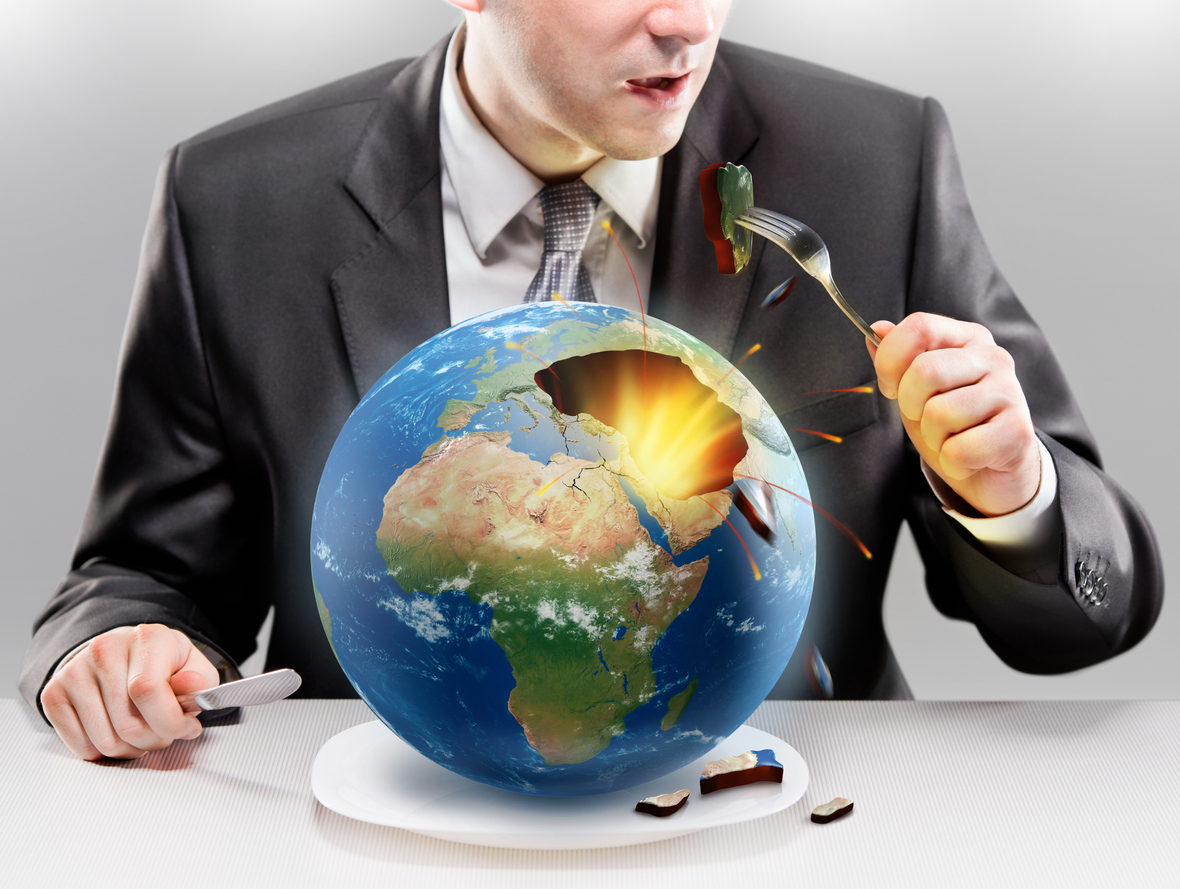
For a species that prides itself on intelligence, humans have made some mind-blowingly bad decisions when it comes to the planet. Instead of being responsible caretakers of the only home we have, the land, air, and water have been treated like infinite resources. Pollution, destruction, and wastefulness have been trademarks of human progress, leaving ecosystems struggling to recover.

The damage isn’t just an unfortunate accident—it’s the result of repeated choices that prioritized convenience and profit over sustainability. Industries have pushed forward with reckless expansion, and governments have ignored warning signs until disaster struck. Species have been driven to extinction, vital ecosystems have been wiped out, and entire landscapes have been reshaped to fit short-term needs.

Reversing the harm won’t be easy, but continuing on this path will only accelerate environmental collapse. The worst part is that much of the destruction could have been avoided if action had been taken before the damage became irreversible.

Read more

Think the Climate Movement Is Niche? These 10 Signs Say It’s Gone Mainstream

The climate movement has left the fringe and moved into the mainstream.

©Image license via Canva

There was a time when caring about the climate meant hugging trees and rinsing yogurt containers. It felt earnest, a little crunchy, and mostly ignored by the mainstream. Not anymore. The climate conversation has slipped out of the activist circle and into the boardroom, the beauty aisle, the group chat, and your cousin’s wedding registry. It’s not just trending—it’s transforming.

From billion-dollar climate startups to oat milk becoming the new default, climate awareness isn’t lurking in the background. It’s everywhere, dressed up in sleek design and backed by serious money, data, and public support. You don’t need a “Save the Earth” bumper sticker to be part of the movement—you might already be in it without realizing. These ten signs show just how far things have shifted. The fringe is over. Climate culture has officially gone mainstream, and it’s not looking back.

Read more

These 12 Insects Are Thriving Because the Planet’s on Fire—and They Want a Taste of You

These climate-fueled creepy crawlies are multiplying fast and biting harder than ever.

©Image license via iStock

While humans sweat, swat, and panic over every new heat record, insects are having the time of their lives. Rising temperatures mean faster reproduction. Milder winters increase survival. Longer summers offer more time to bite, sting, and creep into new territory. Thanks to climate change, bugs are no longer just buzzing—they’re booming.

Species once locked into tropical zones are moving north. Some are arriving earlier, staying longer, or evolving in ways that make them even more irritating—or downright dangerous. Insects that were once rare nuisances are now daily visitors, and in many places, they’re coming in hot (literally). The usual seasonal break from bug activity is disappearing, and insect-borne diseases are hitching a ride along with them. This isn’t a temporary annoyance. It’s a full-blown infestation revival powered by heat, chaos, and just the right amount of human misery.

Read more

Why Scientists Believe America’s Coastal Cities Could Vanish Within Decades

Experts aren’t guessing anymore—they’re bracing for impact.

©Image license via iStock

Sea level rise used to feel like a distant threat—something to worry about in a hundred years, maybe longer. But the data has changed. Now, the warnings are sharper, the predictions more immediate, and the future of America’s coastlines looks a lot more fragile. Cities built on the edge—places like Miami, New Orleans, and Norfolk—are facing a relentless combination of rising seas, stronger storms, and sinking ground.

This isn’t theoretical. Streets are flooding on sunny days. Saltwater is creeping into freshwater systems. Entire neighborhoods are being bought out or quietly abandoned. Scientists aren’t talking in terms of centuries anymore—they’re talking about decades. In some cases, even sooner. With outdated infrastructure, rapid development, and slow-moving policies, many coastal cities are completely unprepared for what’s coming. The ocean isn’t waiting for anyone to catch up, and the clock is running out faster than most people realize.

Read more

What’s Your Plan for a Warming World? These 13 Strategies Could Save You

The clock is ticking, and these strategies could be your only lifeline.

©Image license via Canva

Climate change isn’t a distant threat—it’s already here, reshaping daily life in ways we can’t ignore. One week it’s a record-breaking heatwave, the next it’s flooded roads, smoke-filled skies, or grocery store shelves that suddenly feel a little emptier. The systems we’ve long relied on—weather, food, water, power—are becoming more fragile, and the cracks are spreading faster than most expected.

But this isn’t about fear or worst-case scenarios. It’s about staying grounded in a time of growing uncertainty. Preparation doesn’t mean panic, and it doesn’t require a bunker or a complete lifestyle overhaul. It starts with awareness and small, steady actions that build resilience over time. Whether you live in a city apartment, a quiet suburb, or a rural town, there are meaningful ways to adapt and prepare. The future may be unpredictable, but how we respond to it is still in our hands. Readiness isn’t overreacting—it’s smart living.

Read more

The Collapse of Wildlife: 13 Species That Could Be Completely Extinct by 2040

If nothing changes, these animals could be museum displays by 2040.

©Image license via Canva

We are living through a mass extinction, and most people don’t even realize it. Species that once thrived in the millions are now reduced to a handful of individuals, clinging to survival in shrinking pockets of habitat. The crisis is quiet, but it’s global—and it’s accelerating.

From mountaintops to coral reefs, animals are vanishing because of deforestation, pollution, climate change, and poaching. Their ecosystems are collapsing. Some are already functionally extinct, while others could slip away in the next decade unless something changes—fast.

This isn’t theoretical. These are real creatures—intelligent, iconic, and incredibly vulnerable. You’ve seen them in storybooks, nature documentaries, or maybe even the wild. But for many, time is running out. Most of these species are disappearing right in front of us, without fanfare or headlines. They’re slipping away quietly, while the world scrolls past—distracted, busy, and unaware of what we’re losing.

Read more

Is It Fast Fashion’s Final Season? 12 Reasons Gen Z Is Canceling Cheap Clothes for Good

From Shein shame to climate guilt, cheap trends are finally losing their shine.

©Image license via Canva

Fast fashion had its moment—and Gen Z was there for it. They grew up during the era of viral hauls, $5 crop tops, and new trends dropping weekly. It was cheap, convenient, and addictive. But somewhere between the overflowing carts and overflowing landfills, things started to shift.

This generation has seen the receipts—environmental destruction, labor abuse, endless waste—and they’re not buying into it anymore. What used to be fun now feels exploitative. What used to be trendy now looks tacky. And what used to be “fashion” now comes with a lot of fine print.

Instead of chasing the next big thing, Gen Z is curating. They’re thrifting, upcycling, researching, and wearing their values loud and clear. Their style still slays—but now it means something. Fast fashion promised freedom, but Gen Z is finding real power in saying no. They’re not just skipping trends. They’re canceling the system that created them.

Read more

Are You Paying Attention? 11 Signs We Are Ghosting The Planet and Need to Step Up

The planet is sending warning signs, and we can’t afford to leave them on read.

©Image license via Canva

Mother Nature used to be generous—clear skies, thriving forests, and seasons that made sense. But lately, she’s been pulling away. Wildfires rage year-round, heat waves break records like it’s a competition, and storms hit harder than ever. The warning signs aren’t subtle, and pretending not to notice won’t make them disappear.

Ignoring these red flags has already pushed the planet to its limits. Rising temperatures, extreme weather, and collapsing ecosystems are clear messages that we’ve taken more than we’ve given. Changing our habits, rethinking our impact, and acting with urgency are the only ways to repair the damage. Small shifts add up, and the sooner we make them, the better our chances of slowing the chaos.

Nature isn’t gone—but she’s exhausted. If we want a future where forests stay green, oceans stay blue, and the air stays clean, we need to stop taking her for granted and start making better choices.

Read more

12 Ominous Signs Earth’s Oceans Could Be Lifeless by 2070

Life in the sea is dying quietly, and the clock is ticking louder every year.

©Image license via Canva

For most of human history, the ocean felt endless—too vast to damage, too deep to disturb. But that illusion is unraveling fast. The signs are everywhere: reefs bleaching to bone-white, once-teeming fish stocks collapsing, and low-oxygen dead zones stretching wider every year. Beneath the surface, the ocean is not just warming—it’s unraveling.

While forests burn and glaciers crumble in plain sight, the seas are shifting in silence. And it’s not just about marine life. The ocean regulates our climate, feeds billions, and produces half the oxygen we breathe. Without it, the planet doesn’t work.

Scientists have been sounding alarms for years, and what was once theory is now unfolding in real time. If the current trends continue, we’re not just looking at a few more jellyfish. We’re looking at an ecological crash with ripple effects no one’s ready for.

Read more

12 Game-Changing Travel Gadgets Every Eco-Conscious Explorer Should Own

Sustainable travel just got easier with these must-have eco-friendly gadgets.

©Image license via Canva

Travel is one of life’s greatest joys, but it often comes with an environmental cost. From endless plastic waste to excessive energy use, tourism leaves a much bigger footprint than most people realize. Even the most conscious explorers can struggle to avoid single-use plastics, wasteful packaging, and energy-draining habits. But the good news? A few smart swaps can make a world of difference.

Sustainable travel isn’t about sacrificing comfort—it’s about making better choices. Whether it’s charging your phone with the sun, ditching plastic water bottles, or cutting down on disposable toiletries, the right travel gear can help you minimize waste without compromising convenience. Thoughtful packing means fewer throwaway products, less energy use, and a lighter impact on the places you visit.

Exploring the world should be about discovering new cultures, breathtaking landscapes, and unforgettable experiences—not leaving behind a trail of waste. With the right gadgets, you can see more while consuming less.

Read more