10 Reasons Red Light Therapy Might Not Be the Miracle You’re Hoping For

What influencers promise and what studies show are two very different things.
©Image license via Canva

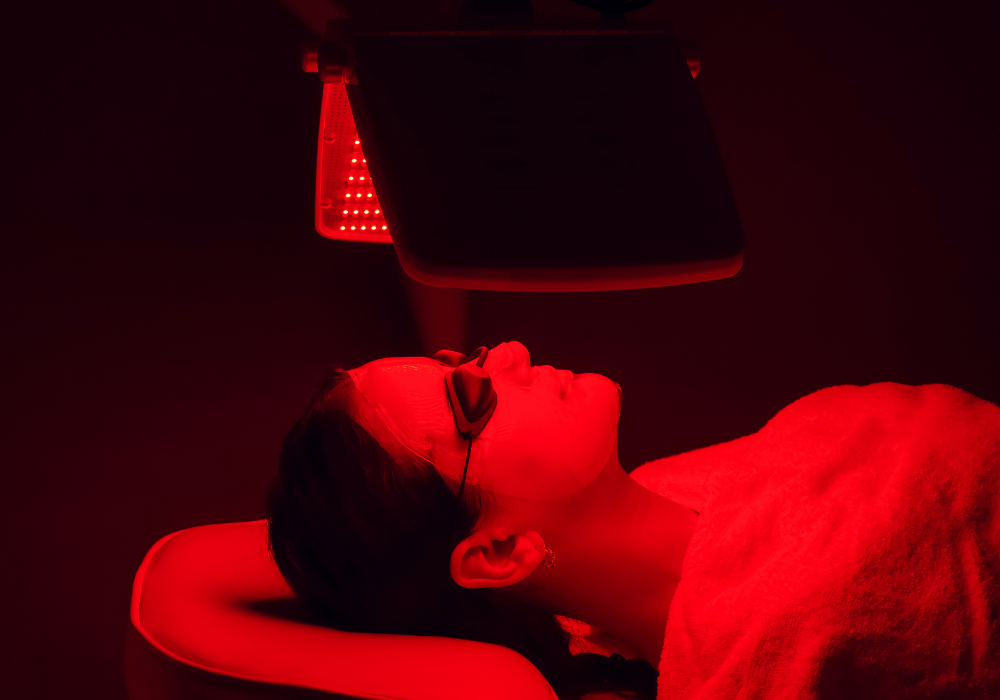
Red light therapy has officially hit wellness cult status. It’s in facials, gyms, med spas, and even popping up in living rooms thanks to portable panels and glowing masks. Promises range from anti-aging miracles to pain relief, muscle recovery, better sleep, and even brain boosts. And sure, standing in front of a warm red glow feels relaxing—but is it actually doing anything?

Some studies show potential benefits, especially for skin and healing. But a lot of the hype is built on half-truths, cherry-picked data, and flat-out guesses. It’s the kind of trend that sounds science-y enough to believe but vague enough to avoid accountability. And because the wellness world is great at selling dreams, it’s easy to get swept up in the glow without asking too many questions. Here’s what you need to know before you buy into the light.


Read more

Your Food Is Turning Toxic—These 15 Alarming Facts Reveal Why

Rising temperatures are doing more than melting ice—they’re contaminating your plate.

©Image license via Canva

You might think climate change is all about rising sea levels and weather disasters, but it’s also messing with something a lot closer to home—your food. The stuff on your plate isn’t just changing in taste, price, or availability. It’s changing in safety. As the planet heats up, crops absorb more pollutants, bacteria spread faster, and even the nutritional value of fruits and vegetables is taking a hit.

This isn’t some distant, abstract problem. It’s already happening in grocery stores, on farms, and in your kitchen. From toxins in seafood to heavy metals in rice, the food chain is picking up the fallout from a warming world—and quietly passing it on to you. No one wants to think their salad or sandwich might be hiding a climate consequence, but it’s time to look at what’s really being served. Here’s what no one’s warning you about.

Read more

What You’re Losing—13 Forests That Could Be Gone Within Your Lifetime

The trees aren’t just dying—they’re warning us, and we’re still not listening.

©Image license via Canva

We’re used to thinking of forests as permanent. They’ve outlived empires, weathered storms, and stood quiet through every human mistake. But now, they’re in trouble—and not in some vague, far-off way. Across the U.S., entire forests are dying faster than they can recover. Wildfires rage hotter. Droughts last longer. Invasive pests thrive in places they never could before. And while it might look like trees are standing tall, many of them are already hollowing out, drying up, or failing to regrow.

This isn’t a future problem. It’s happening now, in places you’ve camped, hiked, or driven past on family road trips. And if the climate crisis continues at its current pace, some of the country’s most iconic forests could be unrecognizable—or gone—within your lifetime. These aren’t just landscapes. They’re living systems, and they’re collapsing while we look away.

Read more

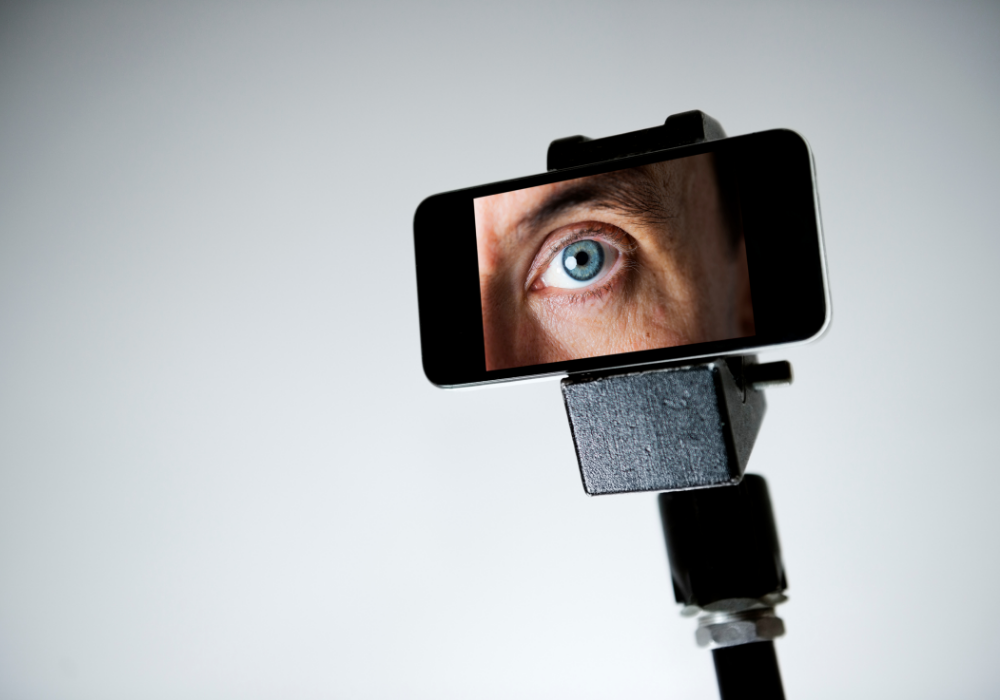
Your Devices Are Watching You—Here Are 11 Ways Your Data Gets Used

Big tech is watching, storing, and selling—without asking first.

©Image license via Canva

You probably already know your devices are tracking you—but what you might not realize is just how much they’re collecting and where that data ends up. It’s not just search history or social media likes. It’s your location, your voice, your heartbeat, your schedule, your shopping habits—even how fast you type. That sleek phone in your pocket? It’s a full-blown surveillance system disguised as convenience.

And the craziest part? You probably gave it permission without realizing. Buried in privacy policies and app settings are vague, sneaky checkboxes that open the door to constant monitoring. Big tech isn’t just watching—they’re analyzing, predicting, and selling what they learn about you. You don’t have to be famous or shady to be tracked. You just have to exist in the digital world. These are the most surprising and unsettling ways your data is being used right now.

Read more

The Dark Side of Biohacking: 12 Reasons It’s Not Worth the Risk

These “optimization” tricks come with side effects no one’s talking about.

©Image license via Canva

Biohacking promises the ultimate upgrade—better energy, sharper focus, longer life. From nootropics to cryotherapy, red light beds to brain zaps, it all sounds cutting-edge and empowering. But behind the glossy branding and buzzy podcasts is a growing pile of risks, side effects, and straight-up bad science. What’s sold as personal optimization often skips one key step: proving it actually works.

The biohacking world thrives on hype. It turns self-experimentation into a lifestyle and convinces people that health isn’t something to maintain—it’s a competition to win. But many of these “hacks” aren’t backed by solid evidence, and some come with dangerous consequences. Chasing superhuman performance sounds exciting—until the supplements backfire, the wearables cause anxiety, or the DIY treatments cause lasting damage. Before jumping into the latest trend, it’s worth asking: is this really making you better, or just making someone richer while you take the risk?

Read more

You Might Be Dealing with an Autoimmune Disorder—Here Are 12 Symptoms to Watch For

Your body might be fighting itself, and you don’t even know it.

©Image license via Canva

Some symptoms are loud and obvious—others are quiet but relentless. That’s the tricky part about autoimmune disorders. They often show up in ways that feel vague or random at first: fatigue that won’t go away, weird rashes, joint pain that flares up without warning. You might go months or years thinking it’s stress, age, or just “in your head.” Meanwhile, your immune system could be misfiring and attacking healthy parts of your body like a system gone rogue.

Autoimmune conditions don’t all look the same, and the symptoms can overlap with everything from allergies to anxiety. That’s why they’re so often misunderstood or misdiagnosed. But if you’re noticing patterns—especially a mix of symptoms that don’t quite add up—it’s worth paying attention. The sooner you spot the signs, the sooner you can push for answers. These are the ones that shouldn’t be ignored.

Read more

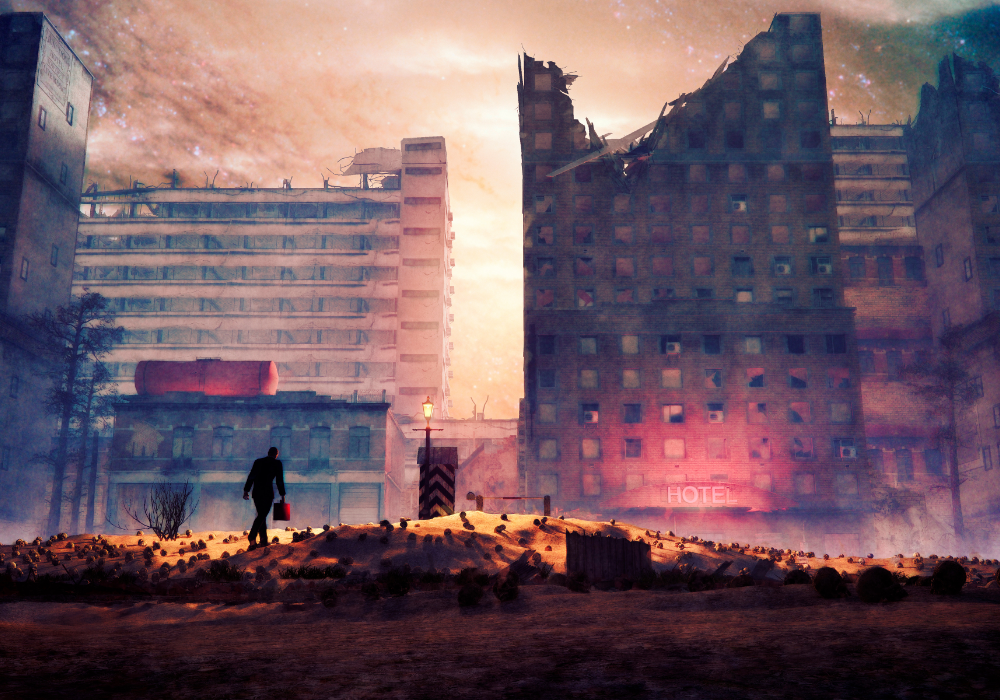
You’re Not Safe Here—These 11 Cities Are About to Become Death Zones

When the power grid fails, the pavement burns, and the air won’t cool, survival isn’t guaranteed.

©Image license via Canva

Extreme heat used to be a warning. Now it’s a death sentence—especially in cities that were never designed to handle it. Asphalt traps the heat. Concrete radiates it. Power grids groan under demand. And when the sun doesn’t let up, neither does the danger. People aren’t just getting uncomfortable—they’re getting sick, disoriented, and in some cases, dead. And the worst part? Most of these cities knew this was coming and did almost nothing to stop it.

Climate change is pushing temperatures higher every year, but the systems meant to keep people safe—air conditioning, emergency response, affordable housing—are crumbling under pressure. Urban heat islands where the most vulnerable suffer first and hardest. What used to be a summer inconvenience is quickly turning into a public health crisis. And if things keep going the way they are, even the shade won’t be enough to save you.

Read more

Is Climate Change Really as Bad as They Say? These 10 Truths Might Surprise You

These facts cut through the noise and reveal what’s really happening.

©Image license via Canva

Let’s be honest—climate change talk can feel like a broken record. The headlines are loud, the doom is constant, and it’s hard to tell what’s real, what’s hype, and what actually affects your day-to-day life. It’s easy to tune it all out, especially when it feels too big to fix or too far away to matter. But here’s the thing: the problem isn’t somewhere off in the future—it’s already shaping the world around us in ways you might not even realize.

This isn’t just about sea level rise or distant weather disasters. It’s about food prices, allergies, power outages, and why your summer feels hotter every year. It’s about weird patterns that don’t feel so random anymore. Some facts are scary, some are strange, and others are straight-up infuriating—but all of them are happening right now. And once you know what to look for, you start noticing it everywhere.

Read more

Grass-Fed Meat: 13 Reasons It’s Bougie, Overrated, and Still Bad for You

That premium steak might just come with a side of greenwashed guilt.

©Image license via Canva

Grass-fed meat gets a lot of praise. It’s marketed as healthier, more humane, and way better for the planet—so naturally, people pay extra for it, expecting a cleaner conscience and a cleaner bill of health. But dig a little deeper, and the truth isn’t so polished. That grass-fed burger might be wearing a halo, but behind the label is a tangled mess of half-truths, marketing spin, and some very questionable benefits. It’s not that grass-fed meat is worse—it’s that it’s not nearly as good as it claims to be.

Whether you’re trying to eat clean, protect animals, or just get what you’re paying for, it helps to know what’s really going on behind that rustic-sounding label. Here are 13 reasons grass-fed meat might not be the upgrade you thought it was—and why that “healthy” steak might come with more baggage than benefits.

Read more

Cholesterol Is Silent, But Deadly—These 10 Foods Could Save Your Heart

Your next meal might decide how long your heart keeps beating.

©Image license via Canva

Cholesterol is sneaky. It builds up quietly, often without symptoms, until one day it clogs an artery and sends someone straight to the ER. High cholesterol doesn’t feel urgent—until it is. It doesn’t take an extreme diet or expensive supplements to fight back. Some of the best weapons against bad cholesterol are probably already in the kitchen. Everyday foods can help lower LDL (the harmful kind) and raise HDL (the helpful kind), keeping the heart protected without sacrificing flavor.

There’s no need to fear every bite or obsess over labels. These ten foods aren’t about restriction—they’re about support. They make meals better and hearts stronger, one forkful at a time. Whether the goal is prevention or recovery, the right ingredients can shift things in a powerful direction. Start simple. Eat smarter. Let food do what it’s always done best when chosen wisely—keep the body running strong.

Read more