The Planet’s Hidden Climate Victims—12 Creatures You Didn’t Know Were at Risk

You’ve never heard of them, but they’re paying the ultimate price.
©Image license via Canva

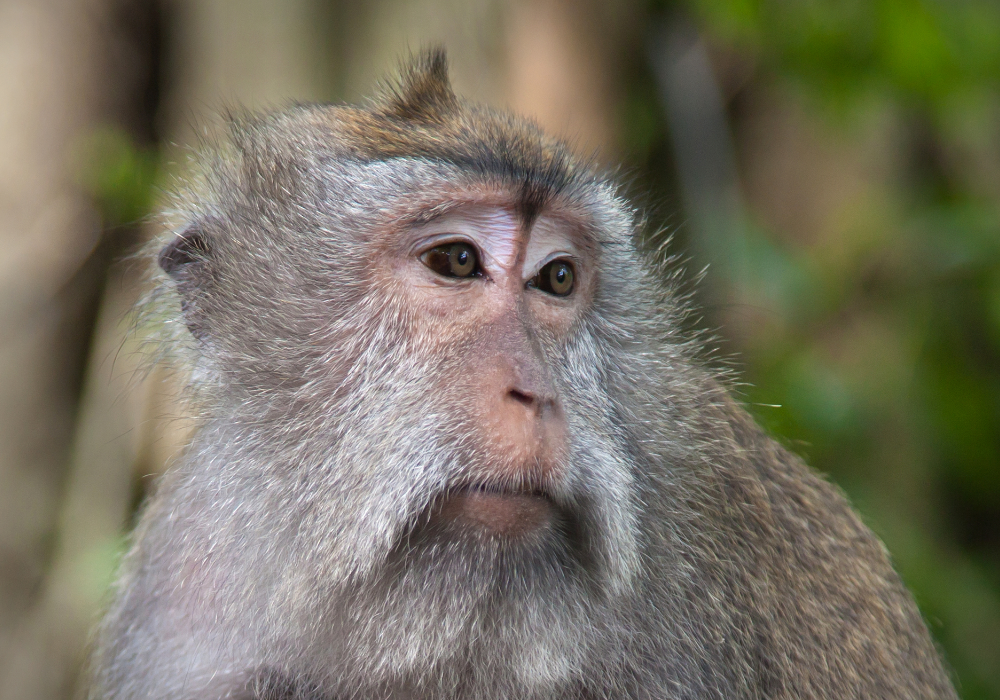
When people talk about climate change, the usual suspects come up—polar bears, sea turtles, coral reefs. But the reality is way bigger, and way more heartbreaking. There are countless animals quietly slipping toward extinction, and most of us have never even heard their names. No headlines. No documentaries. Just disappearing. These are the creatures living on the edges of ecosystems, relying on very specific climates, and getting hit hardest by rising temperatures, vanishing habitats, and chaotic weather patterns.

And here’s the thing: every time one of these species goes, it sends a ripple through the entire system. These aren’t just cute or quirky animals—they’re pollinators, seed spreaders, and key players in the web of life. They matter, even if they’ve never trended online. If you think you’ve seen the worst of climate collapse, think again. Some of the most urgent losses are happening out of sight.

Read more

The 11 Hidden Ways Relationships Push You Out of Your Comfort Zone

What feels like relationship trouble might just be personal growth in disguise.

©Image license via Canva

Relationships aren’t just about companionship, romance, or sharing good times—they’re also one of the strongest catalysts for personal transformation. Sure, having someone to binge-watch your favorite shows with is great, but the real magic (and sometimes the biggest challenge) comes from how your connections with others expose your vulnerabilities, insecurities, and hidden potential. The truth is, the discomfort you sometimes feel in relationships isn’t a sign you’re doing something wrong—it’s actually proof you’re growing.

Every relationship, whether romantic, platonic, or familial, holds up a mirror, reflecting aspects of yourself you might never have noticed otherwise. Those moments when you feel irritated, misunderstood, or defensive? They’re not random annoyances; they’re signposts pointing directly to parts of you that could use attention and care. Embracing those uncomfortable feelings is often the first step toward real self-awareness, deeper connections, and a more fulfilling life.

Read more

The Hidden Exploitation Behind Everyday Snacks—Here Are 13 Shocking Truths

That bag of chips might be fueling child labor and deforestation.

©Image license via Canva

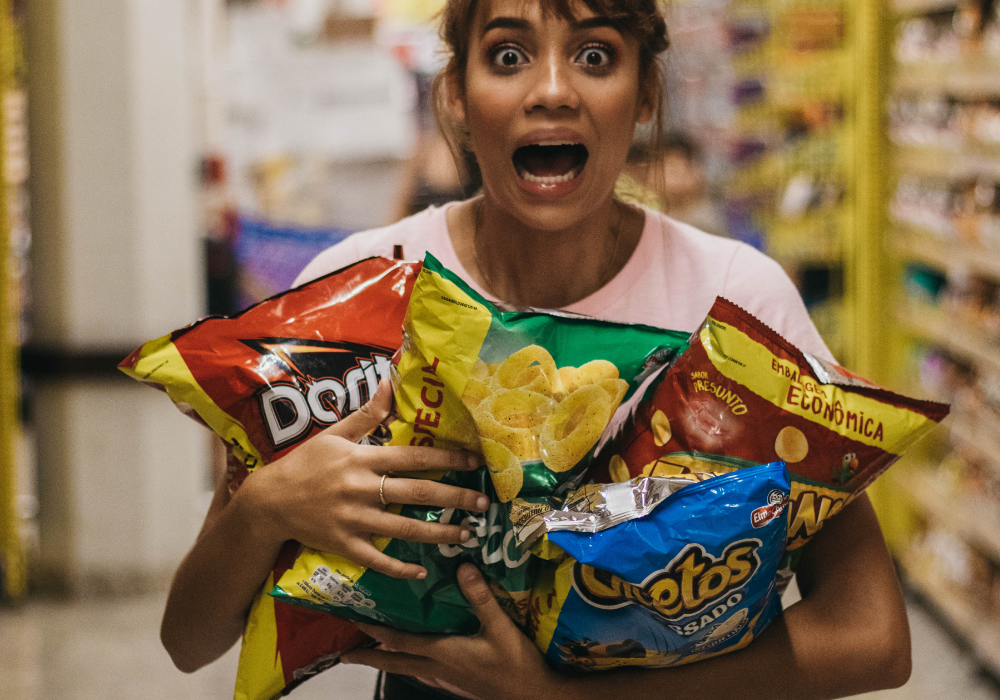
Snacks feel harmless. They’re quick, comforting, and everywhere—from vending machines to your kitchen cabinet. But peel back the shiny packaging, and you’ll find something a lot less appetizing. Behind that candy bar or salty crunch is an industry built on exploitation—of people, land, and entire communities. The food system is designed to be convenient for consumers, but that convenience often comes at the expense of someone else’s safety, health, or dignity.

We don’t think about where our snacks come from because we’re not supposed to. The marketing is fun. The flavors are nostalgic. The sourcing is a mystery on purpose. But the truth is, many of our favorite treats are tied to labor abuses, environmental destruction, and shady supply chains that thrive in the dark. You shouldn’t have to choose between convenience and ethics—and the first step is knowing what’s really going on behind the scenes.

Read more

You’re Probably Ingesting PFAS Daily—Here Are 14 Disturbing Ways It’s Happening

These “forever chemicals” are sneaking into your body every single day.

©Image license via Canva

You’ve probably heard the term PFAS tossed around—maybe in a news article, a documentary, or on a label that says “now PFAS-free.” But what are they, really? These synthetic chemicals were designed to resist water, grease, and heat, which is great for stain-proof carpets and nonstick pans—but not so great for your health. The problem? They don’t break down. Not in the environment, and not in your body.

Once they’re in your system, they tend to stay. And they’ve been linked to a long list of health issues, from hormone disruption to cancer to immune dysfunction. The scary part is how quietly they’re showing up. They’re not always in obvious places, and most people have no idea how often they come in contact with them. If you’re trying to reduce your exposure, it helps to know exactly where they’re hiding in your everyday routine.

Read more

The Slow Death of Joy—12 Ways the Modern World Starves Us of Pleasure

You’re not broken—the world just forgot how to let you feel good.

©Image license via Canva

If you’ve ever caught yourself wondering why nothing feels as good as it used to, you’re not alone. Somewhere along the way, pleasure got replaced with productivity, rest turned into guilt, and joy became something you have to earn. It’s not that you’ve changed—it’s that the world around you has. We live in a culture that glorifies burnout, monetizes our attention, and shames us for slowing down.

Simple joys—like taking a walk, daydreaming, or doing absolutely nothing—are now framed as lazy or indulgent. We’re constantly connected, always performing, and rarely present. And when we do carve out time for ourselves, it’s often rushed, distracted, or weighed down by expectations. This isn’t a personal failure. It’s a systemic one. The modern world is slowly choking the life out of pleasure—and most of us haven’t even noticed it happening.

Read more

Inside the Environmental Cost of AI: 10 Alarming Facts About Musk’s xAI Expansion

As xAI grows, so does the hidden environmental damage left in its wake.

 ©Image license via Frédéric Legrand | Dreamstime

AI might be changing everything—from how we work to how we think—but it’s also quietly wrecking the environment in the process. While tech giants rush to build bigger, smarter models, they’re chewing through electricity, water, and natural resources at a rate most people would never imagine. Elon Musk’s xAI is one of the latest power players, and it’s scaling up fast—with very few limits.

Every sleek algorithm comes with a behind-the-scenes cost: data centers burning massive amounts of energy, cooling systems pumping out heat, and emissions rising with every new update. These systems aren’t as “invisible” as they seem. Their impact is very real, and it’s already happening. From power grids to water tables, the pressure is mounting—and most people aren’t even aware it’s happening. The damage isn’t just theoretical—it’s showing up in the real world, whether we’re ready for it or not.

Read more

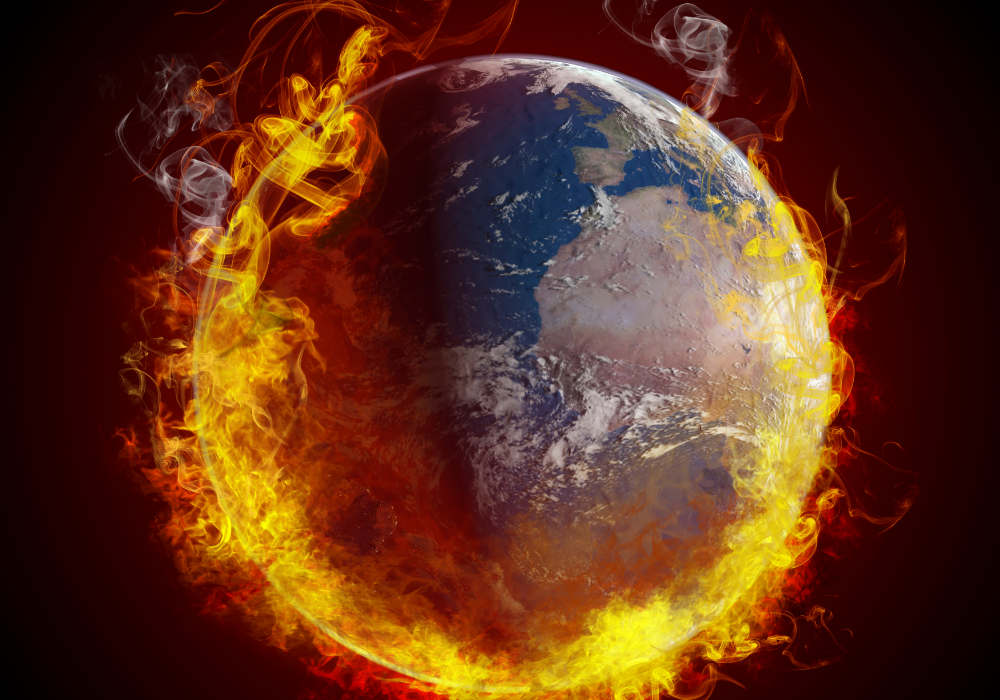
The Planet Crossed 1.5°C—Here Are 10 Consequences You Can’t Ignore

Scientists warned us for decades, and now the future is here.

©Image license via Canva

For years, 1.5°C was the red line. Scientists, climate activists, and global leaders said passing it would mean more than just warmer days—it would trigger a cascade of dangerous changes to life as we know it. Now, we’ve crossed that threshold. And it’s not a prediction anymore—it’s the present. You can feel it in the heatwaves, the rising grocery prices, and the constant stream of natural disasters that don’t feel so “natural” anymore.

This isn’t just about distant polar bears or melting glaciers. It’s about the places we live, the food we grow, the air we breathe, and the systems we rely on every day. The planet is different now, and the rules have changed. Weather is more extreme. Crops are more vulnerable. Infrastructure is more fragile. And what’s coming next depends on how quickly we wake up to just how far we’ve already gone.

Read more

Trump Cuts $4M in Climate Research—13 Alarming Facts About What We’re Losing

These cuts don’t just silence scientists—they endanger lives.

©Image license via Shutterstock

It’s one thing to debate policy—but cutting climate research when the planet’s on fire? That’s something else entirely. The Trump administration just slashed $4 million in federal climate research funding, and the ripple effects are already hitting hard. This isn’t just about numbers on a spreadsheet—it’s about lives, ecosystems, and the information we need to survive a hotter, more unpredictable world.

From shuttered labs to canceled climate models, these cuts are targeting the very research designed to warn us, prepare us, and give us a fighting chance. The worst part? These programs weren’t just about science—they were about public safety, education, agriculture, weather forecasting, and more. So when funding gets ripped away, the damage goes far beyond the lab. Here’s what we’re really losing when climate research gets defunded—and why it’s not just scientists who should be worried.

Read more

13 Health Trends That Are Basically Expensive Glitter—Look Great, But Do Nothing

If glowing skin had a secret, it wouldn’t be $80 and influencer-approved.

©Image license via Canva

Health trends have officially entered their glitter era—shiny, expensive, and full of empty promises. From chlorophyll drops to gemstone-infused water bottles, wellness culture now runs on aesthetics more than science. These trends look great on a shelf and even better in a Reels highlight, but once the sparkle fades, you’re often left wondering what exactly you paid for. Spoiler: it’s usually packaging, not results.

That’s the thing about modern “health”—it’s been rebranded as a lifestyle accessory. The more minimal the label and the more dramatic the claim, the more likely it’s a glorified placebo wrapped in a pastel gradient. Some of these fads are harmless fun. Others are just quietly draining your wallet while doing next to nothing for your body. So before restocking your cart, take a beat. These are the health trends that sparkle hard—but flop even harder.

Read more

Chewing Gum Releases 3,000 Microplastics—These 14 Facts Reveal How

That minty freshness comes with a side of synthetic pollution.

©Image license via Canva

Chewing gum seems harmless, right? Just a sweet little habit to freshen your breath or pass the time. But here’s the part no one’s talking about: most gum isn’t actually made from food—it’s made from plastic. Yep, that thing you’ve been chewing on since childhood is shockingly close to the same stuff used in tires, glue, and even plastic bags. And every chew? It releases microplastics straight into your mouth.

The ingredients list won’t spell it out. Most brands hide behind vague terms like “gum base,” a catch-all phrase that skips the detail and keeps you in the dark. Meanwhile, the world’s cutting back on straws, bags, and bottles—but gum keeps slipping under the radar. It sticks to sidewalks, coats your teeth, and sheds plastic particles with every bite. Once you find out what’s really inside your favorite stick of gum, it’s hard to chew without thinking twice.

Read more