The Romance Scam—11 Ways Consumer Culture Sells You a Fantasy

When real love is enough the romance industry falls apart.

©Image license via Canva

Love is supposed to be simple, but consumer culture couldn’t leave it alone. Instead of letting connection grow naturally, it turned romance into a never-ending checklist. Perfect dates, grand gestures, luxury gifts, Instagram-worthy milestones—it’s all carefully designed to make you feel like real love is never quite enough. There’s always something bigger, shinier, and more expensive you’re supposed to be chasing. And the more you chase it, the more money they make.

The truth is, real relationships don’t need half the stuff they’re selling you. They don’t need matching pajamas for Valentine’s Day or an elaborate engagement staged for social media likes. But the industry doesn’t make billions off people who are already content. It needs you feeling insecure, pressured, and a little bit lacking. Once you see the game, it gets a lot easier to stop playing—and start appreciating what’s actually real.

Read more

Think Your Home Is Safe? These 13 Household Products Say Otherwise

You’re not as safe at home as you think—and these products prove it.

©Image license via iStock

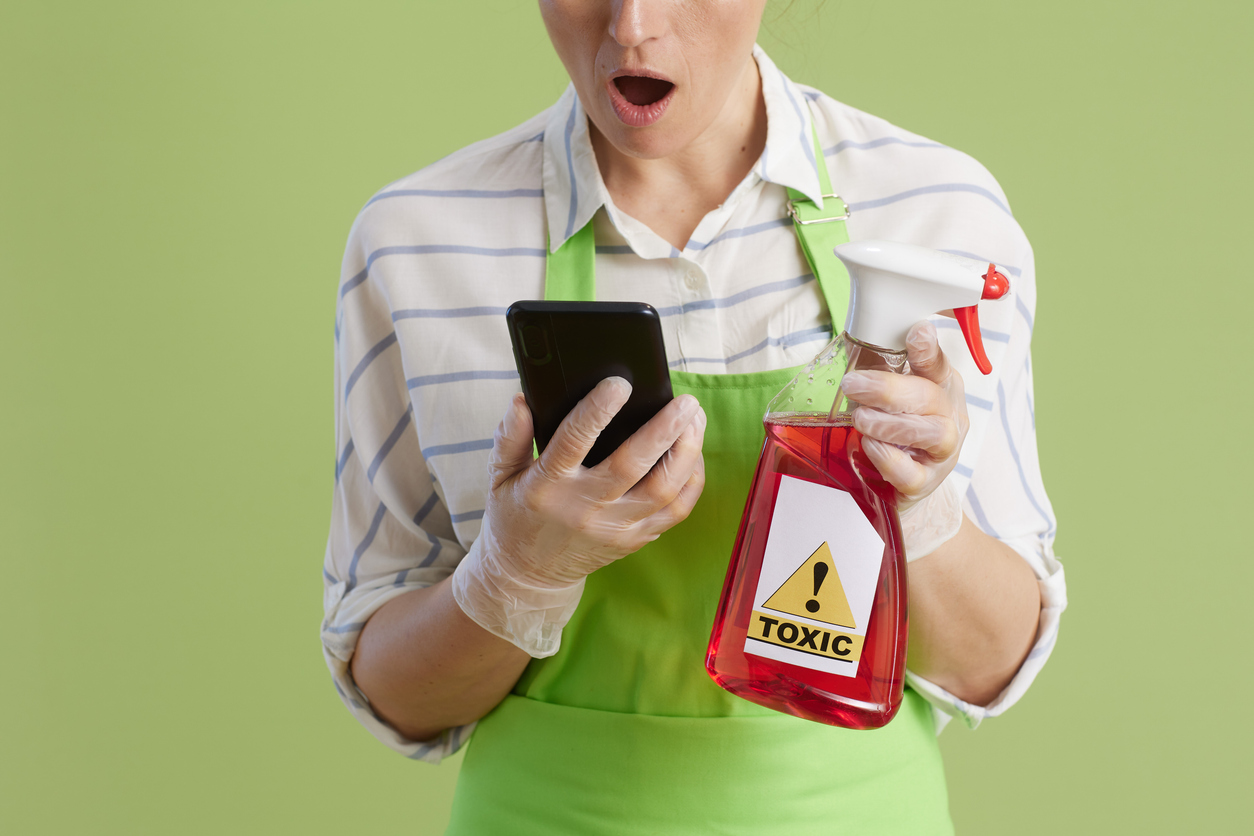
Your home is supposed to be your safe zone—but what if the real threats are already hiding in plain sight? It turns out a lot of everyday products you trust aren’t nearly as harmless as they seem. From sneaky chemicals to hidden irritants, your favorite cleaners, candles, and even comfy furniture could be messing with your body without you even realizing it. Companies love to slap “fresh,” “clean,” or “safe” on their labels, but they’re not always telling the full story.

The truth is, long-term exposure to these everyday items can quietly chip away at your health. Headaches, allergies, hormone disruption, respiratory problems—it doesn’t take much to tip the balance over time. Once you know what to look for, though, you can start making smarter swaps without losing your mind or scrubbing your life down to the bare walls. Knowledge really is the first defense.

Read more

10 Relationship Lessons That Can Save Your Marriage

Learning these lessons now can save years of heartbreak later.

©Image license via Canva

No one walks down the aisle thinking they’ll end up feeling distant from the person they once couldn’t get enough of. But life gets busy, communication gets sloppy, and before you know it, frustration and silence start filling the spaces where connection used to live. It’s rarely one huge betrayal that breaks a marriage—it’s the small, repeated moments where partners miss each other without realizing it.

The truth is, lasting love isn’t built on grand romantic gestures or perfect compatibility. It’s built on habits, conversations, and hard-won lessons that most of us aren’t taught growing up. Without those tools, even good relationships can crumble under the weight of daily life. No marriage is immune, but every marriage can be strengthened. It starts by seeing what matters most—and being willing to work on it before resentment takes the wheel and drives you apart.

Read more

You’re Probably Overthinking Your Skincare—Here Are 11 Things That Actually Matter

If your skincare routine feels like a part-time job, you’re doing it wrong.

©Image license via Canva

Let’s be real—skincare is starting to feel like a full-blown hobby nobody asked for. Between ten-step routines, viral trends, and a new “must-have” product every week, it’s no wonder your bathroom looks like a mini Sephora. But here’s the thing: your skin doesn’t actually need that much. In fact, all that layering, scrubbing, and experimenting might be doing more harm than good.

The truth is, great skincare isn’t about having a shelf full of products—it’s about doing a few simple things really, really well. When you focus on what actually matters, you’ll not only save time and money, but your skin will probably look better, too. No more second-guessing every little thing or wondering if you need that $150 essence. It’s time to cut through the noise and get back to what your skin actually wants.

Read more

Nobody Talks About It, But These 14 Things Are Quietly Crushing Middle-Aged Men

These silent struggles are stealing their joy, confidence, and sense of purpose.

©Image license via Canva

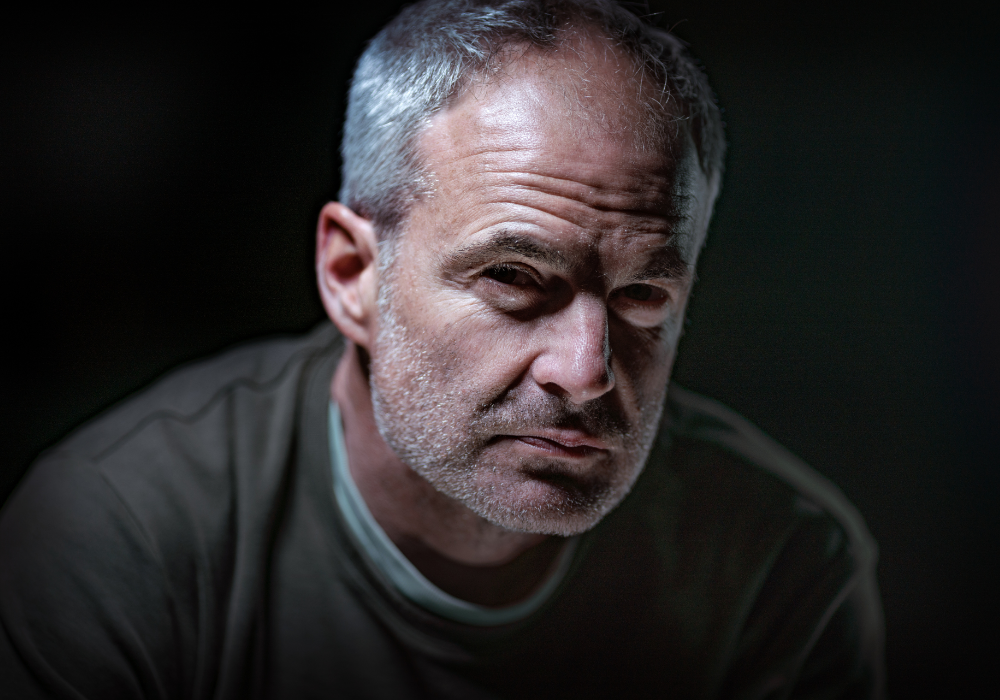
There’s a silent kind of suffering a lot of middle-aged men carry—but barely talk about. It doesn’t always show up in obvious ways. Sometimes it looks like tired eyes, short tempers, or a sudden disinterest in everything they used to enjoy. Other times, it’s hidden behind jokes, distractions, or workaholic habits that seem productive on the surface. For years, men have been expected to hold it all together, be the strong one, the provider, the fixer. Admitting they’re struggling often feels like failure, so they don’t.

They push through, stay quiet, and hope it passes. But the pressure builds—and it’s crushing more men than anyone realizes. Just because someone looks fine doesn’t mean they are. Middle age isn’t just a phase of life. For many men, it’s a slow unraveling that happens in silence. And unless we start naming it, that silence will keep doing damage no one sees coming.

Read more

Republicans vs. the Planet? 12 Reasons the Right Can’t Budge on Climate Denial

Climate denial isn’t just ignorance—it’s identity, money, and power wrapped together.

©Image license via Canva

It’s wild that climate change is still a political debate in 2025. The science has been solid for decades, the evidence is everywhere, and yet a big chunk of the political right still refuses to acknowledge the crisis—or does everything possible to downplay it. It’s not just about disbelief anymore. It’s about identity, loyalty, and systems that reward denial over change. For a lot of Republicans, shifting their stance would mean admitting they were wrong, challenging powerful allies, or stepping outside the party line—and that’s a hard sell.

This isn’t just frustrating for people who care about the planet. It’s dangerous. Every year of delay means more heat, more fires, more floods, and more lives upended. If you’ve ever wondered why so many on the right still won’t budge on climate—even as the world burns around them—it’s not just ignorance. It’s deeper than that, and a whole lot more calculated.

Read more

How Wellness Brands Co-Opt Community—12 Red Flags to Spot

Connection shouldn’t come with a price tag or a product pitch.

©Image license via Canva

It starts with good vibes and group chats. Maybe it’s a retreat, a digital circle, or a glowing Instagram post promising “healing in community.” But look a little closer, and suddenly that safe space feels more like a sales funnel. Wellness brands are increasingly packaging connection—and they’re charging for it. The result? A version of community that looks supportive on the outside but is designed to sell you something on the inside.

We all crave belonging, especially when life gets overwhelming. And these brands know it. They speak the language of care and authenticity, but often deliver curated sameness and subtle pressure to buy in—literally. That’s not to say every wellness space is a scam. But it’s worth knowing when community is being used as a marketing tactic, not a meaningful connection. These red flags will help you spot the difference.

Read more

Your Food Is Traveling Further Than You Think—10 Shocking Supply Chain Truths

That “local” label might be more global than you realize.

©Image license via Canva

You pick up a tomato at the store and think, “Nice, fresh, local.” But what if that tomato actually took a cross-country—or cross-continental—trip before landing in your cart? Most of us don’t think about where our food comes from beyond the store shelf, but behind every bite is a complex supply chain filled with unexpected detours. From refrigerated cargo ships to massive distribution hubs, your groceries have logged more miles than most people take on vacation.

It’s not just about distance—it’s about emissions, delays, labor, and hidden costs. Even food grown nearby might be packaged, processed, or stored far away before making its way back to you. The food system was built for efficiency, not transparency. Once you start tracing the journey, it becomes clear that what looks simple is anything but.

Read more

13 Ways Climate Change Is Pushing Animals Into New, Risky Territory

When ecosystems shift, survival becomes a dangerous guessing game.

©Image license via Canva

Animals don’t get weather alerts. They can’t check the forecast or make backup plans. When temperatures rise, forests burn, or oceans warm, they do the only thing they can: move. But that movement—once a seasonal rhythm—is turning into a frantic scramble for survival. Species are shifting their ranges in real time, chasing food, water, or livable conditions, even if it means crossing highways, creeping into cities, or ending up in territory they’ve never encountered before.

It’s not just about migration—it’s about disorientation. Entire food webs are unraveling. Predators and prey are colliding in unfamiliar places. Disease is spreading in ways it didn’t used to. And humans? We’re right in the middle of it. Climate change isn’t just altering weather—it’s rearranging where animals live, hunt, and breed. What we’re witnessing is a planet in flux, and the wild creatures we share it with are being forced to improvise.

Read more

What You Lose When Everything Goes Digital—11 Things We Miss About Analog Life

We got more speed, but lost more soul than we realized.

©Image license via Canva

Everything now fits on a screen. Your bookshelf? It’s an app. Your camera? Also an app. Even friendships, music collections, and daily routines have been shrunk into pixels and notifications. There’s no doubt tech makes life faster, more efficient, and in many ways, easier. But somewhere in that transition, we traded away things we didn’t realize we’d miss—until they were gone.

Analog life had a texture. A slowness. A sense of presence that’s harder to come by in a world buzzing with alerts and updates. It wasn’t perfect, but it was tangible. You could hold it, rewind it, hear the static, feel the weight. Now that we live through screens, a lot of the analog world feels like a dream we woke up from. But the truth is, some of that old reality might’ve been more real than what we’ve replaced it with.

Read more