Your Summer Plans Might Be in Danger—12 Places Heatwaves Are Already Changing Travel

Tourists are fainting, flights are grounding, and the forecast keeps getting worse.

©Image license via Canva

Summer vacations aren’t what they used to be. Sure, the tickets are booked and the bags are packed—but the weather’s getting wilder, and a lot of your favorite destinations are starting to feel more like danger zones than dream getaways. We’re not just talking about a hot day at the beach. We’re talking about record-breaking heatwaves, scorched runways, closed attractions, and air quality warnings that force you indoors.

This isn’t future talk—it’s happening right now. Cities are cancelling festivals, tourists are being treated for heat exhaustion, and some places are warning visitors to stay away entirely during peak hours. Climate change isn’t just shifting the seasons—it’s starting to mess with how and where we travel. These 12 destinations are already showing the cracks, and if you’re planning a trip this year, you’ll want to know what you’re walking into before you arrive.


Read more

10 Solid Reasons the Greenhouse Effect Is More Than Just Hot Air

It’s not politics—it’s physics, and the numbers don’t lie.

©Image license via Canva

People love to argue about climate change like it’s still up for debate—but the greenhouse effect isn’t a political opinion. It’s a physical process we’ve understood for over a hundred years. Sunlight hits the Earth, some of it bounces back toward space, and certain gases trap that outgoing heat like a giant atmospheric blanket. That’s not speculation—it’s measurable, proven, and happening right now.

And yet, the internet’s full of hot takes calling it a hoax. So let’s cut through the noise. We’re not talking vibes or forecasts—we’re talking hard evidence. Satellites, thermometers, ice cores, ocean sensors. The science isn’t subtle—it’s screaming. If you’ve ever heard someone brush it off as “natural,” or claim Earth’s just “doing its thing,” this list is for you. Because the planet isn’t just warming—it’s reacting. And the signs couldn’t be clearer.

Read more

AI Claims to Solve Climate Change—Here Are 12 Reasons to Be Skeptical

Big promises, bigger emissions, and no accountability in sight.

©Image license via Canva

AI is having a moment. Headlines are buzzing with promises that machine learning will fix everything—from traffic to healthcare to, yes, climate change. It sounds great on paper: algorithms that optimize energy use, predict extreme weather, and design cleaner infrastructure. But here’s the catch—those same systems require massive data centers, gulp energy like there’s no tomorrow, and are mostly built by companies with a history of greenwashing.

For every flashy claim about AI “saving the planet,” there’s a hard truth hiding behind the code. The carbon footprint of training just one large model can rival the lifetime emissions of multiple cars. And while the tech world pitches AI as the solution, it rarely talks about the cost. Climate change isn’t a puzzle you solve with software—it’s a crisis that demands structural change. These twelve warnings explain why trusting AI to clean up the mess might only make it worse.

Read more

Are Scientists Lying About Climate Change? 11 Reasons the Data Speaks for Itself

If this is a hoax, nature didn’t get the memo.

©Image license via iStock

Every time climate change comes up, someone throws out the same tired line: “But what if it’s all just made up?” Here’s the thing—it’s not. And you don’t need a lab coat to figure that out. The signs are everywhere. The ice is melting. The oceans are heating up. Weather patterns are getting weird, and records are breaking left and right. If this is some grand lie, then it’s one the entire planet is in on.

Scientists aren’t huddled in a smoky room plotting a conspiracy. They’re measuring, tracking, documenting, and publishing—and the data is loud. You don’t have to believe every headline, but you can’t ignore the signals coming straight from nature, satellites, and thermometers. The truth doesn’t need spin. It just needs a closer look.

Read more

12 Daily Affirmations That Will Completely Shift Your Mindset

Your mindset shapes everything, and these affirmations flip the script.

©Image license via Canva

Some days you wake up ready to conquer the world. Other days… not so much. That’s where affirmations come in. They’re more than just feel-good phrases—they’re tools for mental reprogramming. Repeating the right words consistently can shift how you think, how you show up, and what you believe about yourself. And no, you don’t have to stand in front of a mirror or chant in candlelight. It’s not about perfection—it’s about repetition.

The words you say to yourself shape the way you move through the world. When that voice becomes kinder, more confident, and less reactive, everything else starts to change too. These affirmations aren’t magic—but they can feel that way once they start sinking in. Say them every morning, whisper them on tough days, write them on sticky notes. However you do it, keep doing it. The more you say them, the more they start to feel like the truth.

Read more

13 Ways to Stay Relevant in Conversations Across Generations

If you can’t connect, you’re not being left behind—you’re just speaking the wrong language.

©Image license via Canva

Talking to people across different generations can feel like trying to translate a language you thought you already spoke. One minute you’re cruising along, the next you’re completely missing each other. It’s not because you’re out of touch—it’s because every generation grew up in a different world, and those worlds shape how they communicate, what they care about, and what they expect from a conversation. Staying relevant doesn’t mean pretending you’re younger (or older) than you are. It means staying curious, adaptable, and open.

If you can drop the urge to judge and focus instead on learning, you’ll find that real connection isn’t just possible—it’s way easier than you think. You don’t need to master every meme or argue every point to stay part of the conversation. You just need to show up willing to bridge the gap instead of widening it.

Read more

From Fashion to Food: The 11 Deadliest Ways Waste Is Ruining Our Future

From landfills to lunch, our habits are poisoning the future one decision at a time.

©Image license via Canva

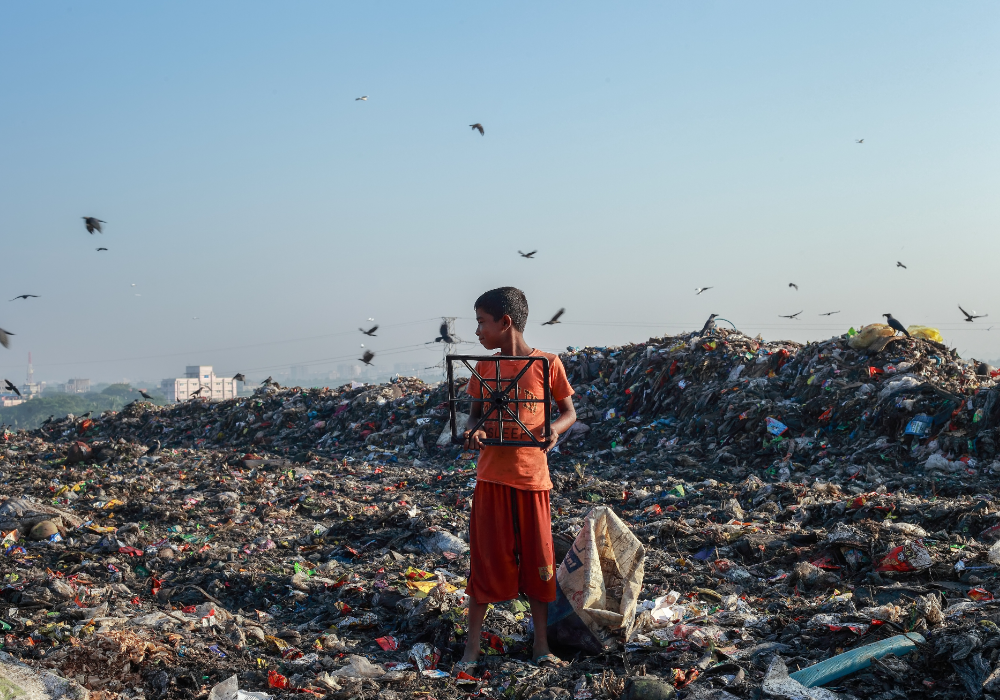
Waste isn’t just gross or inconvenient—it’s quietly becoming one of the deadliest problems of our time. Every day, we throw things “away,” but away isn’t some magical place where it disappears. It’s landfills leaching into groundwater. It’s plastic choking marine life. It’s greenhouse gases rising from trash heaps. And it’s not just coming from one place—it’s coming from everywhere, all at once. Food, fashion, tech, packaging, fast furniture. Our entire system is built on using more and throwing it away faster.

We like to think our individual habits don’t matter, but the system counts on that mindset. It thrives on convenience and denial, while the damage keeps building. Waste isn’t just an environmental issue—it’s a full-spectrum crisis hitting our health, our climate, our economy, and our future. The most dangerous part is how normal it’s all started to feel.

Read more

The Coral Reef Apocalypse: 10 Reasons What’s Coming Should Terrify You

These underwater die-offs are a red flag for the entire planet.

©Image license via Canva

Coral reefs aren’t just pretty underwater backdrops—they’re vital ecosystems holding up life as we know it. And they’re dying, fast. From mass bleaching events to acidifying oceans, reefs around the globe are turning ghost-white, collapsing under the pressure of a world that’s getting hotter, dirtier, and more unpredictable by the day. Scientists have been warning us for years, but the headlines still treat coral loss like a niche issue. It’s not. It’s a massive, flashing warning sign that the planet is unraveling in real time.

And if you think this doesn’t affect you just because you don’t live near the ocean, think again. Coral reefs support fish populations, coastal protection, tourism, food security, and medicine. When they go, the ripple effect hits every corner of the globe. What’s happening underwater isn’t just a tragedy—it’s a full-blown emergency, and these 10 terrifying reasons explain why.

Read more

10 Wellness Trends That Thrive on Your Insecurity

The “solutions” they’re pushing are just new ways to make you doubt yourself.

©Image license via Canva

It’s wild how wellness, a word that’s supposed to mean “taking care of yourself,” has turned into another way to feel like you’re never doing enough. Everywhere you look, there’s a new magic solution promising to fix problems you didn’t even know you had. It’s not about feeling good anymore—it’s about chasing perfection you’ll never reach. The truth is, a lot of today’s wellness trends aren’t designed to empower you. They’re designed to keep you buying, stressing, and second-guessing yourself forever.

They poke at your insecurities, whisper that you’re falling behind, and then conveniently sell you a “cure.” But once you see the pattern, you can finally stop playing their game. Not everything that’s labeled “healthy” or “transformative” is actually good for you—or even necessary. Let’s call out the biggest offenders and talk about what’s really going on behind the scenes before you waste another dollar or another ounce of self-confidence.

Read more

12 Signs Your ‘Sustainable’ Purchases Are Still Hurting the Planet

Greenwashing is making you feel good while the damage keeps piling up.

©Image license via Canva

Everyone wants to feel like they’re making better choices these days. Slap a “sustainable” or “eco-friendly” sticker on something, and it’s easy to think you’re doing your part to save the planet. But here’s the hard truth: a lot of what’s being sold as sustainable is still fueling the same old environmental problems. It just has prettier packaging and a guilt-free vibe that makes you feel better while you swipe your card.

The companies know exactly what they’re doing. They’re banking on the fact that you’ll see the word “green” or “ethical” and stop asking questions. But buying something “better” is not the same as buying responsibly—and sometimes, it’s just another excuse to sell you more. Once you learn to spot the signs, you’ll see that real sustainability isn’t about how products are marketed. It’s about how thoughtfully you actually consume.

Read more