13 Things That Were Marketed as “Reusable” But Rarely Survive the Month

You bought them to save money and waste—now they’re cluttering your trash can.
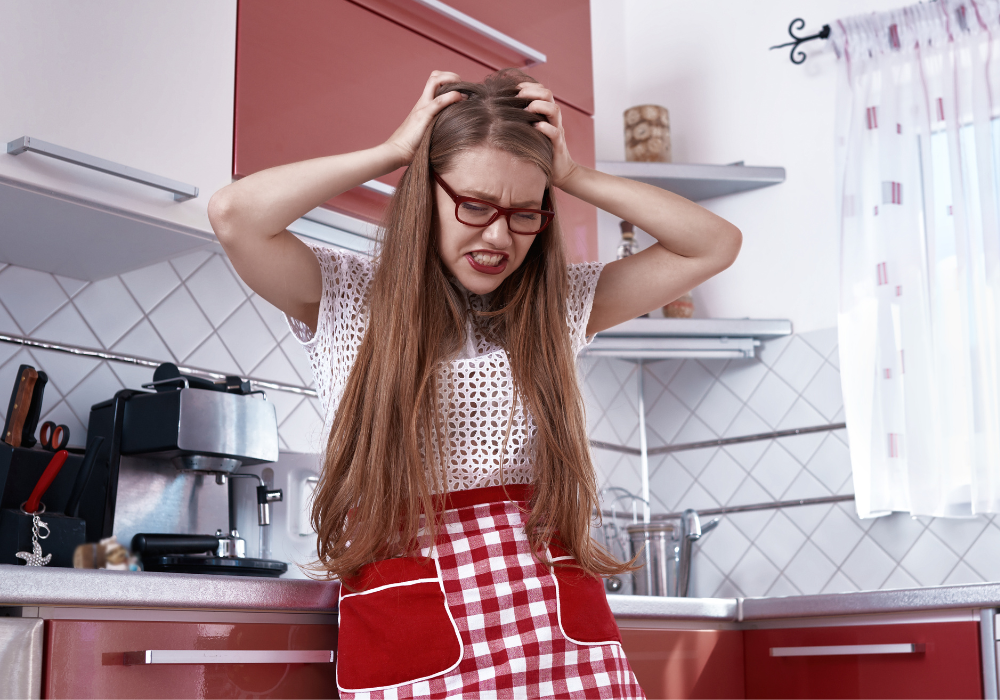
©Image license via Canva

You jumped on the reusable bandwagon—shopping with good intentions and a hopeful heart. Save money? Help the planet? It sounded like a no-brainer. But now your kitchen drawer is stuffed with warped silicone lids, broken “eco” scrubbers, and mystery lids that no longer fit anything. The truth is, not all reusable products are created equal. Some of them are just overhyped plastic with a green label slapped on. Others sound genius in theory but fail miserably in real life. If you’ve ever wondered why your sustainable stash seems short-lived, you’re not alone. Here are the worst offenders that rarely go the distance.
Read more

The Western U.S. Is Facing Its Worst Drought in 1,200 Years—Here’s What That Means

Climate scientists say the megadrought is no longer a future threat—it’s already here.

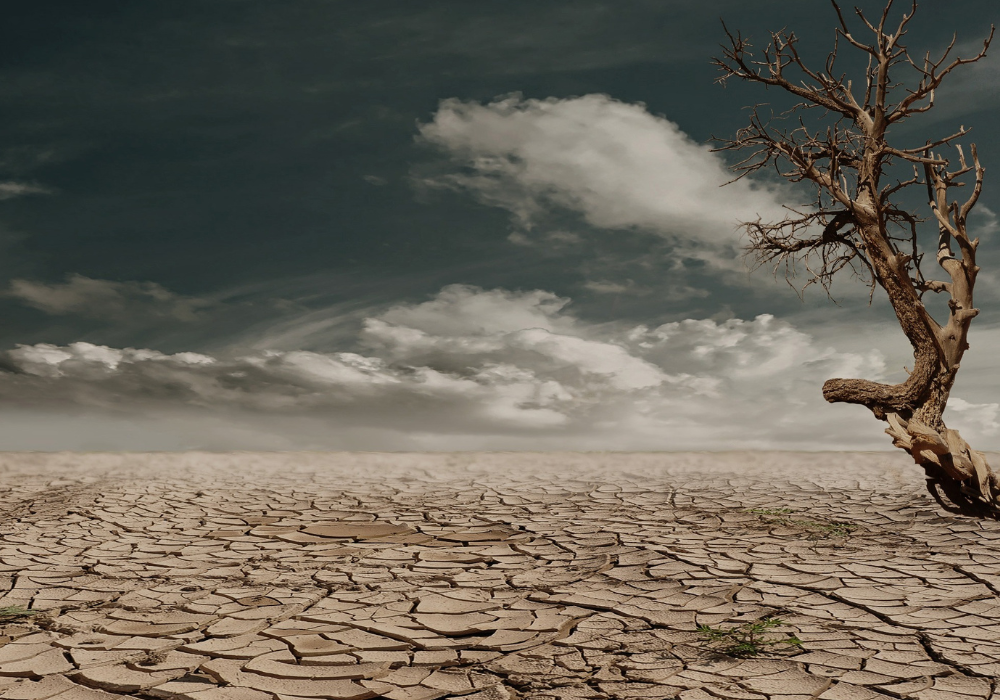
Parched landscape due to drought. ©Image license via Canva

The American West isn’t just parched—it’s in the grip of a historic megadrought that scientists now say is the worst in over 1,200 years. Recent studies using tree-ring and sediment data confirm that this extreme dry spell eclipses even the most severe droughts dating back to 800 A.D. What’s making it worse? Human-driven climate change. The natural climate cycle has been pushed into dangerous new territory, where water scarcity is no longer a seasonal problem but a permanent feature of life in the region. From agriculture to daily life, the ripple effects are already here—and they’re only intensifying.

Read more

Experts Warn Not to Burn These 9 Things in Your Fireplace or Fire Pit—Most People Do

Think twice before tossing these things in the fire—they could poison your air and damage your lungs.

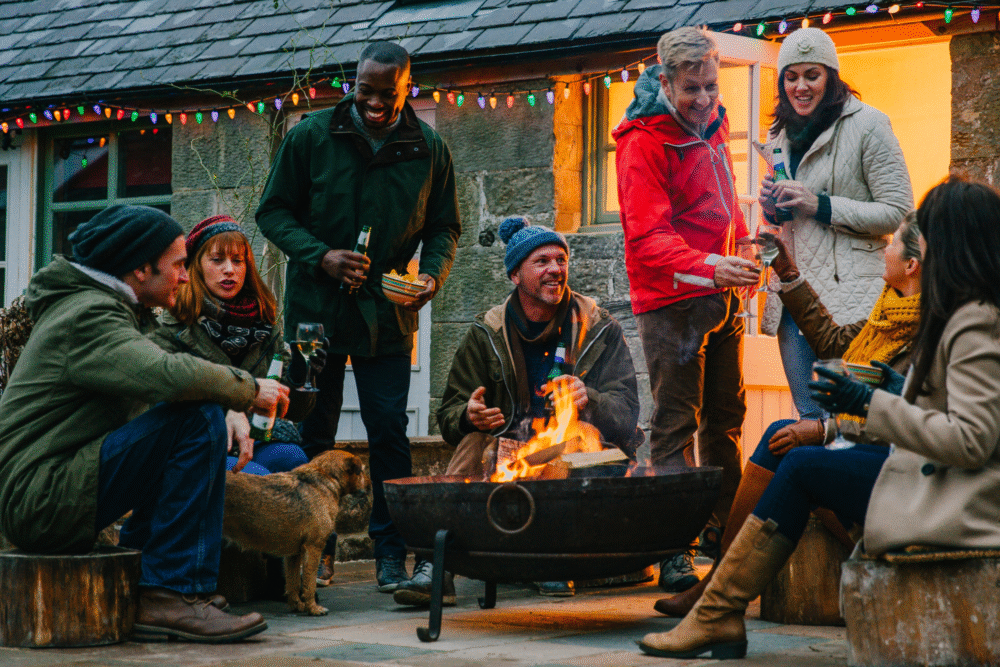
Friends sitting around fire pit. ©Image license via Canva

Lighting up a fireplace or backyard fire pit feels like pure comfort—until you realize what’s actually going up in flames. Most people think if it burns, it’s fair game. But experts are waving red flags over what we’re casually tossing into the fire. From old magazines to pressure-treated wood, the smoke you’re breathing in could be laced with toxins you’d never knowingly inhale. It’s not just bad for your health—it’s rough on your chimney, bad for the environment, and dangerous for kids and pets nearby.

Read more

As Climate Risks Rise, These 12 States Are Falling Out of Favor Fast

You won’t believe which states are suddenly climate cast-offs.

©Image license via iStock

As climate risks skyrocket, some states are quietly slipping off people’s “forever home” lists. Rising temperatures, chronic droughts, worsening storms, and sea level creep are turning once-popular places into liability zones. And it’s not just about dramatic disasters. It’s the slow grind of extreme heat, worsening air quality, or the unsettling reality that your home might be uninsurable in a few years. People are starting to notice. Families are reconsidering relocations. Investors are pulling out. And the states hit hardest? They’re watching their reputations—and their populations—change fast.

Read more

12 Signs You’re More in Love With the Idea of Love Than With Your Partner

These subtle red flags reveal you’re clinging to love itself—not the person beside you.

©Image license via iStock

Falling in love feels amazing—until you realize you might be more into the feeling than the actual person. It’s easy to get swept up in the excitement of romance, especially when movies, books, and social media keep feeding you the fantasy. You imagine grand gestures, deep conversations, perfect chemistry—but sometimes, reality doesn’t match the dream. And instead of facing that truth, you cling harder to the idea of love.

Read more

The End of Snow? 12 Things That Means for Water, Wildlife, and Winter Fun

What looks like a mild winter could be the beginning of something devastating.

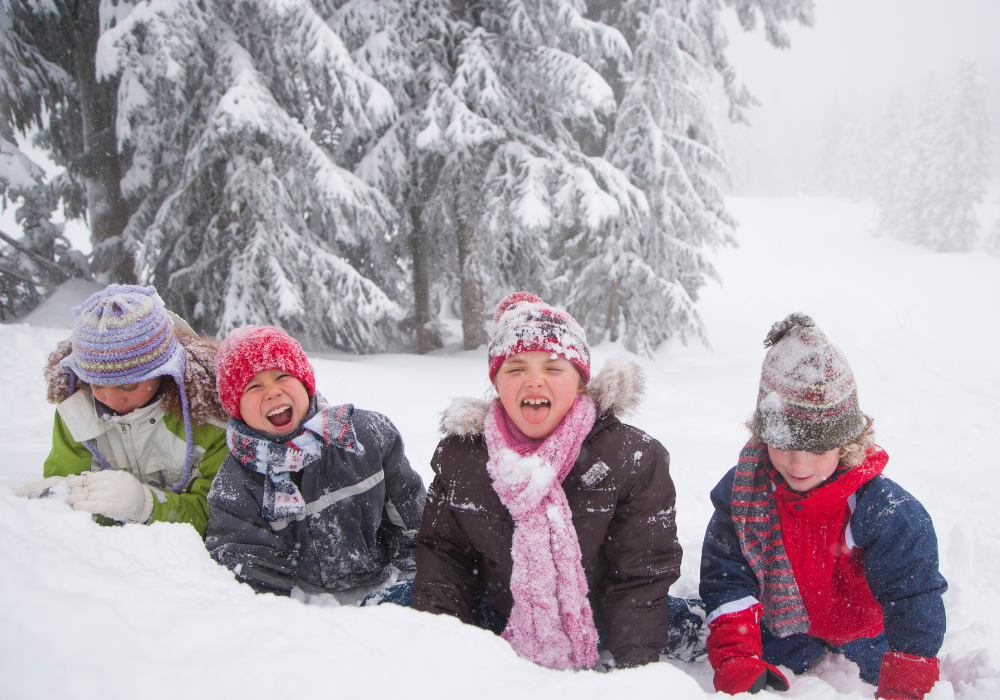
Children playing in the snow. ©Image license via Canva

Snow isn’t just pretty—it’s essential. But in many places, it’s quietly disappearing, and the consequences are stacking up fast. Winters are getting warmer, snowpacks are shrinking, and the flurries that once blanketed landscapes for months are melting away sooner than ever. That might sound like an inconvenience for ski lovers, but the ripple effects go far beyond the slopes.

Snow is nature’s water savings account, slowly releasing moisture into rivers, farms, forests, and reservoirs. Without it, entire ecosystems and industries are thrown off balance. From thirsty towns to struggling species, the end of snow changes everything.

And while it’s tempting to think we’ve just traded shovels for jackets, the reality is much more serious. Here are 12 ways our lives and environment are being reshaped as snow becomes a fading memory instead of a seasonal guarantee.

Read more

The Trauma You Forgot Is Still Showing Up—Here Are 10 Clues

You think you’ve moved on, but your body and mind remember everything.

©Image license via Canva

It’s easy to think the past is behind you just because you don’t consciously think about it anymore. But trauma doesn’t always announce itself with big, obvious signs. Sometimes it’s subtle—woven into your daily reactions, habits, and even the way you hold your body. You might feel like you’re “over it,” but your nervous system, relationships, and energy levels might be telling a very different story.

Trauma isn’t just about dramatic events; it can also come from ongoing stress, neglect, or tiny repeated hurts that pile up over time. Noticing these hidden clues isn’t about blaming yourself—it’s about finally understanding what’s really running in the background. Once you spot these patterns, you can start moving toward true healing instead of just coping. Here are 10 sneaky ways old trauma might still be calling the shots in your life.

Read more

Unlearn These 11 Kitchen Habits If You Want to Eat Sustainably

Even eco-conscious foodies are guilty of these everyday kitchen mistakes.

Woman eating healthy foods. ©Image license via Canva

You might think you’re doing your part—buying organic, skipping meat now and then, maybe even composting. But sustainable eating doesn’t stop at what you buy. It sneaks into how you cook, store, prep, and clean up in the kitchen.

And chances are, you’ve picked up some habits over the years that clash with your eco-friendly goals without you even realizing it. Don’t beat yourself up—most of us learned to cook long before sustainability was part of the conversation.

But if you’re serious about shrinking your food waste, cutting energy use, and making better choices for the planet, it’s time to unlearn a few things. The good news? You don’t have to overhaul your life. These small kitchen shifts add up fast—and your meals won’t suffer in the process. In fact, they might even get better.

Read more

Can a Hoarder Become a Minimalist? These 11 Mindset Changes Say Yes

Experts say breaking free from clutter is more mental than physical—and here’s proof.

Woman decluttering clothes. ©Image license via Canva

Going from hoarding to minimalism might sound like jumping from one extreme to another—but it’s more possible than you think. It doesn’t start with a trash bag or a storage unit. It starts with your mindset. Hoarding isn’t just about stuff—it’s about fear, comfort, identity, and control. And shifting those deep-rooted beliefs takes time, patience, and a whole lot of self-compassion. But here’s the good news: change is absolutely possible.

You don’t have to become a hyper-organized minimalist overnight. You just need to start thinking differently about what you keep and why. These mindset changes can help anyone stuck in the clutter shift toward a life with more clarity, peace, and freedom—without losing who they are in the process.

Read more

Why I Gave Up Recycling (And Maybe You Should Too)

Turns out, tossing everything in the blue bin might be doing more harm than good.

©Image license via Canva

I used to rinse every yogurt cup, break down every box, and sort plastics like it was my part-time job. Recycling felt like the least I could do to help the planet. But the more I learned, the less sense it made. So much of what we toss in the bin never actually gets recycled—it ends up in landfills, incinerators, or shipped across the world.

The system is broken, confusing, and often more about making us feel good than making a difference. Giving it up felt weird at first, but it’s been eye-opening. If you’ve ever wondered whether your efforts are worth it, you’re not alone. What you’ll discover might just change the way you think about “going green.”

Read more