10 Reasons ‘Regenerative Travel’ Is the Smartest Way to Vacation

Why conscious travelers are ditching luxury resorts for purpose-filled escapes.
©Image license via Canva

Travel isn’t just about escaping your routine anymore—it’s about engaging with the world in a more thoughtful, impactful way. Enter regenerative travel, a growing movement that goes beyond “sustainable tourism.” Instead of merely minimizing harm, it aims to leave places better than we found them—ecologically, culturally, and economically.

From restoring coral reefs to empowering Indigenous communities, regenerative travelers are part of a rising shift that redefines what it means to be a responsible guest. Whether you’re globe-trotting or staycationing, here are 10 reasons regenerative travel isn’t just ethical—it’s the smartest way to explore the world today.

Read more

11 Small Shifts That Can Pull You Out of Hopelessness—Even on Your Worst Days

When it feels like the world’s falling apart, these tiny changes can make all the difference.

©Image license via Canva

Hopelessness has become an all-too-common undercurrent in modern life. Between worsening climate change, political division, the relentless rise in housing costs, and global instability, it’s no wonder so many people feel like they’re drowning in despair.

The problems seem too big, too out of our control, and too deeply embedded in the systems we rely on. But even in the darkest moments, small shifts in mindset, behavior, or environment can create surprising openings for relief.

These aren’t magic fixes—but they’re powerful reminders that change starts close to home, sometimes just one decision or one hour at a time. If you’re feeling stuck, numb, or like nothing you do matters, it might be time to try one of these simple but transformative practices.

Read more

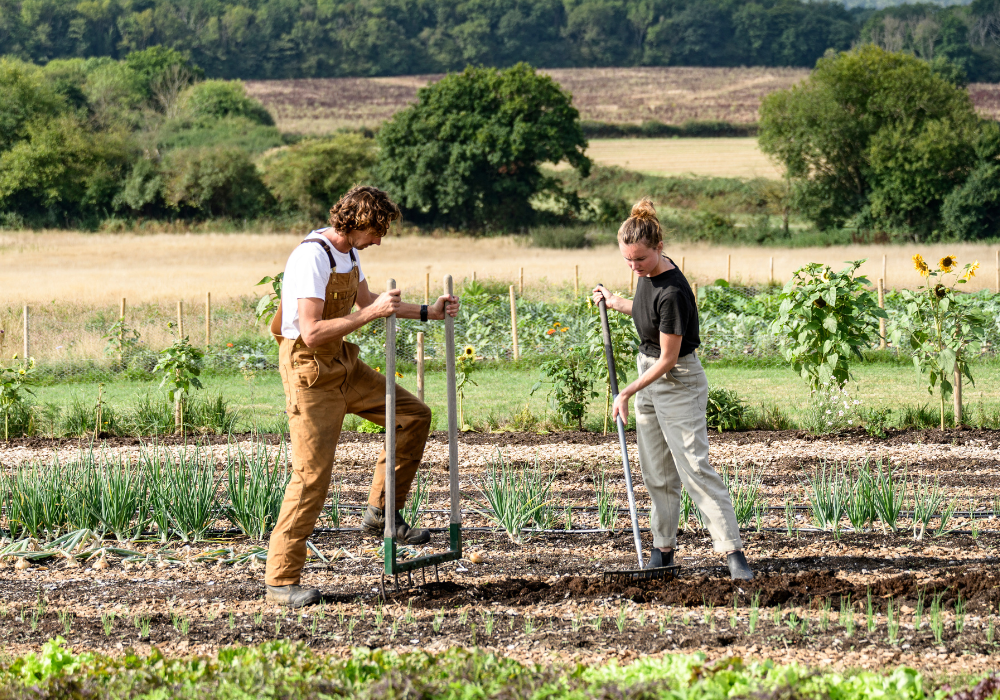
Climate Change Is Making Your Food Less Nutritious—Here’s What Scientists Are Doing About It

Rising CO₂ levels aren’t just warming the planet—they’re sapping nutrients from your plate.

©Image license via Canva

As climate change continues to disrupt ecosystems and weather patterns, scientists are uncovering a troubling ripple effect that hits much closer to home: your food may be losing its nutritional value.

A growing body of research shows that rising carbon dioxide levels in the atmosphere can alter the way crops grow, diluting their concentrations of essential nutrients like zinc, iron, and protein. This means even a healthy-looking meal might not nourish you as well as it once did. The implications are enormous—especially for communities that rely heavily on staple crops.

From rice to wheat to legumes, our global food supply is under silent attack. Fortunately, scientists around the world are working to understand the problem and explore solutions, from advanced crop breeding to soil innovations. The race is on to ensure future generations don’t suffer from a hidden hunger.

Read more

11 Things Emotionally Intelligent People Say After They’ve Hurt Someone They Love

Apologies aren’t enough—these phrases show emotional responsibility and real growth.

©Image license via Canva

Even the most caring people sometimes hurt those closest to them. But what sets emotionally intelligent individuals apart is how they respond afterward. They don’t default to excuses, denial, or empty apologies. Instead, they lean into self-awareness, accountability, and empathy. They know that words have weight—and that healing begins with what they choose to say next.

These are the people who value connection over ego, and repair over pride. When love has been bruised, they use language that softens pain, rebuilds trust, and opens the door to forgiveness.

Read more

12 Ways Your Gut Could Be the Secret to Preventing Chronic Illness

From heart disease to depression, your gut may hold the key to staying healthy longer.

©Image license via Canva

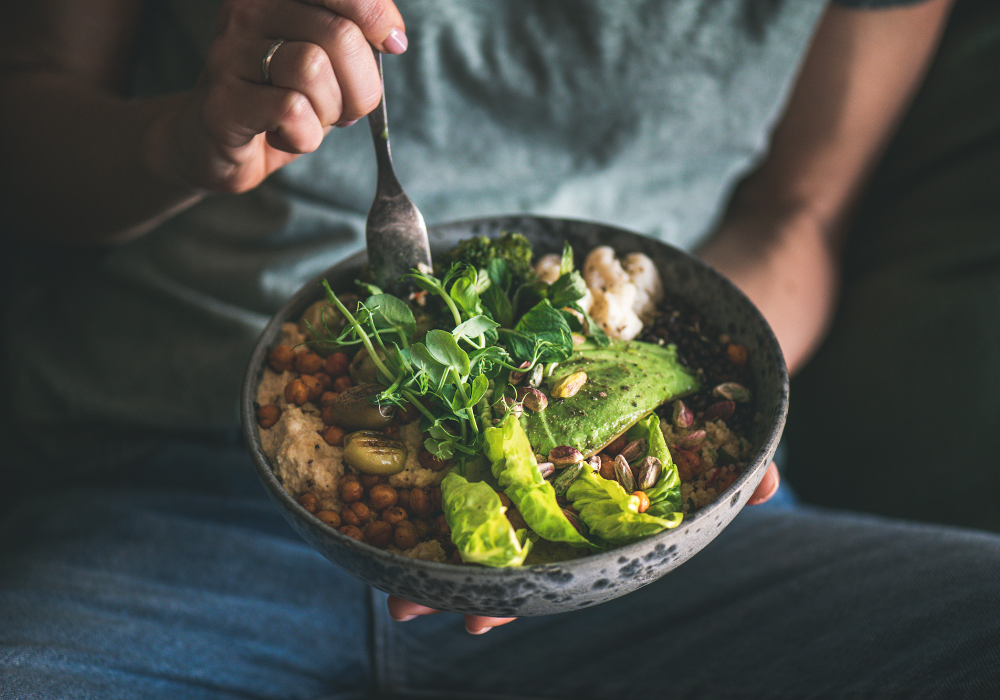
It’s easy to overlook the gut as just a digestive workhorse, but science now says it’s so much more. Your gut is home to trillions of microbes that influence nearly every system in your body—from your brain and immune system to your hormones and heart.

This thriving ecosystem, known as the gut microbiome, may hold the key to fighting off chronic diseases before they ever take hold. From autoimmune disorders to diabetes and even mental health issues, the gut plays a quiet but powerful role. These 12 science-backed connections reveal just how vital your gut truly is.

Read more

America’s Coal Addiction Has Consequences—These 10 Should Scare Us

What fuels our power plants is quietly fueling a public health and climate crisis.

©Image license via Canva

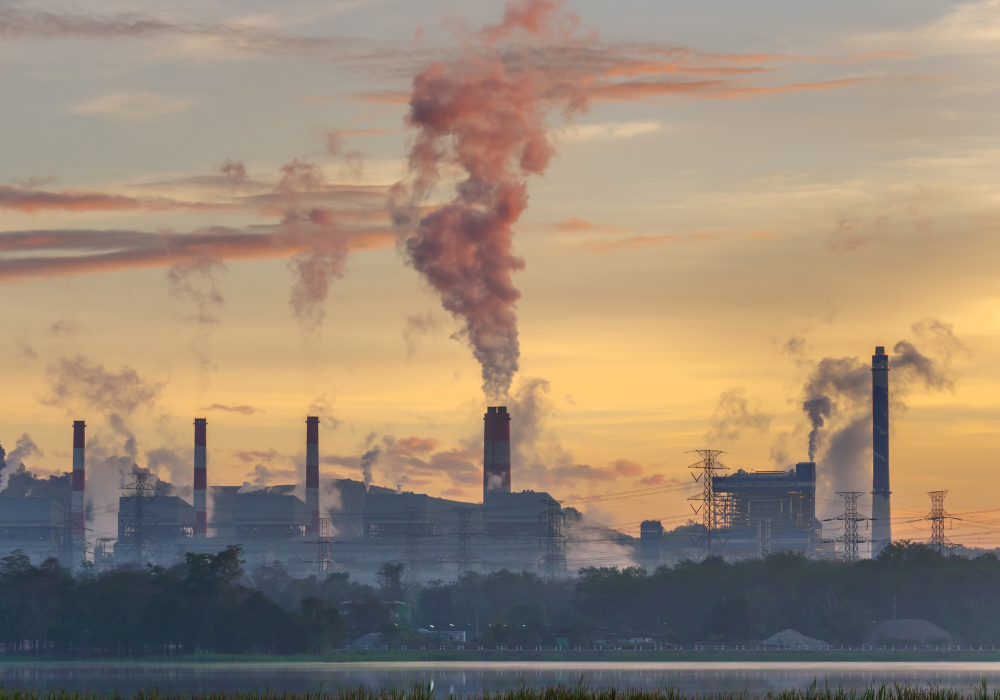
America’s long-standing reliance on coal isn’t just an outdated energy strategy—it’s a dangerous habit with devastating consequences. While coal still powers roughly 20% of the nation’s electricity, it comes at a staggering cost to public health, the environment, and our future.

From polluted air and poisoned water to climate disruption and community sacrifice zones, the toll is far greater than most people realize. As cleaner, cheaper energy alternatives surge ahead, our addiction to coal drags us backward. These are not distant problems—they’re unfolding now. Here are 10 frightening consequences of America’s coal addiction that should wake us up.

Read more

Outdated Flood Maps Are Failing Homeowners—10 Smart Ways to Know Your Real Risk

With climate change accelerating, yesterday’s maps can’t predict tomorrow’s floods.

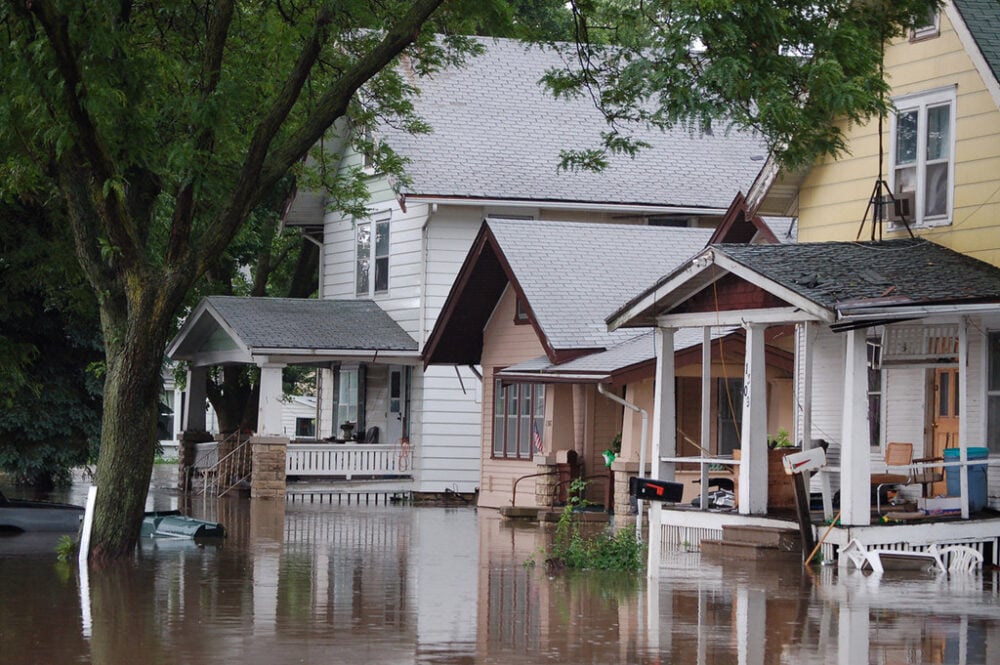
Flooded homes. ©Image license via Flickr

You may think you’re in the clear because FEMA’s flood map shows your home in a “low-risk” zone—but that map could be dangerously outdated. Across the U.S., millions of homeowners are relying on flood risk data that hasn’t kept pace with climate change, development, or rising sea levels. These aging maps can give a false sense of security—until the water’s at your doorstep.

Flood insurance, emergency plans, and even property values all hinge on understanding your real risk. If you’re not digging deeper, you may be gambling with your home. Here are 10 smart ways to get the full picture—before it’s too late.

Read more

The American Dream Didn’t Die on Its Own—These 12 Decisions Killed It

Policies that claimed to help the middle class quietly pulled the rug out from under it.

©Image license via Canva

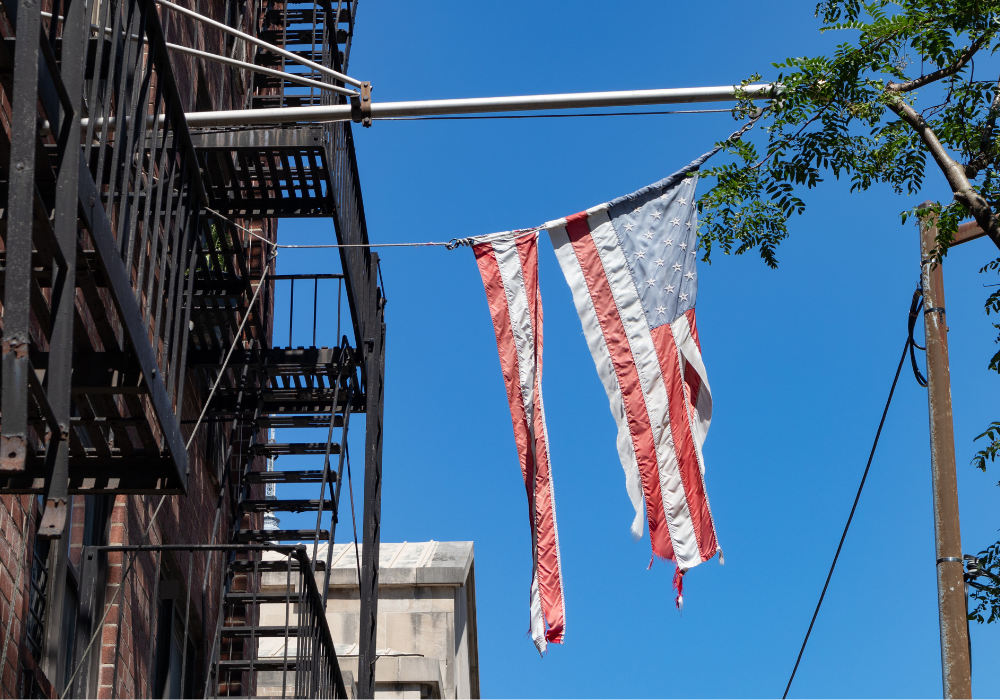
The American Dream was never perfect—but it once stood for something powerful: the belief that with hard work, anyone could achieve a stable, meaningful life. A home. A good job. A decent education. A shot at upward mobility. But that dream didn’t just quietly vanish—it was systematically dismantled. Over decades, a series of policy decisions, corporate strategies, and cultural shifts pulled the ladder up from the middle and working classes, leaving many Americans stuck, exhausted, and disillusioned.

These weren’t isolated mistakes. They were deliberate choices made in boardrooms and backrooms—often justified in the name of “growth” or “freedom.” Today, millions feel the dream slipping out of reach not because of personal failure, but because the system was rigged against them.

Read more

Bracing for the Blistering Heat: Millions Under Alerts as America’s Heat Dome Intensifies

As temperatures skyrocket, power grids, hospitals, and vulnerable communities are being pushed to the brink.

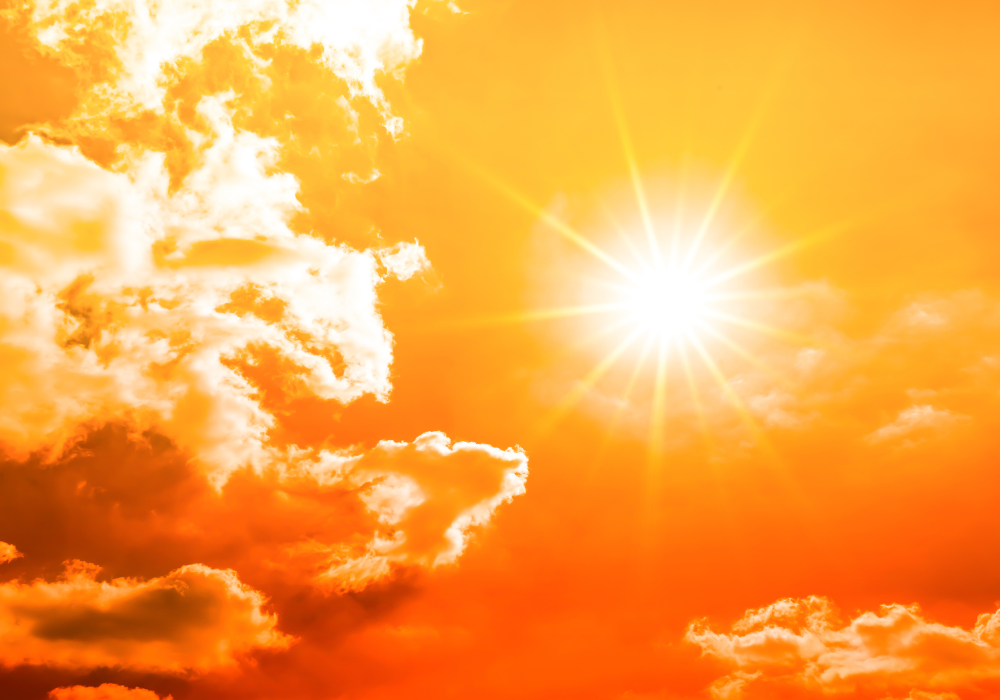
Sun shining through clouds. ©Image license via Canva

America is sweltering under a relentless heat dome that’s blanketing large swaths of the country in dangerous, record-shattering temperatures. From the Southwest to the Midwest, millions are under heat alerts as daytime highs soar past 110°F and nighttime lows offer little relief. This isn’t your typical summer scorch—it’s a climate-fueled furnace testing the limits of infrastructure, energy systems, and human endurance. Emergency rooms are filling up, power grids are under strain, and vulnerable populations face life-threatening risks. As the heat dome expands and intensifies, experts warn that these extreme conditions may become our new normal. Here’s what’s happening—and what’s at stake.

Read more

How Climate Change and Global Trade Are Driving a Silent Extinction Crisis

Your morning coffee and that cargo ship could be pushing animals to the brink.

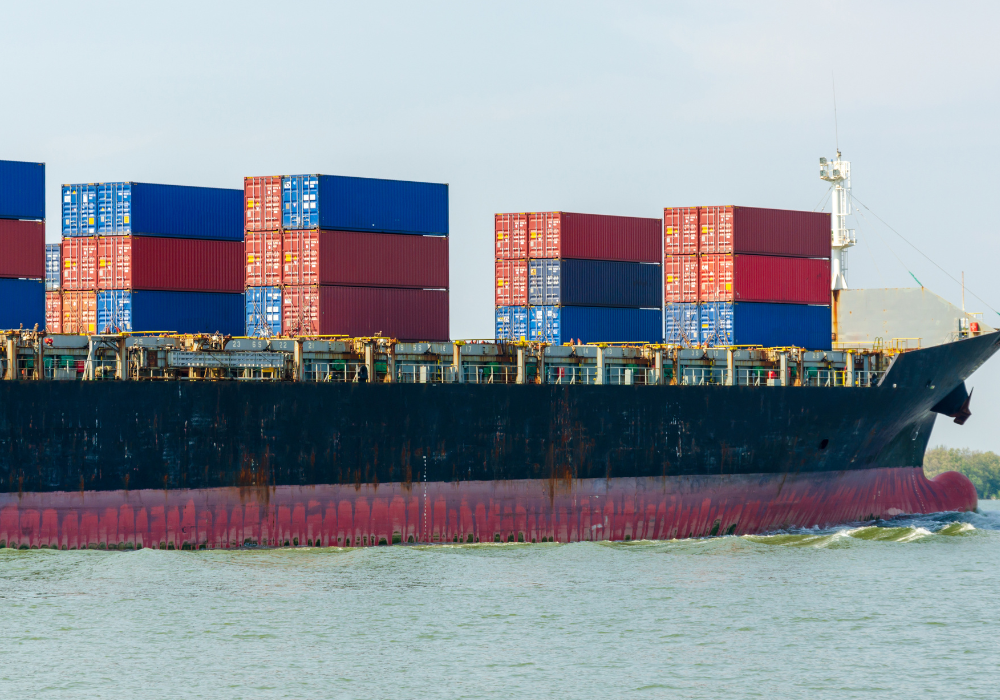
Container cargo ship. ©Image license via Canva

You probably don’t notice it, but the world is getting quieter—literally. Frogs, birds, bees, and thousands of other creatures are vanishing, and it’s not always because of bulldozers or poachers. The real culprits? A warming planet and the relentless pace of global trade. What you buy, how it’s shipped, and where it’s grown all play a part in pushing species closer to the edge.

This isn’t just about “saving the whales”—it’s about the slow collapse of ecosystems we all depend on. The saddest part? It’s happening in plain sight, and most people have no clue. These 11 hidden drivers of extinction are linked to our everyday climate and trade habits—and once you see them, you can’t unsee them.

Read more