Countries Where Becoming a Citizen Is Easier Than Most People Expect

Considering a fresh start? Some countries offer clearer paths to citizenship.

©Image license via Canva

If you’ve been daydreaming about packing your bags and starting fresh somewhere new, you’re not alone. When things at home feel uncertain, the idea of a second passport or permanent escape starts sounding less like a fantasy and more like a lifeline.

But here’s the thing: citizenship rules don’t stay frozen in time. Countries tweak their policies all the time—tightening in some places, relaxing in others. What felt like a fast-track last year might move a little slower today. That doesn’t mean the door is closed.

Plenty of countries still offer realistic, accessible paths to citizenship, especially if you’re willing to build real ties and commit to the process. The rules shift, sure, but opportunities remain. Just keep in mind: immigration laws change often, so it’s worth double-checking the latest updates before you pack your bags.

Click through to discover the countries that say “welcome” to newscomers.

Read more

The Common Struggles Therapists Hear Again and Again

Why so many people bring the same worries, fears, and patterns into therapy.

©Image license via Canva

Ever sat in therapy thinking your problems are uniquely yours, only to have your therapist nod knowingly? You’re far from alone. The same core struggles show up in therapy offices everywhere, just in different words and situations.

We tend to believe our challenges are personal failures, which keeps us suffering in silence. But that executive battling imposter syndrome? They’re dealing with the same fears as a college student. New parents and empty nesters? Both navigating similar relationship struggles.

Our minds work in patterns, no matter our background. Therapists often wish clients could hear each other’s stories because, truthfully, you’d be amazed at how universal these struggles really are.

Click through to see if you recognize any of these struggles.

Read more

Why So Many Young People Are Putting Survival Ahead of Ambition

Aspirations are harder to chase when basic needs dominate daily life.

©Image license via Canva

The future doesn’t look like it used to for young people. Where ambition once burned bright, now there’s a sense of urgency to just get by. Economic instability, a climate crisis, and the pressure to meet basic needs have taken center stage. If you’re not constantly worrying about bills, job insecurity, or survival itself, you’re lucky.

Once upon a time, the world was full of possibilities—college degrees, travel, starting businesses. Now, many kids are just trying to hold it together. They’re watching adults struggle, grappling with student loan debt, and questioning the idea of “success” as they face a world increasingly stacked against them.

Dreams are harder to chase when your mind is focused on the next meal, the rent, or a future that seems more out of reach every day. These signs show how much things have changed.

Click through and learn why young adults are backing off on big ambitions.

Read more

Why Past Generations Lived in Ways That Were Often More Sustainable

How frugality and necessity shaped lower-impact daily living.

©Image license via Canva

Long before single-use everything took over, people lived in ways that naturally aligned with what we now call sustainability. They weren’t trying to be eco-friendly—they just made do with what they had, wasted as little as possible, and stretched every resource out of necessity.

The habits that once seemed ordinary now feel radical in today’s throwaway culture. Fixing things instead of tossing them, growing food close to home, and reusing materials in creative ways weren’t environmental statements—they were just common sense. But as climate concerns grow, these old-school practices are making a comeback.

Looking back at how past generations lived gives us a clear, no-nonsense blueprint for reducing waste and living more sustainably—without waiting on new technology or complicated solutions.

Click through to learn how past generations lived sustainably by necessity.

Read more

The Tiny Pet Peeves That Quietly Wear Down Relationships Over Time

What’s really ruining romance isn’t drama; it’s dishes in the sink.

©Image license via iStock

You don’t need a huge betrayal or some explosive blowout to wreck a relationship. Sometimes, all it takes is the tiniest, dumbest thing. One eye roll too many. A forgotten “thank you.” That annoying throat clear they do every single morning.

You brush it off at first, thinking it’s no big deal. But those little irritations pile up like dust bunnies under a bed—quietly, relentlessly, until they become a mountain of resentment you can’t ignore.

You often don’t even see it coming. Everything seems “fine” until one day it’s not, and you’re sitting there wondering how a happy, loving relationship turned into silent dinners and passive-aggressive jabs. It’s not the storms that sink the ship; it’s the slow, steady leak no one bothered to fix.

Click through to learn the petty, everyday stuff no one wants to admit actually matters.

Read more

How Sea Level Rise Could Reshape Life in These Coastal Cities by 2035

What projections suggest for flooding, infrastructure, and daily life in vulnerable areas.

©Image license via Canva

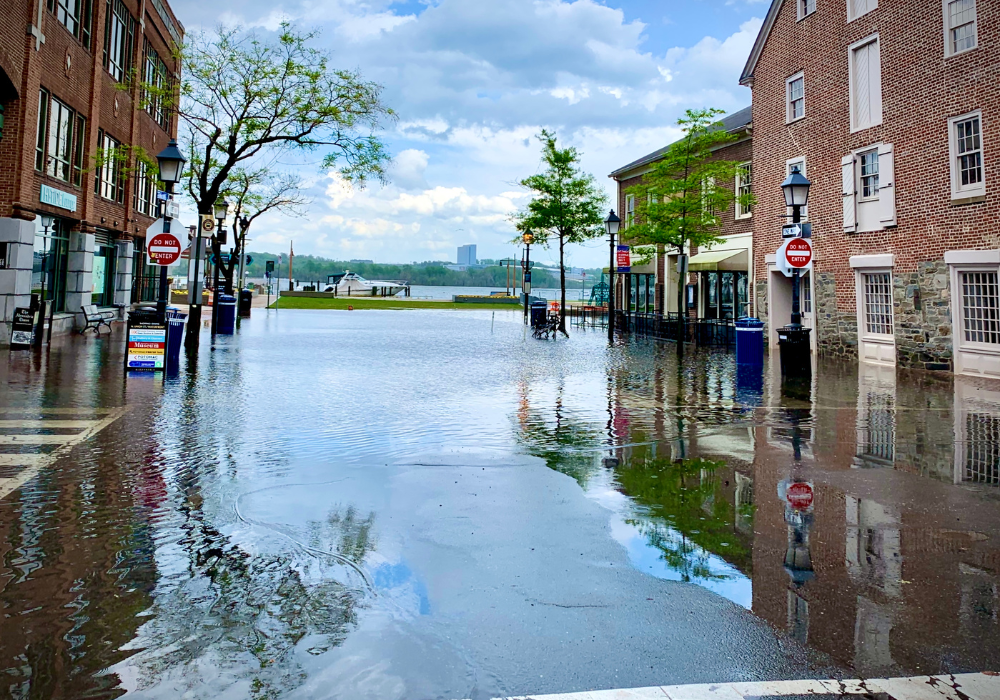
If you live in a coastal city, the ocean is no longer a distant threat: it’s coming for your streets, your home, and your way of life. Sea levels are rising faster than ever, and by 2035, many major cities will face routine flooding, disappearing shorelines, and neighborhoods that may never dry out.

Places that once thought they had decades to prepare are now scrambling as ice sheets melt at an alarming rate. Some cities are fighting back with billion-dollar infrastructure projects, while others are quietly accepting that parts of their coastline will be lost forever.

But for millions of people, the next decade will determine whether they can stay in the communities they’ve always called home—or if the ocean will force them out. These cities are on the frontlines of rising seas, and unless drastic action is taken soon, they may not be recognizable by 2035.

Click through to see if your city is on the list.

Read more

How Climate Shifts Contributed to the Fall of Rome and Why It Matters Today

History warns us what happens when civilizations ignore environmental collapse.

©Image license via Canva

The decline of the Roman Empire wasn’t just about political corruption and invading forces—it was also a climate disaster. Unpredictable weather, prolonged droughts, and crop failures destabilized one of history’s most powerful civilizations, leaving it vulnerable to economic collapse and social unrest.

While climate change wasn’t the only factor, it played a crucial role in the empire’s downfall. Fast forward to today, and the parallels are impossible to ignore. Once again, extreme weather threatens food supplies, economic stability, and global security.

Rising temperatures, water shortages, and resource conflicts mirror the environmental stressors that helped bring Rome to its knees. If history has taught us anything, it’s that ignoring climate shifts comes at a high cost.

Click through to learn how the past is repeating itself.

Read more

Did a Cosmic Impact 13,000 Years Ago Disrupt Early Human Societies?

Scientists say a lost civilization may have fallen to an asteroid 13,000 years ago.

©Image license via Canva

About 13,000 years ago, Earth experienced a dramatic period of change marked by sudden climate shifts, widespread environmental disruption, and the disappearance of some early human cultures. A group of researchers has suggested that a cosmic event, possibly an asteroid or comet impact, may have played a role in triggering those changes.

Their work focuses on evidence found in ancient sediments, unusual impact markers, and signs of abrupt cooling at the end of the last Ice Age. The idea remains debated, but it raises broader questions about how vulnerable human societies can be to sudden natural events. Unlike gradual environmental changes, impacts from space happen quickly and leave little time to respond.

Looking back at these ancient disruptions isn’t about predicting disaster, but about understanding the risks that have shaped life on Earth before — and why scientists continue to study threats from beyond our planet.

Click through to learn about this lost civilization.

Read more

If You Find a Bat in Your House, Health Experts Say You Should Assume a Bite

Because bat bites can go unnoticed, public health guidance treats indoor encounters as urgent.

©Image license via PickPik

Finding a bat inside your home can be unsettling, but public health officials treat these encounters with particular care for a reason. Unlike many other animals, bats can transmit rabies in ways that are easy to miss.

Their bites can be small, painless, and difficult to detect, especially if contact happens at night or while someone is asleep. In some situations, there may be no clear sign that a bite occurred at all. This matters because bats sometimes enter homes without warning, and people often underestimate the medical implications.

Health guidance is designed to prevent worst-case outcomes by addressing risk early, even when certainty isn’t possible. Understanding why experts recommend assuming a bite in specific situations helps people respond calmly, make informed decisions, and protect their health without unnecessary fear.

Click through to discover why a possible bat bite needs to be taken seriously.

Read more

The Real Reasons 1 in 4 Gen Z Adults Are Choosing to Live With Their Parents

Rising rent, job instability, and shifting views of independence are reshaping young adulthood.

©Image license via Planet Sage/Chat GPT

Across the United States, a growing number of young adults are living with their parents longer than previous generations did. Recent Census data shows that about one in four Gen Z adults now live at home, a share that has increased steadily in the years following the pandemic.

This shift is visible in everyday life, quietly changing expectations around independence, adulthood, and financial stability of many families. This trend isn’t driven by a single factor, and it isn’t simply about young people delaying adulthood. Rising housing costs, uneven job security, student debt, and changing cultural norms have all played a role.

For many Gen Z adults, moving back home or staying longer feels like a rational response to real economic pressures rather than a personal failure. Understanding why this is happening helps explain how the path to adulthood itself is evolving.

Click through to learn the whole story about why Gen Z kids are moving back home.

Read more