The Chain Reaction A Panic Attack Triggers Inside Your Body

What’s happening physically when fear takes over without warning.

©Image license via Canva

A panic attack can strike suddenly and overwhelm the body in ways that feel intense and impossible to ignore. People often describe the experience as a medical emergency rather than anxiety: the heart races, breathing feels strained, and the body seems to lose all sense of control.

Mental-health researchers and clinicians, including experts affiliated with Harvard Medical School, emphasize that these sensations are not imagined or exaggerated. They are real physical reactions driven by the brain, hormones, and the nervous system working together.

Understanding what happens inside the body during a panic attack matters because fear often escalates when symptoms feel mysterious or unpredictable. When people don’t know why their body is reacting so intensely, panic can feed on itself and spiral quickly.

Click through to understand the chain reaction that unfolds during a panic attack.

Read more

The World’s Oldest Restaurant Just Turned 300 and It’s Still Serving Dinner in Madrid

It’s been open since 1725, survived wars and pandemics, and still cooks meals the same way today.

©Image license via Wikimedia Commons

In a narrow street near Madrid’s Plaza Mayor, a restaurant has been quietly doing the same thing for three centuries: serving dinner to anyone who walks through its doors. Founded in 1725, Sobrino de Botín is officially recognized as the world’s oldest continuously operating restaurant.

It has outlasted empires, wars, political upheaval, and modern tourism booms without ever closing its kitchen for good. Its survival isn’t just about age, but about consistency.

The restaurant still cooks traditional dishes using methods that predate electricity, refrigeration, and even the concept of modern dining, offering a rare window into how everyday life once tasted.

Click through to learn what life was like when Sobrino de Botín first opened.

Read more

Borderline Personality Disorder Isn’t What Most People Think

The experience looks very different from the stereotypes most people have in mind.

©Image license via Canva

Borderline Personality Disorder, often shortened to BPD, is one of the most misunderstood mental health conditions. Popular portrayals tend to focus on extreme behavior or difficult relationships, leaving out the internal experience that actually defines the disorder.

Clinicians describe BPD as a pattern of intense emotions, unstable self-image, and deep sensitivity to relationships, often rooted in early experiences of instability or trauma. Understanding BPD matters because misconceptions can lead to stigma, misdiagnosis, and delayed care.

Click through to learn what BPD really is, how it develops, and why the lived experience looks very different from common assumptions.

Read more

A Robot Disappeared Under Antarctic Ice. What It Recorded Is Hard to Ignore

The robot drifted unseen for months, and the data it carried back is reshaping how scientists understand Antarctic ice.

©Image license via Planet Sage/Chat GPT

Antarctica’s greatest changes are happening out of sight, beneath thick ice shelves where warm ocean water meets frozen ice. These hidden zones play a major role in how fast glaciers melt, yet they are among the least observed places on Earth.

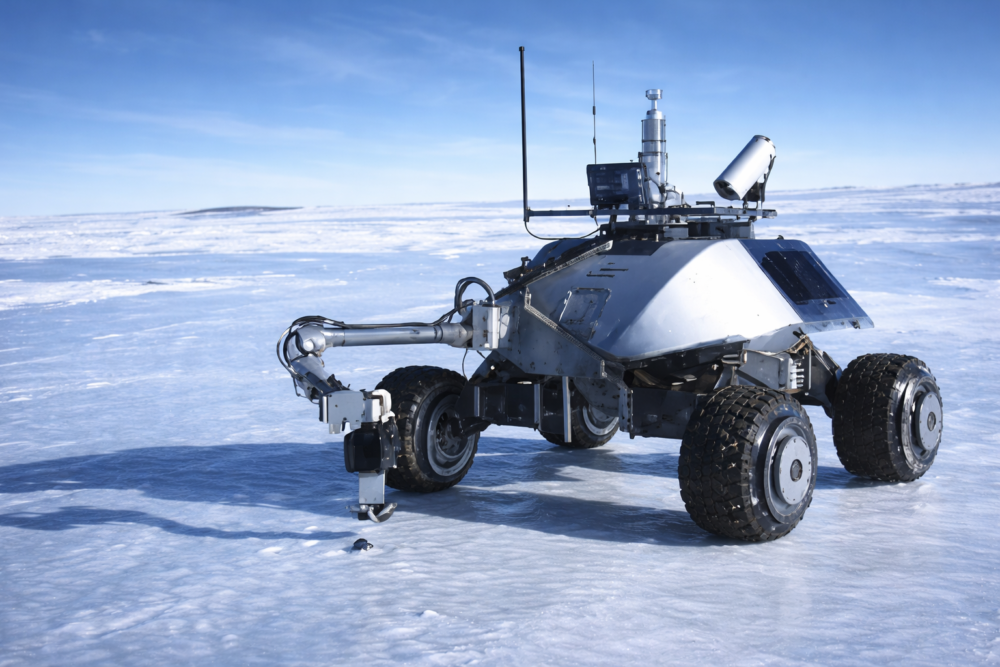
To reach them, scientists rely on autonomous robots that can drift for months in darkness, collecting data no ship or satellite can access. In one recent mission, a robotic ocean float deployed in East Antarctica went missing beneath the ice and was assumed lost.

When it finally resurfaced months later, it returned with a rare, continuous record of conditions beneath major ice shelves near the Totten Glacier region. The measurements offered an unusually clear look at how ocean heat is interacting with Antarctic ice.

Click through and find out why scientists are paying closer attention to this part of the continent.

Read more

A Study Found a Way to Repair Alzheimer’s Damage in Mice — Not Just Slow It

By correcting a basic energy imbalance in the brain, researchers reversed memory and damage in mice.

©Image license via

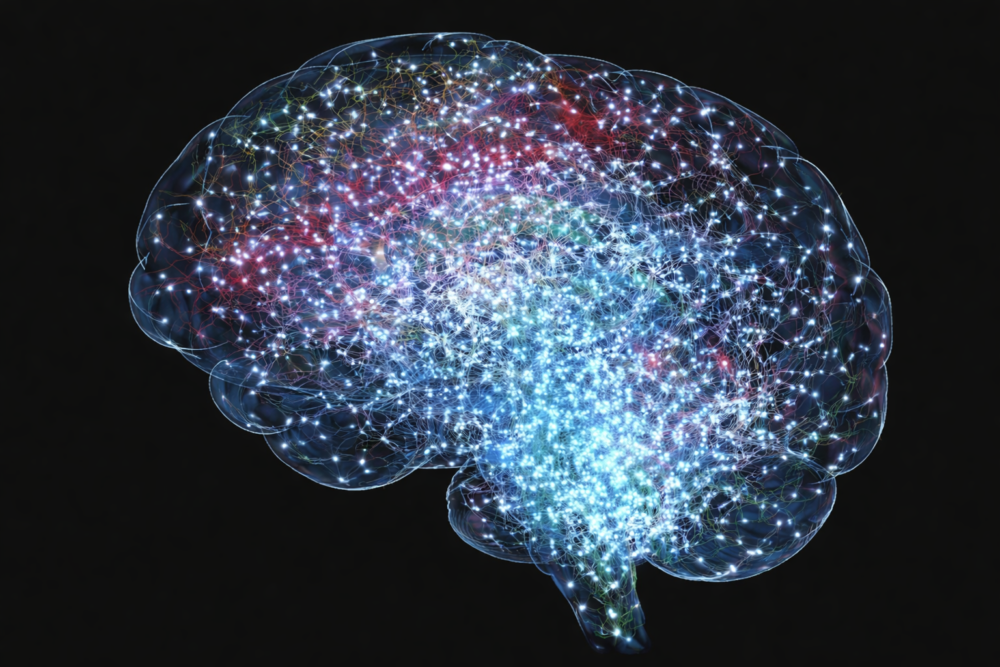
Alzheimer’s disease is often described as a slow, irreversible decline, where treatments can only delay symptoms rather than repair damage. But new research is challenging that assumption by focusing on something more basic than plaques or proteins: energy inside brain cells.

Scientists studying Alzheimer’s-like disease in mice found that restoring a key energy molecule helped reverse memory problems and normalize damaged brain cells, even at advanced stages.

The findings don’t mean a cure exists, and they don’t apply directly to humans yet. But they do suggest the brain may be more resilient than once believed.

Click through and learn what researchers did, what they observed, and why this energy-focused approach is drawing serious attention.

Read more

A 68-Million-Year-Old Egg Found in Antarctica Is Changing How Scientists See Prehistoric Life

The leathery fossil puzzled researchers for years — until its true nature began to emerge.

©Image license via Planet Sage/Chat GPT

In the late 2000s, Chilean researchers working on Seymour Island near Antarctica uncovered something that didn’t resemble any fossil they expected to find. The object was leathery, wrinkled, and oddly deflated, more like a collapsed football than a bone or shell.

Unsure what to make of it, scientists nicknamed the specimen “The Thing.” Measuring roughly 11 by 8 inches, it was large, soft, and puzzling enough that it sat largely unstudied for years.

Only later did detailed analysis reveal that this strange object was a fossilized egg dating back about 68 million years.

Click through to learn how its unusual structure and contents are now reshaping how scientists think about prehistoric reproduction, survival, and life in the final days of the dinosaur era.

Read more

She Was Part Ape and Part Human and Her Bones Are Changing Our Origin Story

Her unusual anatomy suggests our earliest ancestors didn’t evolve in a straight line from ape to human.

©Image license via Planet Sage/Chat GPT

More than four million years ago, a female hominin moved through a world that blended trees and open ground, long before humans looked or behaved the way we do today.

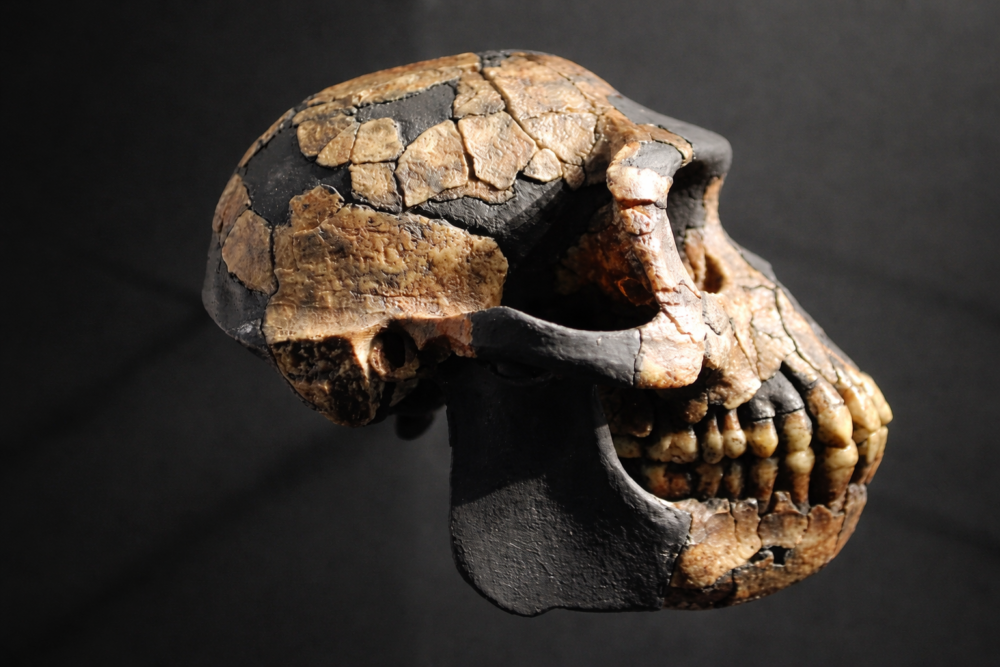
Discovered in Ethiopia and known as Ardi, her skeleton offered scientists a rare chance to study one of the earliest known members of the human family. What they found challenged long-standing assumptions about how human evolution unfolded.

Rather than showing a clean shift from ape to human, Ardi’s anatomy revealed a complex mix of traits, suggesting that early ancestors experimented with multiple ways of moving and surviving before modern humans ever appeared.

Click through to learn more about what made Ardi a unique discovery.

Read more

The 10 Science Breakthroughs That Defined The Year

From medical firsts to cosmic surprises, these discoveries reshaped how we understand life, health, and the universe.

©Image license via Canva

Every December, the science editors at Smithsonian Magazine review hundreds of discoveries and breakthroughs to identify the ones that mattered most over the past year.

Their list spans medicine, space, genetics, paleontology, public health, evolution, and technology. These stories captivated the public, influenced scientific directions, and could shape the future.

Together, they reflect a year when humanity pushed the boundaries of what we know about life, the universe, and ourselves.

Click through to discover the ten science stories Smithsonian’s team judged most significant for the year.

Read more

Dogs Can Smell Fear — But That’s Not the Whole Story

Fear leaves behind clues your dog can detect, and scientists are only beginning to understand what happens next.

©Image license via Canva

Dogs have an extraordinary ability to detect subtle changes in the people around them, often reacting before humans are even aware something has shifted. Fear is one of the most powerful examples.

When a person feels afraid, their body chemistry changes in ways that are invisible to other humans but highly noticeable to dogs. What looks like intuition or emotional awareness is increasingly understood as a biological process driven by scent.

Fear doesn’t stay internal. It alters sweat, hormones, and scent in measurable ways, and dogs respond to those signals almost immediately.

Click through to learn how fear moves from the human nervous system into the air, and how dogs detect, interpret, and react to it.

Read more

What Happens to Your Sleep When You Spend the Night Under the Stars

One night outside can quietly shift how your body sleeps, and you may not notice it happening.

©Image license via Planet Sage/Chat GPT

Sleeping outside sounds like a novelty, something reserved for camping trips or childhood memories. But scientists who study sleep and circadian rhythms have found that even short exposure to natural light and temperature cycles can noticeably change how the body sleeps.

Research led by sleep scientist Kenneth Wright at the University of Colorado Boulder has shown that time outdoors can shift melatonin timing and improve alignment between the body clock and the natural day–night cycle.

That matters right now because modern indoor life keeps people surrounded by artificial light and controlled temperatures, both of which disrupt sleep.

Click through to learn what happens when you sleep outside and what science suggests the body may be responding to.

Read more