Why Chocolate Turns White (Spoiler: It’s Not Mold)

It looks alarming at first, but the explanation is surprisingly simple.
©Image license via Flickr/Jamie Anderson

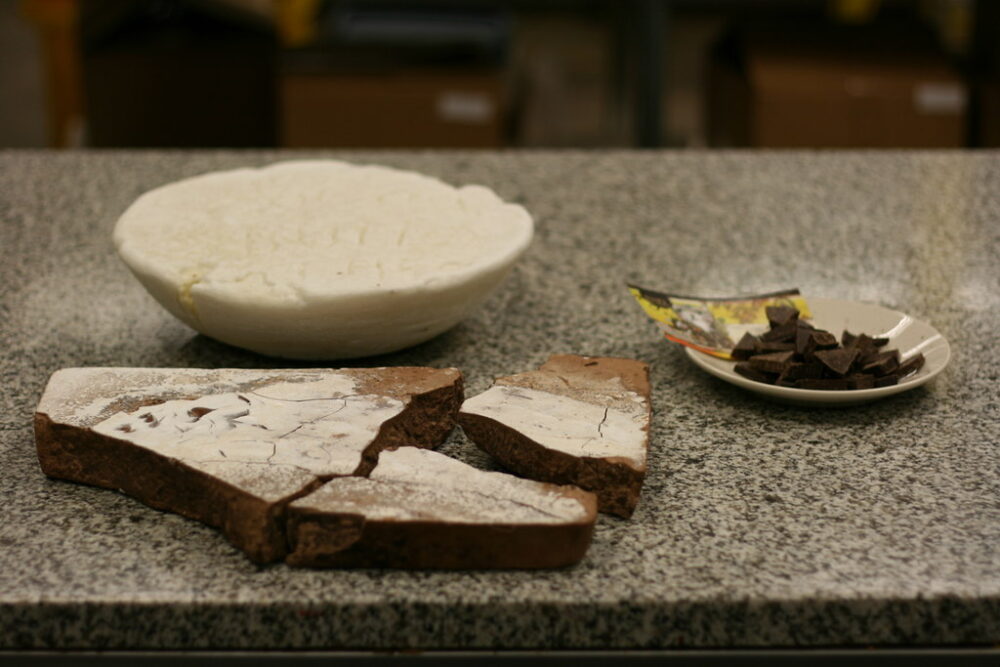
If your chocolate has ever developed an unexpected white coating, you’re not alone. This pale film, often mistaken for mold, is called bloom—a harmless change caused by fat or sugar rising to the surface. It usually results from temperature shifts or high humidity during storage. While the appearance and texture may suffer, the chocolate remains safe to eat. Understanding why bloom happens can help you store your treats more wisely.

Read more

WiFi 8 Won’t Be Faster Than WiFi 7 But Here’s Why That Might Be Better

WiFi 8 may focus more on reliability and efficiency than breakout speed gains—and that’s good news

©Image license via Canva

As WiFi technology advances, speed isn’t always the main story. While WiFi 8 may not dramatically outpace WiFi 7, experts from IEEE and TechRadar suggest this next step could mark a shift toward greater reliability, compatibility, and power efficiency. For households packed with smart devices or users concerned with battery life and stable connections, this trade-off might lead to a more seamless and cost-effective internet experience that better suits everyday needs.

Read more

Scientists Are Storing Earth’s Climate History in an Ice Vault at the End of the World

Why scientists are preserving ancient ice to protect Earth’s climate record.

©Image license via Flickr/NASA ICE

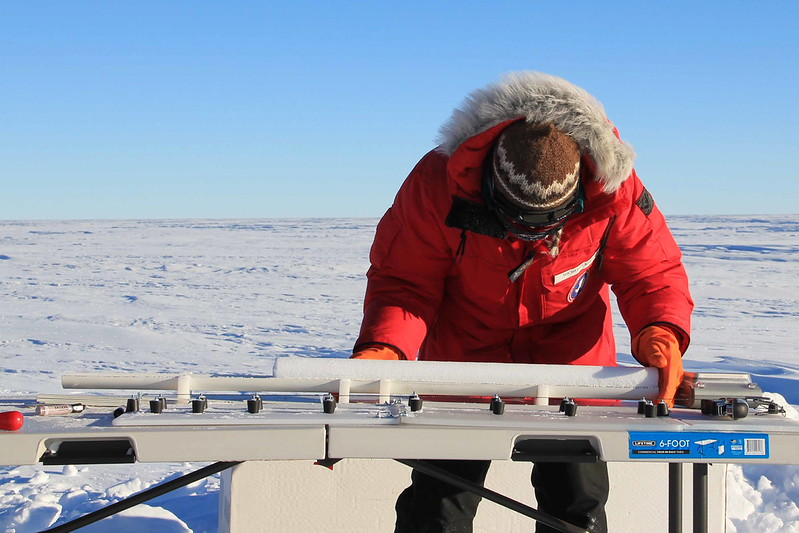
Deep within ice cores lie frozen records of Earth’s past climates, stored layer by layer like an atmospheric diary. As glaciers retreat, these fragile samples risk being lost forever. Scientists from around the world now collaborate to store ice cores in remote, naturally cold locations that protect them from contamination and warming. Experts from NASA and UC San Diego’s Scripps Institution of Oceanography emphasize that preserving these cores secures centuries of data vital to understanding climate change.

Read more

Can Trees Actually Explode in Winter? Here’s What Really Happens

What’s really happening inside trees during brutal cold snaps.

©Image license via Canva

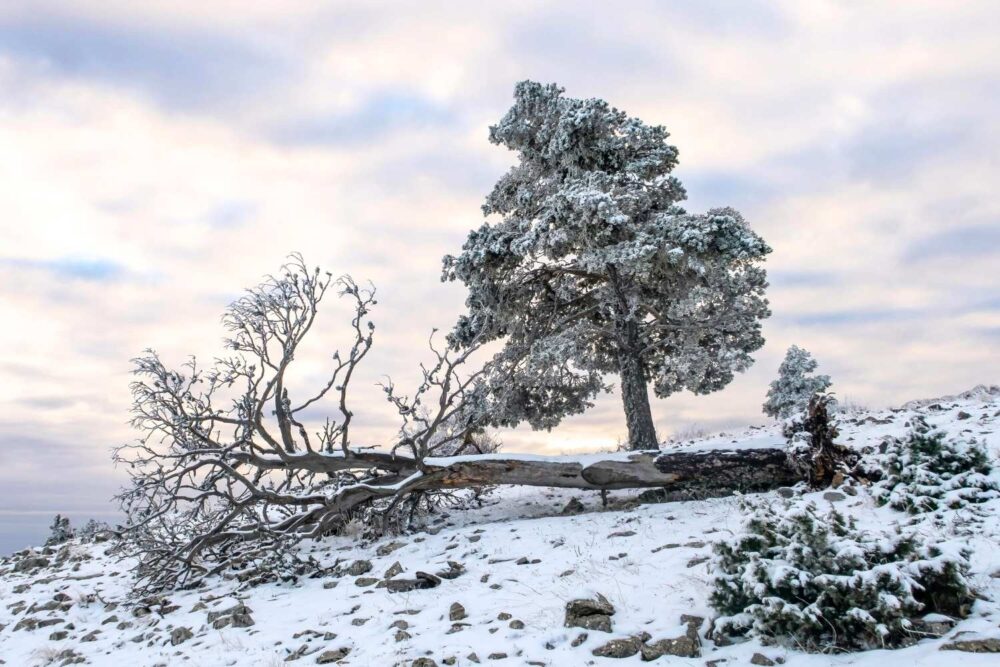
If you’ve ever heard a sharp crack echo through a frozen yard at night, you might’ve wondered if a tree just exploded. It’s not a ridiculous thought. Sometimes the sound is so sudden and loud it feels like something snapped on purpose.

Trees don’t “explode” like a bomb, but they absolutely can split violently in winter. Rapid temperature drops, internal ice expansion, and built-up stress can create a dramatic crack called frost splitting.

Read more

Japanese Snow Monkeys Go to Hot Springs for a Reason Scientists Didn’t Expect

What researchers discovered when they looked beyond the warm water.

©Image license via Freerange Stock

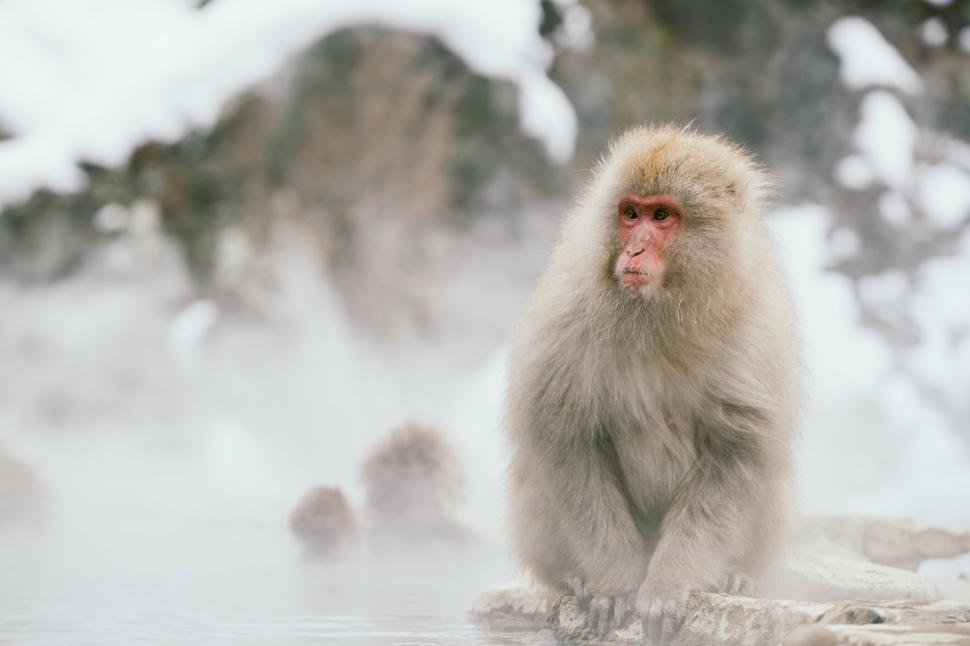
The first time you see a snow monkey lounging in steaming water, it looks like a wildlife version of a spa day. Cute, cozy, and honestly a little smug. For years, the story was simple: they do it to survive brutal Japanese winters.

But scientists now think the hot springs do more than warm them up. Regular soakers may shift their parasite situation and even reshape their gut microbiomes, quietly improving health in ways nobody expected.

Read more

Incandescent Light Bulbs Are Making a Comeback. Here’s Why It Matters

What the shift says about lighting rules, energy use, and everyday choices.

©Image license via Canva

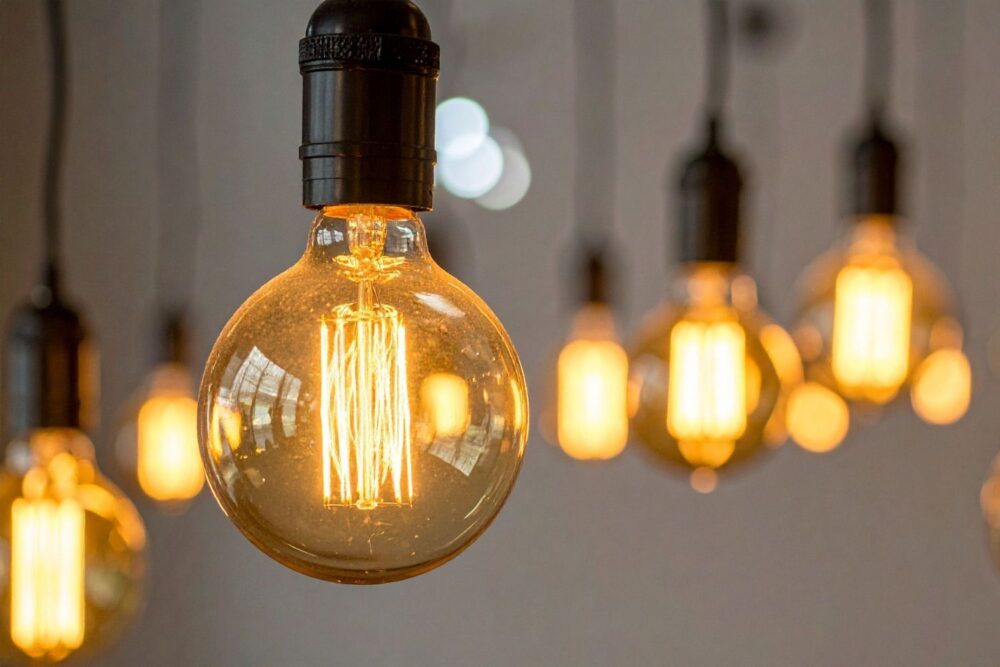
Incandescent light bulbs were supposed to be history, like dial-up internet and floppy disks. Yet somehow, they’re sneaking back into stores, into homes, and into conversations like they never left. It’s weirdly satisfying to see that soft, golden light again.

This comeback matters because it’s not only about aesthetics. It touches energy use, consumer freedom, lighting quality, and how much control we really have over the products we’re allowed to buy in the first place.

Read more

If Your Phone Does These 10 Things, It’s Probably Time to Replace It

Recognizing common warning signs can help you decide when it’s time to upgrade your phone

©Image license via Canva

A smartphone that once handled everything smoothly may eventually become slow, unreliable, or frustrating to use. From dwindling battery life to repeated software crashes, signs of aging tech often sneak up over time. Ignoring the warning signals can lead to missed calls, lost data, or even safety concerns. Knowing what to watch for can help you weigh whether repairs make sense or if a new device is the smarter option.

Read more

Your Brain Solves Problems Before You Know It — Here’s How “Aha” Moments Happen

The hidden mental work that happens before insight suddenly appears.

©Image license via Canva

You know that weird moment when you stop trying, and the answer hits you like it was waiting behind a curtain? That isn’t your imagination. It’s your brain finishing the job before your conscious mind gets the memo.

“Aha” moments happen when unconscious processing quietly rearranges problem pieces in the background, then suddenly snaps distant ideas into a clean solution. Breaks, distraction, and even drowsiness tend to make this process easier.

Read more

Most Americans Trace Their Roots Back to These 12 Countries

Census data shows where family origins in the U.S. most often lead.

©Image license via Canva

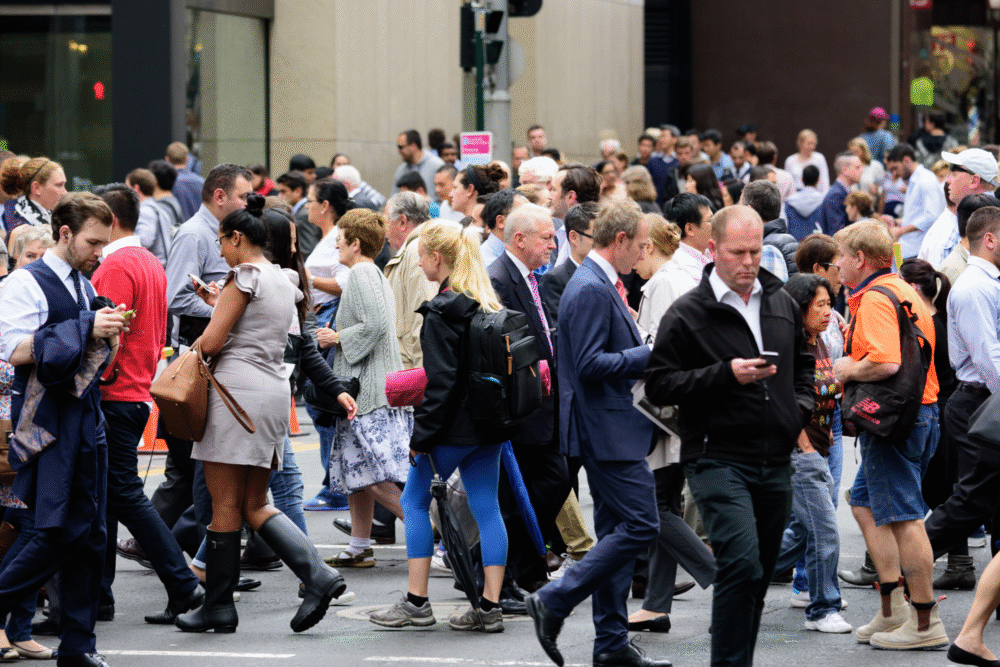
Ask a room full of Americans where their people are from and you’ll get everything from “I’m mostly Irish” to “My grandma swears we’re part Cherokee” to “Honestly, I have no idea.” The U.S. has always been a mashup, and that’s not just a feel-good phrase. It’s literally reflected in surnames, food traditions, and the way certain cities feel like mini versions of other countries.

Most Americans trace roots back to a surprisingly consistent set of countries, even if the details vary wildly by region.

Read more

Why Many Native Americans Say They Still Aren’t Seen as “Real” Americans

Indigenous voices share how stereotypes and history still shape everyday life in the U.S.

©Image license via Flickr/Howard County Library System

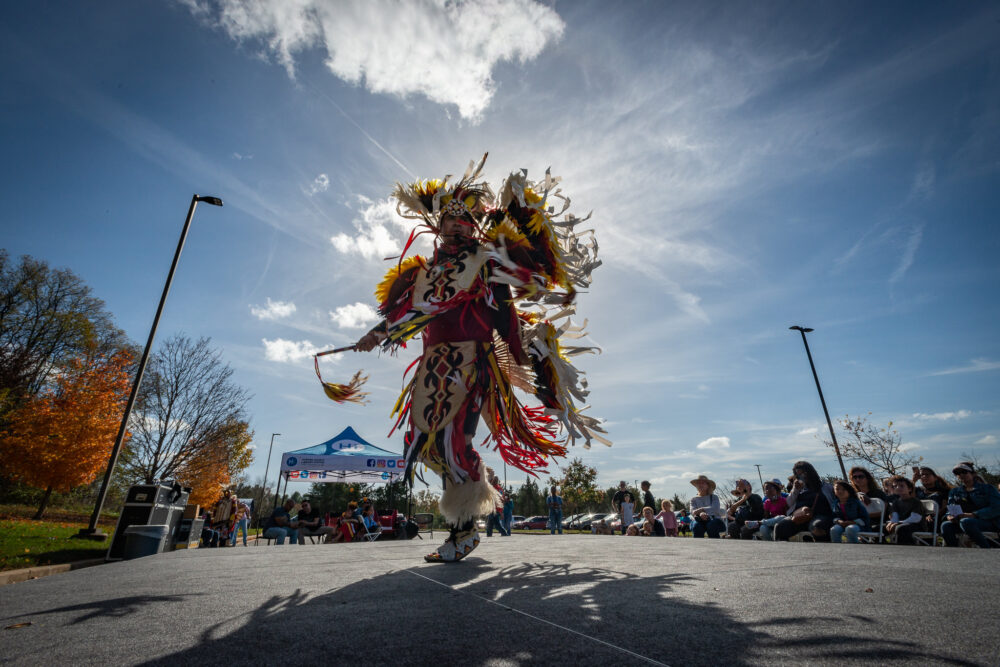
For many Native Americans, being questioned about whether they are “really” American is a familiar and frustrating experience.

Despite being the first inhabitants of this land, Indigenous people often find themselves treated as outsiders in their own country. From schools and media to everyday conversations, misconceptions about Native identity persist.

These experiences are not just about words or attitudes but reflect deeper historical and cultural misunderstandings that continue to affect how Native communities are seen and how they see themselves today.

Read more