11 Global Cities Preparing for a Future Without Fresh Water

As fresh water supplies dwindle, some of the world’s largest cities are preparing for a thirsty future.
©Image license via Canva

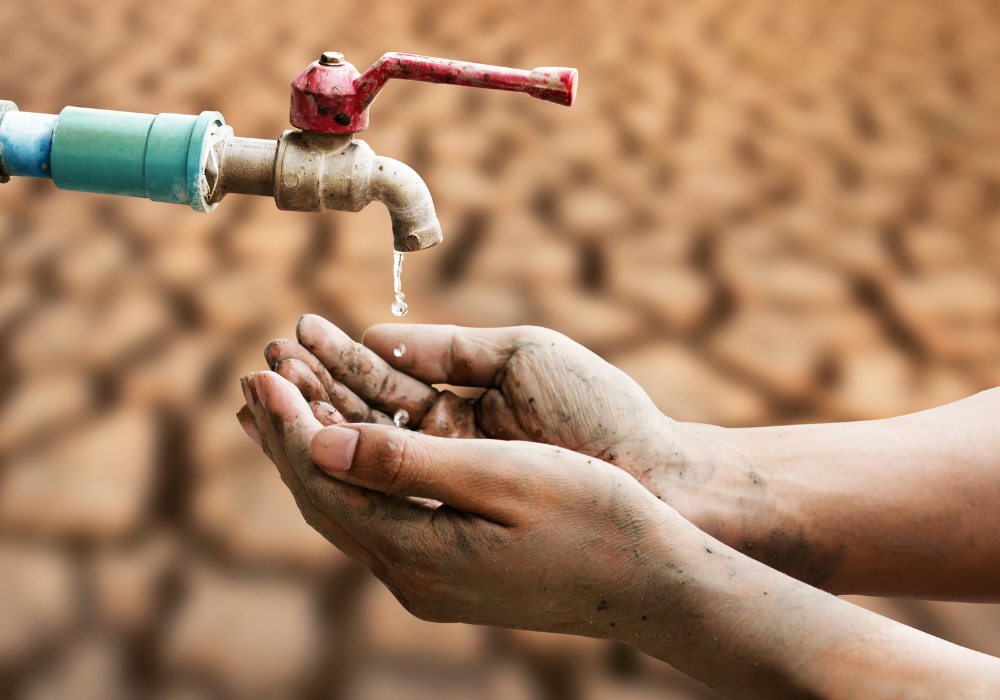
While you turn on the tap and clean water flows out without a second thought, major cities worldwide are quietly preparing for a reality where that simple act becomes impossible. From Cape Town’s “Day Zero” crisis to Chennai’s complete reservoir depletion, urban water supplies are failing faster than anyone predicted, forcing millions of people to confront a future where fresh water becomes more valuable than oil.

These aren’t distant developing world problems—cities like Los Angeles, London, and Tokyo are implementing emergency water strategies that would have seemed unthinkable just a decade ago. The race to secure water is reshaping global politics, urban planning, and daily life in ways that make the energy crisis look manageable by comparison.

Read more

Why the Evidence for Climate Change Is Impossible to Ignore

From melting glaciers to record heat, the data shows undeniable proof of our changing planet.

©Image license via Canva

The debate is over—not among scientists, but in the data itself. Every thermometer, satellite, ice core, and ocean buoy on Earth is telling the same story: our planet is changing at an unprecedented pace. 2024 was officially declared the hottest year on record, capping off a decade of broken climate records that would have been considered impossible just generations ago.

While politicians and pundits continue to argue, the physical world around us is transforming in ways that are becoming impossible to ignore. The evidence isn’t subtle anymore—it’s screaming at us from every corner of the globe.

Read more

Feeling Off Lately? The Weather Might Be to Blame

Scientists reveal how changing weather patterns can influence mood, energy, and mental health more than you might expect.

©Image license via Canva

Some days you wake up ready to take on the world, and other days it feels like you’re dragging through fog—mentally and physically. While it’s easy to blame stress, sleep, or diet, the weather outside your window could be quietly pulling strings on how you feel.

From shifts in sunlight to swings in temperature, changes in the atmosphere can ripple through your brain chemistry in ways you might not expect. Understanding this connection won’t make you immune to bad moods, but it can help you work with the forecast instead of feeling blindsided by it.

Read more

12 Incredible Ways Wildlife Are Transforming Trash Into Treasure

From birds to sea creatures, discover 12 remarkable ways wildlife adapt by turning human waste into tools, homes, and survival aids.

©Image license via Wikipedia Commons

Some animals aren’t just surviving in a world full of human trash—they’re adapting in surprisingly clever ways. From birds weaving plastic into their nests to crabs finding shelter in bottle caps, wildlife around the globe is turning our waste into unexpected tools for daily life.

According to conservation researchers, these behaviors can be both resourceful and risky, blending ingenuity with environmental challenge. Each example is a reminder that nature is constantly evolving to meet new realities—sometimes in ways we never imagined.

Read more

Want to Fight Climate Change? Start With These 12 Diet Tweaks

Your meals matter more than you think—these 12 diet tweaks can cut emissions and fight climate change.

©Image license via Canva

You’ve probably switched to LED bulbs and considered buying an electric car, but there’s a powerful climate action sitting right in your kitchen that you might be overlooking. Your daily food choices have a massive environmental impact—sometimes bigger than your transportation decisions.

The average American diet generates about 4 tons of CO2 annually, but small changes in what you eat and how you shop can cut that number dramatically without requiring you to become a full-time vegan or grow your own vegetables. The beautiful thing about climate-friendly eating is that most changes also happen to be healthier, cheaper, or more delicious than the alternatives.

Read more

A Disturbing New Kind of Acid Rain Could Threaten Ecosystems, Experts Warn

A newly discovered form of acid rain could pose fresh risks to health, crops, and ecosystems, scientists caution.

©Image license via Canva

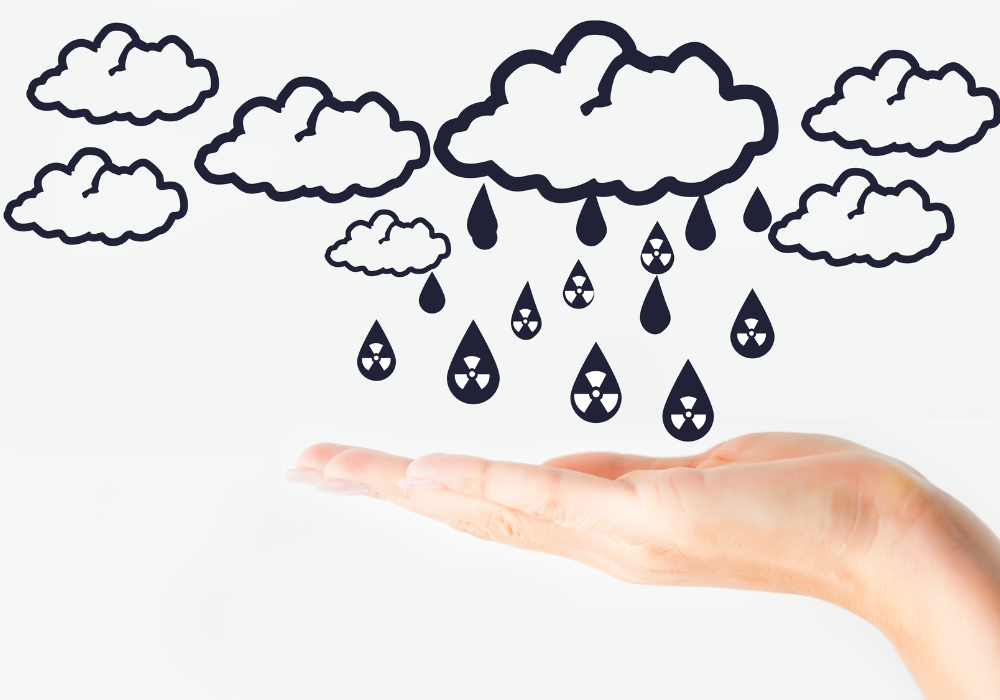
Scientists are warning about a brand-new form of acid rain—trifluoroacetic acid (TFA)—a tiny but persistent “forever chemical” that’s now turning up everywhere: in rainwater, groundwater, Arctic ice, wine, crops, and even human blood. A recent team of environmental researchers described this growing threat to Earth’s systems and human health.

Unlike classic acid rain—created from sulfur and nitrogen emissions—TFA sticks around, resisting cleanup and accumulating in ways scientists are only beginning to understand. Experts say if levels of TFA keep rising unchecked, it could strain ecosystems, impact public health, and challenge global efforts to keep our planet habitable.

Read more

10 Ominous Climate Signs We Weren’t Supposed to See This Soon

From melting ice shelves to record heat, these early climate warnings reveal a planet changing faster than predicted.

©Image license via Canva

The signs are getting harder to ignore. What once felt like distant warnings about the planet’s future are now showing up in real time, faster than anyone expected. You don’t have to be a scientist to notice the changes—hotter summers, strange weather swings, and seasons that don’t feel quite right.

It’s unsettling because it challenges the idea that we have decades to prepare. The pace is picking up, and with it comes a growing sense of urgency. Whether you follow climate news closely or not, the world outside your window is telling a story that’s impossible to overlook.

Read more

Relentless Heat Is America’s New Normal—And It’s Here to Stay

Scientists warn rising temperatures will fuel decades of extreme heat across the U.S., threatening health, infrastructure, and daily life.

©Image license via Canva

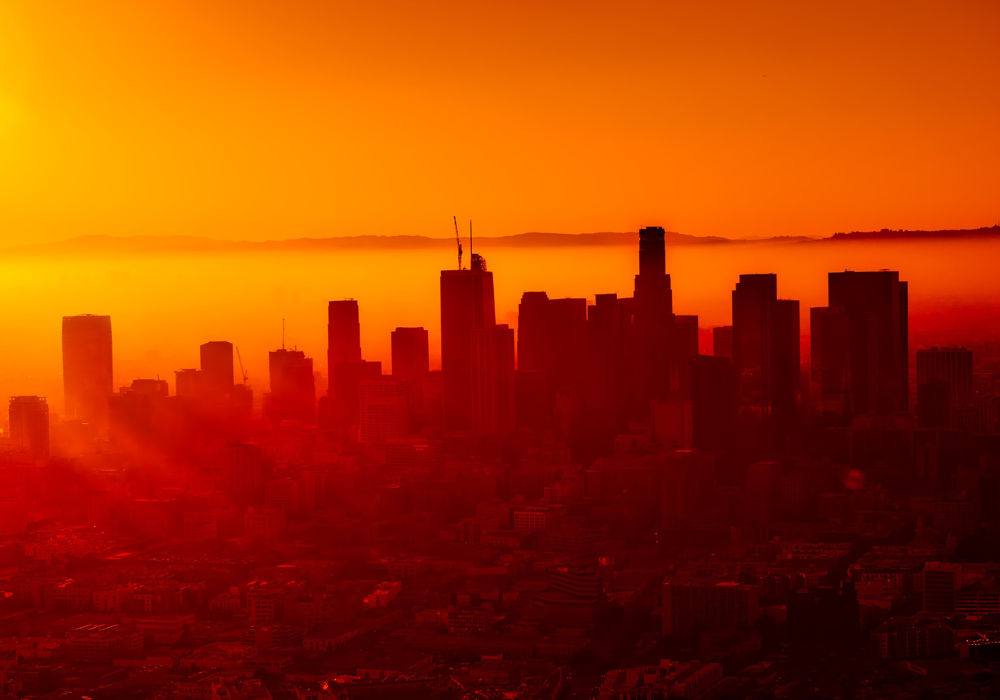
Relentless heat is becoming the United States’ new normal, with scientists warning it will grip the nation for decades. According to researchers at the National Oceanic and Atmospheric Administration, rising global temperatures are fueling longer, more intense heat waves that strain infrastructure, damage crops, and threaten public health. In some regions, the number of dangerously hot days has doubled compared to historical averages.

As communities adapt to this shifting climate reality, experts say preparation—both at the individual and government level—will be key to reducing risks. But even the most aggressive adaptation measures can’t fully eliminate the impacts already locked in.

Read more

Sudden Cloudburst Turns Deadly—Flash Floods Kill Over 150 in Pakistan

Torrential rains triggered sudden flash floods across Pakistan, sweeping away homes and leaving entire communities devastated.

©Image license via Canva

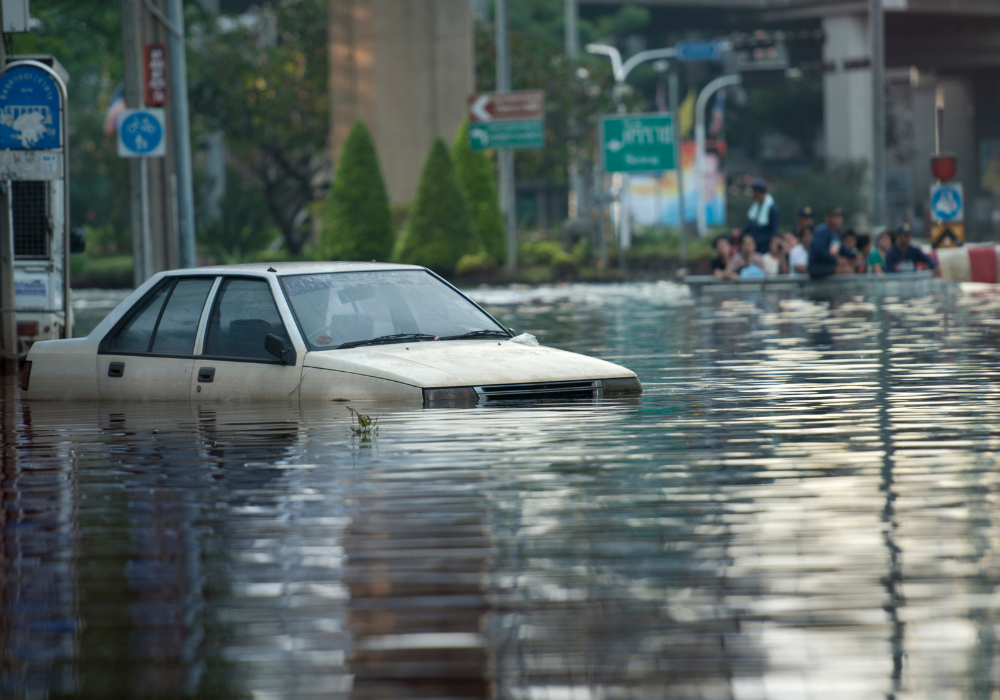
Torrential rains unleashed a massive cloudburst over parts of Pakistan this week, triggering flash floods that have left at least 159 people dead and thousands more displaced. The sudden deluge, which came with little warning, swept through villages, destroyed infrastructure, and submerged farmland.

Officials warn the death toll could rise as rescue teams struggle to reach cut-off communities. While flash floods are not uncommon during the monsoon season, the scale and speed of this disaster have stunned residents and officials alike, prompting renewed questions about preparedness, climate patterns, and the vulnerability of flood-prone regions.

Read more

The 11 Human Activities Pushing Species to Extinction Faster Than Ever

From habitat destruction to pollution, experts reveal how everyday actions are creating Earth’s worst extinction crisis.

©Image license via Canva

We’re living through what scientists call the sixth mass extinction, and this time humans are the asteroid. Species are disappearing at rates between 100 to 10,000 times faster than they would naturally, which means we’re witnessing the fastest extinction crisis in Earth’s history. Unlike past mass extinctions caused by cosmic catastrophes, this one is happening because of things we do every single day.

The scary part is that most people have no idea their normal activities are contributing to a crisis that could reshape life on Earth forever. From the coffee you drink to the way you get to work, human activities are pushing thousands of species toward extinction faster than they can adapt or recover.

Read more