12 Unexpected Ways Zoos Are Helping Save Animals From Extinction

Surprising conservation efforts reveal how zoos are helping protect animals on the brink of extinction.

©Image license via Canva

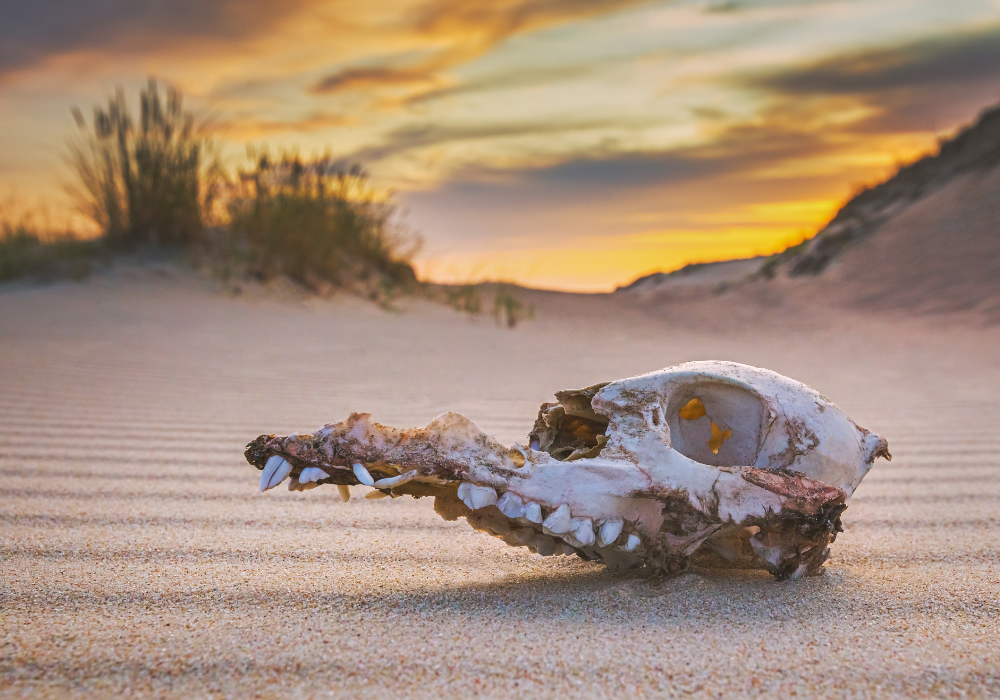
When you think of zoos, you probably picture families strolling past enclosures taking photos of sleepy lions and playful penguins. But behind those glass barriers and moats, modern zoos have quietly transformed into high-tech conservation laboratories that are literally bringing species back from the brink of extinction.

Today’s accredited zoos spend more on conservation research than many countries dedicate to wildlife protection, and they’re using everything from artificial intelligence to frozen sperm banks to save animals that would otherwise disappear forever.

The old model of zoos as entertainment venues died decades ago—now they’re more like arks for the 21st century, preserving genetic diversity and pioneering breeding techniques that often represent the last hope for endangered species.

Read more

How Coral Microbiomes Could Help Reefs Survive Climate Change

New research shows coral’s microscopic partners could boost reef resilience against rising ocean temperatures.

©Image license via Canva

Coral reefs may have a secret weapon against climate change—and it’s so small you can’t see it with the naked eye. New research from the Smithsonian Tropical Research Institute found that the microscopic organisms living inside corals, known as microbiomes, could help them survive in hotter oceans.

Scientists compared corals from two regions of Panama: one with regular bursts of cooler, nutrient-rich water and one with steady, warmer seas. The heat-hardened corals fared far better in lab tests, and researchers believe their microbiomes played a big role—offering fresh hope for reefs in a warming world.

Read more

U.S. Offshore Wind Farms Could Shut Down — And the Stakes Are Enormous

Rising costs, lawsuits, and politics threaten U.S. offshore wind — with energy and climate goals on the line.

©Image license via Wikimedia Commons

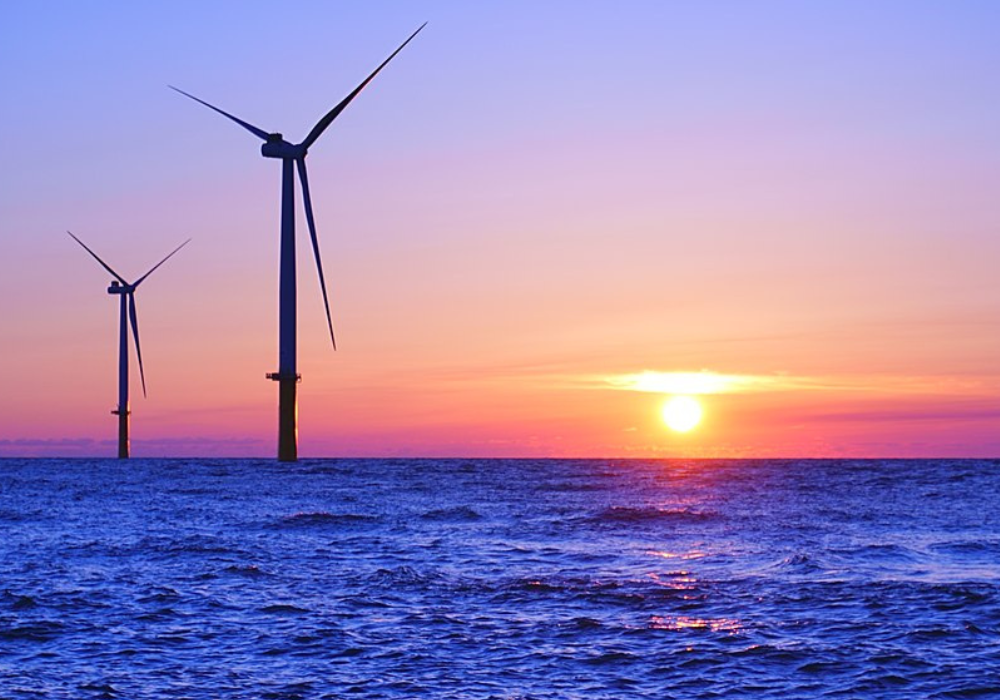
The U.S. once saw offshore wind as a symbol of a cleaner, more secure future. Towering turbines off the coast promised jobs, steady energy, and a way to push back against climate change. But now that vision feels shaky.

Projects that were once hailed as groundbreaking are running into fierce headwinds—political battles, skyrocketing costs, and uncertainty about what comes next. Communities that hoped to benefit are left wondering if the future they were promised will actually arrive. The debate isn’t just about energy—it’s about the kind of country we want to be and how we choose to power it.

Read more

The World Is Burning—And Millions Don’t Seem to Care

As climate disasters grow, experts ask why denial and apathy still shape how millions respond to a burning planet.

©Image license via Canva

Record-breaking heatwaves are killing thousands, hurricanes are destroying entire cities, and wildfires are turning forests into ash – yet millions of people seem more concerned about their favorite TV show than the planet melting around them.

Nearly 15% of Americans deny that climate change is real, while climate apathy is especially high among younger men who should be the most worried about their future. The disconnect between the urgency of our climate crisis and public indifference is staggering and terrifying.

Read more

12 Unexpected Habits That Stop Clutter and Overwhelm in Their Tracks

Learn the habits that make life feel lighter, calmer, and far less overwhelming every single day.

©Image license via Canva

Your home used to feel like a sanctuary, but now you can’t find your keys, the kitchen counter has disappeared under a pile of mail, and opening certain closets feels like playing Jenga with your belongings. Sound familiar?

The thing about clutter and overwhelm is that they sneak up gradually—one Amazon package here, one “I’ll deal with this later” pile there—until suddenly you’re living in chaos that affects your mood, productivity, and peace of mind.

But here’s the good news: you don’t need a complete life overhaul or expensive organizing systems to turn things around. Small, consistent habits practiced daily can prevent clutter from taking over and create the calm, organized space you’ve been craving.

Read more

Emotionally Intelligent People Never Say These 13 Phrases—Here’s What They Say Instead

Master these word swaps to boost communication skills and command respect in every conversation.

©Image license via Canva

We’ve all been there—stuck in a heated conversation where the wrong words tumble out of our mouths before we can stop them. Maybe it’s “calm down” when someone’s clearly upset, or “that’s not my problem” when a colleague needs help. These seemingly innocent phrases can destroy relationships faster than you’d think.

People with high emotional intelligence understand that communication isn’t just about getting your point across; it’s about making others feel heard, respected, and valued. They’ve learned to catch themselves before uttering certain phrases that shut down dialogue and hurt feelings. Instead, they’ve developed a toolkit of responses that build bridges rather than burn them.

Read more

History’s Deadliest Extinctions Are Playing Out Again in Real Time

Scientists warn today’s biodiversity crisis mirrors past mass die-offs that once reshaped life on Earth.

©Image license via Canva

Earth has experienced five devastating mass extinctions that wiped out most life on the planet, but the sixth one isn’t coming from outer space or volcanic eruptions – it’s being caused by humans. Wildlife populations have plummeted by 73% since 1970, and we’re losing species at rates 1,000 to 10,000 times faster than natural background extinction rates.

Nearly one million species are currently at risk of extinction in what scientists are calling the most severe biodiversity crisis in human history.

Read more

Why Scientists Fear Earth’s Systems Could “Domino Collapse” Together

From Arctic ice to Amazon forests, climate tipping points could trigger an unstoppable global breakdown.

©Image license via Canva

Picture this: you’re watching the first domino fall in a carefully arranged line, knowing there’s nothing you can do to stop the cascade. That’s essentially what climate scientists are witnessing right now with Earth’s major systems.

The Earth is on a “disastrous trajectory” with “no adequate global governance” to deal with climate tipping points, warns a major new report. We’re not just talking about gradual warming anymore—we’re staring down the barrel of interconnected collapses that could reshape our planet within decades.

Recent research suggests triggering one tipping element within the Earth system could cause subsequent changes in others, leading to a “tipping cascade”. The domino effect isn’t just a metaphor; it’s becoming our reality.

Read more

Hurricanes Are Now Intensifying at Record Speed—Climate Change Is to Blame

Rising ocean heat is fueling storms that grow stronger in hours, leaving little time to prepare.

©Image license via Canva

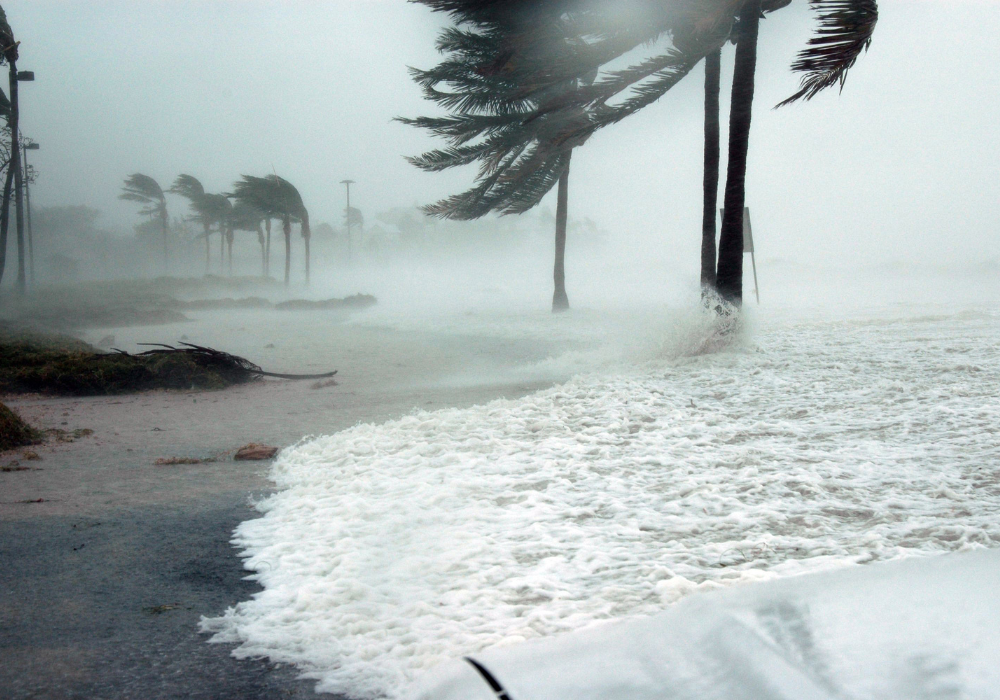
Remember when hurricanes used to slowly build up steam over several days? Those days are basically over. Climate change caused the maximum wind speeds generated by roughly 80% of Atlantic Basin hurricanes from 2019 and 2023 to intensify by an average of 18 miles per hour, and storms are now gaining terrifying strength in just hours instead of days.

Scientists have found that climate change is leading to more favorable conditions for hurricanes to strengthen more quickly, such as warmer waters. This rapid intensification catches everyone off guard – from weather forecasters to families trying to evacuate. What’s happening to our hurricanes is genuinely alarming, and it’s happening faster than anyone expected.

Read more

12 Eerie Cities Where Animals Now Rule the Streets

From wild boars in Berlin to monkeys in Bangkok, these urban takeovers are reshaping city life.

©Image license via Pexels

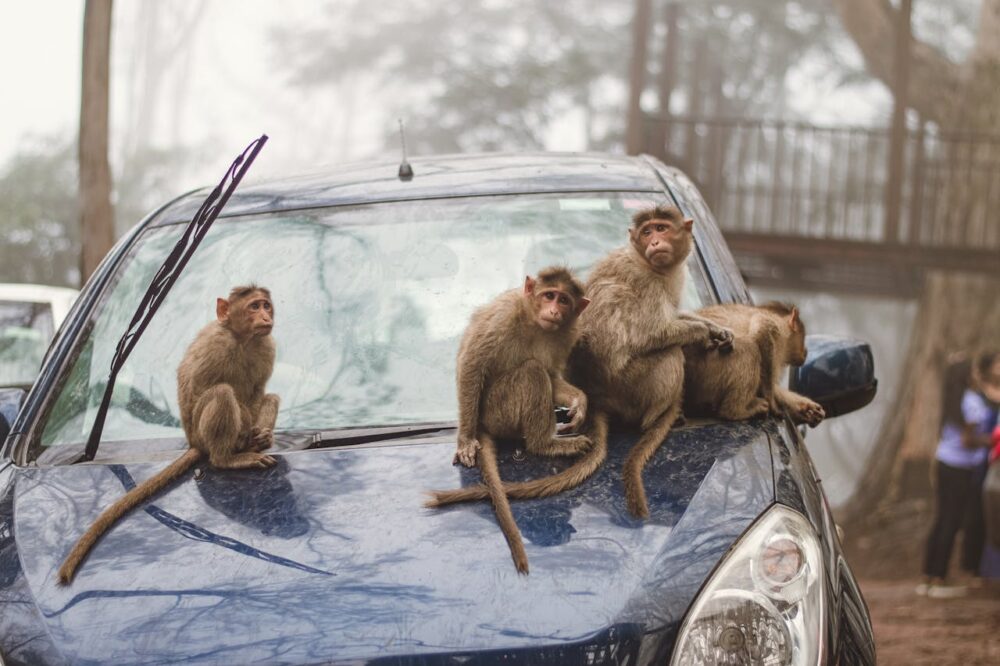
Picture having to dodge wild boars on your morning jog or waiting for monkeys to cross the street before you can drive to work. This isn’t a nature documentary—it’s real life in cities where animals have boldly claimed urban territory.

Climate change and urban sprawl have forced wildlife to adapt, and some have adapted so well they’re practically running the show. From Berlin’s 10,000 wild boars to Bangkok’s motorcycle-riding monkeys, these animal takeovers are creating an eerie new reality where humans feel like visitors in their own cities.

Read more